

You’ve heard the saying, “Never judge a book by its cover.” But in self storage, appearances matter. Facilities are often judged at first glance. And, oftentimes, a property’s appeal and functionality hinge on a consistent, well-structured maintenance plan.
And it’s not just proper maintenance. In today’s market, upgrades are no longer optional. Operators who invest in modernizing their facilities and aligning with customer expectations are the ones seeing steadier occupancy growth and stronger retention. As customer needs evolve, whether through demand for enhanced security, climate control, or digital conveniences, facilities must adapt to remain competitive.
Ultimately, long-term success depends on more than just location. Owners need a clear schedule for maintenance, timely repairs, and strategic upgrades to ensure their facilities not only look the part but also deliver the level of service renters expect.
Why maintenance matters
Cleanliness and curb appeal create an immediate sense of trust, and a facility that looks and functions smoothly signals professionalism. On the other hand, visible signs of neglect, whether it’s cracked pavement, flickering lights, or rusting doors, can send them looking elsewhere before they even walk into the office.
In saturated markets, strong upkeep can be the deciding factor between declining or rising occupancy. Happy customers are returning customers, and when they see you improving the grounds and expanding amenities, they’ll feel even more confident about locking in that unit for the long term.
Maintenance isn’t only about attracting tenants, though. It also protects revenue, reduces liability, and safeguards property value. A leaky roof can lead to unit closures and lost rent. A malfunctioning gate might mean compensation claims if tenants are locked out. On the investment side, facilities with strong upkeep tend to bring in stronger income, hold their value, and catch the eye of both buyers and lenders.
Know your customer base
It’s important to know your audience and the cyclical nature of self storage before you dive into a full-fledged maintenance schedule.
Location
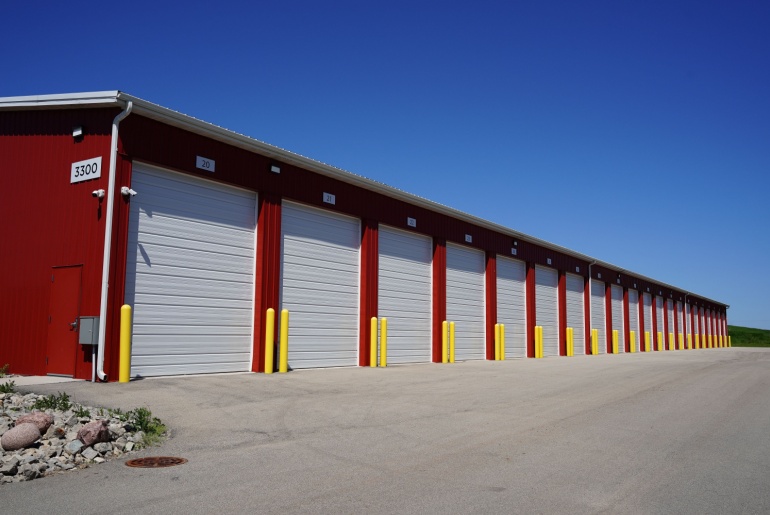
If your facility is located in a suburban or rural area and most of your customers drive to reach your facility, these are the main things to focus on:
- Keep parking lots and driveways well maintained, because first impressions matter.
- Larger vehicles such as RVs or moving trucks are going to need more space, so consider including wider turning lanes.
- Put accessibility and convenience at the forefront of your storage facility. In a rural market, this can matter more than proximity at times. Opening hours should be clearly printed and mentioned from the first look to make everything run smoother. Take into consideration that many rural areas cycle through a different rhythm, so early or late opening hours can be more renter-friendly, depending on where your business is.
- Use clear and catchy road signs that signal where your storage facility is, so that newcomers can easily find the way.
In contrast, properties near universities experience peak demand during move-in and move-out seasons. For student-heavy markets, fall is often the busiest window, making it crucial to schedule major maintenance projects outside those high-traffic times so tenants don’t feel inconvenienced. Given the urban setting, your priorities might shift to:
- No big repairs should be scheduled during the time when students are rushing to move. May or August–September, for example, should be kept off the schedule if you’re planning to change some things.
- Short-term promotions can attract students who need a quick solution to storing their belongings, so use that to your advantage.
- Provide extra moving carts and elevator assistance during peak weeks to reduce the stress for your tenants. They’ll appreciate all the extra weight knocked off their shoulders during these hectic times.
Seasonality
Seasonality affects storage demand in other ways as well. Many renters turn to storage for seasonal items or short-term moves, which means, as an operator, you should align maintenance schedules with slower periods to avoid disruptions. Planning with these cycles in mind ensures that work gets done without disturbing anyone or losing out on potential clients. In practice, that means focusing on a handful of key actions:
- Track demand cycles locally and make a note of that. Adjust your maintenance schedule accordingly, so that you don’t miss out during the peak months.
- Roof inspections or system upgrades should be scheduled during slower months, when your customers won’t be constantly pestered.
- Incorporate seasonal offers in order to keep your units occupied year-round and analyze what works best. This could take the shape of discounted prices for smaller units right when holiday décor needs to be put away.
Amenities
It also pays to know which unit types perform best in your market. Climate-controlled units, for example, are an obvious necessity in places like Houston, where hot, humid summers can damage belongings. Lean into what your local clientele values most and improve upon those features so that you can evolve alongside your customers and give yourself a competitive edge. To get all the details right, you can start with these steps:
- The more humid the weather, the more it’s crucial that your HVAC systems are inspected and verified, as well as your filters, which should be replaced regularly.
- For colder regions, insulation and weather sealing are a lifesaver, as they protect the stored goods perfectly.
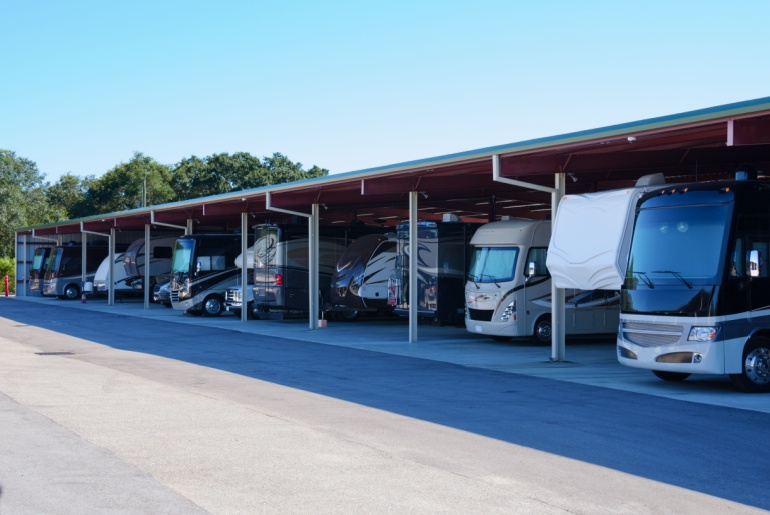
- If your city is a lightning rod for RV owners, make sure you have the proper area to include RV storage as well.
Good communication matters
Transparency with tenants is equally important and should be taken into consideration every step of the way. Ask your tenants what their preferred form of communication is and always let them know about any disruptions at the facility.
- Use email or text alerts to notify your tenants of repairs or limited access during certain events. Keep your communication clear and consistent.
- Estimate and then communicate completion times for repairs or projects — no one likes being kept in the dark. Now’s the chance to turn it into a moment of trust, ensuring that your customers can plan ahead as well.
- If a gate malfunction means limited access for a day, communicating clearly with renters helps maintain trust.
Keeping tenants informed during repair projects turns a potential frustration into an opportunity to demonstrate professionalism.
Have a proactive approach to maintenance
For storage facilities that have recently undergone renovations or expansions, maintenance is the cog in the machine that keeps everything running smoothly. A proactive strategy ensures new systems perform as intended while keeping a close watch on existing equipment. Regular checkups help operators spot what should be improved, upgraded, or retired, clearing the way for smarter long-term solutions.
“We perform site evaluations when onboarding new properties and at recurring intervals to ensure a proactive approach to maintenance, repairs, and capital improvements,” says Melissa Shandor, Director of Third-Party Management at Storage PRO Management. “Performing evaluations is the most effective approach to avoid being ‘surprised’ with a maintenance or repair issue and to effectively plan for capital improvements. Every component has a useful life, and whether it is an existing feature or part of an expansion, understanding that life expectancy allows you to make informed decisions when planning and budgeting.”
In other words, maintenance works best when it looks forward rather than reacts. Regular property assessments and a clear grasp of each component’s life cycle allow operators to anticipate needs and budget accordingly — avoiding the costly scramble that comes when problems are left to emerge on their own.
Lay the groundwork for lasting maintenance
At its core, a facility’s maintenance strategy should weave together three essential elements, each supporting the other: preventive care, corrective action, and long-term capital planning.
Preventive care
This first step is the quiet hero of facility management. When the staff takes the time to lubricate a door spring or clear a drain, they may be saving thousands of dollars in future repairs. Regular walkthroughs, often performed weekly, help spot small issues like trash or any other minor damage before they grow. Seasonal inspections add another layer of protection: roofs in spring and fall, HVAC systems ahead of extreme weather, and parking lots before freeze–thaw cycles. When you keep track of every component and its status, surprises become far less likely as you start to see the patterns. The rhythm of maintenance becomes predictable, and upgrades can be scheduled before breakdowns occur.
Corrective work
This step comes into play when problems do arise, because no system is perfect at the end of the day. Preparation goes hand in hand with anticipation, after all. What you want to do here is respond quickly and swiftly. A gate failure or HVAC issue doesn’t just inconvenience tenants; most importantly, it sends a message about how the facility is managed.
Operators who act promptly, with reliable contractors on call, reassure customers that their needs are a priority. Some successful facilities keep preferred vendors on retainer, ensuring help is available at short notice, especially during peak rental seasons or after severe weather. Addressing issues immediately prevents them from escalating, and it reinforces tenant trust.
Capital improvements
The final element of this trifecta shapes the future of a property. While preventive and corrective maintenance cover the day-to-day, long-term investments define whether a facility stays competitive. Roof replacements, lighting upgrades, or the addition of climate control all require thoughtful planning and budgeting. A roof may last three decades, but once it nears the end of its life, there’s no avoiding the replacement. Outdated lighting may still function but consumes far more energy than LED alternatives. After all, upgrading saves money and boosts security.
Expansions that add climate-controlled units, solar panels, or enhanced security systems must be integrated into maintenance schedules from day one. A common mistake is to assume “new” means “maintenance-free.” Don’t make the mistake of ignoring new systems, as it can often lead to premature failures.
Budgeting underpins all of this. Industry experts recommend setting aside 5–10% of the total operating expenses for maintenance, keeping those funds separate from payroll and other operating costs. Facilities that consistently dip into their reserves and allocate for such potential situations avoid the financial strain of sudden large expenses, while those that neglect to plan often find themselves scrambling.
Pro tip: The best strategies are documented and systematized, so make sure to have clear guidelines to remove any confusion about when and how tasks should be done. For operators managing multiple properties, digital platforms can streamline scheduling, log repairs, and forecast expenses — all within a few clicks’ reach. Even smaller operators benefit from a structured calendar that ensures nothing slips through the cracks.
Documentation also builds a valuable history. Over time, inspection logs reveal useful patterns you can turn to in the future. If one type of door wears out faster than another, or if a particular roof design shows recurring leaks, those insights inform smarter upgrades. Maintenance records become a roadmap for the property’s future.
Finding the right contractor for the job
Now that we’ve gotten through the bigger points to consider when thinking about upgrades and how they affect your facility, it’s time to focus on the details. Upgrades and major repairs often involve outside contractors, and managing them well is a skill in itself since the quality of their work will eventually reflect on your own business.

To help guide you when hiring a contractor, here are a few essentials to keep at the forefront:
- Contractor insurance coverage: Always make sure the insurance is valid, as it protects you from liability in case of accidents, damage, or injuries that might occur while the project is underway.
- Valid business license: A simple but important step to confirm the contractor is operating legally. Skipping it can leave you vulnerable to poor workmanship or even legal complications down the road.
- Proper qualifications: Hire the right person or crew for the job, and make sure they can back it up with proof of experience. Otherwise, you risk paying even more later to fix work that wasn’t done properly in the first place.
- Valid address and contact: Check that the company or freelancer has a legitimate address or workspace you can verify, along with up-to-date ways to reach them.
- Background checks and reviews: For some extra peace of mind, feedback from other clients is what to look for if you want to know what to expect. Communities of like-minded owners such as yourself can give you an open and objective perspective, helping you avoid surprises down the line.
- Permits and fees: Double-check all permits and related costs required for the work so you can budget accurately ahead of time. You don’t want your expenses to balloon unexpectedly.
- Choose wisely: Don’t go with the first contractor you come across. Gathering several bids helps you compare not only price, but also timelines and professionalism.
- Build long-term trust: If you like a contractor’s work, keep them in mind for future projects. Developing a consistent partnership saves time and keeps your property looking uniform.
Key areas to focus on during upgrades
Major renovations or expansions give operators a rare chance to not only upgrade functionality but also refresh the look and feel of the entire property. Think of it as an opportunity to go full throttle on rejuvenation — the finishing touches that make a facility shine and attract new customers.
In highly competitive markets, where storage space per capita is abundant and demand is already being met, those small details can be the deciding factor in whether a unit stays empty or gets rented for the months ahead.
Some of the key areas to focus on when polishing a property post-renovation include:
Pavement and ground
The first thing customers encounter isn’t a row of units — it’s the pavement beneath their feet and tires. If the asphalt is cracked, uneven, or riddled with potholes, it leaves a poor first impression. Worse, rough pavement can jostle boxes and furniture during moves, potentially damaging items before they even make it into a unit. Resurfacing or sealing the lot not only enhances curb appeal but also makes moving both smoother and safer for tenants.
Lighting
Lighting plays a bigger role than many realize. A well-lit facility feels safer, more welcoming, and more professional. Bright, energy-efficient LED fixtures improve visibility for tenants rummaging through boxes or carrying heavy loads. They also cut down on long-term operating costs.
A great example comes from Irving, Texas, where Storage Sense invested in LED lighting upgrades and improved HVAC controls across 82K square feet of temperature-controlled units. The lower energy costs, better visibility, and a more comfortable environment for renters were just a few of the results they got back in return with just that one change. In today’s eco-conscious climate, these kinds of upgrades make a bright distinction — quite literally and figuratively.
Safety measures
Peace of mind is as important as square footage. Customers want to know their belongings are safe, and that requires a layered approach. Start with the basics: modern security cameras that are regularly checked, motion sensors in key areas, and gates that close smoothly without squeaking or sticking. Even simple tasks like oiling hinges and testing padlocks make a difference.

If you provide 24/24 on-site supervision, make sure the staff is trained to monitor all angles of the property and respond quickly to tenant concerns.
Safety also extends to data security. Protecting customer records with strong passwords, updated servers, and multi-layered digital safeguards shows tenants that you take their privacy as seriously as their possessions.
A new paint job
Never underestimate the power of paint. Renovations often leave behind dust or marks on walls and doors. A new coat of paint can breathe new life into the property’s appearance, making it feel brighter and cleaner. Even subtle updates, like refreshing the office interior or repainting unit doors, signal to customers that the facility is cared for and evolving.
Roofing
If a new roof or insulation has been added during renovations, it shouldn’t be considered “set and forget.” Instead, schedule seasonal inspections to look for signs of water pooling. Fresh materials can sometimes hide small flaws that only reveal themselves over time or through weather changes, so keep a close eye on the evolution of your roof.
HVAC systems
Climate-controlled units are the backbone of storage in hot and humid regions, and in many markets across the Midwest and South, they are now considered standard. Expansions often bring in new HVAC equipment, but those systems require consistent care to stay efficient. Filters, ducts, and thermostats should be serviced on a clear schedule to ensure proper performance and to protect tenants’ belongings from temperature and humidity damage. Regular maintenance not only preserves unit conditions but also avoids costly breakdowns during peak rental seasons. Many operators standardize preventive schedules and vendor dispatch with tools such as Service Fusion HVAC management software, which helps centralize work orders, automate recurring maintenance, and give technicians a mobile way to capture on-site updates and photos, supporting more consistent HVAC performance in climate-controlled facilities.
Embrace changes
To make sure you’ve always got a leg in the race and are keeping up with what actually drives the storage industry, it pays to embrace change and watch where customer interest is pooling. Technology has permanently reshaped the self storage landscape, and facilities that lean into innovation are the ones most likely to thrive.
Today, sensors can monitor unit temperature and humidity and instantly send alerts from anywhere. Security systems are increasingly powered by artificial intelligence, helping identify unusual activity before it escalates. Climate-controlled units can be adjusted with a tap on a phone, and issues can be flagged and addressed almost instantly. Automation is now king. Customers can rent units, sign leases, and even take a virtual tour of a property before setting foot on site.
One thing to remember is that this new technology doesn’t only benefit customers but also supports operators as well. Smart tools can streamline operations and even open up new ways of managing facilities.
In Wylie, Texas, for example, a facility managed by Storage Asset Management (SAM) adopted a Virtual Operations (VO) Management Model, splitting responsibilities between a remote store manager and an on-site field service representative. Their approach sharpened the focus on day-to-day maintenance while freeing up staff to prioritize customer service and sales. As a result of this change, revenue climbed by 9% and net operating income surged by 206% following the transition.
Maintenance software is another game-changer you don’t want to skip. Digital platforms can generate reminders for inspections and even forecast certain needs based on industry-standard equipment lifespans.
Challenges to take into consideration
Despite careful planning, some recurring challenges may arise from time to time.
- Weather tops the list with ease. Facilities in hurricane-prone regions need reinforced structures and flood-preparedness plans. Northern operators contend with snow removal and ice management, which can cause slip-and-fall hazards if not handled promptly.
- Tenant behavior also adds to the challenge. Heavy traffic wears down asphalt faster. Improperly disposed items can block drains or attract pests. Vandalism may damage gates, lighting, or doors. Each of these issues requires vigilance and swift response.
- Another persistent challenge is deferred maintenance. Small issues are easy to overlook, but left unaddressed, they multiply into larger problems. A minor roof leak can become structural water damage if left unchecked. A single broken light may compromise security across an entire row of units. Operators who resist the temptation to delay repairs ultimately save money and protect their reputation.
A facility’s appearance is directly tied to consistent maintenance and careful planning. When tenants see the effort and care you put in, they’ll feel confident entrusting their belongings to you, ensuring your units stay full and your business continues to thrive.



Scary Good DIY Halloween Decorations That Won’t Haunt Your Wallet
A few floating candles in the hallway, a family of ghosts by the front door and a suspicious number of bats climbing up the bedroom wall can make October feel a whole lot spookier. While Halloween stores are full of tempting finds, some of the best DIY Halloween decorations can come from things you already have tucked away in drawers, closets or the recycling bin.
Suburban Giants and Urban Risers: Where America’s 100 Largest Metros Fall on the Self Storage Map
Self storage has long been a suburban story. Across America largest 100 metros, 59% of the inventory built over the past decade sits outside city cores, largely preserving the ratio of the total existing inventory.

Sweatshirt Storage Ideas Worth Keeping Up Your Sleeve
Sweatshirts are great until you realize how much room they take up. A few thick hoodies can fill a drawer fast, with lighter crewnecks getting squashed underneath or pushed somewhere you forget about. Good sweatshirt storage can make that pile much easier to manage without requiring a bigger closet.

Living Room Storage Ideas: 28 Ways to Reclaim Your Hosting Space
If a living room is where most of a household’s living happens, good storage should be the top priority for setting up or revamping the place. After all, think of how easier it would be to have people over when tidying up the place is just a matter of putting things in their right place (in a time when fewer and fewer people are entertaining friends at home(opens in new tab)). The trick is making room for all those wayward clothes, blankets, chargers and other small things that end up on (or, inexplicably, in) the sofa. Here are 28 living room storage ideas to get you started and make tidying up a quick affair.
25 Mudroom Storage Ideas (And Mistakes to Avoid)
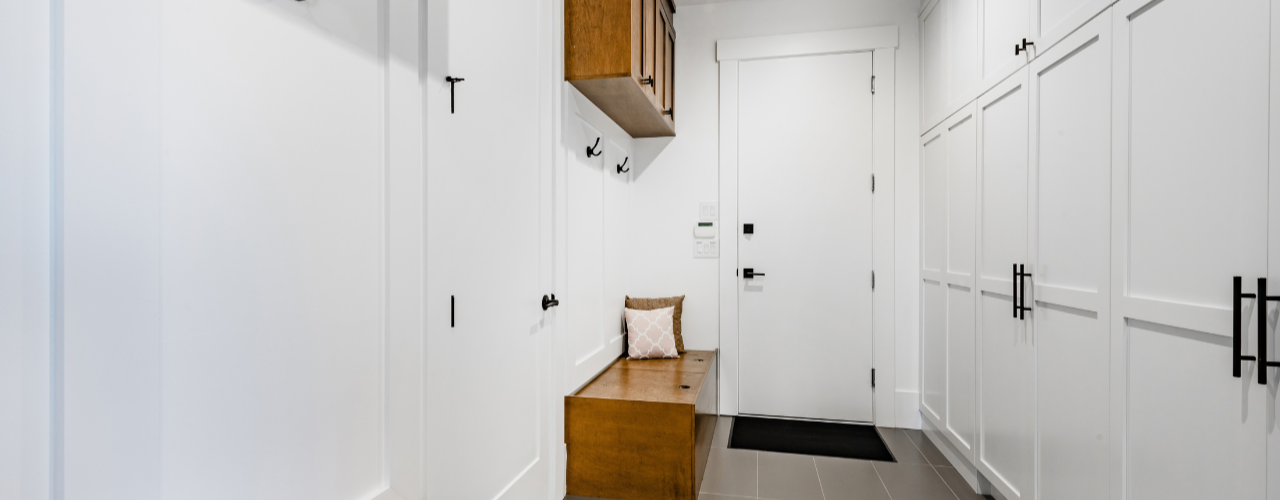
When you come home with muddy boots, an armful of bags and a coat you can’t wait to take off, it’s nice to have somewhere to put it all. With a mudroom, you can leave the outdoor mess at the door instead of carrying it through the house. Traditionally, you’d set aside a separate room, but you can just as easily use a hallway, an entryway closet, a laundry-room corner or a stretch of wall near the entrance.
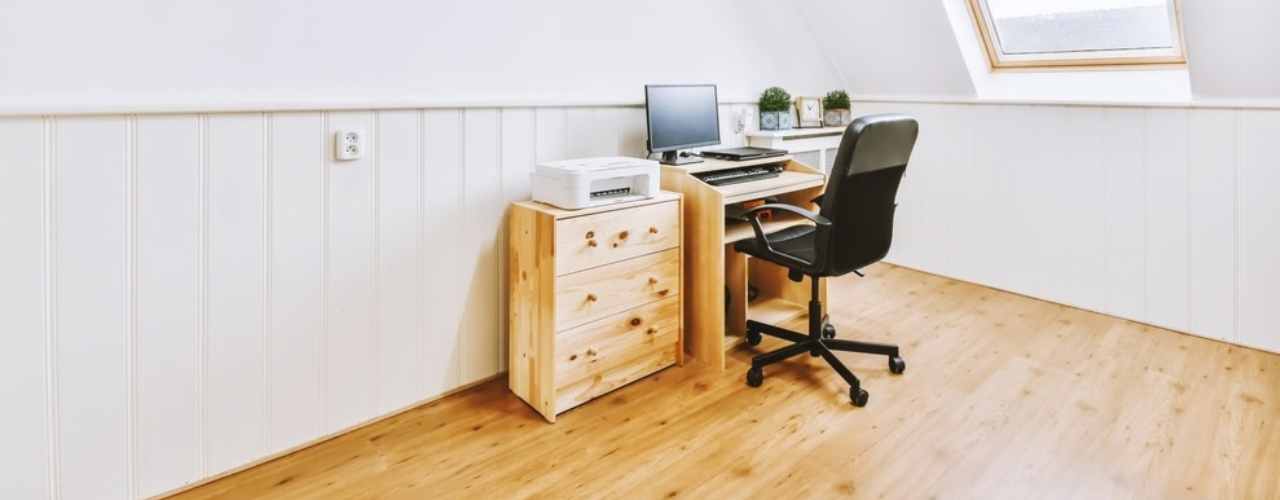
Is Your Home Office Worth the Rent? What Coworking and Self Storage Could Save You
Every square foot of your apartment comes with a price tag, and a home office claims more of them than most renters expect. It starts with a desk. Then come the second monitor, the printer, the filing cabinet and the overflow boxes. Before long, the corner you set aside for work has turned into a small room you are paying for every month.

Best U.S. Cities to Live Uncluttered: Plano, TX, Offers the Most Room to Breathe
Clutter is in our homes as much as in our heads. Both are shaped by where we live.

America’s Top Snowbird Destinations for 2026–2027: Florida Leads in Numbers, Texas Wins on Value
For Americans living in colder states, the approach of winter is reason enough to start looking south. Cold weather carries costs that go beyond the heating bill and shoveling snow. Seasonal affective disorder(opens in new tab) is far more prevalent in northern states, so a temporary move south isn’t simply an escape from the cold, but a chance to spend the hardest stretch of winter outdoors and in the sun.

How Much Does Halloween Really Cost in 2026? Plan Wisely to Avoid the Scare of Hidden Costs
Americans’ love for Halloween is almost frightening — this year alone, we are on our way to spending $13.5 billion, according to data from the National Retail Federation(opens in new tab). That breaks down to about $115 Halloween costs per person, a whopping 49% more than 10 years ago.