

Packing smartly helps you reduce the number of boxes that need to be transported and also means you’ll be spending a lot less time unpacking and arranging things in your new home. Since clothes make up a big part of the stuff you need to pack and move, here’s a guide that will show you how to do that with maximum efficiency.
1. Keep only what’s worth keeping
Moving is a very busy period, and that’s the main reason why most people forgo a thorough sorting of their clothes and simply throw everything into boxes and bags. However, this attitude only creates more work for you later.
Dedicate a couple of hours to sorting out your clothes and discard all items that are worn and torn. Also, give up on the items that no longer fit you – you can donate those pieces or you could even sell them online. Repeat the same process with your shoes, bags and other accessories. There is no reason to pack, transport and unpack things you’ll never use again.

2. Assess the need for clothes at your destination
With a long-term move, you need to consider what the weather is like at your destination. People tend to hold on to their clothes, even if they realize there’s very little use for heavy winter coats when moving south, for example. Or those 20 pairs of shorts and 10 pairs of flip-flops might not be needed if heading north.
Keep some of the items, seeing as you’re probably going to visit family and friends sometime and might need them then. However, don’t pack your entire wardrobe if the climate at your destination does not justify that.
If you’re only moving for a shorter, predetermined period, and for a specific reason such as a job contract or for studying, you can rent a self-storage unit and keep the bulk of clothes – and other items – in there instead. It’s less complicated and less expensive than packing and transporting everything back and forth.
3. Pack a suitcase with necessities for a couple of days
Moving is pretty chaotic, whether it’s a local move or a long distance one. The moving truck with all your stuff might be delayed, and you might have to spend an extra night on the road or simply be way too exhausted to start unpacking as soon as you have arrived at your new home.

You can easily avoid the discomfort of lacking fresh clothes by packing a suitcase with enough clothes for a couple of days, plus other strict necessities such as toiletries, medication and so on. Keep that luggage in your car or carry it with you. This way, you’ll have enough stuff to last you until you’re ready to unpack.
4. Make sure that the clothes you pack are clean
Your clothes need to be perfectly clean before you pack them. Even if you wore a pair of jeans or a shirt just once, so they’re not exactly dirty, you should still give them a quick wash before packing them. Particles of dirt, grease or deodorant, even if invisible on the piece of clothing, can damage the fabric. By the time you unpack, you’ll notice serious stains on those clothes, stains that are almost impossible to remove.
The best course of action in order to protect your clothes is to wash everything that’s not 100 percent clean. Take your delicate pieces to the dry cleaners before packing them. It takes a little bit longer than throwing everything in packing boxes, that’s for sure, but the extra effort is totally worth it.
5. Use wardrobe boxes
Wardrobe boxes are very useful for more expensive items of clothing such as suits, fancy dresses, coats, elegant shirts and so on. By keeping them on clothes hangers and neatly arranged inside the sturdy cardboard box, you’re making sure they arrive crease-free at the destination. Another precaution worth taking is to slip some protective garment covers over these outfits to shield them from getting dirty or dusty during transportation.

6. Vacuum bags make the difference
Vacuum bags are excellent for reducing the volume of different clothing items, such as sweaters and winter coats, but also of blankets, pillows, towels, bedsheets and so on. All these items take up a lot of space, and, by using vacuum bags, you’ll be able to seriously reduce the number of boxes you need to transport.
Vacuum bags come in various sizes and are easy to use – all you need to do is to put the clothes and other textiles inside, neatly folded, close the bag, and then suck the air out with a vacuum cleaner. Beside the reduced volume of things to transport, your clothes are also perfectly protected from dust, dirt and humidity. However, don’t use this packing method for clothes that crease easily, as vacuuming clothes does tend to create creases that are very difficult to iron out.

7. Pack by category and label each box
Make settling into your new home a lot easier by packing your clothes in categories – all the jeans in one box, T-shirts in a different one, and so on. Then, write on each box what it contains. You’ll appreciate the convenience as you start unpacking your clothes and you know exactly where the contents of each box need to go.
A trick that can work well is to pack your drawers with all the stuff inside, wrapping them tightly with cling film. One problem with this method is that you won’t be sorting your clothes out at all, so you might be moving into your new home with a lot of stuff you no longer need and use. Also, drawers tend to be a lot heavier and more complicated to manipulate than a cardboard box.
Packing your clothes more efficiently for moving starts with a thorough decluttering of your entire wardrobe. Protect your nice clothes with covers and put them in wardrobe boxes, while using vacuum bags for bulkier items such as sweaters, winter coats and bedding. Keeping the different categories of clothing in separate boxes and labeling everything will make unpacking a lot easier.



America’s Top Snowbird Destinations for 2026–2027: Florida Leads in Numbers, Texas Wins on Value
For Americans living in colder states, the approach of winter is reason enough to start looking south. Cold weather carries costs that go beyond the heating bill and shoveling snow. Seasonal affective disorder(opens in new tab) is far more prevalent in northern states, so a temporary move south isn’t simply an escape from the cold, but a chance to spend the hardest stretch of winter outdoors and in the sun.
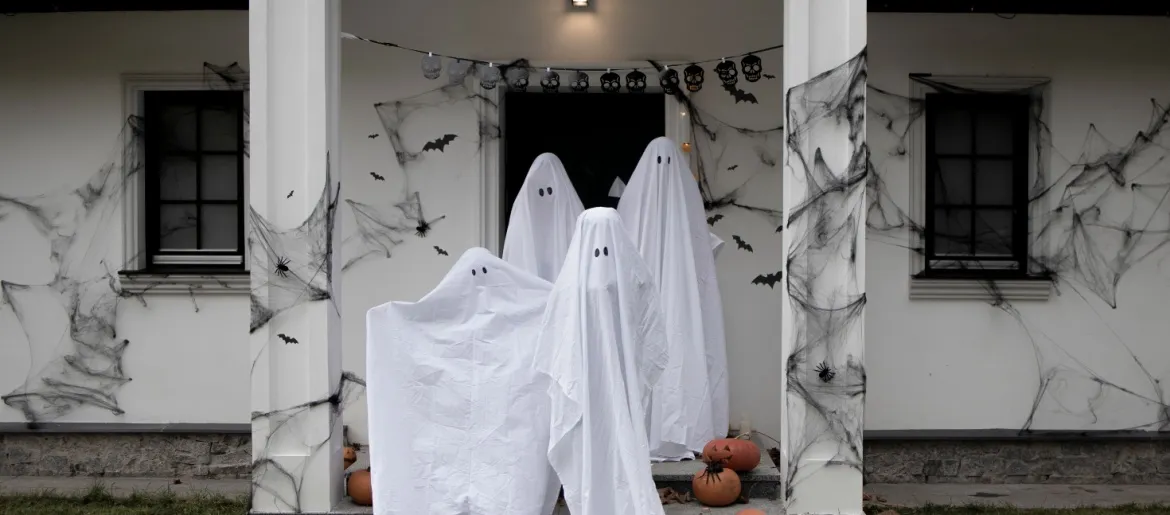
How much does Halloween really cost in 2026? Plan wisely to avoid the scare of hidden costs
Americans’ love for Halloween is almost frightening — this year alone, we are on our way to spending $13.5 billion, according to data from the National Retail Federation(opens in new tab). That breaks down to about $115 Halloween costs per person, a whopping 49% more than 10 years ago.
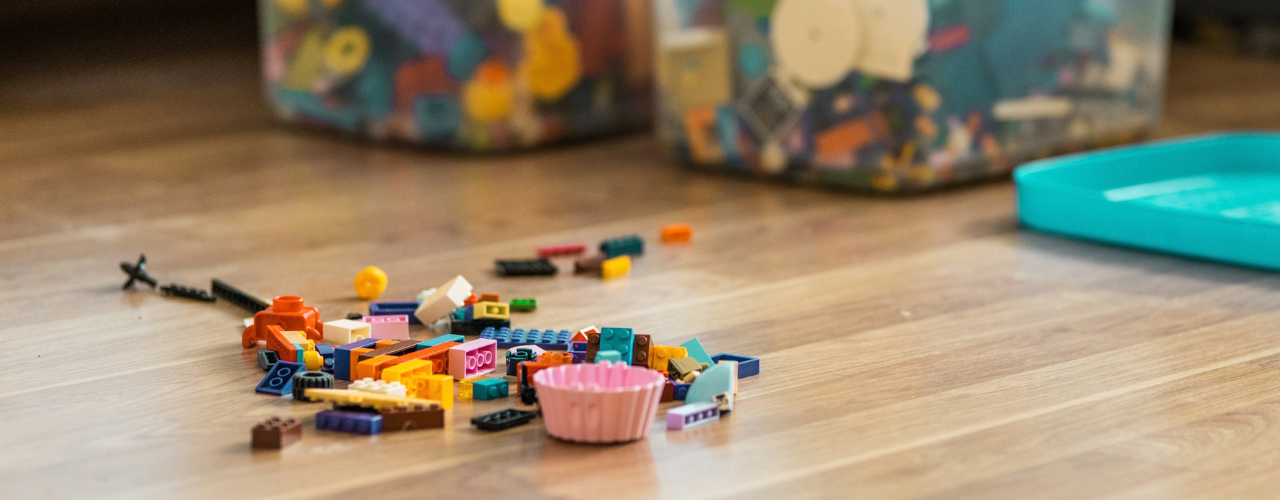
How to Store LEGOs: All the Fun, None of the Clutter
How to store LEGOs largely comes down to how your household uses them. If the bricks are part of everyday play, you need a setup that keeps them within easy reach and makes cleanup quick (for your feet’s sake, at least). Toy storage(opens in new tab) such as simple bins, playmats or containers that children can put away themselves may be enough. Larger or more serious collections usually need more organization, such as labelled drawers for loose pieces, trays for unfinished builds, shelves for completed models and separate storage for retired sets.

Cardboard Costume Guide: Tips and Ideas for a DIY Halloween
Whether for kids or adults, cardboard costume ideas often make the biggest splash once materialized, and that’s for a simple reason: doing a lot with a little is a universally impressive feat (especially in this economy). If you don’t have enough boxes you could temporarily repurpose, don’t worry! There are many places where you can find free moving boxes(opens in new tab), from stores and supermarkets to online groups and recycling drop-off spots. On the run? Try your luck at a self storage(opens in new tab) facility that sells moving supplies, often for cheap. This way, you can choose moving boxes of different shapes and sizes(opens in new tab), so you can make your costumes as complex as you want.

How to Celebrate Halloween: 9 Non-Spooky Ways To Enjoy It
As soon as October starts, it’s the official Halloween month. And while for many people it means it’s open season to get the scare of a lifetime, others, especially families with small children, might prefer to celebrate in a tamer way that’s both kid- and adult-friendly. While you’re likely to find more events where the spook factor is high, here’s how to celebrate Halloween in a not-so-scary way:

Motorcycle Storage Guide: How to Store Your Bike Safely
Motorcycles may be born to be wild, but eventually even the wild ones need somewhere to park. Whether riding season is winding down or your current living situation comes with plenty of square footage for you and less for your bike, motorcycle storage is one of those parts of ownership that doesn’t get as much airtime as the open road.

Halloween Decorating on a Budget (And Cheap Ideas for Everything Elsee)
Halloween has crept a long way from its eerie origins. While All Hallows’ Eve has transformed through the centuries, it wasn’t until the 1930s that trick-or-treating became a tradition in the U.S. and businesses began conjuring up mass-produced Halloween costumes. Now, Halloween is a monster-sized, billion-dollar industry, with a cauldron full of costumes and decorations ranging from the mainstream to the macabre. But is it all really worth your wallet? Maybe, but we’ll let you in on a little secret: You can keep your Halloween decorating on a budget and save on everything else, too. Take this plan and see it through!

Moving From a House to an Apartment: What to Expect, How to Downsize & How Self Storage Helps
For some, moving from a house to an apartment is a financial decision. For others, it’s about simplifying life. Maybe the kids have moved out and half the house sits empty, or you’re approaching retirement and no longer want to spend weekends on repairs. Or perhaps you’ve been weighing the cost of buying a home and wondering whether renting simply makes more sense right now.
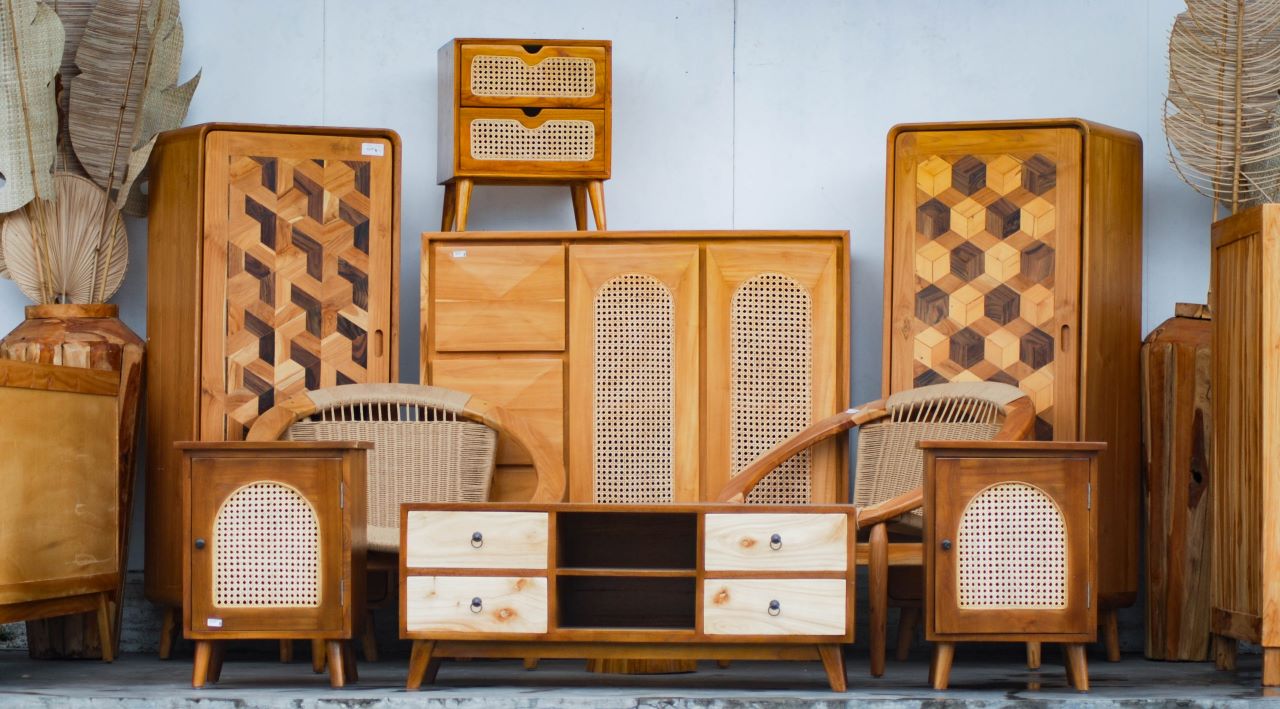
Family Heirlooms Overload: How to Handle Family Inheritance Without Regret
Handling family heirlooms after a loss requires managing legal authority, emotional pressure and practical logistics at the same time, and the order you take them on matters more than most people expect.