


Key Takeaways
- Lexington, KY, ranks as the best city for families with children, followed by Durham, NC, and Madison, WI.
- The South claims half of the top 10, while the Midwest secures four spots. Pittsburgh is the only Northeastern city to make the list.
- The share of families with children declined by 3% nationally over the past decade, but a handful of cities — including Madison and Durham — saw gains.
- Childcare costs vary dramatically, ranging from 9% of median income in Frisco, TX, to 65% in Cleveland, OH.
American families are at a crossroads. Over the past decade, the share of households with children has declined by 3% nationally, according to the U.S. Census — a trend that reflects not just delayed marriages and economic pressures, but a fundamental shift in how families think about where and how to live.
For today’s parents, choosing the best place to raise kids is a high-stakes balancing act. Strong schools and safe neighborhoods remain essential, but affordability has moved to the center of the conversation. Housing costs, childcare expenses, groceries and transportation consume a growing share of household income – often determining whether families can meet their long-term goals or simply stay afloat.
Still, the trend is not universal. Some cities are proving better equipped to support growing households, offering the infrastructure, affordability and everyday amenities families need to thrive.
To determine which cities are stepping up for families in 2026, we at StorageCafe examined the 100 largest U.S. cities through the lens of what matters most to parents today:
- Affordability — housing costs, property taxes, grocery and transportation expenses, and childcare costs for two children. We also factored in self storage costs, increasingly relevant as homes trend smaller.
- Childcare and education
- Health care and safety
- Family livability — concentration of families with children, commute times, remote work opportunities, entertainment access and more
- Climate and environment
- Transportation options and walkability
Interestingly, our findings suggest that the road to family-friendliness runs through the South.
Southern cities claim half of the top 10 best places to raise a family in 2026, signaling a broader shift toward mid-sized metros that balance affordability with everyday livability. Lexington, KY, takes the top spot, while Durham, NC, and Winston-Salem, NC, also rank high for their blend of reasonable housing costs, accessible amenities and strong community infrastructure.
Notably, Durham — alongside fellow top-10 standout Madison, WI — is among the few major metros where the share of households with children has actually increased over the past decade, bucking the broader nationwide decline.
The Midwest proves equally competitive, securing four spots in the top 10 with cities that combine stability and value. By contrast, the Northeast places just one representative — Pittsburgh, PA — among the nation’s leading family-friendly hubs.
This clustering reflects what experts describe as a shift toward “human-centered planning” — cities that prioritize parks, safe public spaces, recreational access and family-oriented infrastructure. According to Dr. Muhammad Hassan Raza, professor at Missouri State University, family-friendly cities are those that invest in environments that support both the physical and mental development of children.
“Families can balance affordability with access to strong schools, jobs and health resources by widening their search beyond major urban centers to include suburbs, small cities and emerging mid-sized metros,” says Dr. Raza. “The goal should be to find cities and neighborhoods where high-quality and culturally responsive schooling functions well, and where transportation systems work — especially for low-income families.”
In 2026, the cities leading the pack aren’t necessarily the largest or flashiest — but they are the ones making it easier for families to build stable, sustainable lives.
Top 10 cities for families with children
Here’s the breakdown of the cities that are making it easier to raise kids in 2026 – even as housing costs, childcare expenses and everyday necessities continue to climb.
1. Lexington, KY
In Lexington, raising kids doesn’t feel like a constant financial juggling act — and that’s a big reason it takes the No. 1 spot.
Housing here leaves families breathing room. The average home costs around $307,000 for a three-bedroom home, with mortgage payments taking up just 18% of median income. Renting isn’t a stretch either, with typical monthly rent accounting for about 22% of household income — comfortably below the 30% affordability benchmark. In a time when many parents feel squeezed by housing costs, Lexington offers something increasingly rare: balance.
That breathing room extends beyond the front door. Grocery bills for a family with two children run about $12,000 per year — among the lowest in the top 10 — helping everyday essentials stay manageable.
When it comes to health and peace of mind, Lexington truly stands out. The city boasts nearly 20 pediatricians per 10,000 children, one of the best ratios in our ranking. That means shorter waits, easier appointments and accessible care when it matters most.
Childcare, one of the biggest pressure points for modern families, costs roughly $17,000 annually for two children — about 17% of median household income — below the average among top-ranked cities. And once kids reach school age, families have access to some of the state’s strongest public schools, with nearly 20 per 10,000 students. Education is clearly valued here: more than half of Lexington residents hold a bachelor’s degree, well above the national average.
Beyond the numbers, Lexington offers the kind of everyday livability parents look for. With 152 acres of parkland per 10,000 residents and an air quality index of 40, outdoor play isn’t limited to weekends. Spots like Jacobson Park and Shillito Park give families space to roam, picnic and unwind. Add in a lively mix of local restaurants and recreational facilities, and it’s easy to see why families aren’t just settling here — they’re putting down roots.
In Lexington, affordability, access and quality of life don’t compete — they work together.
2. Durham, NC
In Durham, family life unfolds against the backdrop of innovation and opportunity. With Duke University and a thriving tech scene anchoring the local economy, parents here benefit from strong, flexible careers — more than 20% of residents work remotely, well above the national average of 13%. That flexibility shows up where it matters most: at school pickups, pediatric appointments and weeknight dinners around the table. Two-earner households bring in nearly $123,000 a year, among the highest incomes in the top-performing cities.
That income stretches comfortably. Housing typically takes up just 18% of a family’s budget, leaving room for the extras that make childhood memorable. Childcare for two children averages about $17,000 annually — roughly 14% of income and one of the lowest shares nationwide.
Families aren’t an afterthought here; they’re part of the fabric of the city. Just over a quarter of Durham households include children, and unlike most of the country, that share has inched up over the past decade, one of the six cities to see an increase. Health care is another steady reassurance. With close to 25 pediatricians per 10,000 children and nationally recognized institutions like Duke Health nearby, parents have access to top-tier care. Even family health premiums, at around $23,000 annually, remain comparatively manageable.

Culberson Asiatic Arboretum, Durham, NC
3. Madison, WI
Madison blends lakeside beauty with big-league opportunity. As both a college town and state capital, it hums with energy — and families are right in the mix, making up 23% of households. It’s also one of the few top cities where the share of households with children has grown over the past decade.
Financially, Madison families stand on solid ground. Two working parents bring home more than $125,000 annually — the highest among the top 10 — while unemployment sits at just 2.3%, nearly half the national average. Childcare for two children is pricey at nearly $27,000 a year, but higher incomes help balance the scale, with costs representing about 21% of earnings.
What parents get in return is choice and quality. There are 92 childcare facilities and nearly 23 public schools per 10,000 children, supported by a low 12.7 student-teacher ratio — a key reason Madison’s schools are often ranked among Wisconsin’s best. Beyond the classroom, 254 acres of parkland per 10,000 residents mean weekends can unfold at Tenney Park, Elver Park, or Warner Park, with pickleball courts, skate parks, and community gardens rounding out family time outdoors. Add in low crime and limited exposure to natural hazards, and the setting feels as secure as it is scenic.
4. Winston-Salem, NC
Winston-Salem has quietly become one of North Carolina’s most appealing landing spots for young families. Affordability leads the story: Whether renting or buying, housing typically consumes less than 23% of household income. Groceries and transportation costs remain reasonable, helping everyday expenses feel lighter.
Childcare for two children averages about $13,000 annually — one of the lowest totals in the country — accounting for just 16% of family income. Health care premiums hover just above $23,000 a year, keeping another major expense in check.
And then there’s time — the resource parents value most. Average commutes clock in at around 20 minutes, well below the national average of 27, giving families more shared mornings and unhurried evenings. Nearly 150 acres of parks per 10,000 residents, spread across 82 parks and two lakes, offer easy access to fresh air, from downtown’s Bailey Park to neighborhood green spaces.
5. St. Louis, MO
In St. Louis, affordability and abundance go hand in hand. Rents average $1,650 per month, home prices hover near $251,000 (three-bedroom homes), and property taxes run about $2,200 annually — roughly $1,000 below the national norm. Combined grocery and transportation costs total about $28,000 a year, among the lowest in the country.
For parents of young children, options are plentiful. The city offers 119 childcare providers per 10,000 children — far above the national average of 84 — providing families with greater flexibility and availability. Once kids reach school age, there are nearly 29.4 public schools per 10,000 students, paired with a low student-teacher ratio of around 13.
Health care access stands out nationally, with more than 50 pediatricians per 10,000 children — the second-highest ratio in the country — supported by institutions like Barnes-Jewish Hospital. And when it’s time to step away from schedules and homework, families can explore nearly 70 restaurants, cultural venues, and sports facilities per 10,000 residents, including the renowned zoo, the City Museum, and a network of parks.
6. Richmond, VA
Richmond feels like a city on the rise — historic streets meeting new energy in its growing health care and biotech sectors. That momentum has translated into opportunity for families putting down roots.
Parents can choose from roughly 109 childcare providers per 10,000 children, with annual costs for two children averaging about $19,000, or 25% of household income. Educational support remains steady, with close to 20 public schools per 10,000 students and a student-teacher ratio of 13.8.
Access to care is another bright spot. With 21.6 pediatricians per 10,000 children and VCU Medical Center, the system’s anchor hospital, the state’s second-largest, families have strong medical support. Meanwhile, average commute times of 23 minutes leave space in the day for family dinners or evening walks. Dining spots, museums, and performance venues — about 46 per 10,000 residents — round out Richmond’s family-friendly rhythm.
7. Omaha, NE
Omaha offers something many families crave: steadiness. Unemployment sits at just 3.3%, supported by established Fortune 500 and 1000 companies across sectors such as real estate tech and health care. Commutes average only 20 minutes, among the shortest nationwide.
Housing remains within reach, and for families adapting to growing households, self storage averages $97 per month — a practical add-on as homes evolve. Childcare for two children runs about $22,000 annually, or 23% of household income, and 92 centers per 10,000 children provide solid availability. Families are a visible presence here, too — 26% of households include two children.
8. Pittsburgh, PA
Pittsburgh’s reinvention as a tech and medical hub has created fertile ground for families. With the average three-bedroom home averaging around $229,000 — roughly $100,000 below the national average — ownership feels attainable. Property taxes average about $1,740 annually, among the lowest in the country.
Education remains a pillar. The city offers nearly 21 public schools per 10,000 students and maintains a low student-teacher ratio of 12.6. Universities like Carnegie Mellon and the University of Pittsburgh help cultivate a highly educated population, with 53% of adults holding a bachelor’s degree. About 18% of workers operate remotely, adding flexibility to family routines.
To recharge batteries, Pittsburgh is home to more than 64 restaurants, performing arts venues, and spectator sports venues per 10K residents, offering plenty of family-friendly entertainment. For quiet days, families can also spend a day indoors or outdoors at the Phips Conservatory, the local botanical garden.

Phipps Conservatory and Botanical Gardens, Pittsburgh, PA
Well-connected transit and walkable neighborhoods make Pittsburgh one of the most car-optional cities in the country, and its relative shelter from extreme weather adds another layer of reassurance for families planning long-term.
9. Atlanta, GA
Atlanta delivers big-city opportunity with room for family life to flourish. As the only top-10 city with more than 500,000 residents, it combines scale with flexibility — 26% of workers operate remotely. Families earn more than $120,000 annually on average, helping offset higher home prices. For growing households, Atlanta self storage averages about $147 per month, a practical solution for life’s accumulating belongings, especially for families with children.
Childcare stands out for its affordability: Around $15,000 annually for two children — just 13% of household income — ranks among the lowest shares nationwide. Parents can choose from 103 childcare centers, while a 13.3 student-teacher ratio supports strong classroom attention. An impressive 62% of adults hold bachelor’s degrees, underscoring the city’s educated workforce.
When it’s time to unplug, Atlanta’s 132 acres of parks per 10,000 residents — along with the 22-mile Beltline — provide green escapes woven into daily life. Nearly 75 restaurants, galleries, and performance venues per 10,000 residents ensure that culture and community are always close at hand.
10. Lincoln, NE
Lincoln rounds out the list with a reassuring blend of stability and affordability. With unemployment at just 2.7%, the job market is among the strongest in the country. Families typically earn close to $96,000 annually, while home prices are around $285,000 and rents are near $1,660, keeping housing accessible.
Childcare for two children averages about $22,000 a year, or 23% of income, supported by 117 childcare centers per 10,000 children. As kids grow, families can tap into more than 19 public schools per 10,000 students.
Commutes average just 19.2 minutes, giving parents a head start on family time. Outdoor life is easy to find, with tennis courts, playgrounds, basketball hoops, and other amenities creating everyday opportunities for children to run, play, and explore.
Childcare affordability gap: Texas families pay 9%, Ohio families pay 65%
For budget-minded households, childcare deserves a closer look.
While national averages show that families spend between 8% and 19% of their income per child on paid care, the reality varies dramatically by location. For families with two children — the most common household type — that share ranges from just 9% of median income in Frisco, TX, to a staggering 65% in Cleveland, OH.
That gap can influence nearly every major financial decision — whether both parents remain in the workforce, how much can be saved each month, or when homeownership becomes realistic.
To illustrate the breadth of the divide, the table below ranks cities by annual childcare costs and the share of median household income spent on childcare for two children.
Self storage helps families create space without changing addresses
Another factor worth considering is space — and how well it adapts to a family’s changing needs.
For many parents, square footage starts to shrink the moment kids arrive. Toys take over living rooms, sports gear fills garages, and closets overflow with clothes that won’t fit next season. But in today’s housing market, upgrading to a larger home often means taking on a significantly higher monthly payment.
That’s why self storage is increasingly becoming a quiet ally for growing families. Rather than moving, households are using storage units as flexible extensions of their homes — a way to stay organized without stretching their budgets.
In many cities, that flexibility is affordable. Monthly storage rents average $86 in Memphis and $88 in Oklahoma City, with similarly accessible pricing in Greensboro ($95), Omaha ($97), and Cincinnati ($100). In higher-cost markets, however, the gap widens sharply: rates climb to $294 in Honolulu, followed by Arlington, VA ($256), Los Angeles ($247), and San Francisco ($243).
The chart below ranks cities by average self-storage rents, highlighting where families can gain breathing room — without upgrading their mortgage.
Self Storage Costs Across the Top Largest 100 U.S. Cities
*Rates reflect all unit sizes.Source: StorageCafe analysis of Yardi Matrix data (Data as of Oct. 2025 | Pub: Feb. 2025)
What the experts are saying
Choosing the best place to live as a family deserves careful thought, and examining the decision from every angle is essential. To provide a well-rounded perspective, we also consulted experts in family science, psychology and living space organization to better understand what truly matters before making such an important choice.
Tovah P. Klein, Ph.D.
USA Today Bestseller: Raising Resilience: How to help our children thrive in times of uncertainty (HarperCollins) & National Bestseller: How Toddlers Thrive (Simon & Schuster)
What defines a truly great city for raising a family in today’s world?
A truly great city provides a strong education for children, offering a range of educational choices. These options should begin in the early years with early childhood or preschool programs and continue through high school graduation. A robust public school system should include creative options, such as the arts (music, visual arts, drama), and deliver strong educational outcomes for a diverse range of learners, including students learning English.
A diversity of incomes and backgrounds contributes to building the most robust communities.
A robust child care system for working parents is essential, ideally offering options ranging from family day care to on-site child care at businesses and highly rated child care centers. Early care should be play-based and nurturing.A great city offers communal spaces where children and families can meet, play, and grow, including public libraries with programming, shared parks, and outdoor spaces such as playgrounds, community pools, and water areas. In places with natural resources, these may include trails and hiking areas. Communal spaces also encompass community centers and athletic facilities for all ages. The ability to walk, bike, or take a short drive to affordable restaurants and other gathering places further strengthens community bonds.
Affordability is essential, beginning with a range of housing options. Family-friendly cities offer a range of housing options, from apartments to townhouses, condominiums, and single-family homes. When families are not financially stretched and have access to community and safe spaces for children to play, they are better able to save for college or other educational and extracurricular activities. A variety of housing options allows families to grow and move as their careers advance and incomes increase.
Finally, considering the type of climate your family can manage is an important factor. Some cities experience extreme heat, while others are very cold in the winter. Certain regions are hurricane- or flood-prone; others may be dry or susceptible to drought. It is important to evaluate both your family’s preferences and the community’s resources to address these climatic challenges. For example, in areas with extreme heat, seek out communal water playgrounds and swimming pools. In colder climates, explore indoor programming for children, such as ice rinks and athletic facilities.
In summary, the environment beyond the family plays a crucial role in a child’s development. The best cities offer a range of options to build community and support families as they grow.
Kathy Hirsh-Pasek
Professor, College of Liberal Arts, Temple University
What defines a truly great city for raising a family in today’s world?
The first criterion is that it is a safe place so that when children step out of their home, they are not in any danger. Then we want areas where kids and families can convene — parks, green spaces, clean air and beauty (art). In my perfect world, we would also include architecture that is inviting, creating a kind of new public square where people can talk and play together. In our playful learning landscapes work (Playfullearninglandscapes.com), we build cognitive and social capital right into the built environment in a beautiful way. The science built in offers families an opportunity to convene and do something while waiting in public spaces like bus stops or waiting rooms.
How can families balance affordability with access to strong schools, jobs, and health resources when choosing where to settle?
It’s very difficult today, so I think we really need to consider how to use the public funds that are already available to build up neighborhoods. And the neighbors and communities must be consulted in that process and be a part of building their own homes. You talk about families that have the choice about where to settle. But many families don’t have that choice, and they too deserve to be in vibrant communities so their kids have an opportunity to thrive.
What emerging trends do you see shaping the most family-friendly cities over the next 5–10 years?
Cities are hubs of creativity and innovation. They are places where ideas collide, and this happens because of the density of people working together. We need tech-free zones so that our cities are about people again.
Playful Learning Landscapes also offers a new model — now in 31 cities across 13 countries around the world — that beautifies cities and makes them more engaging for families, so there is something to do rather than just look at the phone. Imagine a trend (happening) in which we create the next version of the public park—an intergenerational space where people engage together so that ideas emerge and collide in vibrant ways.
Armon R. Perry, Ph.D., MSW
Professor and BSW Program Director, Raymond A. Kent, School of Social Work & Family Science, University of Louisville
What defines a truly great city for raising a family in today’s world?
In contemporary society, families are facing important decisions regarding where they settle and put down roots. Myriad factors influence these decisions, including traditional factors such as affordability, the availability of quality schools, and access to recreational, entertainment, and wellness amenities. However, given the current landscape across the country, family values will likely take on even greater importance. Public policy decisions from state to state will continue to create drastically different climates and cultures, so families will certainly include this in their list of pros and cons with a goal of positioning themselves in places that align with their beliefs about what is good and right. As this happens, there may be shifts that change demographics for years to come.
Muhammad Hassan Raza
Professor at Missouri State University & author of “Two Souls One Reflection: An Expression of Love, Intimacy, and Affection in Romantic Relationships” and “The Multilevel Community Engagement Model: School, Community, Workplace Engagement and Service-Learning”
What defines a truly great city for raising a family in today’s world?
A truly great city for raising a family today is one that provides safety, affordability, and sufficient opportunities for families and children to grow and develop over time. That city should foster a strong sense of community through reliable public service, equitable and high-quality schooling, accessible healthcare, and recreational facilities. That city should provide diverse and inclusive neighborhoods, supportive transportation, and affordable housing. A culture of coordination, support, and connection should be created that values and respects people and their needs, and provides all families and children with equal opportunities to grow, develop, and prosper.
Specific to children, the city should create a supportive and friendly environment that helps parents to effectively nurture and raise their children with a sense of safety, belonging, and social support. All children should have opportunities to explore and discover their environments, regardless of gender, ethnicity, and socioeconomic status should and they should feel welcomed and valued in doing so. Public authorities should organize and offer community events, cultural activities, and celebrate rituals that promote connections between children and families. Diversity should be seen as a strength, and policies and programs should be developed and offered to support all types of family structures. Specific initiatives should be implemented to reduce parents’ stress in raising their children. Such a city ensures that human development is its priority and that a safe, healthy environment with equal opportunities is the key to supporting diverse contemporary families and children.
How can families balance affordability with access to strong schools, jobs, and health resources when choosing where to settle?
Families can balance affordability with access to strong schools, jobs, and health resources by widening their search beyond major urban centers to include suburbs, small cities, and emerging mid-sized metros that are well connected, where housing costs are lower but these services remain strong. The goal should be to find cities and neighborhoods where high-quality, culturally responsive schooling is available and functions well, and where transportation works well, specifically for low-income families.
Jobs are available for all professionals, with sufficient pay to help families live a high-quality life and raise their children with reduced stress. Additional incentives should be provided to parents with young children. Additionally, health care should be accessible and affordable for low-income families. The health care environment, professionals, and staff should be well-trained to effectively work with multicultural families and children.Finally, additional research is also essential for families to identify an ideal city for themselves. For instance, data on specific school performance at the district rather than city level, commute times for specific employers, and local health facility ratings, which may help these families better assess these services according to their needs. Families can also visit in person to check specific schools, public transportation routes, health facilities, and employers before deciding to reside in a city. Families can also consult with other families, friends, and non-governmental organizations to make an informed decision. Hence, families need to take multiple measures to find a good balance between affordability and access to strong schools, jobs, and health resources when choosing where they would like to reside.
What emerging trends do you see shaping the most family-friendly cities over the next 5–10 years?
Cities are focusing on human-centered planning and initiatives. For instance, through policies and programs, cities are expanding recreational sites, safe public spaces, and nature-based infrastructure to create an environment that supports the physical and mental growth of children and families. Moreover, cities are creating smart health communities to build connected healthcare ecosystems that focus on prevention, early intervention, and digital technologies to keep families healthy and improve their well-being. The goal is to facilitate families and children and reduce their barriers to accessing health care services. Additionally, fifteen-minute city planning is also an essential step that local public authorities take to ensure that schools, childcare, groceries, parks, and healthcare are within a short walk or bike ride, making everyday family routines easier and reducing dependence on long, stressful commutes.
Likewise, additional initiatives, such as more walkable streets, safer, clearer, and digitally coordinated infrastructure, creating calmer and healthier environments by reducing noise and increasing access to nature and keeping housing and childcare cost manageable and affordable, which are crucial to help families and children grow and develop and enjoy a quality and successful life in that city and neighborhood where they choose to reside.
Lucy Milligan Wahl
Founder, LMW Edits LLC
How can families make the most of limited space when raising children in cities with smaller homes?
I work with lots of young families, and my biggest piece of advice is conceptual: do not try to fit a 4-bedroom suburban house with a yard and 2-car garage into a small-city apartment or condo. You will end up doing a suboptimal version of everything you really want and feel terrible about it. Instead, zoom out and think about the goals you have for your family’s life and how you can use the assets of your space to help rather than hinder you. For example, if you assume you need a laundry room in order to keep on top of laundry, you’ll always be behind on laundry and hate it. But if instead you think about how often you have the capacity to do laundry, who in your home can help with that, and what systems would support that, you can create something beautiful and low lift. (Hint: you have less room for clothes anyway… so do small loads more frequently, have everyone over age 8 responsible for their own laundry, and use either rolling (if you don’t have stairs) or lightweight (if you do) laundry bins to make the whole thing easier.)
What design or organization choices help homes stay functional and clutter-free as families grow?
The best way to stay clutter-free is to have a known home for everything you own. Where there are unknowns, there is clutter. This means being intentional as children grow up and need change. Instead of continuing to shove all the toys into bins, declutter them regularly and make sure the ones currently being played with have designated homes.
What common space-related mistakes do you see families make — and how can they be avoided?
The number one mistake families make is having too much stuff. Excess stuff makes literally everything harder, from errands to food prep to homework. And our baseline for what is too much tends to be way off. For example, young children probably play with about 10 toys at any one time. You, like many of my clients, probably own 50-100 toys, and all those 40-90 extra toys are doing is getting in the way of your peace, your space, and your time. A willingness to truly cut back can open up incredible space for connection and fend off clutter at the same time!
Cathy Orr
Co-founder, The Uncluttered Life
How can families make the most of limited space when raising children in cities with smaller homes?
Families can make the most of limited space when raising children in cities with smaller homes by decluttering and accumulating less. So often, much of what we accumulate needs a home (storage), which means sacrificing space for other things. Think “less is more” in these circumstances. Also, remember that children grow quickly, so you may only need one or two pairs of shoes instead of six or eight. Be realistic about what you really need. And, follow the one in, one out rule to keep material possessions limited.
What design or organization choices help homes stay functional and clutter-free as families grow?
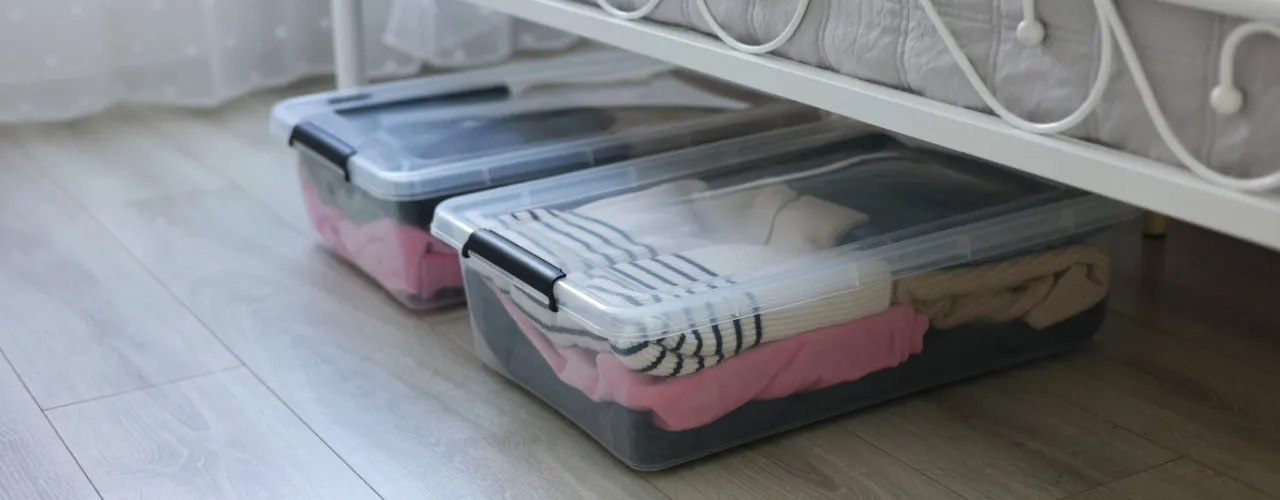
Organization choices determine what you do and do not save. In smaller homes, you need to be selective about what you keep. For that reason, know your best storage options. Perhaps in smaller homes, a good option is vertical storage over or behind the door. That means it will not take up any floor space. Look for under-bed storage if that’s an option. It can hold seasonal clothing that changes with the weather, getting warm or cold. Think stacking bins for toys that keep a limited profile on the floor but can hold different types of toys. Anything that can do double duty is a great choice.
What common space-related mistakes do you see families make — and how can they be avoided?
Declutter before you organize. Always try to get rid of as much as possible before trying to contain it. If you organize before you declutter, you’re just moving things around without letting go. Having more to organize snowballs in itself. At the very least, make sure you do a donation run quarterly. There are always things that we can donate to others. Try not to overbuy in bulk so you don’t need to store back stock when you have limited space.
Gargi Joglekar
Creative Interior Designer, Modern Design Homes
How can families make the most of limited space when raising children in cities with smaller homes?
Living in a smaller home doesn’t mean sacrificing comfort or beauty! It just requires a little more intentional approach. I always encourage families to think in terms of flexibility. Spaces should work harder and evolve as children grow. Home furniture like sofas, an ottoman with storage underneath, and a built-in with lotta shelves or cabinets that accommodate a lot of things. So I think thoughtful storage solutions can completely change the look and feel of a small home. It is just as important to keep the space organized, but to also get rid of the stuff that the family members don’t use, because at the end of the day, it truly supports your Organized lifestyle.
What design or organization choices help homes stay functional and clutter-free as families grow?
The most successful homes plan for growth from the very beginning. Closed storage is key, allowing families to live fully without feeling visually overwhelmed. I’m also a big believer in creating designated zones, such as a clear space for homework (a desk with appropriate lighting), a play area, and a relaxation area, and in creating smart storage systems that help everyone know where things belong. Choosing durable materials and finishes. Ensure the home can transition from toddlerhood to teenage years without constant redesign. When an organization is built into the design, it becomes effortless to maintain.
What common space-related mistakes do you see families make — and how can they be avoided?
One of the biggest mistakes I see is designing only for the present moment. Families often underestimate how quickly children grow and how their needs change. Another common issue is prioritizing furniture, scale, and quantity, leading to overflow. Too many oversized pieces can make a home feel cramped and chaotic. These challenges can be avoided by stepping back and designing with a long-term lens, focusing on the home’s proportions and flow. Space planning is key. Working with a designer at an early stage helps a family make smarter decisions that prevent costly changes down the line and allow the home to truly support their daily life.
Joyce Huston
Director of Procurement, Decorilla
How can families make the most of limited space when raising children in cities with smaller homes?
I’ve raised two toddlers in both a large suburban home and a tiny apartment in the heart of a big city, and the lesson is always the same: small spaces work when you design by function, not by “rooms.” In NYC, I’ve spent over a decade helping families make limited square footage feel livable. I encourage families to design for how they actually live, not how a space is “supposed” to be used. A dining table can also be a homework station. A hallway might need built-in storage. Kids don’t need massive playrooms. They need accessible areas where toys can be put away or hidden easily.
What design or organization choices help homes stay functional and clutter-free as families grow?
Open shelving looks great in photos, but typically not worth the stress! Don’t underestimate how difficult it is to keep them looking organized. Closed storage reduces visual noise and provides families with privacy. The second is planning for change. Kids outgrow toys, clothes, and needs quickly, so storage should be adjustable and easy to reassign. The best homes aren’t perfectly organized. They’re resilient. When life changes, the house can change with it instead of becoming chaotic.
What common space-related mistakes do you see families make, and how can they be avoided?
The biggest mistake is underestimating how much stuff children generate and overestimating how disciplined a household will be. If a system only works when everyone is perfectly organized, it’s going to fail. Another common issue is buying furniture that fits the room but not the lifestyle. Pieces that look nice but don’t store anything, or layouts that prioritize symmetry over usability. Homes should support daily life, not fight it. My advice is always the same: design for reality. If something doesn’t have a clear place to land, it will end up everywhere.
Barbara Brock
Staging and Product Design, barbarabrock.com
How can families make the most of limited space when raising children in cities with smaller homes?
THE most important part of raising children in smaller homes is to have a “pre-school approach” to living. In other words, have a storage container or cubby for each item – clothing, toys, games, books, etc. There are many items which can be attached to walls – shelves, hooks, bins, which add to functionality, fun and organization. I believe in teaching children, making it fun to put away their things. Also, when they outgrow a stuffed animal, game, or toy, teach them that another child will want their discarded item – makes it easier to edit out unused items.
What design or organization choices help homes stay functional and clutter-free as families grow?
Everyone in the household needs to know where things belong. I’m big on labeling drawers, shelves, and inside or outside of closets. Once everyone gets used to putting things back in their designated place, labels can be removed. A clean, functional house means people know where things go. I’m also a big fan of having a “clothes chair” in a bedroom. We don’t always have the time or inclination to put things away daily, but we also don’t want to drop clothes on the floor — not only for cleanliness, but also for visual reasons. So if you can identify a chair, stool, or counter to throw clothes on during the week, it will help keep the bedroom (or any space) contained.
What common space-related mistakes do you see families make — and how can they be avoided?
I see that people buy, buy, buy items they already have. This is a common mistake because people don’t designate a place for household items. For example: cleaning supplies—how many bottles of washing liquid do you need? If there is a designated place for items, it’s easier to take inventory and keep up with what you need.
Audra George
Professional Organizer/Owner, Pretty Neat
How can families make the most of limited space when raising children in cities with smaller homes?
Smaller homes can be a challenge when raising a growing family- here are some things to consider. Think up, not just out. Using vertical space by implementing shelving, bunk beds, bookshelves, and furniture with storage underneath can help to gain extra storage space as needed. Also think multi-purpose: beds with drawers instead of dressers, sofa beds or murphy beds that fold up out of the way, and cabinets and ottomans for storage features. Another thing you might consider is rotating out-of-season items to storage or to higher shelves, as well as a general toy rotation for the kids. This allows fewer items to be out in the usable space, with more room to move and live.
What design or organization choices help homes stay functional and clutter-free as families grow?
Design or organization choices should always lean towards extra storage and functionality. Also, before buying, consider where a piece of furniture will go. Do you have the room to put it in your home once it’s purchased? Go towards, as mentioned above, beds, cabinets, and ottomans that can create extra storage space.
What common space-related mistakes do you see families make — and how can they be avoided?
The most common space-related mistakes we see are families not measuring and considering the size of a couch or storage cabinet that will actually fit in their space. Many times, they buy a piece that is too big or too small. Go into the store well-informed about what will fit, your goals, and your overall needs before you make a purchase. This will save you a lot of trouble in the long run, and you will have a piece that looks good in your space and is functional, too.
Sophia deDomenico
Founder & Principal Interior Designer, Et Sal Interiors
How can families make the most of limited space when raising children in cities with smaller homes?
The first thing I tell families is this: Stop trying to make your home look like a magazine spread where no one actually lives. City living with children requires honesty. Smaller homes don’t leave room for fantasy and, in my opinion, that’s actually a gift. When space is tight, every square foot needs a purpose. That doesn’t mean your home can’t be beautiful. It just means beauty has to be intensely planned to work harder.
I always encourage families to think in terms of zones instead of rooms. Even in a compact living area, you can create a reading corner, a homework surface, a concealed toy drawer, and a real drop zone for backpacks, because, if we are honest, every human needs a drop zone. Kids don’t necessarily need more square footage; they need clear boundaries and defined spaces.
The bigger shift, though, is mindset. Small-space living forces you to get real about what you actually need. You can’t keep everything “just in case.” You can’t design around a version of your life that may never come to pass. And you can’t hold onto items purely because of quiet guilt or unspoken expectations. You have to ask yourself honestly, “Do I really love Grandma’s armoire or have I been holding on to it because Mom will be disappointed if I get rid of it?” I see so many families storing inherited pieces or duplicates of things they never use because it feels wrong to let them go. But in a smaller home, emotional clutter is still clutter. If something doesn’t serve your daily life or genuinely bring you joy, it’s occupying space that could be used for something that does. Restraint is not deprivation. It’s clarity.
What design or organization choices help homes stay functional and clutter-free as families grow?
Design for where your family is headed, not just where you are today. It reminds me of the forest-for-the-trees metaphor. For example, yes, your kids may have a bunch of toys today, but will a handful of low storage box cabinets be hard to reach as they get taller and unadaptable for what they will need to store when they are in middle school? The family with toddlers today will have middle schoolers in what, looking back, will feel like five minutes. If you design only for the current phase, you’ll outgrow the space quickly.
The most effective homes have strong, built-in storage. Closed storage is your best friend. Open shelving is beautiful in photos, but in real life, it requires a level of discipline most families don’t have time for. Deep drawers are far more functional than standard cabinets. You see what you have. Things don’t get buried. Built-ins are better than freestanding pieces because they reduce visual noise. We need a balance of all of it to effectively plan a beautiful space that will grow with you.
And the entry matters more than people realize. If your entry isn’t designed to absorb backpacks, shoes, sports gear, mail, the grocery run, and the endless stream of water bottles, then the rest of your house will always feel messy. But again, no amount of cabinetry can compensate for overaccumulation. Organization is not about buying more baskets. It’s about making decisions. It’s about choosing what stays and what goes. A home that feels calm is usually a home where someone made intentional choices.
What common space-related mistakes do you see families make — and how can they be avoided?
The biggest mistake I see isn’t choosing beauty over function. It’s separating them. Families tend to think they have to choose, either the house looks beautiful or it works for real life. That’s simply not true. The best family homes hold both. They are calm, layered, and visually refined, and they function effortlessly on a chaotic Tuesday morning.
Where things go wrong is usually in two areas.
First: keeping too much stuff.
Families today hold onto an extraordinary amount of stuff. Duplicate kitchen tools. Bins of outdated toys. Decor they don’t love but feel obligated to keep. 7 pairs of shoes per kid. Hand-me-downs for the what-if future. Repurposed furniture from an old home that was never actually right for their current space. When you’re constantly expanding what you own without editing what you keep, no amount of design or storage solutions can compensate.Second: designing without restraint.
Too many small furniture storage pieces. Too many visual focal points. Too many “solutions” that create more visual noise. A room can be functional and still feel chaotic if it lacks cohesion and breathing room. A well-designed family home is edited. Not sterile, edited. There’s personality. There’s warmth. There are meaningful objects. But everything has intention. Beauty matters just as much as function. In fact, beauty is part of function. When a home feels visually calm and considered, your nervous system responds. You think more clearly. You move more easily. You’re not constantly overstimulated by clutter.Avoiding space-related mistakes really comes down to this:
1. Be honest about what you truly use.
2. Be disciplined about what you keep.
3. Make purging a habit, not just a once-in-a-while thing.
4. And insist that your home be both beautiful and practical, not one at the expense of the other.
That balance is where good design lives.
Lori Dennis
Interior designer, loridennis.com
How can families make the most of limited space in smaller city homes?
Think flexible, not bigger. Every piece should work overtime — storage beds, banquettes with drawers, wall-mounted desks. Vertical space is your best friend, and clear sightlines make everything feel calmer and larger.
What design or organization choices keep homes functional and clutter-free as families grow?
Closed storage is the secret sauce. Kids come with stuff — hide it beautifully. Built-ins, baskets that actually fit shelves, and a simple “one in, one out” rule keep chaos from creeping in. Also: zones. Even tiny homes need clear purpose.
What common space mistakes do you see — and how can they be avoided?
Oversized furniture and too much “temporary” storage. Small homes can’t afford either. Buy the right scale from the start and edit often. If you wouldn’t display it, don’t let it live in the open.
Small spaces can be chic, calm, and kid-friendly, I promise!
Conclusion
As families with children have been declining, the cities that rise to the top are those that actively support family life by combining affordability, access to education, safety and a plethora of family-friendly amenities. Southern and Midwestern cities, in particular, are proving that family-friendly living doesn’t have to come at an outsized cost. By offering attainable housing, manageable childcare expenses, shorter commutes and ample recreational opportunities, these places excel at providing the ideal environment where families can put down roots and thrive.
Check out how families with children are faring across the 100 largest U.S. cities:
Methodology
This analysis was conducted by StorageCafe, an online platform that provides nationwide listings of storage units.
For this report, we analyzed the 100 most populous cities in the U.S. and ranked them by family-friendliness. The final ranking reflects a 1-100 score, resulting from a weighted average score based on the metrics presented below:
We included cities for which we had data, and in some cases, we used county-level data when city-level data was missing.
The data on self storage rates, conversions, facilities located in opportunity zones, types of buildings converted, under construction self storage conversions and other self storage-related data for this analysis comes from Yardi Matrix, StorageCafe’s sister division, which offers a business development and asset management tool used by brokers, sponsors, banks, and equity sources for underwriting investments in the multifamily, office, industrial, and self storage sectors.
Fair use and distribution
This study serves as a resource for the general public on issues of common interest and should not be regarded as investment advice. The data is true to the best of our knowledge, but may change if amendments to it are made. We agree to the distribution of this content, but we do require a mention in return for attribution purposes.

Under-Bed Storage Ideas: From Options to Precautions
The space under your bed is some of the most valuable (and most overlooked) square footage in your home. For anyone needing more storage in a small apartment, tiny home, a student dorm or just a space shared with roommates, that low, hidden zone can absorb off-season clothes, spare bedding and luggage without cluttering a single visible surface. But under-bed storage rewards a little strategy. Used well, it clears your floors and frees your closets. Used carelessly, it can trap moisture against your mattress and, in time, damage the very things you were trying to protect. Here are some under-bed storage ideas to help you get the upside without the downside.

RV Storage Ideas: Smart Solutions for Every Space
The best RV storage ideas work by finding space you already have but aren’t using — under beds, inside cabinet doors, on walls, above entry steps and in the overhead bunk. Most RV owners run out of obvious places quickly, but the real storage capacity in a typical trailer or motorhome comes from vertical surfaces, divided compartments and rethinking what each space was designed for.

Kitchen Cabinet Organization Ideas for Less Chaos
The best way to organize kitchen cabinets is to store items where you actually use them: mugs near the coffee maker, plates close to the dishwasher, spices next to the stove. Small placement decisions like these turn crowded cabinets into functional ones, and they cost nothing to implement.

Where to Donate Clothes in NYC: From Pickup to Mutual Aid
Every year, 200,000 tons of clothing end up in NYC landfills — but yours doesn’t have to. Your unwanted clothes have a real second life waiting. Whether it’s a low-income family needing affordable basics, a woman reentering the workforce looking for interview wear, or an undocumented resident accessing free community support, the donation method you choose matters. Plus, there are plenty of convenient ways to go about it. Local mutual aid groups, free pickup services, mail-in programs, workforce nonprofits, and textile recycling — each one routes your clothes to neighbors and causes that need them most. Here’s where to donate clothes in NYC, according to your plans.

The Best U.S. Metros To Own A Boat
Boating is one of America’s favorite pastimes. According to the National Marine Manufacturers Association, nearly 100 million Americans go boating each year, and recreational boating contributes over $230 billion annually to the U.S. economy. It’s a lifestyle deeply shaped by geography, climate, and local culture.

Packing Tips for Moving in a Hurry: 5 Ways to Speed Things Up
Sometimes a move sneaks up on you and you wind up having to move in a hurry. A job starts sooner than expected, a lease ends abruptly, a sale closes fast, or life simply throws a curveball and suddenly you’re staring at a full house with only days or weeks to empty it. That short timeline can feel overwhelming, but it doesn’t have to mean chaos. With a focused plan and a few smart shortcuts, you can pack up quickly, protect your belongings, and land in your new home without losing your mind.

How to Store Tools Properly: Keep Equipment Rust-Free and Tidy
Good tool storage saves you time, money and the very specific rage of finding a rusted drill you paid good money for. Cleaning, drying and organizing your tools properly keeps them rust-free and findable — and it takes less effort than most people assume. True, nobody wakes up thrilled to organize their tools; it ranks somewhere between cleaning the gutters and reading the terms of service. But here’s how to do it right without the hassle.

Drive-Up Storage Units: Pros, Cons and When They’re Worth It
A drive-up storage unit is a ground-level space with an exterior roll-up door, a lot like a detached garage. Units are usually arranged in rows with wide, paved aisles between them, so you can pull a car, van, or moving truck directly up to your door during access hours. The key feature is the access, and it comes in a few forms:
2026’s Best Cities for Roommates: Irvine, CA, and Atlanta, GA, Lead in Shared Living Gains
Americans sharing a two-bedroom apartment instead of renting a one-bedroom alone can save, on average, about $6,700 per year. In some of the country’s most expensive cities, including Irvine, California, or Jersey City, New Jersey, the savings gap widens to around $13,000. For a growing share of renters, living with roommates is less of a lifestyle arrangement and more a conscious financial strategy.