


Key Takeaways
- Transaction value climbed to nearly $5B in 2025, up 39% from 2024, even as overall deal volume remained relatively steady
- Florida, California and Georgia led the nation by total transaction value, with Florida alone reaching nearly $770M in sales
- Las Vegas claimed the top spot among U.S. cities in 2025, with $175M in self storage transactions, ahead of New York City, NY and Murfreesboro, TN
Slow and steady wins the race, and self storage — an industry that quite literally carries its “home” on its back — proved the point again last year. While the number of transactions barely moved (up just 1% year over year), the value of those deals climbed sharply. Total transaction volume rose 39% from 2024 to nearly $5 billion in 2025, pointing to sustained confidence in the sector’s long-term value.
In 2025, the average sale price per square foot climbed 12% compared to 2024, while the total square footage traded expanded by 13%, showcasing that the continued appetite for larger facilities and portfolio acquisitions has not yet been fully sated.
Much of the industry’s backbone still comes from smaller operators and independent owners – the traditional “mom-and-pop” facilities that make up the majority of properties across the country.
However, institutional players continue to shape pricing trends. Real estate investment trusts accounted for over 170 acquisitions, representing 18% of all transactions, with the rest split between storage companies and smaller operators. Among the major institutional buyers, Public Storage, Extra Space Storage, CubeSmart and National Storage Affiliates were present front and center for the trade-off. Notably, REITs also were willing to pay more when acquiring assets. Facilities purchased by REIT buyers averaged $153 per square foot, compared to $111 per square foot for non-REIT buyers.
Top states for self storage sales in 2025
A large share of self storage deal activity gravitated toward the Sunbelt, where population growth and steady housing turnover keep demand for storage space consistently high. Florida alone accounted for nearly $770 million in sales across 91 transactions, making it the most active market in the country.
Further west, California continued to attract investor attention, with roughly $614 million in transactions across 70 deals. Even with higher development barriers and pricing levels, buyers remain drawn to the state’s dense urban markets where storage demand tends to always find fertile soil to expand.
Georgia also saw notable momentum with $359 million traded across 51 deals, while Tennessee and South Carolina added meaningful volume across the broader Southeast.
In the meantime, New York recorded some of the highest valuations in the dataset, averaging $269 per square foot, further cementing how land scarcity around New York City and its tightly built suburban corridors continues to push prices upward for existing facilities. New Jersey followed a similar trajectory, combining $262 million in transaction volume with pricing levels at $163 per square foot.
Institutional capital remained active across many of the top-performing markets. REIT buyers accounted for roughly $1.48 billion in acquisitions across 173 transactions, with the largest share directed to Florida at $362 million. New Jersey and Texas also attracted significant REIT investment, while Nevada, California, and Georgia rounded out the list of states that saw consistent interest from large institutional buyers.
Top 10 cities attracting the most self storage investment
The top cities for self storage sales in 2025 highlight a mix of high-growth Sunbelt markets and dense coastal hubs, where strong population trends, housing turnover, and space constraints are continuing to fuel investor demand.
1. Las Vegas, NV – $175M
Scale traded: 1.1M square feet
Price: $158 per square foot
Self storage supply: 7.9 square feet per capita
The crown for the most active self storage market this year now sits in Las Vegas. The Nevada city vaulted to the top of the leaderboard, pushing total square footage changing hands to about 1.1 million square feet. Pricing also shifted, with average values to about $158. But the dip doesn’t necessarily point to weakening demand. Instead, the change comes in the shape of larger facilities and portfolio-sized deals entering the market, meaning investors were able to secure more space overall even at slightly lower unit pricing. In practice, the market traded volume for scale, with buyers focusing on acquiring bigger assets in a city where constant population churn keeps interest piqued.
One of the more notable transactions in Las Vegas was a multi-property portfolio sale completed in August, in which Etude Capital acquired nine properties across Nevada and California for $165.7 million, with the facilities continuing to be operated by Extra Space Storage. The Las Vegas portion alone included three facilities totaling more than 280K square feet, located on North Buffalo Drive, North Las Vegas Boulevard and East Lake Mead Boulevard.
2. New York City, NY – $140M
Scale traded: 300K square feet
Price: $533 per square foot
Self storage supply: 2.4 square feet per capita
New York City slipped into second place for overall transaction value in 2025. The market’s stock remains some of the tightest in the country. With only 2.4 square feet of self storage per capita, supply sits far below the national benchmark of roughly 7 square feet per person, leaving demand to do most of the heavy lifting when it comes to pricing.
Against this backdrop, both transaction scale and asset values moved upward. Total square footage traded climbed past 300K square feet. At the same time, average prices per square foot edged up to about $533. The city’s dense neighborhoods, high housing turnover and limited space for new development continue to keep existing storage properties in high demand.
A lot of the activity this year centered around a single buyer. Storage Post accounted for nearly all of the transactions, including an $110 million portfolio deal completed in July. The acquisition included three facilities totaling more than 208K square feet, located at 475 Amsterdam Avenue in Manhattan (97K square feet), 491 Bergen Street in Brooklyn (74K square feet) and 4396 Broadway in Upper Manhattan (37K square feet).
3. Murfreesboro, TN – $60M
Scale traded: 428K square feet
Price: $141 per square foot
Self storage supply: 10.4 square feet per capita
Murfreesboro, one of Tennessee’s migration magnets, continues to attract investor attention even as its storage supply sits well above typical equilibrium levels. At roughly 10.4 square feet per capita, the market is relatively saturated compared to other mid-sized U.S. cities — yet transaction activity remains strong.
In 2025, approximately 428K square feet of storage space traded across six deals, with most transactions clustering around $141 per square foot. One of the sales was part of a broader February 2025 portfolio deal that included the 62K-square-foot SmartStop Self Storage facility at 1323 NW Broad Street, alongside assets in Texas, Florida and Arizona.
The apparent disconnect between elevated supply and sustained pricing points to a key dynamic: investors are underwriting future demand rather than current saturation levels. Continued in-migration, strong housing turnover and Murfreesboro’s role within the broader Nashville growth corridor are helping support absorption expectations, even in a space-rich environment.
At the top end, pricing reached $207 per square foot, suggesting that well-located or institutional-grade assets can still command a premium despite broader supply pressures.
4. Orlando, FL – $55M
Scale traded: 683K square feet
Price: $93 per square foot
Self storage supply: 7.1 square feet per capita
Orlando posted about $55M in self storage acquisitions in 2025, based on transactions with disclosed pricing, while a total of roughly 683K square feet traded across seven deals. Assets traded at an average of roughly $93 per square foot, while the market currently holds around 7.1 square feet of storage per resident, placing it close to the countrywide equilibrium between supply and demand.
The city’s population has grown more than 24% since 2014, fueled by steady in-migration and a job market poised to attract new talent. Recent growth has only added to that momentum, with the broader Orlando metro reinforcing its status as one of the nation’s fastest-growing large population hubs. Broken down daily, that pace equals around 214 new residents a day, bringing the metro to nearly 3 million people. As new households continue to settle across Central Florida’s expanding suburbs, the need for storage space beyond the home tends to rise alongside housing turnover and relocations.
One of the larger trades during the year involved Storage Rentals of America acquiring a Silver Star Road facility previously operated by Extra Space Storage, based on transaction-level data.
5. Walnut Creek, CA – $47M
Scale traded: 220K
Price: $213 per square foot
Self storage supply: 2.5 square feet per capita
Walnut Creek sits at the heart of the East Bay — close enough to San Francisco and Oakland to benefit from their demand spillover, yet far enough to offer the kind of suburban lifestyle that continues to draw residents priced out of the core. With just 2.5 square feet of storage per capita, the market is significantly undersupplied relative to the national benchmark, and that gap hasn’t gone unnoticed by investors.
In 2025, $47 million in transaction value was recorded, with roughly 220K square feet changing hands at $213 per square foot — placing Walnut Creek among the higher-priced markets in the country and putting it firmly on the national investment map. For a mid-sized suburban city, that combination of volume and pricing reflects the kind of supply-demand imbalance that tends to attract serious capital — and keep it there.
6. Seattle, WA – $45M
Scale traded: 183K square feet
Price: $248 per square foot
Self storage supply: 4.3 square feet per capita
Alongside high-barrier California markets like Walnut Creek, Seattle continued to draw steady investor interest on the West Coast, with four transactions totaling roughly 183K square feet and pushing total sales to $45 million.
Seattle’s appeal is rooted in its dense, high-cost urban environment, where limited living space naturally fuels demand for storage. The average apartment size hovers around 695 square feet, reinforcing the need for external space solutions as households adapt to tighter layouts.
Despite this sustained demand, supply remains relatively constrained at just 4.3 square feet per capita, which in turn is keeping occupancy levels stable. At the same time, the city’s population has grown by 16.2% between 2014 and 2023, adding further pressure on available storage inventory.
And the pricing reflects these conditions. While the market averaged $248 per square foot, standout transactions reached as high as $309 per square foot, including a newer facility delivered in 2018.
Positioned firmly on the higher end of the pricing spectrum, Seattle continues to offer investors long-term value in infill locations, where demand can keep pushing this momentum forward.
7. Atlanta, GA – $43M
Scale traded: 378K square feet
Price: $223 per square foot
Self storage supply: 4.7 square feet per capita
Still firmly below the national supply benchmark, Atlanta remains in the undersupplied category, with storage availability edging slightly higher to 4.7 square feet per capita. Altogether, the metro posted roughly $43 million in transaction volume based on disclosed deals, while approximately 378K square feet traded across transactions during the year. Across those deals, assets changed hands at an average of about $223 per square foot. Every deal in the city during 2025 involved Mini Mall Storage as the buyer, highlighting the company’s continued push into the Atlanta market.
Among the trades, one of the more prominent assets to change hands was a 96,024-square-foot facility, purchased at $22 million, translating to about $226 per square foot. The acquisition was part of a broader portfolio transaction that included multiple properties across the greater Atlanta area.
8. Houston, TX – $39M
Scale traded: 1.5M square feet
Price: $265 per square foot
Self storage supply: 6.9 square feet per capita
Everything is bigger in Texas, and that seems to apply to self storage transactions as well. In Houston, total transaction value reached $39 million based on deals with disclosed pricing, while roughly 1.5 million square feet traded across all recorded transactions. This dynamic reflects the city’s abundant land availability and more flexible development pipeline, which keeps pricing relatively moderate even as transaction activity remains robust.
With about 6.9 square feet of storage per capita, supply and demand are relatively balanced compared to tighter markets. Altogether, transactions covered roughly 1.5 million square feet of storage space, with assets trading at an average of $265 per square foot. One of the more notable transactions involved SmartStop Self Storage REIT acquiring a facility on Southwest Freeway.
With new residents continuously pouring into Houston in recent years, growth has been fueled by affordable housing and expansive suburban growth. That steady inflow of households – along with the city’s frequent wave of relocations tied to energy, healthcare and logistics industries – continues to keep self storage demand buzzing.
9. Clifton, NJ – $38.6M
Scale traded: 156K square feet
Price: $246 per square foot
Self storage supply: 1.3 square feet per capita
With only 1.3 square feet of self storage per capita, Clifton, New Jersey stands out as one of the most undersupplied markets among the top-ranked cities. Despite the low inventory, the market recorded just a single transaction, but at an upper-end cost – $38.6M for roughly 156K square feet of storage space.
One notable transaction involved SmartStop Self Storage REIT acquiring a facility in Clifton, N.J., as part of a broader portfolio deal, with the asset trading at roughly $246 per square foot, according to market data.
10. Lawrenceville, GA – $36M
Scale traded: 354K square feet
Price: $138 per square foot
Self storage supply: 5.1 square feet per capita
Lawrenceville recorded about $36 million in acquisitions based on transactions with disclosed pricing, while roughly 354K square feet traded across four deals, with assets trading at an average of roughly $138 per square foot. Three of those deals in 2025 were taken over by Mini Mall Storage, signaling the company’s continued push into the suburban corridor and echoing its wider Georgia expansion strategy, which included a Lawrenceville acquisition within a larger Metro Self Storage portfolio.
The city has taken on the mantle of a fast-growing suburban hub, where residential expansion and commuter-friendly access to the metro area are steadily drawing newcomers. The city currently holds about 5.1 square feet of self storage per capita, leaving room for additional facilities to absorb future demand.
Highest price per square foot deals
The Big Apple defines the 2025 high-water mark
This year’s most expensive self storage transactions clustered in markets where development remains constrained and population density continues to push demand upward. In these locations, limited land availability and strict zoning conditions act as a natural ceiling on new supply, allowing pricing to climb well above national averages.
New York City ranked first, with average sale prices reaching roughly $533 per square foot.
California markets also featured prominently among the highest-priced transactions. Temecula ($363 per square foot), Palm Desert ($351), South San Francisco ($349), Costa Mesa (about $348), and Sonoma ($304) all ranked among the top-tier markets.
Beyond the coast, a handful of secondary markets also posted strong price levels. Bethlehem, GA ($358 per square foot) set itself apart as one of the highest-priced non-coastal locations, while Lakewood, NJ ($324) and Provo, UT ($310) reflected similar dynamics in areas where supply remains limited relative to growing demand.
In supply-constrained coastal markets, REITs tended to pay noticeably more per square foot than private buyers, pointing to a stronger interest for high-quality assets in locations with lasting long-term appeal.
New Jersey was prominent in this regard, with REIT-backed acquisitions averaging about $226 per square foot, compared to roughly $109 per square foot for non-REIT transactions. Florida followed a similar pattern, where REIT pricing averaged around $172 per square foot, versus approximately $100 for private buyers.
In development-friendly markets, however, the gap between buyer types tended to narrow. For example, in Illinois, non-REIT acquisitions averaged about $95 per square foot, while REIT purchases came in slightly higher at around $106, indicating more comparable pricing across asset classes.
2026 outlook in self storage
Targeted investment follows 2025 sales momentum as demand pressures build
After a strong, high-value 2025, the self storage sector is entering 2026 on more deliberate footing. Investment activity has picked back up, but the pace is no longer driven by rapid expansion. Instead, capital is being deployed more selectively, with a clear focus on markets that offer either sustained growth or long-term pricing power.
Early signals suggest that consolidation will remain a defining theme. In March, Public Storage agreed to acquire National Storage Affiliates in an all-stock deal valued at about $10.5 billion – underscoring the industry’s tilt toward scale. With the transaction expected to close in the third quarter, the deal highlights continued institutional confidence in self storage, particularly in high-growth Sunbelt regions.
At the market level, two core forces continue to shape investment strategies: growth and scarcity. Sunbelt metros are drawing capital on the back of population gains and steady housing turnover, while coastal markets are maintaining premium valuations due to limited supply and high barriers to entry. Institutional buyers are sustaining pricing at the top end of the market, while private investors remain active in regions where development and repositioning opportunities are more accessible.
Overall, the outlook points to a sector that is stabilizing rather than slowing — one where fewer, larger deals and more targeted strategies are likely to define the investment landscape in 2026.
Methodology
This analysis was done by StorageCafe, an online platform that provides storage unit listings across the nation. The data on property sales, self storage prices and self storage inventory was taken from Yardi Matrix, StorageCafe’s sister division and a business development and asset management tool for brokers, sponsors, banks and equity sources underwriting investments in the multifamily, office, industrial and self storage sectors.
To identify the top cities by total sales volume and square footage, as well as the highest-value sales transactions, we analyzed all U.S. cities for which sales data was available. We considered the entire year of 2025.
Due to the nature of real estate transactions, not all property sales have disclosed prices. For transactions where pricing information was available, we calculated the sale price per square foot by dividing the total reported sales price of those properties by their total square footage.
All figures related to facility size refer to total square footage rather than rentable square footage. While we have made every effort to ensure the accuracy of the data, figures are based on available records and may be subject to revisions or updates.
Fair use and distribution
This study serves as a resource for the general public on issues of common interest and should not be regarded as investment advice. The data is true to the best of our knowledge but may change if amendments to it are made. We agree to the distribution of this content, but we do require a mention in return for attribution purposes.
Curious how this trend has evolved? Explore our previous reports for insights on self storage sales over time:
- Self Storage Sales Reach Nearly $1.6B In Q3 2025 As Transaction Activity Jumps By 62% Compared To Previous Year
- Q2 2025 Self Storage Sales Hit $755M As Prices Jump 19%
- Q1 2025 Self Storage Sales Hit $855 Million Amid Positive Investor Sentiment
- $3 Billion In Self Storage Sales In 2024 Pave The Way For A Strong 2025

25 Mudroom Storage Ideas (And Mistakes to Avoid)
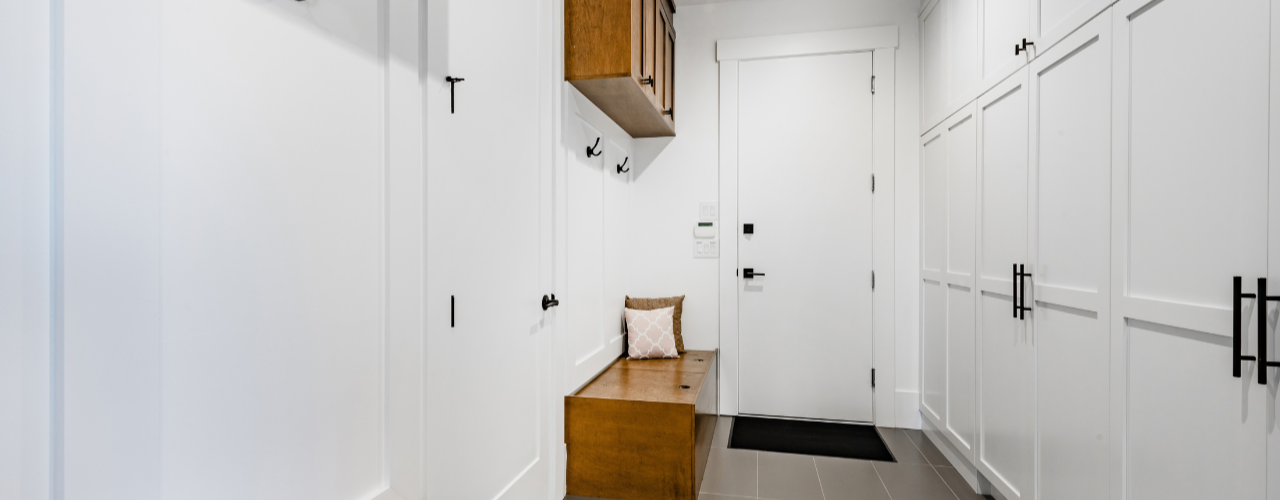
When you come home with muddy boots, an armful of bags and a coat you can’t wait to take off, it’s nice to have somewhere to put it all. With a mudroom, you can leave the outdoor mess at the door instead of carrying it through the house. Traditionally, you’d set aside a separate room, but you can just as easily use a hallway, an entryway closet, a laundry-room corner or a stretch of wall near the entrance.
Is Your Home Office Worth the Rent? What Coworking and Self Storage Could Save You
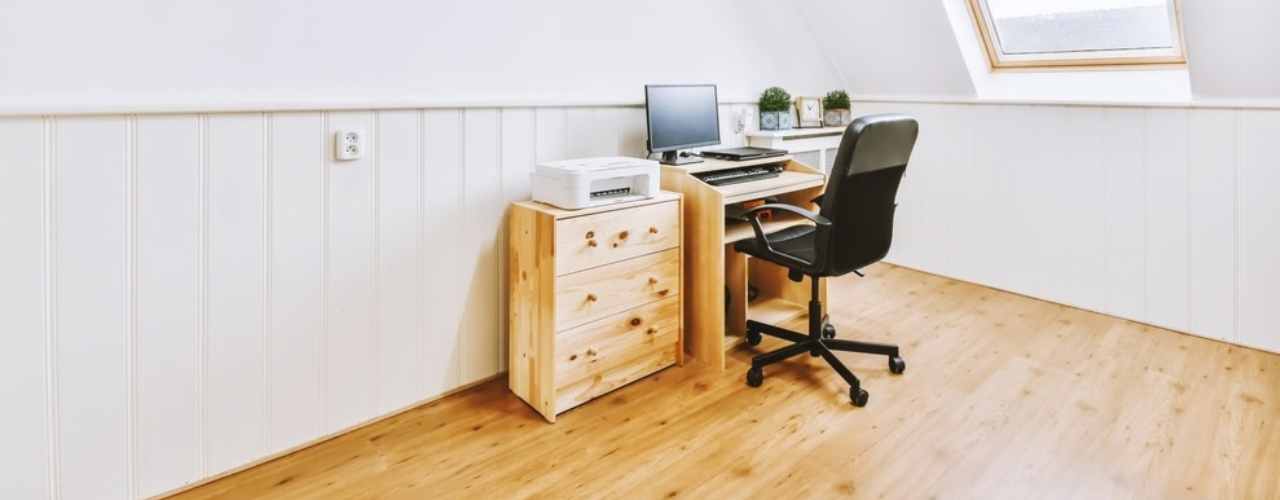
Every square foot of your apartment comes with a price tag, and a home office claims more of them than most renters expect. It starts with a desk. Then come the second monitor, the printer, the filing cabinet and the overflow boxes. Before long, the corner you set aside for work has turned into a small room you are paying for every month.
America’s Top Snowbird Destinations for 2026–2027: Florida Leads in Numbers, Texas Wins on Value
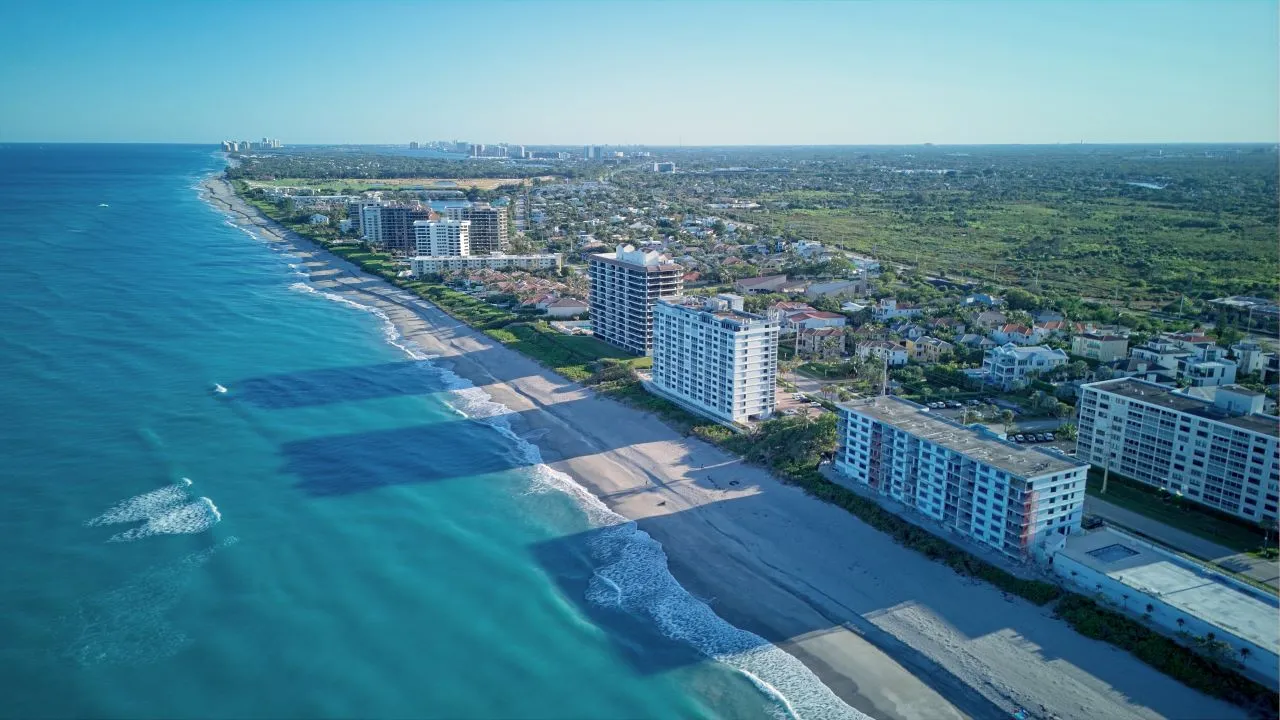
For Americans living in colder states, the approach of winter is reason enough to start looking south. Cold weather carries costs that go beyond the heating bill and shoveling snow. Seasonal affective disorder(opens in new tab) is far more prevalent in northern states, so a temporary move south isn’t simply an escape from the cold, but a chance to spend the hardest stretch of winter outdoors and in the sun.
How Much Does Halloween Really Cost in 2026? Plan Wisely to Avoid the Scare of Hidden Costs
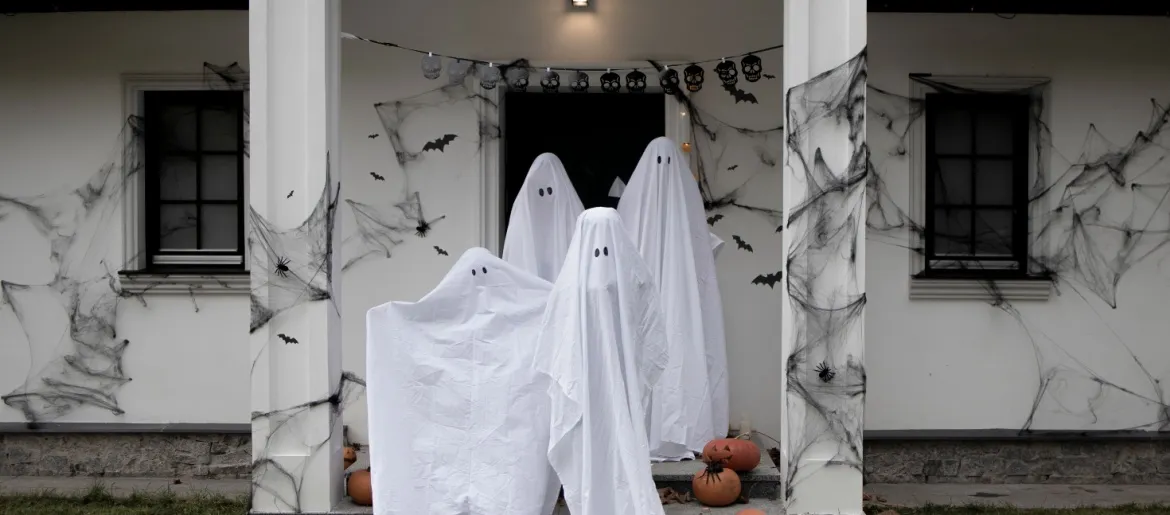
Americans’ love for Halloween is almost frightening — this year alone, we are on our way to spending $13.5 billion, according to data from the National Retail Federation(opens in new tab). That breaks down to about $115 Halloween costs per person, a whopping 49% more than 10 years ago.
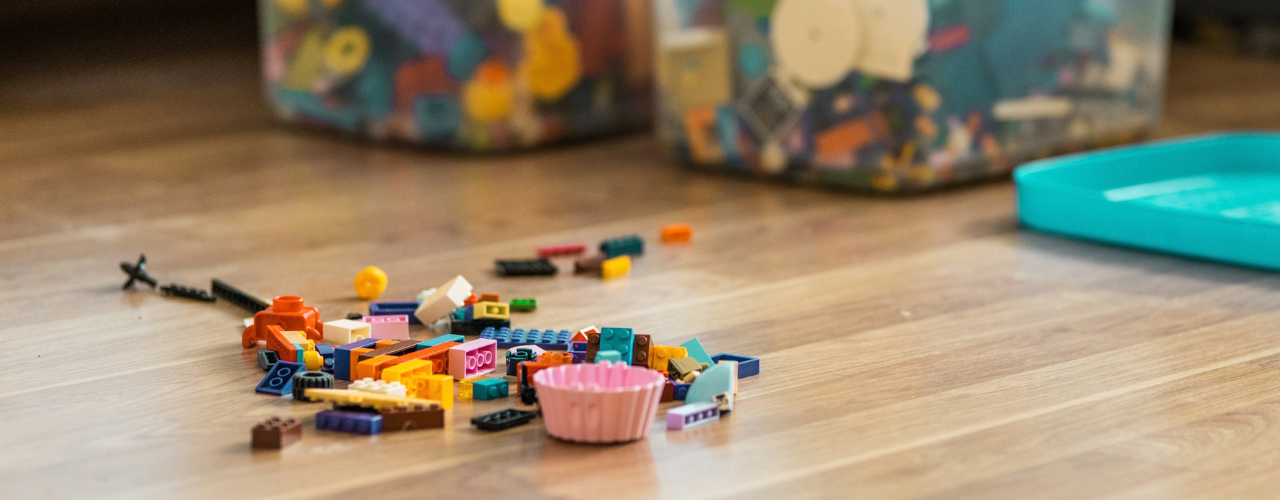
How to Store LEGOs: All the Fun, None of the Clutter
How to store LEGOs largely comes down to how your household uses them. If the bricks are part of everyday play, you need a setup that keeps them within easy reach and makes cleanup quick (for your feet’s sake, at least). Toy storage(opens in new tab) such as simple bins, playmats or containers that children can put away themselves may be enough. Larger or more serious collections usually need more organization, such as labelled drawers for loose pieces, trays for unfinished builds, shelves for completed models and separate storage for retired sets.

Cardboard Costume Guide: Tips and Ideas for a DIY Halloween
Whether for kids or adults, cardboard costume ideas often make the biggest splash once materialized, and that’s for a simple reason: doing a lot with a little is a universally impressive feat (especially in this economy). If you don’t have enough boxes you could temporarily repurpose, don’t worry! There are many places where you can find free moving boxes(opens in new tab), from stores and supermarkets to online groups and recycling drop-off spots. On the run? Try your luck at a self storage(opens in new tab) facility that sells moving supplies, often for cheap. This way, you can choose moving boxes of different shapes and sizes(opens in new tab), so you can make your costumes as complex as you want.

How to Celebrate Halloween: 9 Non-Spooky Ways To Enjoy It
As soon as October starts, it’s the official Halloween month. And while for many people it means it’s open season to get the scare of a lifetime, others, especially families with small children, might prefer to celebrate in a tamer way that’s both kid- and adult-friendly. While you’re likely to find more events where the spook factor is high, here’s how to celebrate Halloween in a not-so-scary way:

Motorcycle Storage Guide: How to Store Your Bike Safely
Motorcycles may be born to be wild, but eventually even the wild ones need somewhere to park. Whether riding season is winding down or your current living situation comes with plenty of square footage for you and less for your bike, motorcycle storage is one of those parts of ownership that doesn’t get as much airtime as the open road.

Halloween Decorating on a Budget (And Cheap Ideas for Everything Elsee)
Halloween has crept a long way from its eerie origins. While All Hallows’ Eve has transformed through the centuries, it wasn’t until the 1930s that trick-or-treating became a tradition in the U.S. and businesses began conjuring up mass-produced Halloween costumes. Now, Halloween is a monster-sized, billion-dollar industry, with a cauldron full of costumes and decorations ranging from the mainstream to the macabre. But is it all really worth your wallet? Maybe, but we’ll let you in on a little secret: You can keep your Halloween decorating on a budget and save on everything else, too. Take this plan and see it through!