

Storing a boat in self storage comes down to four decisions: how far the facility is from your launch point, what type of storage suits your climate (outdoor, covered, or indoor), how to prepare the boat before storing it, and whether the facility’s security and access hours fit how you use your boat. First-time owners who think through these factors before signing a lease tend to get significantly more use out of their boat.
For owners who don’t live on the water, self storage facilities are one of the most practical and accessible solutions. Compared to marinas, self storage often offers more flexibility: month-to-month leases, fewer size restrictions and the ability to access your boat on your own schedule. In many parts of the country, it’s what makes boat ownership realistic in the first place.
And location matters more than many new owners expect. As we found in our analysis of the best U.S. metros to own a boat, affordability and storage availability vary widely across markets. In cities like Tampa, Orlando and Phoenix, strong self storage supply helps keep costs competitive for boat owners. In denser coastal metros, limited space and higher real estate costs can push both marina and storage rates higher.
Beyond costs, choosing the right storage setup for your boat can mean the difference between boating regularly and watching your boat sit unused.
Below are the factors that tend to matter most when it comes to boat storage that often catch first-time owners off guard.
Distance and location make a huge difference in how often you use your boat
How far your storage facility is from home or from your preferred launch point has a huge impact on how often you go boating. If you store your boat at a facility located somewhere along your daily commute route or near a major highway, you’re far more likely to use it. On the other hand, if your boat is tucked away across town and picking it up means going through traffic and wasting a lot of time, chances are you’re not going to go boating all that often.
Even a 20-minute increase in travel time can turn a spontaneous Saturday morning trip into a logistical hurdle. Over time, that friction adds up. If your facility is close to either your house or the water — and ideally to both — it becomes much easier to hook up the trailer and head out without overthinking it.
When evaluating locations, consider:
- Traffic patterns during peak hours
- Ease of pulling in and out with a trailer
- Proximity to your most-used marina or boat ramp
Pay extra attention to access hours and trailer-friendly design
Boating doesn’t follow the 9-to-5 schedule. Early launches and sunset returns are part of the appeal, which means that access hours matter. Look for facilities with wide access windows or 24-hour gate access, especially if you plan to fish at dawn or return late in the evening. Make sure the same wide access window applies during weekends and holidays, when you’re much more likely to plan a boating trip.
Beyond hours, pay attention to the layout of the facility. Wide drive aisles, generous turning space and pull-through access make a big difference when maneuvering a boat trailer, especially for first-time boat owners who may not yet be comfortable driving with a trailer attached. A well-designed facility makes picking up and dropping off the boat straightforward, saving time and preventing frustration, accidental damage to your car, or damage to the boat itself.
What type of boat storage should I choose?
Most facilities that offer vehicle storage have outdoor spaces, covered spots, and enclosed indoor units suitable for boats on trailers. The right type depends on your climate, budget, and how long the boat will sit between uses.
Outdoor storage is widely available and typically the most affordable option. In warmer climates, it’s often sufficient, especially if you use a high-quality boat cover and perform regular maintenance.
Covered or enclosed storage costs more but offers protection from sun exposure, heavy rain and long-term weather wear. In hot regions, UV damage can degrade upholstery and finishes faster than many owners realize. In colder climates, indoor storage can reduce winterization stress and minimize freeze-related risks.
The right choice depends on the local climate and how frequently you use the boat. If your boat will sit for long periods between trips — or if you’re storing it through a harsh winter — indoor storage or at minimum a covered spot is the better choice.
How do you store a boat for winter?
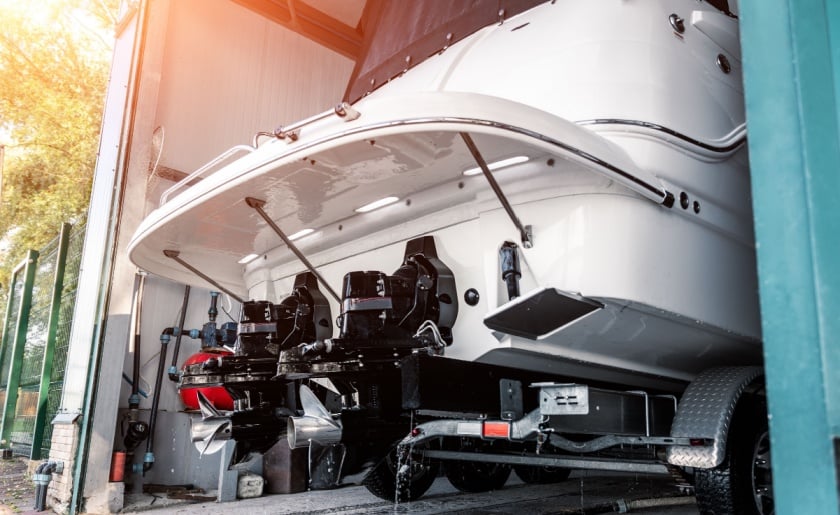
Winterizing a boat for storage typically involves draining water from the engine, plumbing systems and live wells (where applicable), stabilizing the fuel system, thoroughly cleaning and drying the hull, and either removing the battery or connecting it to a maintenance charger. Depending on the engine type, changing the engine oil and lower-unit gear oil and protecting the engine with antifreeze or fogging oil may also be recommended. Each of these steps matters and skipping one can mean costly repairs in spring.
If you live in a region with freezing temperatures, start by draining all water systems and adding marine antifreeze where appropriate to prevent cracking. Fuel stabilizer should be added to the tank and run through the engine to prevent fuel degradation during months of inactivity.
Thorough cleaning before winter storage is just as important. Remove organic debris, wash the hull, clean upholstery and ensure the boat is completely dry before covering it. Any trapped moisture can cause mold growth or corrosion over the winter months.
For battery care, many owners remove the battery entirely and store it indoors or on a maintenance charger. Leaving a battery connected in freezing conditions can shorten its lifespan significantly.
Indoor storage provides the highest level of protection in cold climates, reducing exposure to snow accumulation, ice formation and prolonged freeze-thaw cycles. Covered storage offers partial protection and may be sufficient in milder winter regions. Outdoor storage can work if the boat is properly winterized and covered with a high-quality, secure cover — but it requires more vigilance.
Ventilation also matters even in winter. Some airflow helps prevent condensation buildup inside the boat. A properly fitted cover with ventilation supports long-term protection and makes spring launch significantly easier.
Can you store a boat for free?
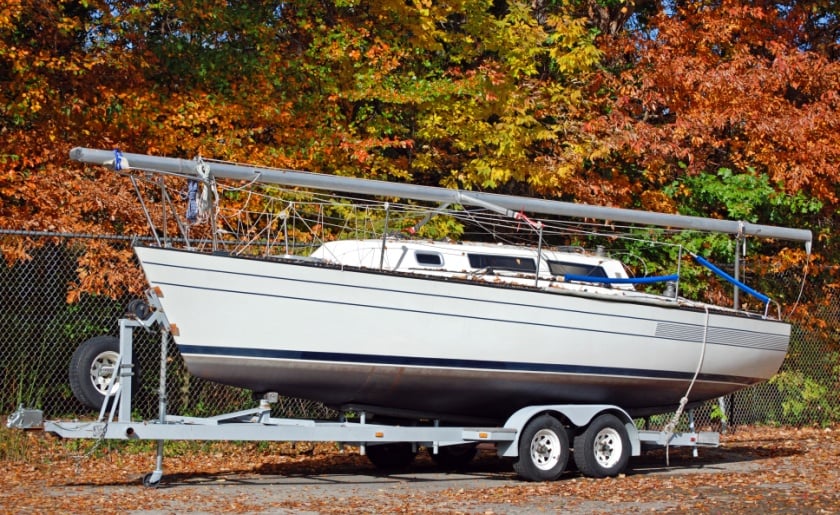
There are a few alternatives to paid self storage for boat owners willing to plan ahead. If your property has space and your HOA or local ordinances permit it, storing the boat at home on a trailer is the simplest free option and the one that gives you the most flexible access. Check local zoning rules before assuming this is allowed, as many municipalities restrict boat storage in residential driveways or front yards.
For short-term storage between trips, some marinas offer off-season rates that can be very competitive. It’s worth asking directly, as these arrangements aren’t always advertised.
Asking a friend or family member with rural land or a large property is another option some boat owners use for seasonal storage. This works best for smaller boats on trailers that can be moved without specialized equipment.
In some western states BLM (Bureau of Land Management) technically permits long-term vehicle and trailer storage in designated dispersed camping areas, though this comes with limitations: no security, no protection from the elements and variable legality depending on the specific land use rules for that area. It’s a last resort rather than a reliable solution.
For most boat owners, the flexibility and security of self storage justify the cost, but knowing all the free alternatives helps you make the decision with full information.
What security features should a boat storage facility have?
A boat is not a small purchase, and once it’s parked in storage, you want to feel confident it will still be there, and in the same condition, when you return.
Security features matter, but they shouldn’t be evaluated as a simple checklist. Think about how the facility feels when you visit. Is the perimeter well lit? Are entry gates controlled and consistently closed behind vehicles? Is there visible management presence or staff on site during business hours?
Video surveillance and keypad access systems are standard at many facilities, but what really makes a difference is how actively those systems appear to be used and maintained. A well-kept property with clear sightlines, secure fencing and monitored access tends to deter problems before they happen.
It’s also worth thinking beyond theft. Boats stored outdoors can be exposed to tampering, accidental damage from other vehicles or weather-related risks if drainage isn’t adequate. Walk the lot and observe spacing between vehicles. Is there enough room for maneuvering trailers without bumping corners or scraping hulls?
Room to grow
First-time boat owners often buy modestly, and many upgrade later. What starts as a compact fishing boat can evolve into a larger deck boat or a model with a longer trailer.
Choosing a facility that offers a range of space sizes can prevent future complications. If you outgrow your current space, being able to relocate within the same facility is far easier than moving your boat across town.
It’s also helpful to consider trailer length and maneuverability from the beginning. Some facilities may technically accommodate your current boat but offer little flexibility for a larger one. Planning with growth in mind avoids scrambling for availability later.
How much does it cost to store a boat?
Storage is one of the most consistent ongoing expenses of boat ownership. Nationally, boat storage averages around $177 per month across all storage types, though rates vary significantly depending on region, storage type and availability – check out StorageCafe’s boat storage page for current figures by unit size. At that average, most boat owners pay approximately $2,100–$2,200 per year for storage.
Outdoor storage is usually the most affordable option and widely available. Covered storage sits in the middle range. Indoor storage, especially in climate-controlled facilities, commands higher rates but offers stronger protection from sun, rain and temperature swings.
In dense coastal cities, both marina slips and storage facilities can be expensive due to limited land and higher real estate costs. In regions with abundant self storage infrastructure, such as parts of Florida, Arizona and Texas, greater supply often keeps rates more competitive.
For first-time owners, self storage provides flexibility. Month-to-month leases allow you to adjust if your boating habits change. That flexibility can make the overall ownership experience feel more manageable.
FAQs
What should I store offsite instead of keeping it on the boat?
Seasonal gear, rarely used equipment and anything that doesn’t serve a purpose on your current trips. Keeping only what you need for active use on board means every compartment serves a purpose, and nothing competes for space with your day-to-day essentials.
How do I prevent items from shifting or getting damaged during trailering?
Non-slip shelf liners and bungee cords or tension rods inside compartments are the most effective low-cost fixes. Liquids should always be stored upright in bins rather than loose. Heavier items packed low and toward the center of the boat will reduce the impact of sharp turns and sudden braking.
What’s the minimum unit size for a boat in self storage?
A boat under 20 feet typically fits in a 10×20 unit. Boats between 20 and 28 feet generally fall in the 10×25 to 10×30 unit interval. For larger vessels over 30 feet, a 10×40 or even wider unit is usually required. Always add the trailer length to your boat length when calculating the unit size you need — trailers typically add 2–5 feet to the total.
Is indoor storage worth the extra cost for a boat?
It depends on your climate and how long the boat will sit. In regions with harsh winters, significant UV exposure or high humidity, the protection indoor storage provides tends to pay for itself in reduced maintenance and repair costs. For mild climates and frequent use, covered outdoor storage is often a practical compromise.
Do I need insurance for a boat in self storage?
Yes. Most facilities require proof of insurance before allowing a boat on the premises. Your existing boat insurance policy may extend to storage but confirm with your insurer prior to moving your boat into a self storage unit. Some policies require notification when the vessel is in long-term storage rather than active use.



Scary Good DIY Halloween Decorations That Won’t Haunt Your Wallet
A few floating candles in the hallway, a family of ghosts by the front door and a suspicious number of bats climbing up the bedroom wall can make October feel a whole lot spookier. While Halloween stores are full of tempting finds, some of the best DIY Halloween decorations can come from things you already have tucked away in drawers, closets or the recycling bin.
Suburban Giants and Urban Risers: Where America’s 100 Largest Metros Fall on the Self Storage Map
Self storage has long been a suburban story. Across America largest 100 metros, 59% of the inventory built over the past decade sits outside city cores, largely preserving the ratio of the total existing inventory.
Sweatshirt Storage Ideas Worth Keeping Up Your Sleeve
Sweatshirts are great until you realize how much room they take up. A few thick hoodies can fill a drawer fast, with lighter crewnecks getting squashed underneath or pushed somewhere you forget about. Good sweatshirt storage can make that pile much easier to manage without requiring a bigger closet.
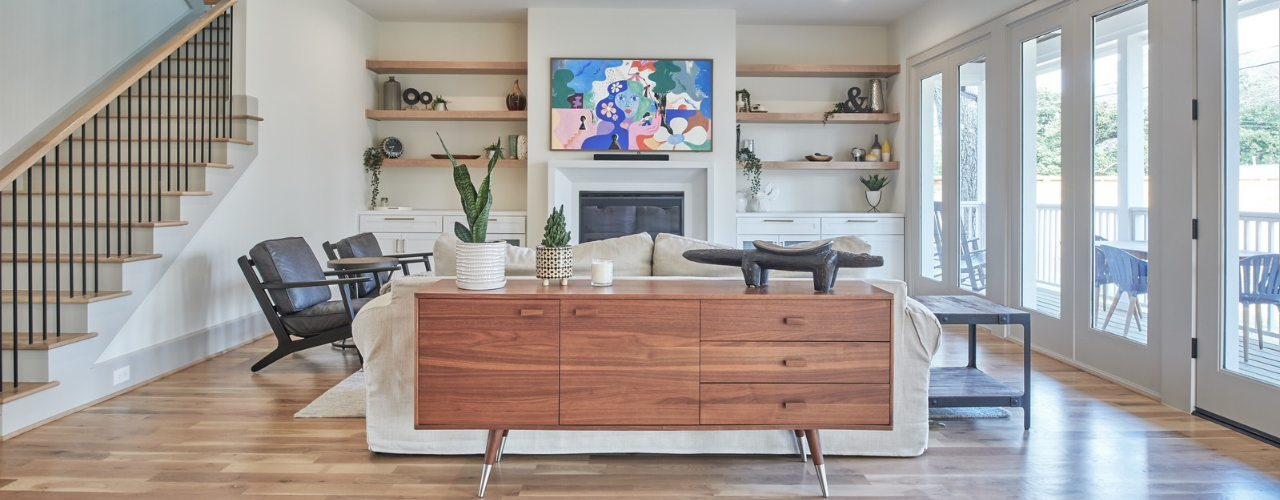
Living Room Storage Ideas: 28 Ways to Reclaim Your Hosting Space
If a living room is where most of a household’s living happens, good storage should be the top priority for setting up or revamping the place. After all, think of how easier it would be to have people over when tidying up the place is just a matter of putting things in their right place (in a time when fewer and fewer people are entertaining friends at home(opens in new tab)). The trick is making room for all those wayward clothes, blankets, chargers and other small things that end up on (or, inexplicably, in) the sofa. Here are 28 living room storage ideas to get you started and make tidying up a quick affair.
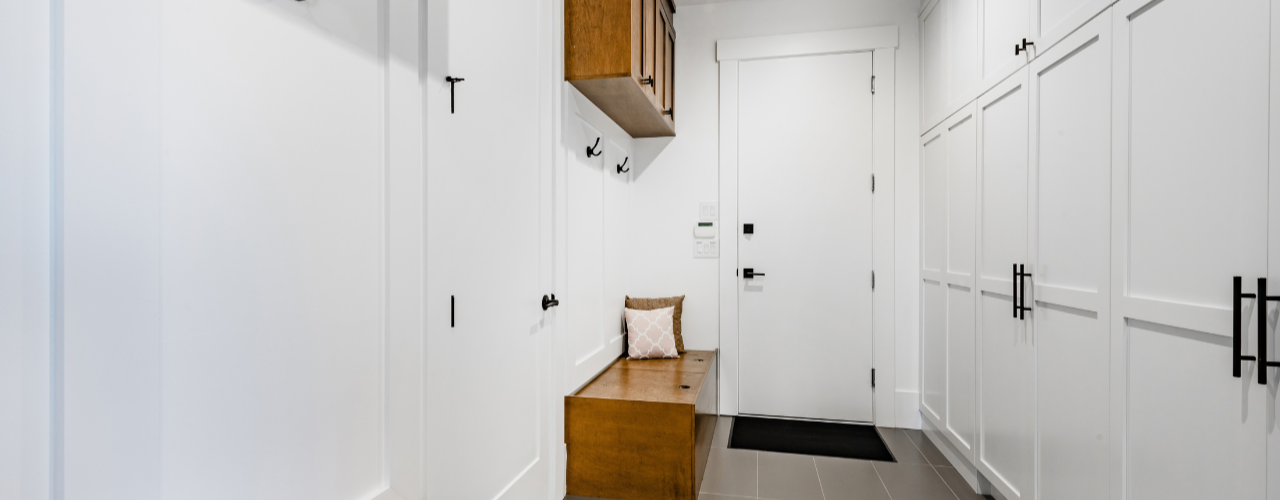
25 Mudroom Storage Ideas (And Mistakes to Avoid)
When you come home with muddy boots, an armful of bags and a coat you can’t wait to take off, it’s nice to have somewhere to put it all. With a mudroom, you can leave the outdoor mess at the door instead of carrying it through the house. Traditionally, you’d set aside a separate room, but you can just as easily use a hallway, an entryway closet, a laundry-room corner or a stretch of wall near the entrance.
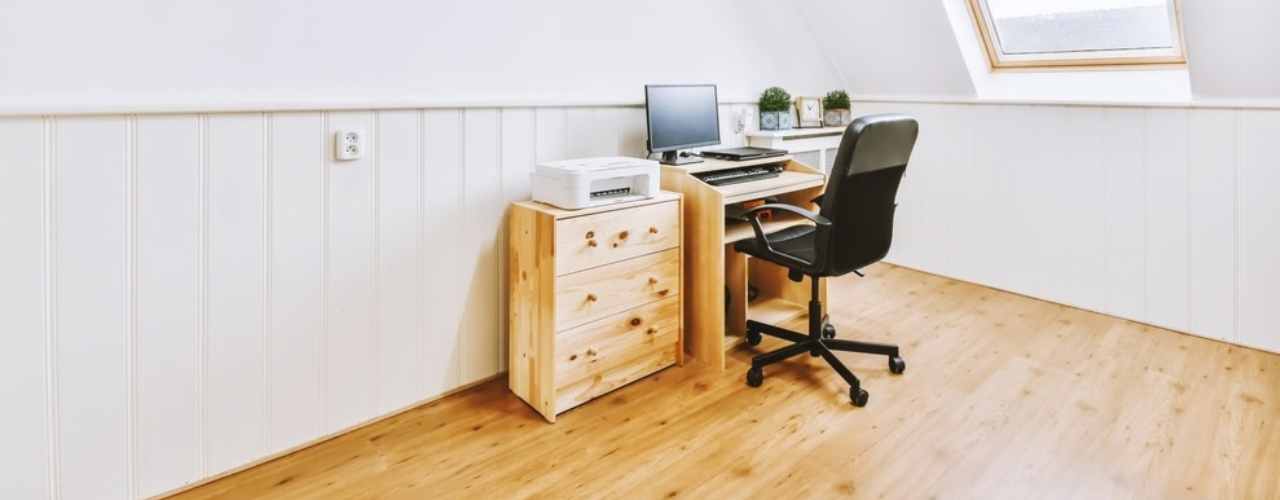
Is Your Home Office Worth the Rent? What Coworking and Self Storage Could Save You
Every square foot of your apartment comes with a price tag, and a home office claims more of them than most renters expect. It starts with a desk. Then come the second monitor, the printer, the filing cabinet and the overflow boxes. Before long, the corner you set aside for work has turned into a small room you are paying for every month.

Best U.S. Cities to Live Uncluttered: Plano, TX, Offers the Most Room to Breathe
Clutter is in our homes as much as in our heads. Both are shaped by where we live.
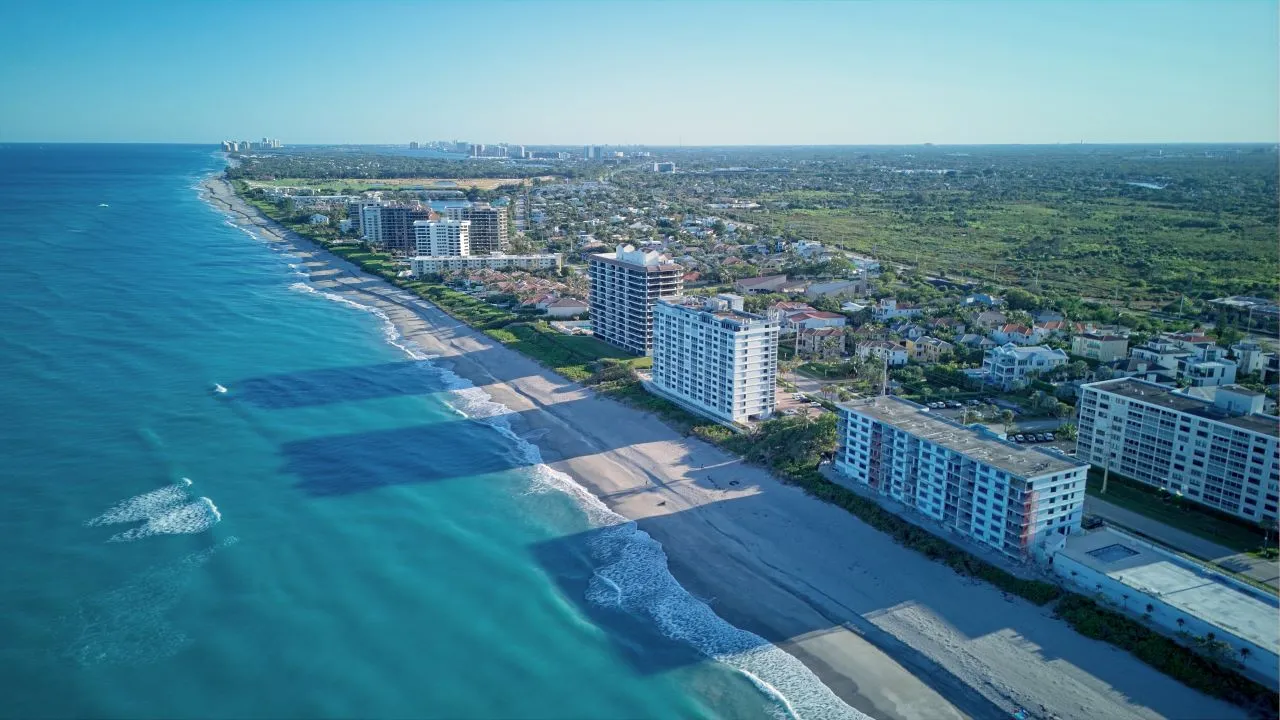
America’s Top Snowbird Destinations for 2026–2027: Florida Leads in Numbers, Texas Wins on Value
For Americans living in colder states, the approach of winter is reason enough to start looking south. Cold weather carries costs that go beyond the heating bill and shoveling snow. Seasonal affective disorder(opens in new tab) is far more prevalent in northern states, so a temporary move south isn’t simply an escape from the cold, but a chance to spend the hardest stretch of winter outdoors and in the sun.

How Much Does Halloween Really Cost in 2026? Plan Wisely to Avoid the Scare of Hidden Costs
Americans’ love for Halloween is almost frightening — this year alone, we are on our way to spending $13.5 billion, according to data from the National Retail Federation(opens in new tab). That breaks down to about $115 Halloween costs per person, a whopping 49% more than 10 years ago.