

Key Takeaways
- Leather belts should be hanged flat when possible; if rolled, they should be loose.
- Fabric and flexible belts can generally be rolled or folded to save space.
- For more bespoke options, check out offers on belt organizers and belt hangers.
- Avoid tight rolls and sharp folds, as these can cause permanent creases and stress the material.
- Keep belts clean and dry, especially before long-term storage and avoid excessive heat, humidity and direct sunlight.
A clothing accessory dating back to the Bronze Age, belts can still make or break your swing at a fashion statement. So, yes, it is worth knowing how to store belts properly. The right method can help prevent creases, cracks, scratches and unnecessary wear. Let us see what that method entails (Spoiler alert: it’s all easier than you think).
Should you hang or roll belts?
For leather belts, your safest bet is to hang or lay them flat, particularly if you’re planning for long-term storage. Crucially, you should avoid folding your belts sharply rolling them tightly, since that can put stress on the leather and contribute to permanent creases or cracking (if you know you know).
If you need to save space, roll those leather belts very lightly, starting at the buckle end. Try to avoid compressing the roll or leaving it tightly rolled for extended periods.
Now, fabric, elastic and other flexible belts are more forgiving, so these can usually be rolled loosely and stored in a drawer, cubby, or storage bin.
Best containers made for belt storage
For a proper container that lets you store and organize all at once, try:
- Belt organizer(opens in new tab) for drawers: Fabric(opens in new tab), leather(opens in new tab) and clear acrylic(opens in new tab) options are available. You can get quite elegant with it (take this stackable display organizer(opens in new tab) for example).
- Belt hanger(opens in new tab): Hang belts individually by the buckle or an appropriate hole. You can even get a rotatable rack(opens in new tab).
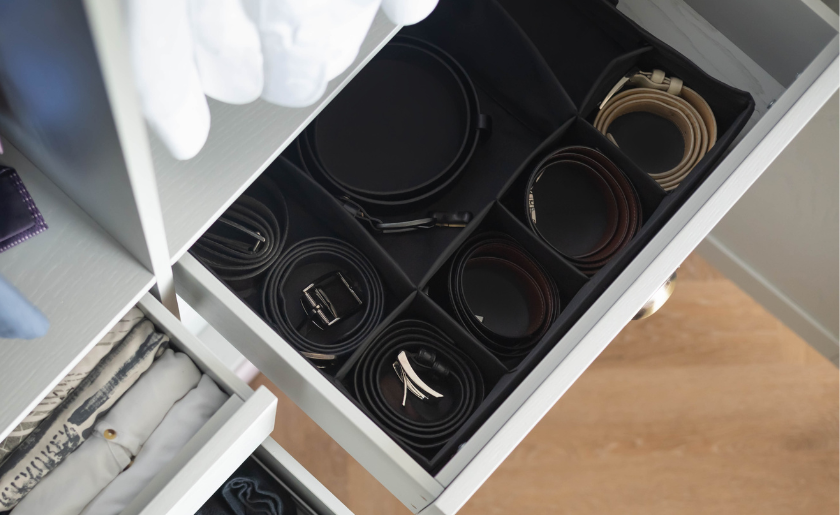
- Drawer dividers(opens in new tab): Store rolled belts upright so you can see each one without digging through a pile.
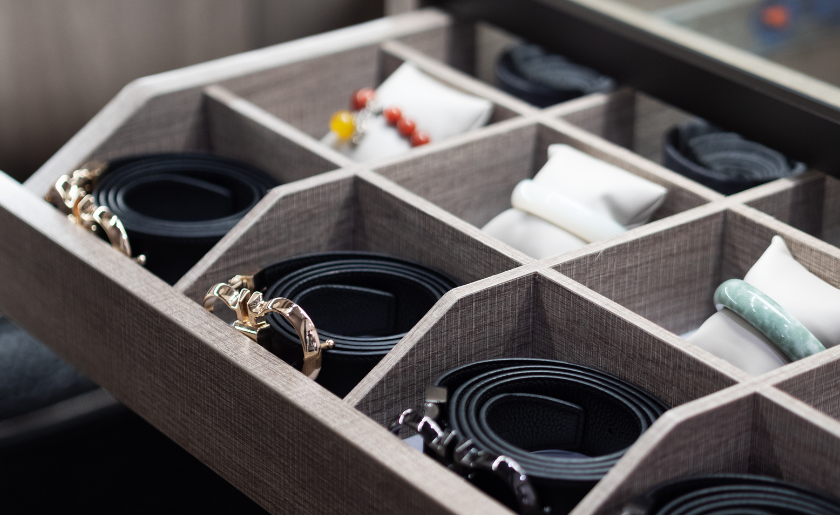
Less eye-catching, but still practical options are:
- A standard hanger: Thread the belt through the hanger or its buckle to keep it with your clothing.
- Storage bins: Keep belts separated and protected from dust, particularly when storing them for longer periods.
Whatever method you choose, avoid piling belts together where buckles can scratch other belts or where rolls can become tangled.
What about wide or heavy-duty belts?
Wide belts, weightlifting belts, utility belts and other structured styles can be too bulky or rigid for standard belt hangers, and rolling them tightly may distort their shape.
For these belts, our deepest research tells us that laying them flat is often the simplest option. Store them on a shelf or in a suitably sized container where they can remain supported without being bent or compressed. Keep buckles and other hardware from pressing against the belt or other items.
If you’re storing a wide belt for an extended period, avoid folding it sharply just to make it fit in a box. A little extra space is preferable to forcing a something into a shape it just wasn’t designed to hold. Now that’s a piece of wisdom you can apply in many areas of life.
How to prepare belts for long-term storage
Before putting belts away for several months or longer, wipe away dust and dirt and make sure they’re completely dry. Leather belts can benefit from an appropriate leather conditioner when needed.
Store belts somewhere cool, dry and away from direct sunlight. For long-term storage, breathable containers are preferable to airtight plastic containers that can trap moisture.
If you’re storing valuable, vintage, or delicate leather belts, give them extra space and avoid anything that could place prolonged pressure on the leather or hardware.
When self storage makes sense
If you’re already using a self storage unit(opens in new tab) to keep seasonal clothing(opens in new tab), furniture(opens in new tab), collectibles(opens in new tab), or other belongings, your belts can often be stored alongside them. Just, you know, try to give them a little extra attention.
The rule of thumb is to clean and dry belts before packing them, then hang or loosely roll them according to their material. Keep them in a breathable container rather than tossing them loose into a box, and label the container so you can find them easily later.
For leather goods and other belongings that may be sensitive to temperature and humidity changes, a climate-controlled storage unit(opens in new tab) can provide a more stable environment for long-term storage. Skimp on that, and you open your belt to mold, cracks and a weaker material over time.
Bottom line
The best way to store a belt depends on what it’s made from, how long it will be stored and how much space you have. When in doubt, avoid tight rolls and sharp folds, keep leather clean and dry, and protect belts from excessive moisture, heat and sunlight.
FAQ on belt storage
Is it better to roll or hang leather belts?
For long-term storage, hanging or laying leather belts flat is generally the safer choice because it avoids prolonged tight compression and sharp creases. If you need to roll a leather belt to save space, keep the roll loose.
Can you store belts in a drawer?
Yes. Drawers work particularly well for rolled fabric and flexible belts. Use dividers to keep individual belts separated and store them in a single layer or upright where possible.
How do you store belts without cracking them?
Avoid tight rolls, sharp folds, excessive heat, moisture and prolonged direct sunlight. Clean and dry belts before storage, and use an appropriate leather conditioner on leather when needed.
Should leather belts be stored in plastic bags?
For extended storage, it’s generally better to avoid airtight plastic that can trap moisture. A breathable storage container can protect belts from dust while allowing some air circulation.
How do you store a large belt collection?
For a large collection, combine methods. Hang leather and frequently used belts, while loosely rolling flexible belts and organizing them in divided drawers, cubbies, or breathable storage bins. Label containers if you’re storing them outside your home.
How should belts be stored for several years?
For very long-term storage, focus on preparation and the storage environment. Clean and dry the belts, avoid tight rolls and sharp folds, protect them from sunlight, and keep them somewhere cool and dry. Check valuable leather belts periodically rather than leaving them untouched indefinitely.


How to Store LEGOs: All the Fun, None of the Clutter
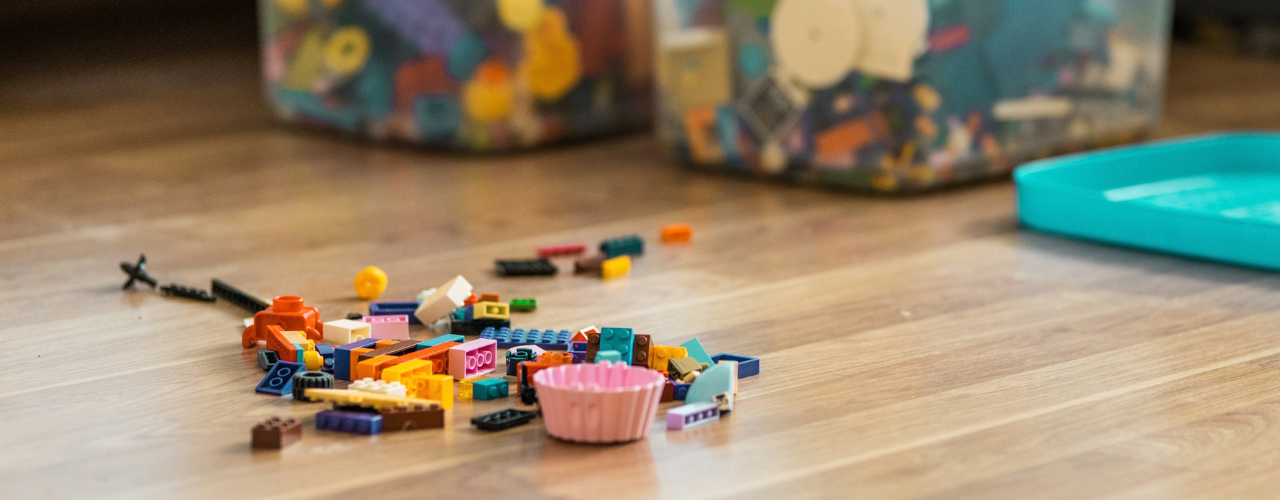
How to store LEGOs largely comes down to how your household uses them. If the bricks are part of everyday play, you need a setup that keeps them within easy reach and makes cleanup quick (for your feet’s sake, at least). Toy storage(opens in new tab) such as simple bins, playmats or containers that children can put away themselves may be enough. Larger or more serious collections usually need more organization, such as labelled drawers for loose pieces, trays for unfinished builds, shelves for completed models and separate storage for retired sets.

Cardboard Costume Guide: Tips and Ideas for a DIY Halloween
Whether for kids or adults, cardboard costume ideas often make the biggest splash once materialized, and that’s for a simple reason: doing a lot with a little is a universally impressive feat (especially in this economy). If you don’t have enough boxes you could temporarily repurpose, don’t worry! There are many places where you can find free moving boxes(opens in new tab), from stores and supermarkets to online groups and recycling drop-off spots. On the run? Try your luck at a self storage(opens in new tab) facility that sells moving supplies, often for cheap. This way, you can choose moving boxes of different shapes and sizes(opens in new tab), so you can make your costumes as complex as you want.

How to Celebrate Halloween: 9 Non-Spooky Ways To Enjoy It
As soon as October starts, it’s the official Halloween month. And while for many people it means it’s open season to get the scare of a lifetime, others, especially families with small children, might prefer to celebrate in a tamer way that’s both kid- and adult-friendly. While you’re likely to find more events where the spook factor is high, here’s how to celebrate Halloween in a not-so-scary way:
Motorcycle Storage Guide: How to Store Your Bike Safely
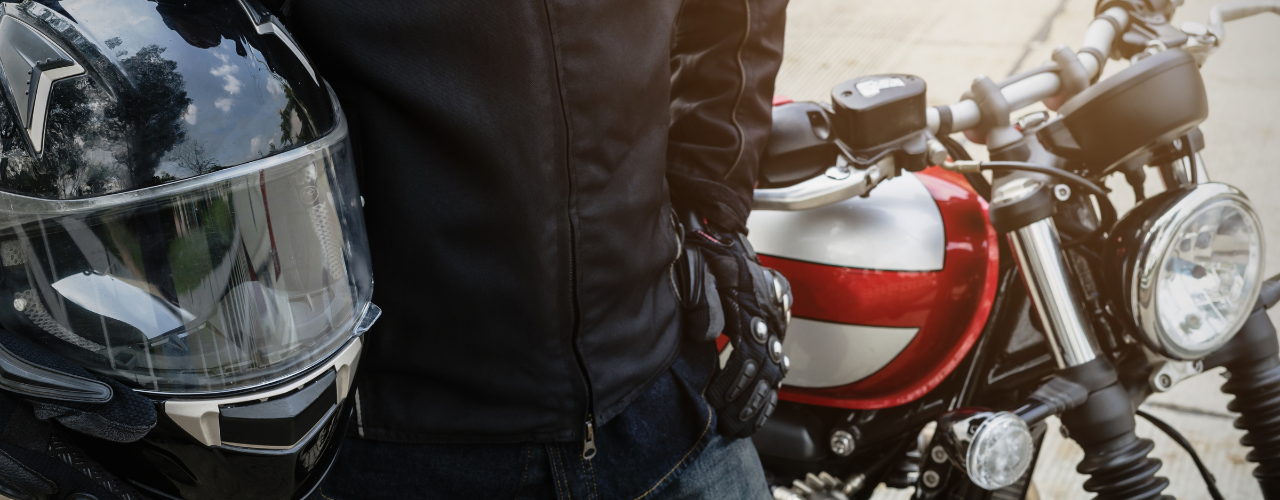
Motorcycles may be born to be wild, but eventually even the wild ones need somewhere to park. Whether riding season is winding down or your current living situation comes with plenty of square footage for you and less for your bike, motorcycle storage is one of those parts of ownership that doesn’t get as much airtime as the open road.

Halloween Decorating on a Budget (And Cheap Ideas for Everything Elsee)
Halloween has crept a long way from its eerie origins. While All Hallows’ Eve has transformed through the centuries, it wasn’t until the 1930s that trick-or-treating became a tradition in the U.S. and businesses began conjuring up mass-produced Halloween costumes. Now, Halloween is a monster-sized, billion-dollar industry, with a cauldron full of costumes and decorations ranging from the mainstream to the macabre. But is it all really worth your wallet? Maybe, but we’ll let you in on a little secret: You can keep your Halloween decorating on a budget and save on everything else, too. Take this plan and see it through!

Moving From a House to an Apartment: What to Expect, How to Downsize & How Self Storage Helps
For some, moving from a house to an apartment is a financial decision. For others, it’s about simplifying life. Maybe the kids have moved out and half the house sits empty, or you’re approaching retirement and no longer want to spend weekends on repairs. Or perhaps you’ve been weighing the cost of buying a home and wondering whether renting simply makes more sense right now.
Family Heirlooms Overload: How to Handle Family Inheritance Without Regret
Handling family heirlooms after a loss requires managing legal authority, emotional pressure and practical logistics at the same time, and the order you take them on matters more than most people expect.
Blanket Storage: The Right Method for Every Space and Season
Blankets make our lives cozier, and storing them well is what keeps them soft and comfortable in the long run. Knowing how to store a blanket properly means your favorites come out of storage smelling fresh, feeling the same as when they went in, and lasting years longer than they otherwise would.

Board Game Storage Ideas That Keep Your Collection in Fighting Shape
Nobody warns you that getting into board games usually unlocks a second hobby, the much dreaded one that includes figuring out where on earth to put them. One game becomes a few, expansions start spawning beside their base boxes and before long, board game storage requires as much strategy as whatever is waiting on the other side of those lids.