

Moving is a bitter financial pill to swallow but, through careful planning, you can save both money and time. There are several factors that influence the cost of the services related to moving—take them all into account!
The day of the week, the time of the month and year, how much stuff you transport, if it’s a local move or a cross-country one—all that influences the final price.
The Best Time for Moving
People tend to move during weekends, at the end of the month or mid-month, and during the summer season. That’s when the moving companies and truck renting businesses are at their busiest and have the highest rates. If you have some flexibility about the moving date, try to schedule it as off-season as possible, based on:
- Day of the week – workdays are cheaper than weekends
- Time of month – avoid end of month and mid-month
- Time of year – October through April is less expensive
It’s a good idea to call companies and get quotes for various dates, in order to identify the most affordable period for moving.
It takes time and effort to plan a move this way, but in the end, it will pay off. You’ll save money on the moving company and other moving-related services. Since it’s a workday, you can contact utility companies and service providers to fix any issues at your new address. It will also be easier to park and unload everything – neighborhoods and apartment complexes are more deserted during workdays.
Get Packing Supplies for Less
Packing supplies add to the total cost of a move. You’ll probably be needing dozens upon dozens of boxes to pack your entire home. Ask your friends, family, and local grocery stores, or search on Craigslist for boxes. A lot of people donate or sell them very cheaply.
Hit your local liquor stores for extra sturdy boxes. The crates used for delivering bottles are designed to hold heavy items, so they’re perfect for packing. The same goes for apple boxes from grocery stores.
Local vs. Cross-Country Moving Tips
Moving locally is no piece of cake, but it’s still easier than a long-distance move. The best-case scenario, where you pack your house and call friends or family to help you move costs you a nice meal for the moving party. It’s usually doable in one day and could be significantly less pricey than moving to a different city or state.
Long-distance moves are expensive and require serious planning. According to the American Moving and Storage Association, an interstate household move over about 1,225 miles costs, on average, $4,300. This means that moving from, let’s say, Birmingham, Alabama to El Paso, Texas, will cost you a pretty penny.
The more stuff you move, the more expensive it gets. Decide whether it makes sense to move heavy, bulky items like furniture or appliances or if it’s better to sell them and get new things at your destination.
Check out local marketplaces to see for how much you could sell your things, then estimate how much you’ll spend on furnishing your new place. Do the math to find out if it’s convenient for you.
If you decide to move your household, entirely or partially, you have several options:
- Hire a moving company for the entire job – easy but expensive;
- Get transportation services while you deal with packing, loading and unloading – saves money, but you risk wasting time waiting for your stuff to arrive;
- Rent a truck you can drive yourself.
The last method is the most frugal, and it also allows you to go at your own pace throughout the whole process. However, you need to be comfortable driving a truck long-distance.
Rent a Storage Unit to Save Time and Effort
Storage is very useful during a move. If your new home is not ready for new occupancy by the time your stuff arrives, you can deposit it all in a storage unit. You’ll be able to coordinate contractors, scrub floors, paint walls and vacuum dust without having to go around dozens of boxes.
Staying with our example, renting a storage unit in El Paso, Texas while getting your new home ready ultimately saves you money. Any renovations the house needs can be done more easily, you’ll spend less money on hotels, and you’ll avoid the risk of getting your furniture and appliances damaged.
Planning your move strategically around the factors we detailed above (date, distance, type of services you can use) will help you not only to save money, but also to reduce all that stress that usually goes hand in hand with switching homes.


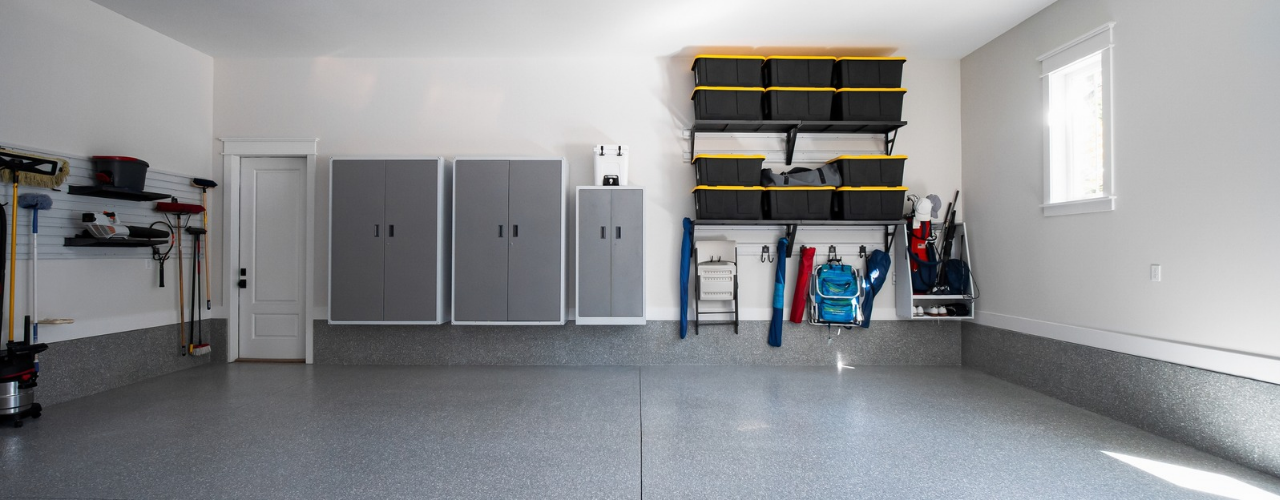
21 Garage Storage Ideas: Free Up Your Floor Space
Garage storage is more important than it sounds, because it helps you move things off the floor and onto walls, ceilings and rolling units. In time, this makes a big difference and saves you from awkwardly tiptoeing around stuff you’ve left on the ground. Use the garage storage ideas below and you’ll build a setup that fits what you own, how often you use it and how much space you have.
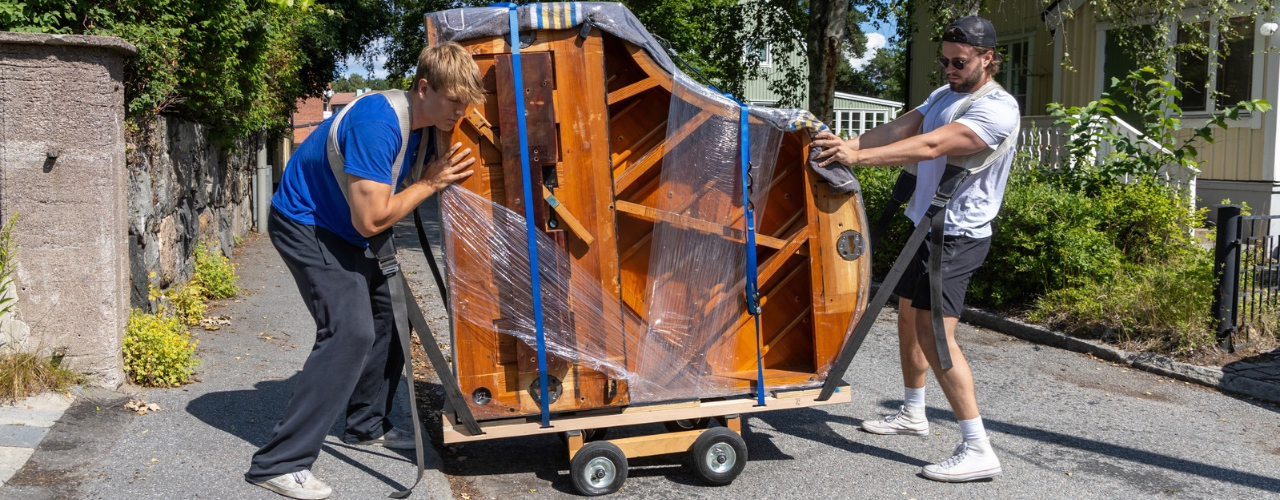
How to Move a Piano: Moving, Insurance & Storage Guide
Before we get into the nitty-gritty of the matter, let’s agree on the simple fact that, unlike other types of relocation conundrums, moving a piano is just a very cool thing to see, let alone accomplish. The labor that makes piano concerts possible and keeps legendary instruments alive, a piano relocation takes meticulous planning, special equipment and a crew that really knows their stuff. That is, unless you’re set on recreating the piano crash of a classic Looney Toons gag.
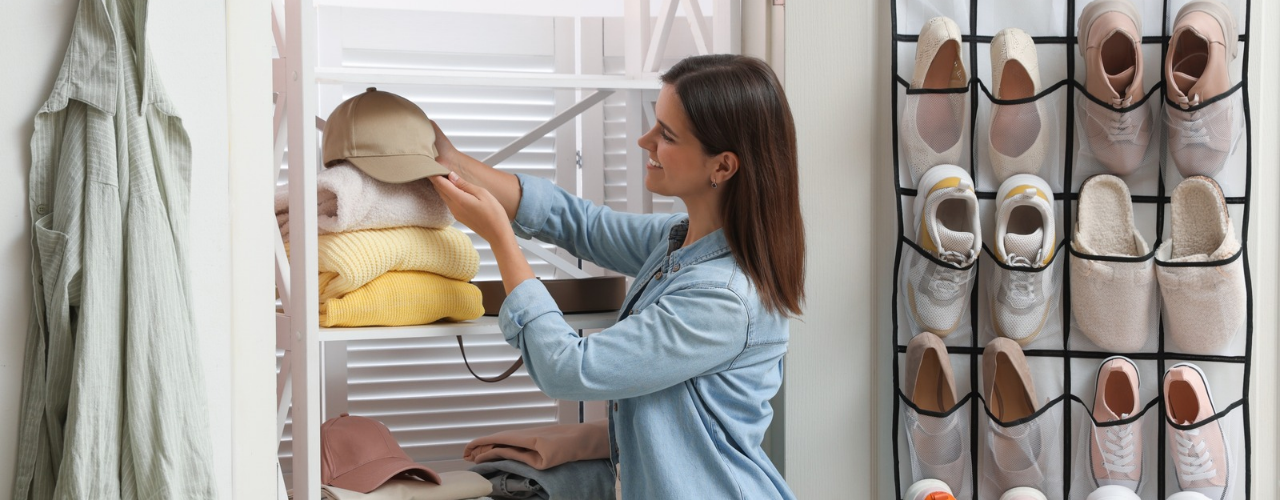
Hall Closet Organization: 30 Ideas for Simpler Storage
Be it built-in, freestanding, or wholly improvised, your hall closet works best when you can grab anything quickly and put it back just as fast. These 30 ideas for organizing your hall closet walk you through planning, deciding where things go, choosing the right containers and way more. By the end, you’ll even know what to do when your closet still runs out of room.

Holiday Decoration Storage: A Guide for Every Season
Taking down the holiday decorations is never as exciting as putting them up. One minute, your home is looking wonderfully festive, and the next, you’re trying to remember which box the Christmas ornaments came in while wrestling with a string of lights that managed to tie itself into a dozen knots. With every holiday bringing its own collection of decorations, a good holiday decoration storage system helps you keep a growing collection under control.

Where to Get Moving Boxes in Philadelphia
Philadelphia’s historic charm can put your patience to the test on moving day. Between cobblestone streets, narrow rowhouse entrances and the occasional pothole, you don’t want to worry about not having enough boxes on top of it all. Start gathering your moving boxes early and you’ll have one less box to check off on packing day. Luckily, you have plenty of places to get your boxes from.

Art Supply Storage from A to Easel
Paint tubes, brushes, sketchbooks, scraps of paper, beads, half-used rolls of tape and that one very specific pen you swear you just had in your hand. Building up an art supply collection is rarely a neat process, and each new material brings its own storage needs.

Scary Good DIY Halloween Decorations That Won’t Haunt Your Wallet
A few floating candles in the hallway, a family of ghosts by the front door and a suspicious number of bats climbing up the bedroom wall can make October feel a whole lot spookier. While Halloween stores are full of tempting finds, some of the best DIY Halloween decorations can come from things you already have tucked away in drawers, closets or the recycling bin.
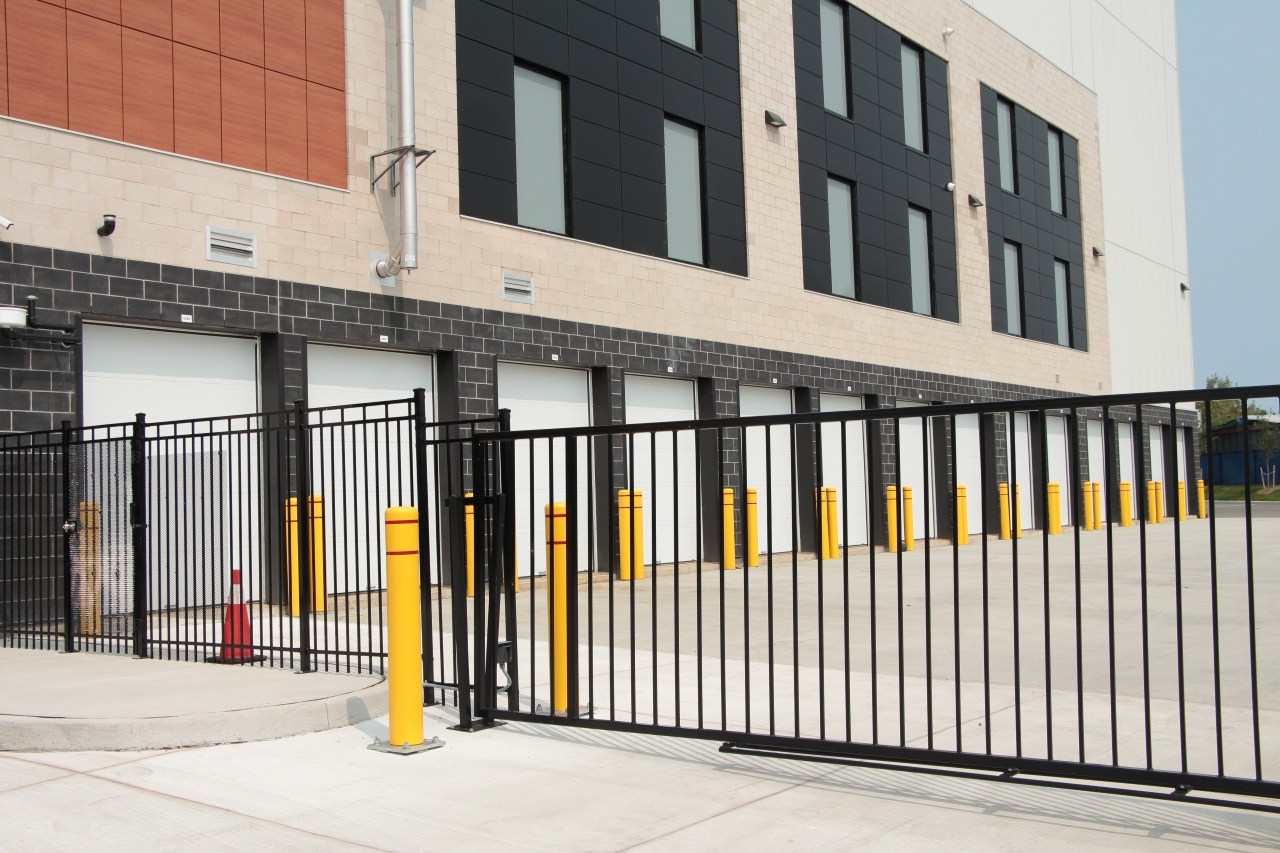
Suburban Giants and Urban Risers: Where America’s 100 Largest Metros Fall on the Self Storage Map
Self storage has long been a suburban story. Across America largest 100 metros, 59% of the inventory built over the past decade sits outside city cores, largely preserving the ratio of the total existing inventory.

Sweatshirt Storage Ideas Worth Keeping Up Your Sleeve
Sweatshirts are great until you realize how much room they take up. A few thick hoodies can fill a drawer fast, with lighter crewnecks getting squashed underneath or pushed somewhere you forget about. Good sweatshirt storage can make that pile much easier to manage without requiring a bigger closet.