

Sweatshirts are great until you realize how much room they take up. A few thick hoodies can fill a drawer fast, with lighter crewnecks getting squashed underneath or pushed somewhere you forget about. Good sweatshirt storage can make that pile much easier to manage without requiring a bigger closet.
The trick is not treating every sweatshirt the same. Heavy hoodies can lose their shape when they’re hung for too long, while graphics and embroidery need a little care when you fold them. Even in a small bedroom(opens in new tab), a few tweaks in how you use a drawer, shelf or closet door can give a growing collection a lot more breathing room.
Let’s get into the folds, rolls and other tricks worth keeping up your sleeve.
Fold your sweatshirts according to their weight
Before you start rearranging drawers or buying organizers, take a look at what you’re trying to fit inside them. Sweatshirts vary in thickness, and using the same folding method for every one can leave you with stacks that topple over or drawers that barely close.
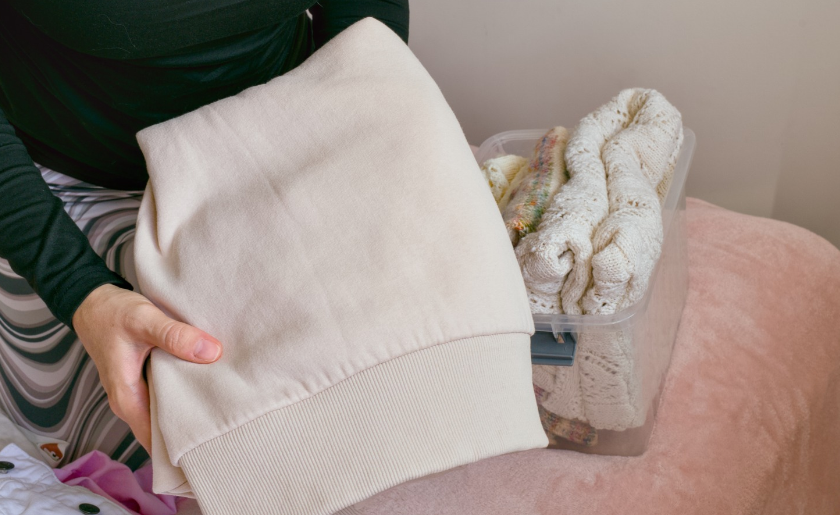
Thinner crewnecks and lightweight pullovers are good candidates for vertical folding. Fold the sleeves inward, bring the sides toward the center and fold the sweatshirt into a compact rectangle that can stand upright alongside the others.
Besides fitting more into a drawer, this keeps every sweatshirt visible instead of leaving you to work your way through a pile. Consider it a roll call for your crewnecks.
Heavyweight sweatshirts and thick hoodies are better stored flat, as their fabric takes up more room when compressed into a vertical fold. Plus, a large hood can make the finished bundle uneven. Tuck the hood inside the body first, then fold the sleeves inward and bring the bottom of the sweatshirt up. You get a flatter shape that stacks neatly on a shelf or in a deep drawer.
Save the tighter folding methods for sweatshirts that can handle them. Let that heavyweight work hoodie keep its natural shape instead of squeezing it into the same rectangle as your soft cotton crewneck for the sake of a matching row.
Bundle your hoodie inside its own hood
A hood makes a sweatshirt harder to fold, but one trick keeps the whole thing bundled together. Sometimes called the hoodie-in-the-hood method, it turns the sweatshirt into its own little storage pouch.
Lay the hoodie flat with the front facing down and fold the sleeves across the back. Fold each side toward the center to narrow the body, then bring the bottom upward until you have a compact rectangle sitting just below the hood. Pull the hood over the folded sweatshirt and tuck everything inside.
The result is a self-contained bundle that stays together when you move it around, which comes in handy in deep drawers, storage bins or suitcases. There’s no loose hood flopping over the side and no folded sweatshirt unraveling the second you pick it up. Ta-da, now your hoodie has its own built-in storage bag. Rude of it not to mention that sooner.
Take sweatshirt storage over the door
Closet shelves may get most of the attention, but a packed dresser is a good reason to look behind door number one. An over-the-door shoe organizer can hold sweatshirts instead, with one folded piece tucked into each larger pocket. You can see what you own without disturbing the rest, and the organizer disappears behind the door when you close it.
This setup makes the most sense for lighter sweatshirts that won’t strain the pockets or make the organizer sag. Roll or loosely fold each one before sliding it in, leaving part of the fabric or graphic visible so you can tell them apart without pulling out half the lineup. Clear pockets make the decision even easier when it’s 40 degrees outside and 70 by lunch.
Renters get another perk here, as most versions hang directly over the door, so there are no holes to patch later. When Minnesota-level sweatshirt season arrives, nobody has ever complained about having one more hoodie in the lineup.
Give graphic sweatshirts the VIP treatment
That concert crewneck you waited 40 minutes at the merch table for deserves more than a crease straight through the tour dates. Before storing sweatshirts with screen-printed graphics, embroidery or older designs, turn them inside out. This keeps the decorated surface from rubbing directly against neighboring clothes as you move pieces in and out of a drawer.
Where you place the folds deserves some attention too. Try not to crease a large graphic directly down the middle. Older prints with a few years behind them can be more prone to cracking along that fold. Shift the fold slightly above or below the design instead, then store the sweatshirt flat without adding several heavy pieces on top.
Vintage sweatshirts warrant an even gentler hand, because years of washing and wear can leave printed areas more vulnerable to cracking. A little extra room in the drawer is worth sacrificing. Your 1997 Bulls sweatshirt has survived enough.
Leave yourself a clue in the fold
Five gray crewnecks folded into identical bundles may look satisfyingly organized, right up until you want one specific gray crewneck. Instead of folding every sweatshirt for perfect uniformity, position each one so the detail you recognize first faces upward. A bit of lettering, a colored cuff or part of a logo is enough to tell one gray piece from another.
The same idea works with vertical drawer storage. Decide which part of each sweatshirt makes it recognizable and keep that section facing the front or top as you fold. Sports merch can show a sliver of the team logo, while a college hoodie might only need enough of its lettering visible to tell it apart from the rest.
Borrow a folding trick from the military
The Ranger Roll, a folding technique associated with military packing, creates a tight bundle that stays closed on its own, making it worth trying for travel or soft-sided storage bags.
Start by flipping the bottom couple of inches of the sweatshirt inside out to form a cuff. Lay the sleeves across the body, fold the sides inward and begin rolling from the neckline toward the bottom. Once you reach the cuff, stretch it around the roll to hold everything together. Hoodies can join in too. You just have to tuck the hood into the body before you begin so it doesn’t add an awkward lump to the finished roll.
Save this method for sturdy everyday sweatshirts rather than vintage pieces or anything with a delicate graphic. The finished rolls sit side by side in a suitcase or duffel and stay tight through rough handling.
Pack away for sweatshirt season properly
When the weather warms up, there’s no reason to have thick hoodies and sweatshirts filling your closet all summer. Pack them away until fall(opens in new tab), but give them a little attention first. You don’t want to open that bin months later and realize something went wrong while they were stored.
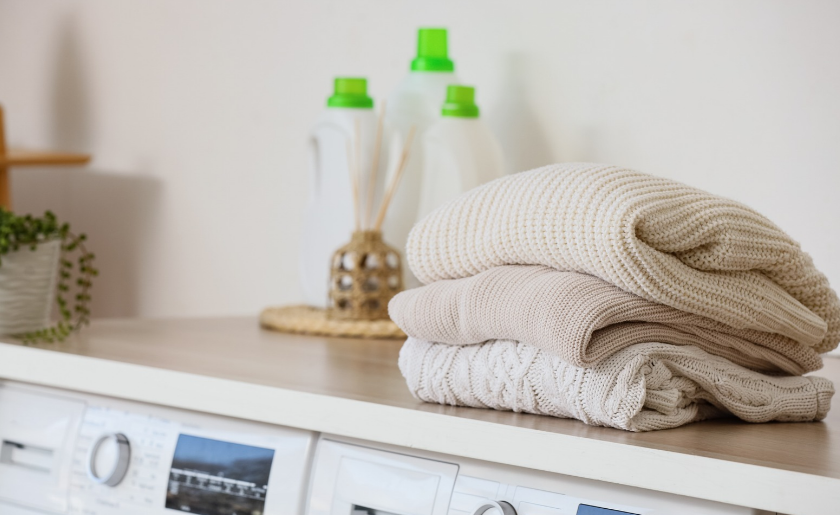
Here’s what you can do:
- Wash every sweatshirt first. Wash everything before packing it away. Even if a sweatshirt looks clean, anything left on the fabric can become much harder to deal with after sitting there all summer. Treat any stains you notice and check the care label before washing.
- Let everything dry completely. Don’t pack a sweatshirt that’s damp from the dryer or air-drying rack. Moisture sealed inside a container can encourage mildew and leave behind that musty stored-clothes no one wants.
- Empty the pockets. Receipts or gum wrappers are notorious for hiding there. Check zippered pockets too.
Fold rather than hang. Months on a hanger can pull at the shoulders of heavier sweatshirts and leave them misshapen. Fold them loosely enough that you’re not creating hard creases through graphics or embroidery. - Choose a sturdy plastic bin with a secure lid. It offers better protection from dust and pests than an open box, while giving your sweatshirts enough room that closing the lid doesn’t require sitting on it like an overpacked vacation suitcase. No spare shelf? A low, lidded bin can slide under the bed(opens in new tab).
- Add silica gel packets(opens in new tab) when moisture is a concern. A few desiccant packets can help manage humidity inside the container. Keep them intact and follow the manufacturer’s directions rather than scattering loose desiccant among the clothes.
- Pick a cool, dry location. Garages and attics can experience big changes in temperature and humidity, so an interior storage area is preferable when you have one.
- Be specific on the label. “Winter clothes” won’t tell you much six months from now, while “Hoodies + crewnecks” will.
If you don’t have enough room at home for several bins of off-season clothes, a self storage unit(opens in new tab) is another option. A 5’x5’ storage unit(opens in new tab) can hold quite a few clothing bins without committing to a large space. Keep them off the floor and place anything you’ll want first closer to the front.
For vintage sweatshirts or pieces you’d be upset to damage, look for climate-controlled storage(opens in new tab). It helps limit the temperature and humidity changes that can be rough on older fabrics and printed designs, especially when you’re storing them for months at a time.
Come pumpkin spice season, your sweatshirt collection can make its annual return.
What to do with sentimental sweatshirts you no longer wear
There’s a reason that faded college hoodie has survived every closet cleanout since graduation. At a certain point, what’s printed across the front can carry more weight than the sweatshirt itself, whether it reminds you of a team or a trip you still talk about.
Separate the sweatshirts you’d wear again from the ones you’re keeping for the memory. With the latter, ask yourself what you’re attached to. Sometimes it’s the whole sweatshirt, worn cuffs included. Sometimes one graphic or patch is doing all the emotional heavy lifting.
Keep the memories, rethink the sweatshirt
If you’re a DIY person, an old favorite can stick around without remaining wearable forever. Pieces that are too worn for your closet can become something you’ll see and use much more often.
1. Turn several sweatshirts into a quilt
You can cut old college, team or concert sweatshirts into squares and sew them together into a memory quilt. This works well for a collection connected to the same period of your life, preserving the graphics without dedicating storage to every full sweatshirt.
2. Frame the graphic
When one logo or design carries most of the sentimental value, cut out that section of fabric and frame it. A shadow box leaves room for thicker embroidery and patches, turning something that spent years inside a drawer into something you can display.
3. Make a sweatshirt pillow
For a sweatshirt whose fabric matters just as much as the graphic, turn the body into a throw-pillow cover. Center the design on the front and you’ll preserve more of the original material than you would with a framed section. Bonus points if the sweatshirt already spent years being worn during couch marathons.
Cutting into an old favorite is obviously a one-way trip, so reserve these projects for pieces you’re comfortable altering.
If the whole sweatshirt matters, keep the whole sweatshirt. Give it a proper place instead of demoting it to the mysterious chair-clothes department where your freshman-year hoodie has tenure at this point.
FAQ
Can a sweater organizer for a closet hold sweatshirts?
Yes, as long as the shelves can support the weight. A hanging sweater organizer for a closet rod works well for lightweight crewnecks and thinner pullovers. Heavy hoodies fit better on reinforced shelves or in bins, because thick fleece can make fabric cubbies sag. Keep stacks to three or four per cubby so the bottom sweatshirts don’t get compressed.
Can you vacuum seal sweatshirts for storage?
Yes, but only for short-term storage of sturdy, everyday sweatshirts. Vacuum bags shrink bulky fleece and make it easy to slide a stack under a bed or onto a high shelf. Months of compression can flatten the fabric and set deep creases, so avoid pulling the bag completely flat. Skip vacuum sealing for vintage pieces and sweatshirts with screen-printed graphics or embroidery, which can crack under pressure.
How do you keep moths away from stored sweatshirts?
Wash every sweatshirt before storing it, because moth larvae are drawn to body oils, sweat and food residue. Keep the sweatshirts in a lidded plastic bin, which blocks moths better than an open box or cloth bag. Cedar blocks or lavender sachets add mild protection but don’t replace clean fabric and a sealed container. Wool-blend sweatshirts carry the highest risk, so check them first when you unpack.
How do you get fold creases out of sweatshirts after storage?
Tumble dry the sweatshirt on low heat with a damp washcloth for a few minutes, then hang it briefly so the creases relax. A garment steamer works for stubborn lines when held a few inches from the fabric. Avoid ironing directly over screen prints, embroidery or patches, because heat can crack or warp them. To prevent deep creases next season, shift the fold line slightly each time you repack.
A little less sweat, a little more shirt
Once you know how to store sweatshirts according to their weight, fabric and how often you wear them, even a sizeable collection becomes easier to live with. Some may spend winter front and center, others can disappear for the summer and the sentimental few have earned the right to stick around in whatever form makes sense to you.
Your closet stays under control without military-level precision. Give each sweatshirt somewhere that suits it, retire the ones you’re ready to part with and leave yourself enough room for the next hoodie you promised yourself you weren’t going to buy.
That should keep your sweatshirt collection in crew control.


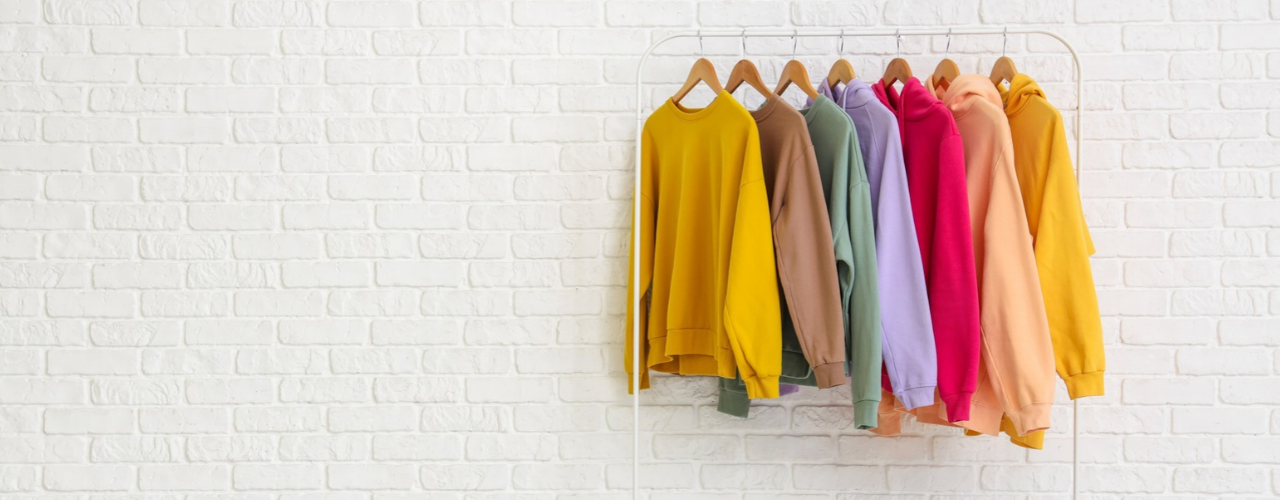
Sweatshirt Storage Ideas Worth Keeping Up Your Sleeve
Sweatshirts are great until you realize how much room they take up. A few thick hoodies can fill a drawer fast, with lighter crewnecks getting squashed underneath or pushed somewhere you forget about. Good sweatshirt storage can make that pile much easier to manage without requiring a bigger closet.

Living Room Storage Ideas: 28 Ways to Reclaim Your Hosting Space
If a living room is where most of a household’s living happens, good storage should be the top priority for setting up or revamping the place. After all, think of how easier it would be to have people over when tidying up the place is just a matter of putting things in their right place (in a time when fewer and fewer people are entertaining friends at home(opens in new tab)). The trick is making room for all those wayward clothes, blankets, chargers and other small things that end up on (or, inexplicably, in) the sofa. Here are 28 living room storage ideas to get you started and make tidying up a quick affair.

25 Mudroom Storage Ideas (And Mistakes to Avoid)
When you come home with muddy boots, an armful of bags and a coat you can’t wait to take off, it’s nice to have somewhere to put it all. With a mudroom, you can leave the outdoor mess at the door instead of carrying it through the house. Traditionally, you’d set aside a separate room, but you can just as easily use a hallway, an entryway closet, a laundry-room corner or a stretch of wall near the entrance.

Is Your Home Office Worth the Rent? What Coworking and Self Storage Could Save You
Every square foot of your apartment comes with a price tag, and a home office claims more of them than most renters expect. It starts with a desk. Then come the second monitor, the printer, the filing cabinet and the overflow boxes. Before long, the corner you set aside for work has turned into a small room you are paying for every month.

Best U.S. Cities to Live Uncluttered: Plano, TX, Offers the Most Room to Breathe
Clutter is in our homes as much as in our heads. Both are shaped by where we live.

America’s Top Snowbird Destinations for 2026–2027: Florida Leads in Numbers, Texas Wins on Value
For Americans living in colder states, the approach of winter is reason enough to start looking south. Cold weather carries costs that go beyond the heating bill and shoveling snow. Seasonal affective disorder(opens in new tab) is far more prevalent in northern states, so a temporary move south isn’t simply an escape from the cold, but a chance to spend the hardest stretch of winter outdoors and in the sun.

How Much Does Halloween Really Cost in 2026? Plan Wisely to Avoid the Scare of Hidden Costs
Americans’ love for Halloween is almost frightening — this year alone, we are on our way to spending $13.5 billion, according to data from the National Retail Federation(opens in new tab). That breaks down to about $115 Halloween costs per person, a whopping 49% more than 10 years ago.
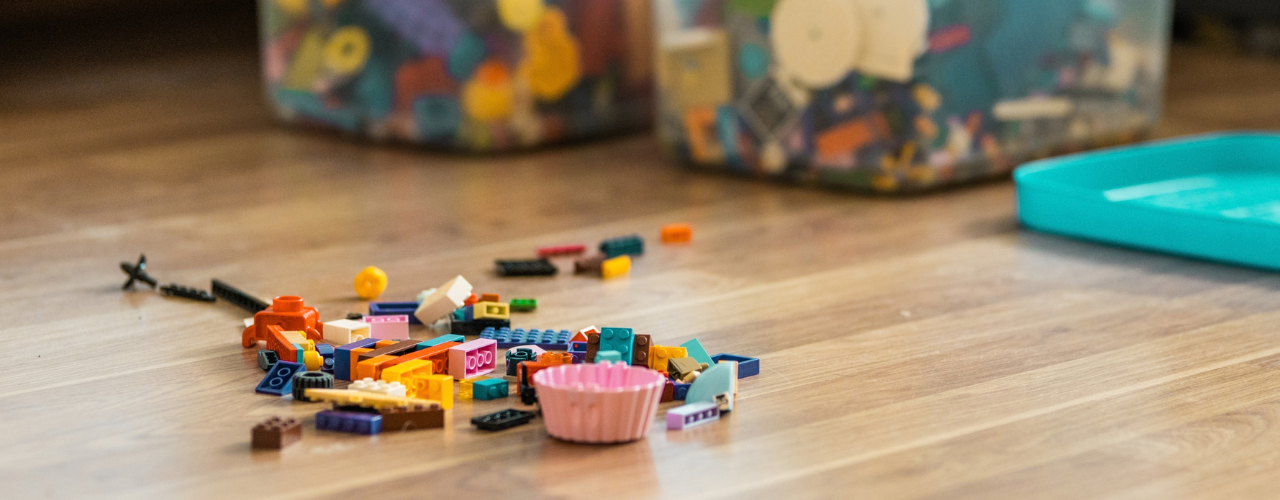
How to Store LEGOs: All the Fun, None of the Clutter
How to store LEGOs largely comes down to how your household uses them. If the bricks are part of everyday play, you need a setup that keeps them within easy reach and makes cleanup quick (for your feet’s sake, at least). Toy storage(opens in new tab) such as simple bins, playmats or containers that children can put away themselves may be enough. Larger or more serious collections usually need more organization, such as labelled drawers for loose pieces, trays for unfinished builds, shelves for completed models and separate storage for retired sets.

Cardboard Costume Guide: Tips and Ideas for a DIY Halloween
Whether for kids or adults, cardboard costume ideas often make the biggest splash once materialized, and that’s for a simple reason: doing a lot with a little is a universally impressive feat (especially in this economy). If you don’t have enough boxes you could temporarily repurpose, don’t worry! There are many places where you can find free moving boxes(opens in new tab), from stores and supermarkets to online groups and recycling drop-off spots. On the run? Try your luck at a self storage(opens in new tab) facility that sells moving supplies, often for cheap. This way, you can choose moving boxes of different shapes and sizes(opens in new tab), so you can make your costumes as complex as you want.