

The last few weeks were pretty stressful, to say the least. The lockdown we went through was an unprecedented event, and most people were caught off guard as the rapid spread of the virus was hard to believe. All of a sudden, we found ourselves needing to look for ways to cope with this new reality and more attention was given to finding agreeable and constructive ways to spend time while being cooped up indoors.
Fortunately, there are plenty of interesting activities you can do from the safety of your own home, from baking and gardening to learning a new language or an instrument – and they are worth keeping up as they offer great escapes from daily routines and will help dealing with depression and anxiety. Moreover, even as lockdowns are being lifted around the country, social distancing is expected to continue for months, or even longer – so, if you haven’t yet found the perfect hobby to get you through these unsettling times, here are some fun, creative and also practical ideas to get you started.
1. Learn to code
Computer coding is sometimes seen by people as a kind of superpower – and it’s no lie to say it’s extremely useful to be able to code. However, it’s the kind of superpower you could master yourself, at least to a certain degree. You won’t become the next Bill Gates overnight, but you can definitely learn the basics of some programming languages.

If you’re interested in setting up your own blog to publish your ideas and activities, it will be extremely useful to learn some HTML. It’s one of the simplest, most intuitive computer languages and a good start for learning how to code. Python is another accessible, general-purpose coding language ideal for beginners. To become adept, consider exploring in-depth Python courses that offer comprehensive learning paths online.
The resources for learning to code are abundant and mostly free online – use the time you have at your disposal to gain skills that are always asked for on the job market and, more importantly, that can be done from the safety of your home.
2. Become a mentor for others
If you’re proficient in a certain area – art, music, sports, math, and so on – you could share your knowledge and passion with other people. It’s helpful to feel connected to others and to meet new people, at least online.
Let your friends and family know you’re willing to provide online courses or post about it on social media – a lot of parents out there will be grateful to you for entertaining and educating their kids. You could also contact educational NGOs – they probably could use trainers right now, and you’ll be able to connect to a wider audience.
3. Quilt your lockdown story
Start quilting – it’s fun, it’s creative, and you’ll end up with a cozy bedspread that you can keep and maybe one day show to your grandchildren. Quilts can tell stories – so you can design yours to mirror your thoughts and feelings from the pandemic lockdown. You need fabric, thread and needles – and to watch some online tutorials – and then you’re ready to go.

Quilting even helps you recycle clothes or bedsheets you’re no longer using – cut them up and include them in your design. You do need some workspace to make a quilt, so it might be a good idea to rent a storage unit and move some of the stuff you don’t use right now into it, for example sporting equipment, seasonal items and so on.
4. Coloring is not just for kids
Adult coloring books became all the rage during the last few years, and for good reason: there’s something inherently calming and fulfilling about adding color to intricate, gorgeous designs. Not only that, but it’s also the kind of hobby you can do with your kids, helping all of you bond and spend some quality time together during this summer. Travel and summer camps might not be possible right now, but you can still bring some color into your life.

5. Try your hand at whittling
All you need is a pocketknife and a few pieces of wood – whittling is a fun, cheap and accessible hobby for people who love to create things with their own hands. Now, you finally have the time to turn the wooden spoons in your home into true works of art.
6. Juggle your stress away
Busy people are normally juggling with tasks, errands, and meetings. But the lockdown and the social distancing rules brought many of those things to a standstill, so why not start juggling…. literally! It’s an activity that engages you both mentally and physically and requires perfect concentration, helping you free your mind from all the stress and negative thoughts.
7. Learn a new language
Whether perfecting your high-school Spanish or getting ready for your dream vacation when the pandemic is over, now is the perfect time to improve your foreign language skills. Apps like Duolingo or Babbel make the process fun and interactive, and, in no time, you’ll be able to have a short, basic conversation in a new language.
8. Start a podcast
If the weeks of staying at home and talking with just a handful of people affected your spirits, starting a podcast will provide the audience you crave. Discuss your favorite topics and connect with likeminded people – podcasting certainly makes social distancing easier to deal with.
9. Try calligraphy to clear your mind
Calligraphy is a little bit of a forgotten art. Computers and smartphones made even regular writing by hand almost obsolete, let alone calligraphy. However, learning it can be rewarding and useful. Everyone loves getting a beautiful handwritten thank-you note or card, and you’ll feel like a character from a Victorian novel every time you send one. There are online courses that can teach you all about calligraphy and its intricacies.
10. Get creative with origami
Origami will ensure hours of entertainment for the entire family, kids and parents included. It’s a very accessible hobby – literally all you need are pieces of paper and some tutorials, which are widely available online.

Origami is great for children because it develops excellent motor skills, cultivates patience and mental concentration, and encourages the imagination. This art form can be as simple or as complex as you want it to be – from folding a simple butterfly to manufacturing a dragon that takes hours upon hours of practice to complete.
Have you discovered a new passion, or have you started a new hobby during the lockdown period? Let us know in the comments!


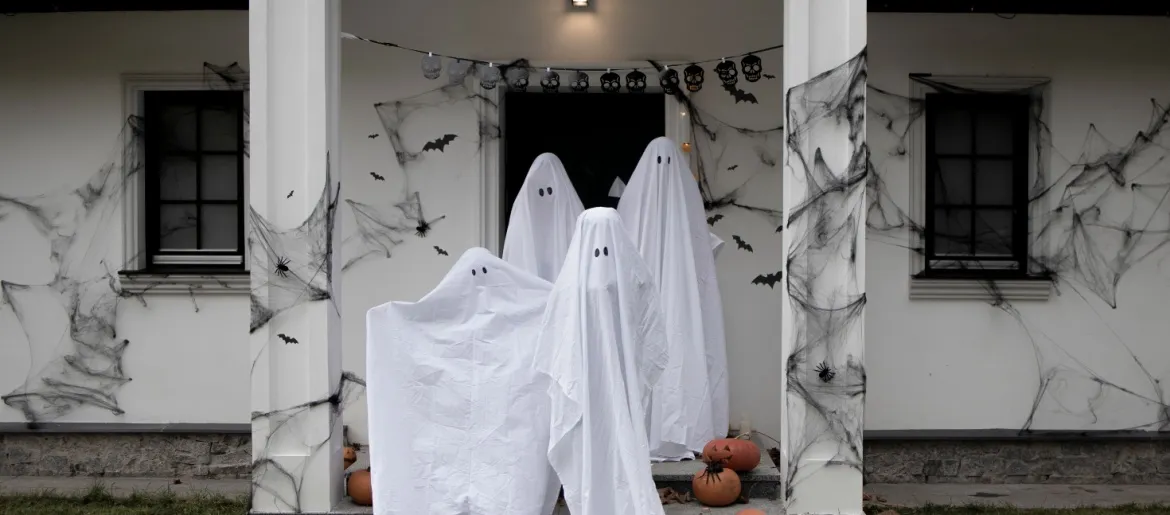
How much does Halloween really cost in 2026? Plan wisely to avoid the scare of hidden costs
Americans’ love for Halloween is almost frightening — this year alone, we are on our way to spending $13.5 billion, according to data from the National Retail Federation(opens in new tab). That breaks down to about $115 Halloween costs per person, a whopping 49% more than 10 years ago.
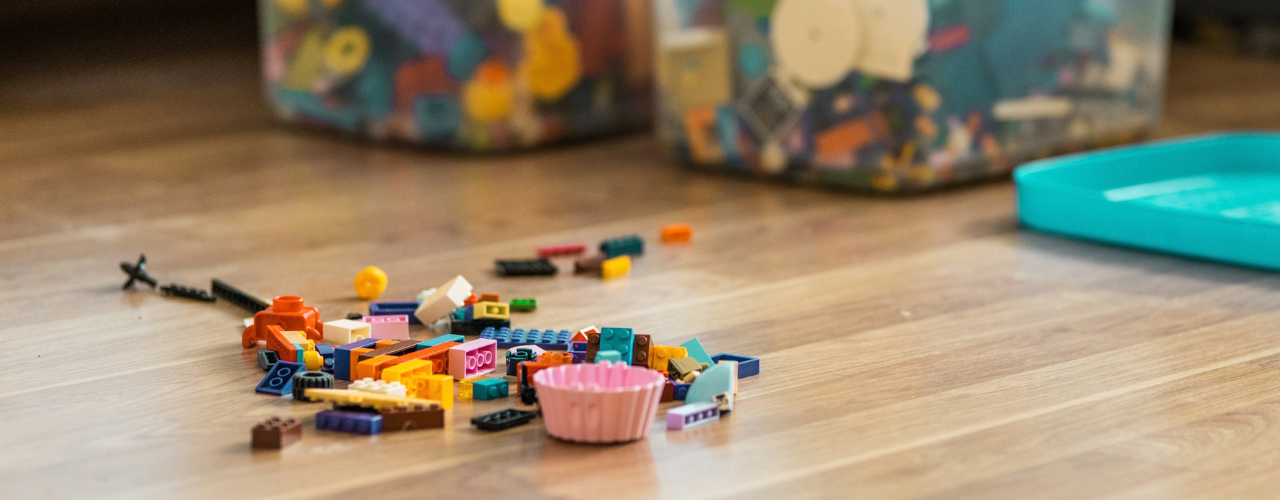
How to Store LEGOs: All the Fun, None of the Clutter
How to store LEGOs largely comes down to how your household uses them. If the bricks are part of everyday play, you need a setup that keeps them within easy reach and makes cleanup quick (for your feet’s sake, at least). Toy storage(opens in new tab) such as simple bins, playmats or containers that children can put away themselves may be enough. Larger or more serious collections usually need more organization, such as labelled drawers for loose pieces, trays for unfinished builds, shelves for completed models and separate storage for retired sets.

Cardboard Costume Guide: Tips and Ideas for a DIY Halloween
Whether for kids or adults, cardboard costume ideas often make the biggest splash once materialized, and that’s for a simple reason: doing a lot with a little is a universally impressive feat (especially in this economy). If you don’t have enough boxes you could temporarily repurpose, don’t worry! There are many places where you can find free moving boxes(opens in new tab), from stores and supermarkets to online groups and recycling drop-off spots. On the run? Try your luck at a self storage(opens in new tab) facility that sells moving supplies, often for cheap. This way, you can choose moving boxes of different shapes and sizes(opens in new tab), so you can make your costumes as complex as you want.

How to Celebrate Halloween: 9 Non-Spooky Ways To Enjoy It
As soon as October starts, it’s the official Halloween month. And while for many people it means it’s open season to get the scare of a lifetime, others, especially families with small children, might prefer to celebrate in a tamer way that’s both kid- and adult-friendly. While you’re likely to find more events where the spook factor is high, here’s how to celebrate Halloween in a not-so-scary way:

Motorcycle Storage Guide: How to Store Your Bike Safely
Motorcycles may be born to be wild, but eventually even the wild ones need somewhere to park. Whether riding season is winding down or your current living situation comes with plenty of square footage for you and less for your bike, motorcycle storage is one of those parts of ownership that doesn’t get as much airtime as the open road.

Halloween Decorating on a Budget (And Cheap Ideas for Everything Elsee)
Halloween has crept a long way from its eerie origins. While All Hallows’ Eve has transformed through the centuries, it wasn’t until the 1930s that trick-or-treating became a tradition in the U.S. and businesses began conjuring up mass-produced Halloween costumes. Now, Halloween is a monster-sized, billion-dollar industry, with a cauldron full of costumes and decorations ranging from the mainstream to the macabre. But is it all really worth your wallet? Maybe, but we’ll let you in on a little secret: You can keep your Halloween decorating on a budget and save on everything else, too. Take this plan and see it through!

Moving From a House to an Apartment: What to Expect, How to Downsize & How Self Storage Helps
For some, moving from a house to an apartment is a financial decision. For others, it’s about simplifying life. Maybe the kids have moved out and half the house sits empty, or you’re approaching retirement and no longer want to spend weekends on repairs. Or perhaps you’ve been weighing the cost of buying a home and wondering whether renting simply makes more sense right now.
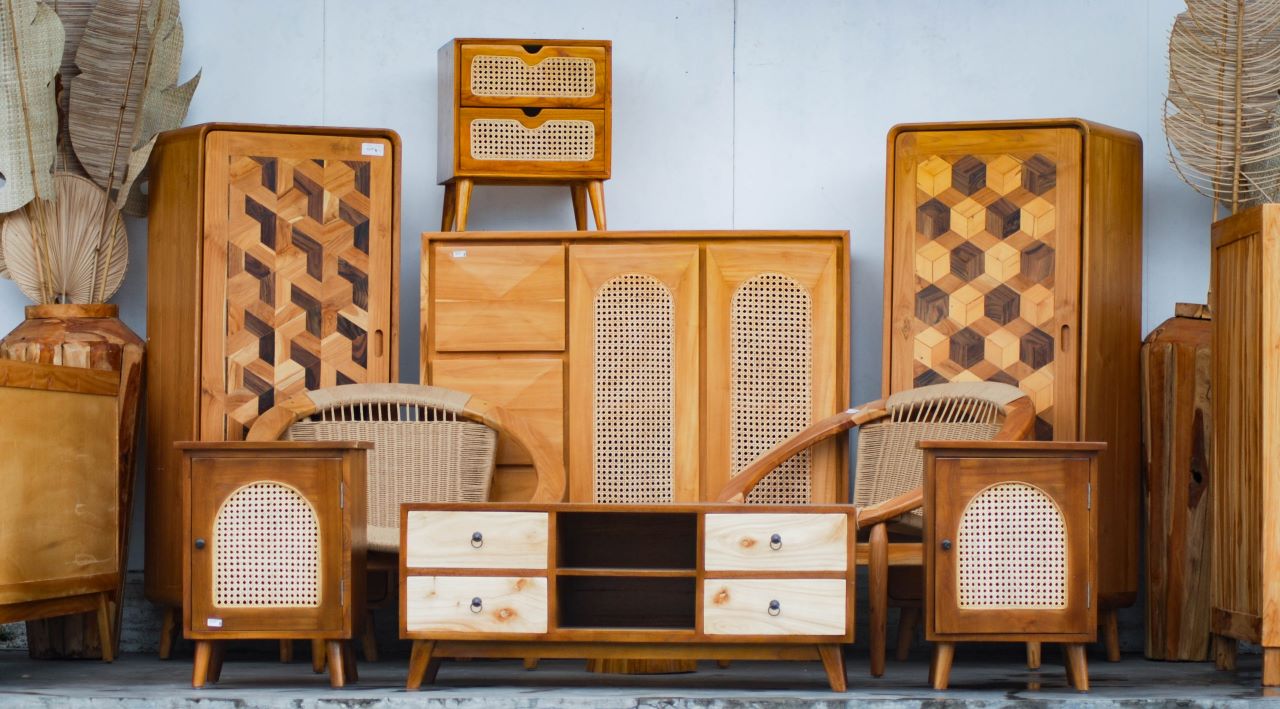
Family Heirlooms Overload: How to Handle Family Inheritance Without Regret
Handling family heirlooms after a loss requires managing legal authority, emotional pressure and practical logistics at the same time, and the order you take them on matters more than most people expect.
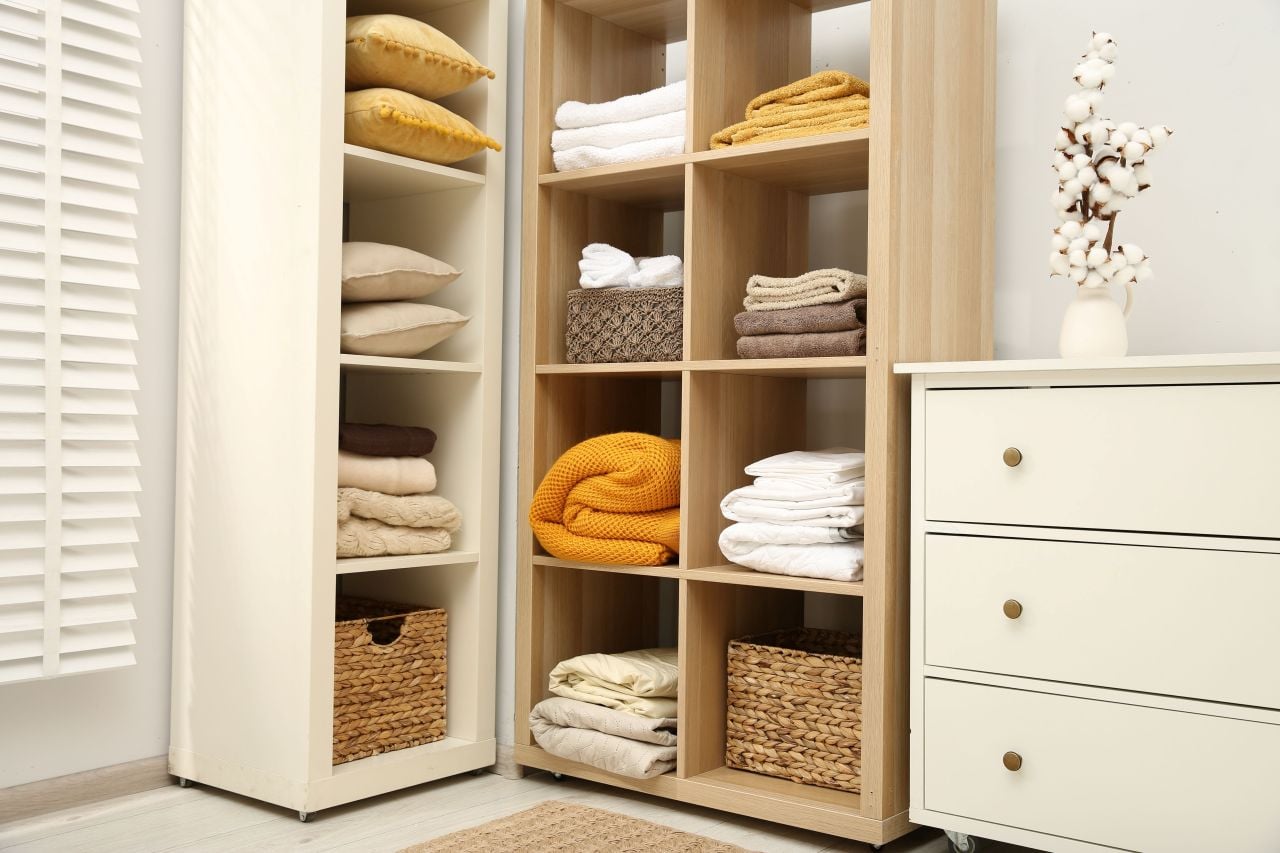
Blanket Storage: The Right Method for Every Space and Season
Blankets make our lives cozier, and storing them well is what keeps them soft and comfortable in the long run. Knowing how to store a blanket properly means your favorites come out of storage smelling fresh, feeling the same as when they went in, and lasting years longer than they otherwise would.