
What to Look For in a San Francisco Storage Unit When You Want to Expand Your Space at Home

It’s no secret that San Francisco is an expensive place to live – the average rent for an apartment in the metro area now hovers around $3,000 per month, according to Yardi Matrix. And obviously, the bigger the apartment, the pricier it gets. So how can you maximize space in a San Francisco home when square footage comes at a premium? A solution that will allow you to still love your place and the location, without too much financial pressure, is to rent a smaller apartment and keep some of your stuff in self storage.
When is self storage a good idea?
Self storage can help when downsizing, relocating or when you’re simply re-organizing your home for more living space. The current COVID-19 pandemic has created the context for seeking even more solutions to make room at home as people have suddenly found themselves working and studying, entertaining children and pets, cooking and exercising — all from their home base. The need for more space at home is pressing, and renting self storage is an easy, safe solution.

What to store?
When deciding what to store, you need to think about your daily routine. What furniture, gear, and other items are you using only on certain occasions? Seasonal items such as winter clothes or skiing equipment, that tent for summer camping at Lake Chabot or holiday decorations and ornaments, can all live in storage until you need them again.
Additionally, there are other items that might be worth storing away from home including sports equipment and certain electronics and appliances you’re not using but may need in the future. You might also want to store smaller items like books, collections, toys, tools, and so on.
By storing some of your stuff away, your home will become roomier and more inviting, and you’ll have space for helpful changes. A proper work-from-home desk, a mini gym area for workouts, or a fun crafts corner for your kids.
How much does storage cost in the Bay Area?
The average monthly rent for a standard 10X10 storage unit in San Francisco is around $215 as per Yardi Matrix data – and you can store a lot of stuff in a 100 square-foot unit. It’s definitely more accessible and affordable than paying a much higher rent every month just to fit all your things.
Here are a few extra things to consider when shopping around for a storage unit:
-
Climate-controlled units: Yes or no?
Climate-controlled storage units ensure constant temperature and humidity throughout the year, which help keep all your belongings in great shape. Climate-controlled units are important especially when storing items long-term, and in areas with extreme temperatures or huge variations of temperature and humidity.
That’s not necessarily an issue in San Francisco, where the climate is blissfully mild. So if you’re using a storage unit for a couple of months, you don’t need to worry about climate-control. However, if you’re putting stuff in storage long term, think about getting a climate-controlled unit. Winter months in San Francisco can be quite rainy, and that humidity can affect and potentially ruin your belongings.
And if you’re storing valuable and delicate items – important documents, rare books, antiques, expensive electronics, leather shoes and handbags – it’s recommended that you choose a climate-controlled unit in San Francisco, regardless of how long you’re planning to use it.
-
Location is important
Traffic is an issue in most busy urban areas, and San Francisco is definitely not an exception – a recent report by traffic analytics firm Inrix shows that each metro resident is stuck in traffic 97 hours each year. You don’t want to spend any more time in traffic going to and from your storage unit facility, so make sure you pick one that’s close to your home. You want to find a facility that is easily accessible by car, or even by bike or foot to avoid traffic all together. When selecting units, you can use the radius search feature on ILS sites like storagecafe.com that shows you all of the self storage options nearby. You can select facilities within three to five miles of your home to make storage trips easy and convenient.
-
Get the right size for your needs
Decide on the size of your unit based on the stuff you are planning to store. If you’re aiming to store a few boxes of books and clothes, children’s toys, collectibles, or a few extra chairs and a desk, all you need is a small 5X5 unit. However, if you have larger items – several pieces of bigger furniture, or appliances, for example, you’ll need a 10X10 unit, which is about half the size of a typical garage.

Larger sizes, such as 10X15, 10X20 or 10X30, are recommended when moving, because they can hold the contents of an entire apartment or house.
-
Storing heavy items? Get a unit with drive-up access!
Some storage facilities have their units located inside of a larger building, and often on multiple stories and levels. Other facilities have all of their storage units in rows, at ground level, which ensures drive-up access. If you’re planning to store heavy items, the drive-up unit is the way to go – you don’t want to haul heavy furniture up the stairs or in and out of elevators.
However, if you’re getting a storage unit for lighter things like clothing, toys, papers and so on, indoor facilities are the best choice, as their units are better protected from the elements.
-
Pay attention to safety measures
Make sure that a potential storage facility has proper safety measures: You’re looking for a fenced and gated property with an electronic barrier (or other type of controlled access), a well-lit interior space and security cameras. Bonus safety points for facilities with an onsite manager and/or overnight staff.

-
Learn about access hours
Access hours are another important factor to consider when shopping around for a storage unit. Most facilities have fairly regular business hours, from 8 or 9 AM to 6 or 7 PM. During that time, staff are on site to rent you a unit and provide more information about storing.
Once you lease a unit, you can access it outside of those business hours – usually from 7 AM to 8 or 9 PM, plus time on the weekends. Some facilities even ensure customer access 24 hours per day, seven days per week. If your schedule is chaotic and unpredictable, a facility with longer access hours is essential
San Francisco is expensive in terms of housing, but it’s an amazing place to live – and self storage will help you make the most of your living space.



How to Move a TV: The Right Way to Pack, Transport and Store Any Television
TVs rank among the most stressful items to move. They’re large, awkward to carry and one wrong move can leave you with a cracked screen or dead pixels. Modern LED, OLED, and QLED panels are significantly more fragile than the heavy TVs of the past. Their screens are thin, their internal components are delicate, and they’re designed to sit still on a stand, not ride in the back of a moving truck.

How to Store Bedding the Right Way (Without Smells or Flattened Fills)
If you’ve ever pulled a comforter out of storage and immediately caught a whiff of something musty, you know how frustrating it can be. Good quality bedding can be quite expensive, so you definitely want to keep what you own in pristine conditions.
Where to Get Moving Boxes in NYC: Your Complete Guide
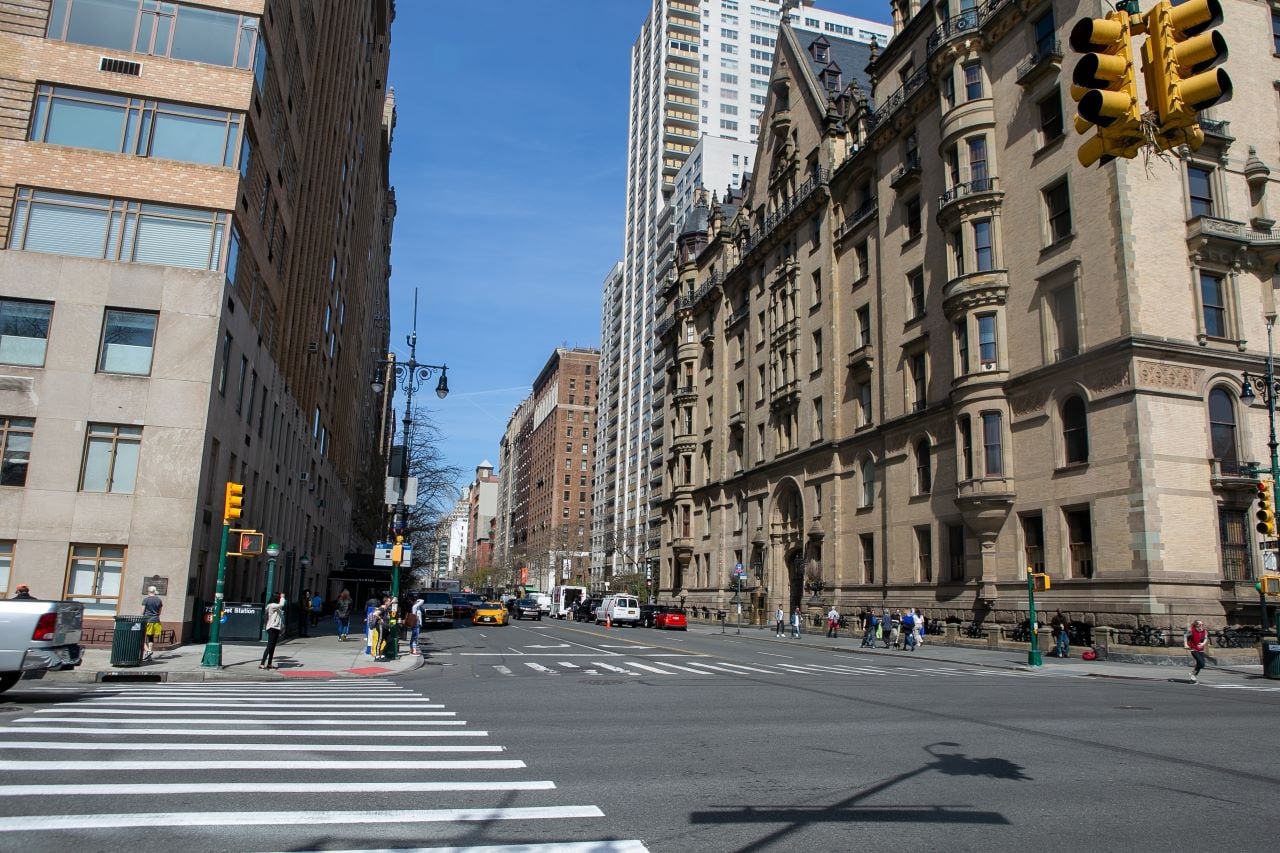
Moving across New York City comes with all sorts of logistical puzzles. You’re working around narrow staircases, building freight elevators with limited hours, alternate-side parking windows, and doormen who’d rather you weren’t blocking the lobby with a dolly. The last thing you want to be scrambling for on top of all that is moving boxes.

How to Keep Personal Belongings Organized When Living Together
You dreamed of the Friends apartment. Or maybe just a tidy place where you and your roommate had your own corners of the world. For couples, living together was supposed to feel like home. For multigenerational living, it was supposed to bring everyone closer. What nobody warns you about is that living together introduces a whole new layer of organization in shared spaces. Your stuff, their stuff and everyone’s habits are competing for the same square footage.
Where to Donate Furniture in San Francisco: 6 Organizations That Make It Easy
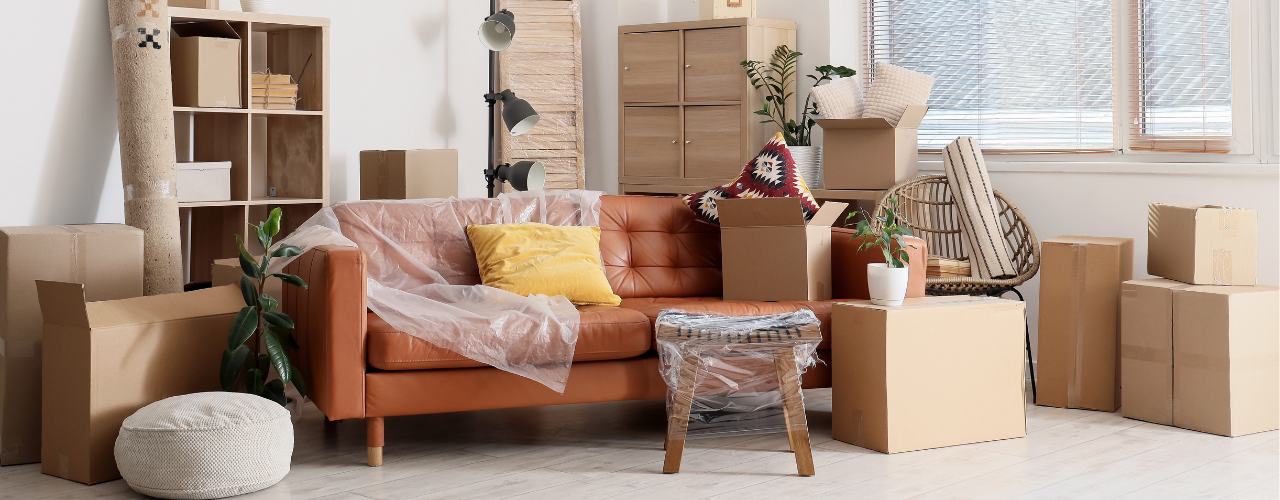
San Francisco has no shortage of places to donate furniture, which is good news in a place where moving trucks seem to be a permanent part of the streetscape. Anyone who’s ever watched three friends pivot a couch around the tight corner of a San Francisco Victorian knows moving day here can turn into a spectator sport. Apartments change, roommates come and go and sometimes the couch that fit in one place might not make the trip to the next.

How to Store Ties: Closet, Drawer and Travel Scenarios
The best way to keep your ties wrinkle-free is to just learn how to properly store them. You can start by knowing to never store ties knotted, in tight rolls, or exposed to direct sunlight or heat (which causes discoloration). But there are a few extra steps you can take to ensure your ties stay in top form. Let’s go through all the places and ways you can store your ties, and you may never have to worry about a crumpled necktie again in your life.
How to Store Belts (Without any Hassle)
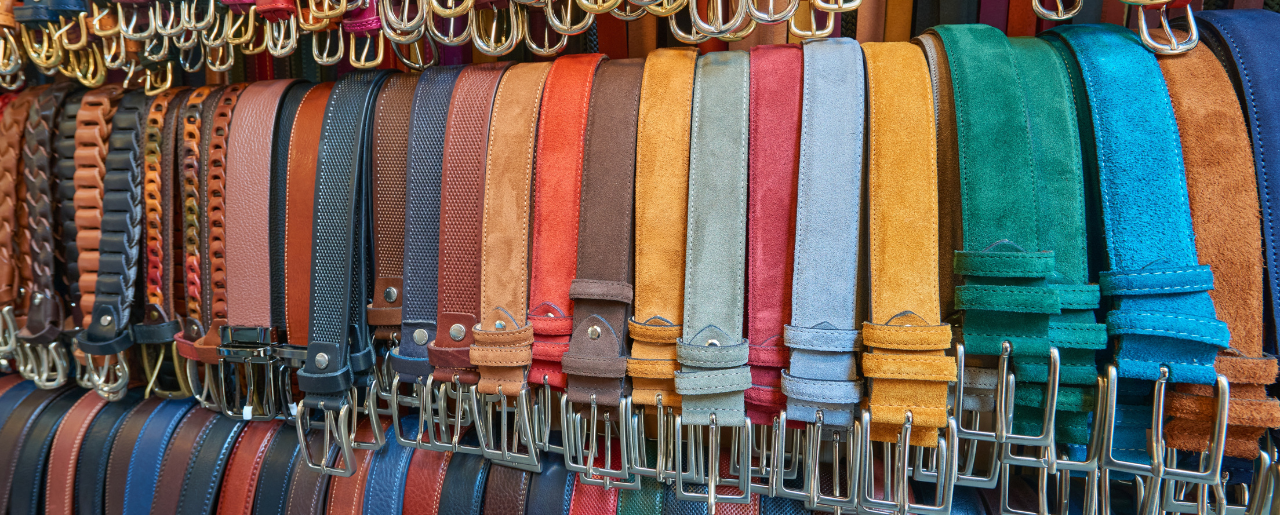
If you want to make sure you’re storing your belts properly, we get it. A belt might be a small part of an outfit, but small details can make a big difference. Belts have been part of clothing for thousands of years — dating back to the Bronze Age — and while their purpose has evolved, they remain both functional and personal. If you have a favorite leather belt, an expensive piece, or simply a few belts you want to keep looking their best, it’s worth knowing how to store them properly. The right method can help prevent creases, cracks, scratches and unnecessary wear.
Where to Donate Books in Chicago
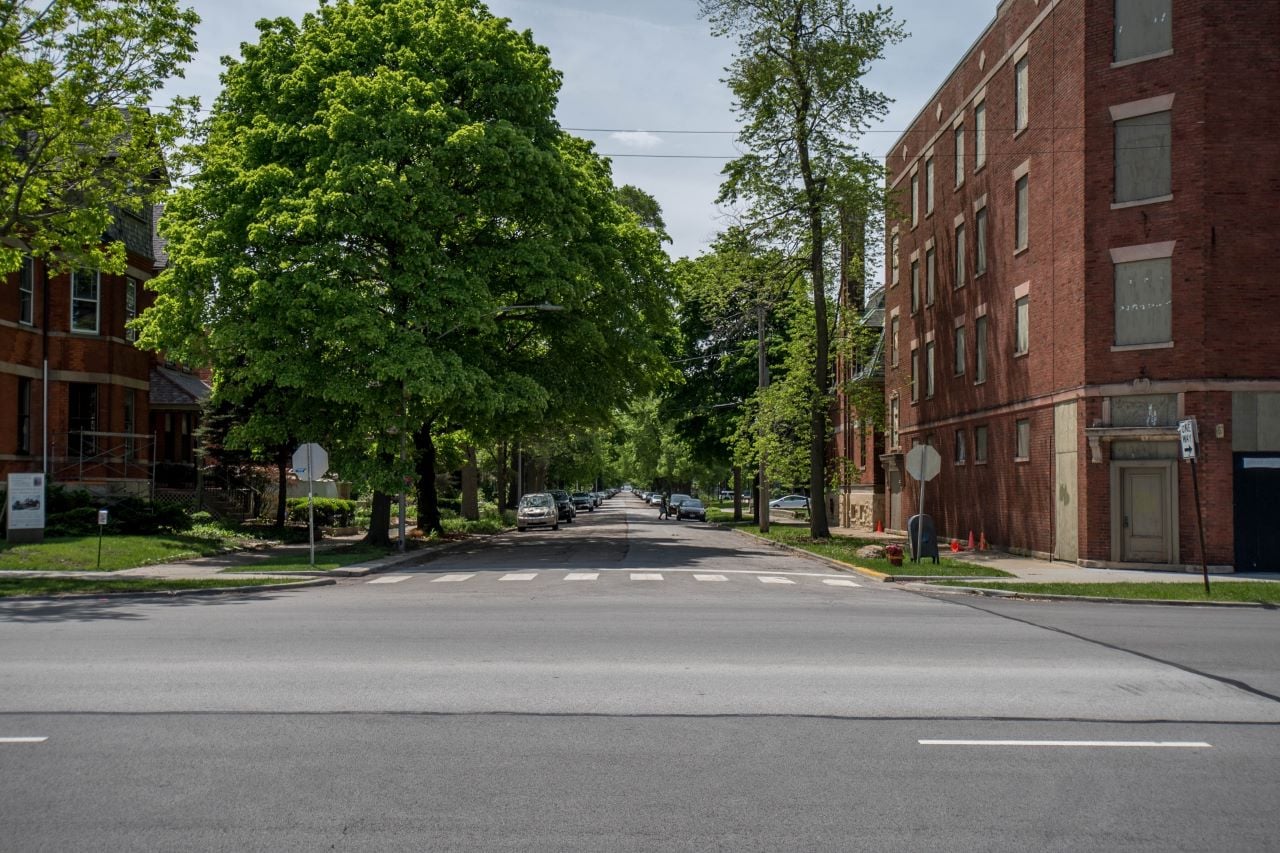
As much as we don’t like giving up books, sometimes we just have to in order to create the mental and bookshelf space for new literary adventures. But we all want to make sure our books aren’t wasted and get a second life. Chicago has a generous network of organizations that will put your books back into the hands of readers who’ll treasure them. Here’s where to donate books in Chicago, based on our research.

How Snowbirds Handle Traveling South: Car Shipping and Storage at Your Winter Home
Every fall, millions of Americans are confronted with the same logistical puzzle: pack up one home, land in another, and somehow keep both places functional for months at a time. If you’re a snowbird, you know the challenge isn’t just the packing. It’s also figuring out what travels with you, what you leave behind, and what to do about the car.