

Big homes are not uncommon in the Bay Area, but there never seems to be enough space for all the stuff we collect over the years. Some of the non-essential things we own are worth keeping – some may hold sentimental value, some may come in handy in the future and it’d be costly to replace them with new items – but there are many items that will no longer be loved nor used. Those are the items that must go, as they only lead to clutter and an unorganized home.
How to keep clutter away from your home
A great rule of thumb is to get rid of one item every time you buy something new. Let’s say you buy a new shirt – enjoy it, but also dig through your dresser and discard an old shirt you haven’t worn in a long time. The same goes for any other category of belongings, be it kitchen tools and appliances, electronics, toys, home décor or furniture.
Which way to go if you own too many things: donate, sell or store
While you may not need them anymore, it’s wasteful to throw away things that are in a good state – someone else might find them useful. Donating is a good deed, but you can also sell. We’ve looked into some of the best ways to dispose of or store your items in San Francisco and listed seven of them below.
1. Donate office outfits to Wardrobe for Opportunity
Wardrobe for Opportunity is a charity that, for the past 25 years, has supported people looking for a job by providing professional attire for their interviews. The organization is also offering training and workshops for unemployed people. So, if you’re purging your unused work outfits, they’ll be put to great use there.

2. Donate home textiles and clothes to USAgain
Clothes, shoes, and home textiles can be donated to USAgain. The organization collects, repairs and then distributes these items to people in parts of the world where there is a need for them. They have two main goals. First, to make good, quality clothing accessible. And second, to protect the environment and fight climate change by reducing the need for newly manufactured items.
3. Sell expensive items online
Sell valuable items online, such as brand name clothing, shoes or home décor. You can use platforms such as Craigslist or Facebook, but there are also websites dedicated to this type of merchandise. Try Poshmark, for example, where you can list high-end women’s, men’s and kids’ clothing, and home accessories. All you need to do is take pictures of your items and list them on the site for potential shoppers.
4. Rent a self-storage unit
You might not have the space to keep certain items in your home, but you still need them. Things like sports equipment, seasonal items, children’s toys and clothes take up a lot of storage space. The same is true for furniture that’s not suitable for your current apartment but may come in handy when you move into a bigger home.
In these situations, self-storage is the right solution. The monthly rate for a 10×10 storage unit in San Francisco hovers around $200, according to Yardi Matrix. A 10×10 storage unit is large enough to fit a few pieces of furniture and appliances plus multiple boxes or even a motorcycle. If you have fewer things to store, you can opt for a smaller, 5×5 unit. Those rent for about $80 per month in San Francisco.
5. Make the most of your old books
It’s difficult to let books go, but sometimes you have to do it in order to make room for the new ones. Also, children outgrow their books every couple of years or so – that’s why most families end up with a lot of books they no longer need.
Fortunately, there are many options around San Francisco that allow people to give new lives to their old books. The Friends of the San Francisco Public Library accepts book donations which they resell, and the funds are used to support the city’s public library.

The Children’s Book Project collects donations of books for children of all ages, which they then distribute to community centers, shelters, schools or daycares. You can also drop off books to one of San Francisco’s many Little Free Libraries located in public places. People interested in reading can visit these sites and borrow books.
6. Here’s how to deal with bulky items or construction debris
If you’re in the process of remodeling your home, you’re bound to end up with old furniture, appliances, interior doors, sinks, tubs, construction materials and so on.
For old furniture, mattresses, or appliances that are not suitable for being sold or donated, San Francisco’s residents can use the city’s Bulky Item Recycling program. There are one or two free collections per year, depending on your type of dwelling, but should you need an extra visit, you can pay a fee and request a pickup.

Other stuff, such as paint, oil, hazardous household waste, construction materials or debris, can be taken to the San Francisco Transfer Station. The station includes an Environmental Learning Center and an art program that provides artists with studio space, a stipend and access to discarded materials that they can turn into art.
7. Use RecycleWhere? if you’re at an impasse
Still unsure of how to deal with your old stuff in San Francisco? Try RecycleWhere?, a platform that serves San Francisco and the surrounding areas. All you need to do is type in the item you want to get rid of, and the platform will list places where you can donate, recycle or drop it off.



Moving From a House to an Apartment: What to Expect, How to Downsize & How Self Storage Helps
For some, moving from a house to an apartment is a financial decision. For others, it’s about simplifying life. Maybe the kids have moved out and half the house sits empty, or you’re approaching retirement and no longer want to spend weekends on repairs. Or perhaps you’ve been weighing the cost of buying a home and wondering whether renting simply makes more sense right now.
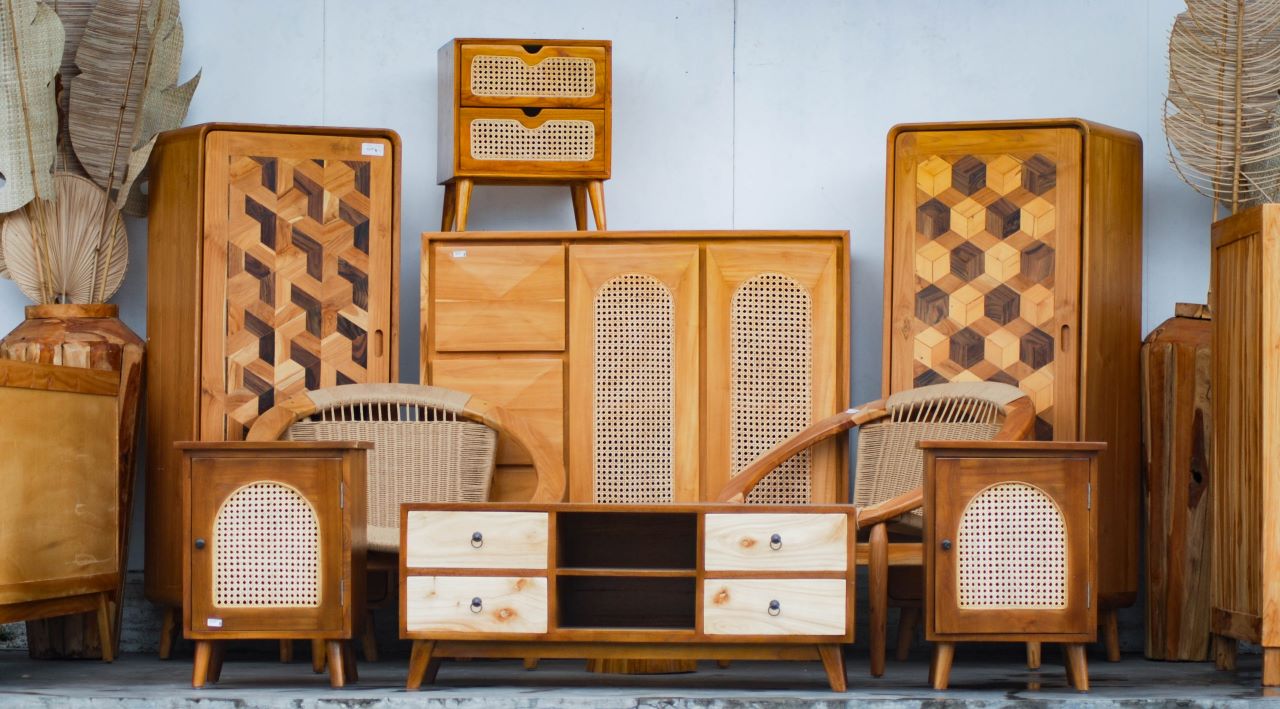
Family Heirlooms Overload: How to Handle Family Inheritance Without Regret
Handling family heirlooms after a loss requires managing legal authority, emotional pressure and practical logistics at the same time, and the order you take them on matters more than most people expect.
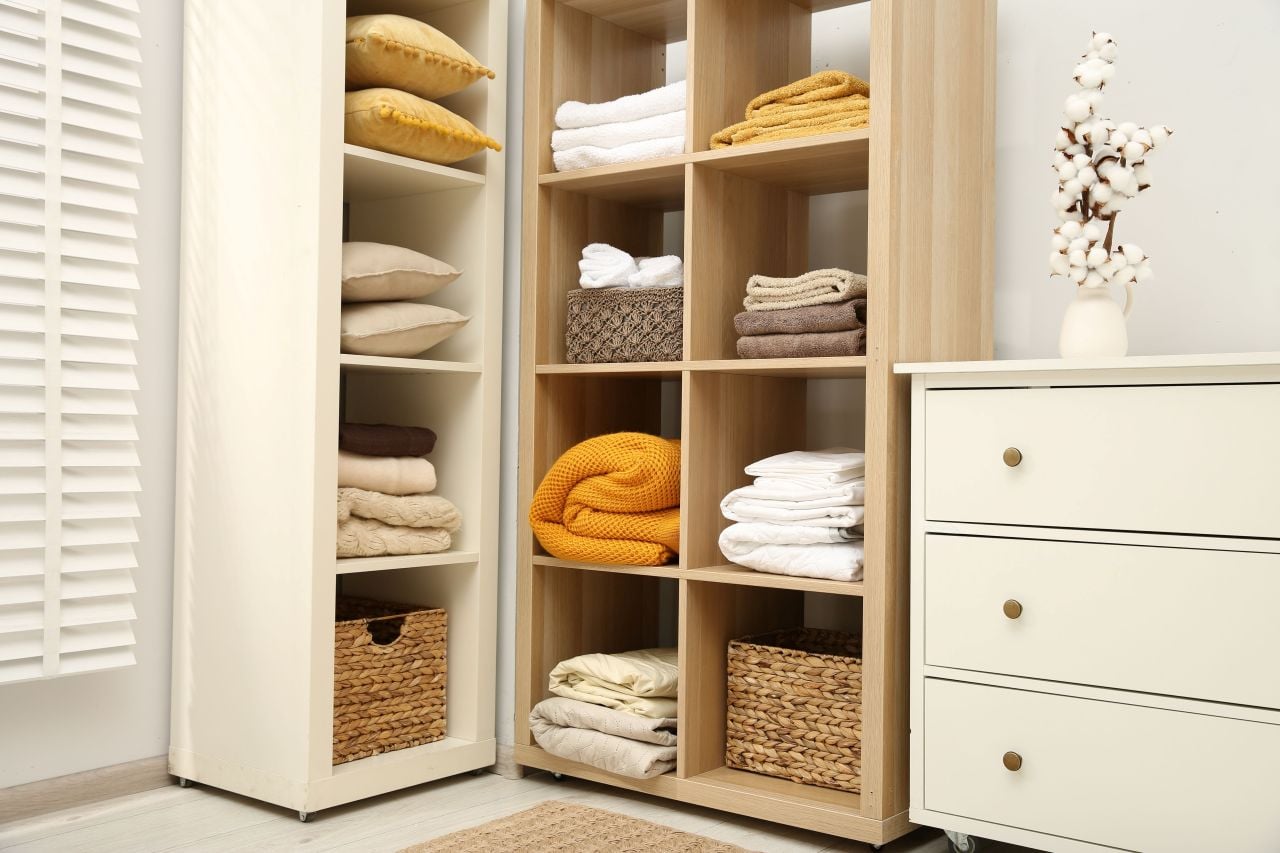
Blanket Storage: The Right Method for Every Space and Season
Blankets make our lives cozier, and storing them well is what keeps them soft and comfortable in the long run. Knowing how to store a blanket properly means your favorites come out of storage smelling fresh, feeling the same as when they went in, and lasting years longer than they otherwise would.

Board Game Storage Ideas That Keep Your Collection in Fighting Shape
Nobody warns you that getting into board games usually unlocks a second hobby, the much dreaded one that includes figuring out where on earth to put them. One game becomes a few, expansions start spawning beside their base boxes and before long, board game storage requires as much strategy as whatever is waiting on the other side of those lids.
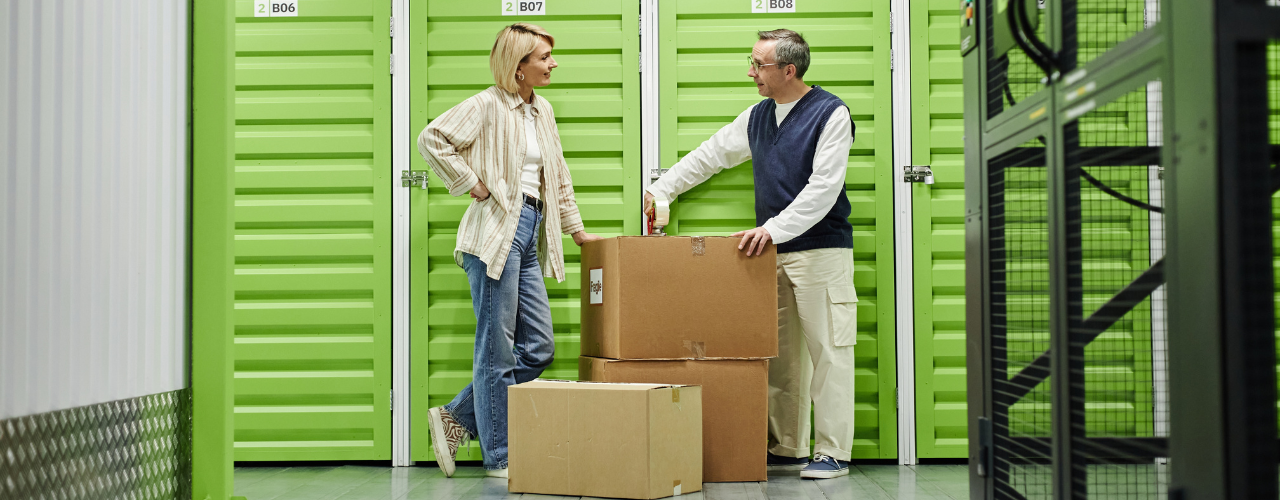
Storage Locker vs. Storage Unit: What’s the Difference?
A locker and a unit may sound like two names for the same four walls and a lock, and depending on the storage facility, you may even see the terms used that way. However, once you start comparing available spaces, storage lockers tend to occupy the smaller end of the spectrum, while storage units(opens in new tab) give you considerably more room to work with.

Storage Ideas for Small Spaces: 9 Ways to Max Out Your Home
A messy home contains the seeds of its organization. Those seeds are everywhere: the space above doors, under beds, behind sofas and inside furniture can all become storage. Here are the best storage ideas for small spaces, so you can make the most of your cozy home.

Best U.S. Cities to Live Uncluttered: Plano, TX, Offers the Most Room to Breathe
Clutter is in our homes as much as in our heads. Both are shaped by where we live.
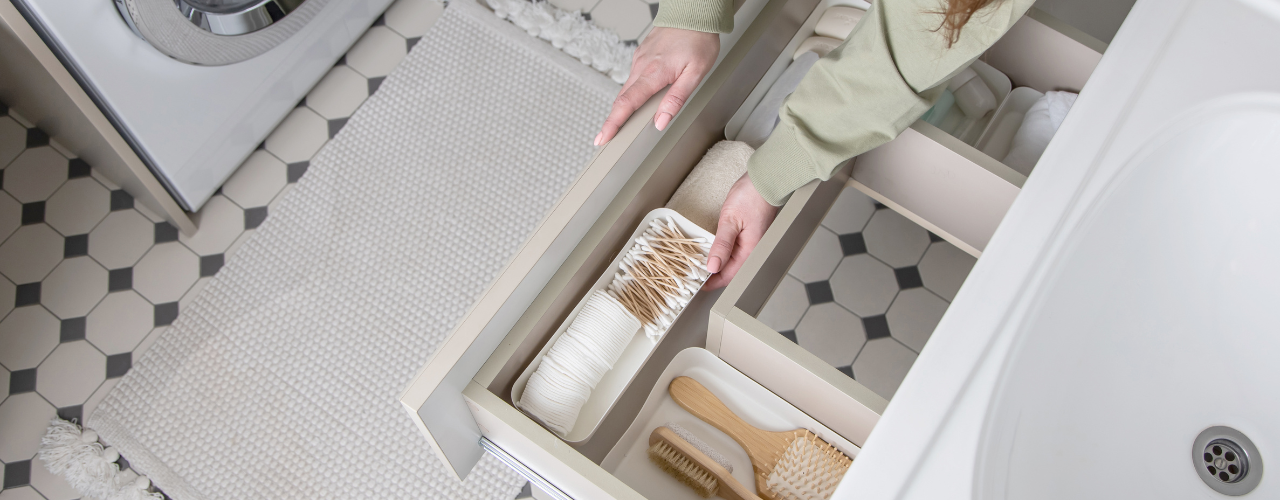
How to Organize Your Bathroom: 8 Ways to Stay Tidy
You already know why an organized bathroom is worth the effort, but let us remind you: it makes rushed mornings easier, keeps counters cleaner and just helps get you in the mood to go through your skincare routine like you should. Plus, in bigger households, it helps everyone find what they need. And you know how much a tidy bathroom counts for your self-esteem when a guest or a partner shows up. Luckily, you don’t need a degree to know how to organize your bathroom. The secret is keeping less, giving every item a home and making that home simple to use. Let’s go through some practical steps can help you create a bathroom that stays functional and nice to look at.

How to Use Silica Gel Packets for Storage
Moisture can cause significant damage to items in storage, leading to rust on tools, mold on clothing and warping in documents. Silica gel uses science to fix that. Often found in small packets inside product packaging, silica gel is a desiccant that absorbs moisture from the air, keeping your stored items dry and protected. This guide explains what silica gel is, how it works and how you can use it to preserve your belongings in self storage.