

Key Takeaways
- Declutter before organizing so drawers and cabinets only hold products, tools and linens you use for real.
- Store items by frequency of use, keeping daily essentials near the sink and moving backups or occasional-use products elsewhere.
- Use simple containers, labels, hooks and vertical storage to give each category a clear home without crowding the counter.
You already know why an organized bathroom is worth the effort, but let us remind you: it makes rushed mornings easier, keeps counters cleaner and just helps get you in the mood to go through your skincare routine like you should. Plus, in bigger households, it helps everyone find what they need. And you know how much a tidy bathroom counts for your self-esteem when a guest or a partner shows up. Luckily, you don’t need a degree to know how to organize your bathroom. The secret is keeping less, giving every item a home and making that home simple to use. Let’s go through some practical steps can help you create a bathroom that stays functional and nice to look at.
1. Begin by decluttering
Do not start by shopping for baskets and drawer dividers. Start by taking everything out.
Empty one area at a time: a vanity drawer, the medicine cabinet, the cabinet under the sink, the linen closet, or the shower. This prevents the whole thing from becoming overwhelming and lets you see exactly what you own.
Sort items into broad groups, such as:
- Daily toiletries: toothpaste, cleanser, deodorant, contact-lens supplies, razors.
- Hair care: shampoo, conditioner, styling products, brushes, clips and hair tools.
- Cleaning supplies: bathroom cleaner, spare sponges, disinfectant and cloths.
- Towels and linens: bath towels, hand towels, washcloths and spare bedding.
- Backups: extra soap, toilet paper, unopened products and bulk purchases.
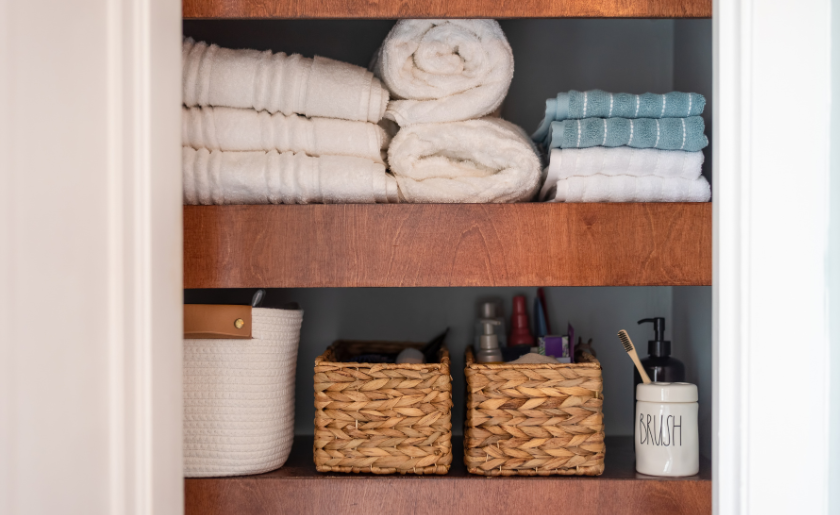
Throw away empty containers, dried-up cosmetics, damaged tools and products you do not use. Check expiry dates on cosmetics, sunscreen and personal-care items and relocate anything that does not genuinely belong in the bathroom. If you think there’s still some more liquid in a soap bottle or two, sure, squeeze it out if you must, but then please, throw that plastic away.
You cannot organize clutter. Reducing the number of items in the room is what makes every storage solution more effective.
2. Keep everyday items close
Your vanity should hold the products you use most often. Those once-in-a-while items can go back into hibernation until you need them again.
Keep daily essentials in easy-to-reach spots. That could mean your toothbrush and toothpaste in the medicine cabinet and your hairbrush in its own organizer.
Move occasional-use items out of premium bathroom space. Special-event makeup, bubble bath, spare cotton pads, backup hair products and rarely used styling tools can go into a labeled basket in a nearby closet or on a high shelf.
This approach makes a big difference. When drawers contain only your most-used items, you spend less time searching and are more likely to put things away.
Create a simple “use now” and “use later” system:
- Use now: Items you reach for every day or several times a week.
- Use later: Backups, seasonal products, special-use tools and extras.
3. Organize drawers and cabinets
Bathroom drawers have a habit of becoming catch-all spaces. Loose hair ties, old makeup, sample-size toiletries and half-used products can quickly hide the items you need in real life.
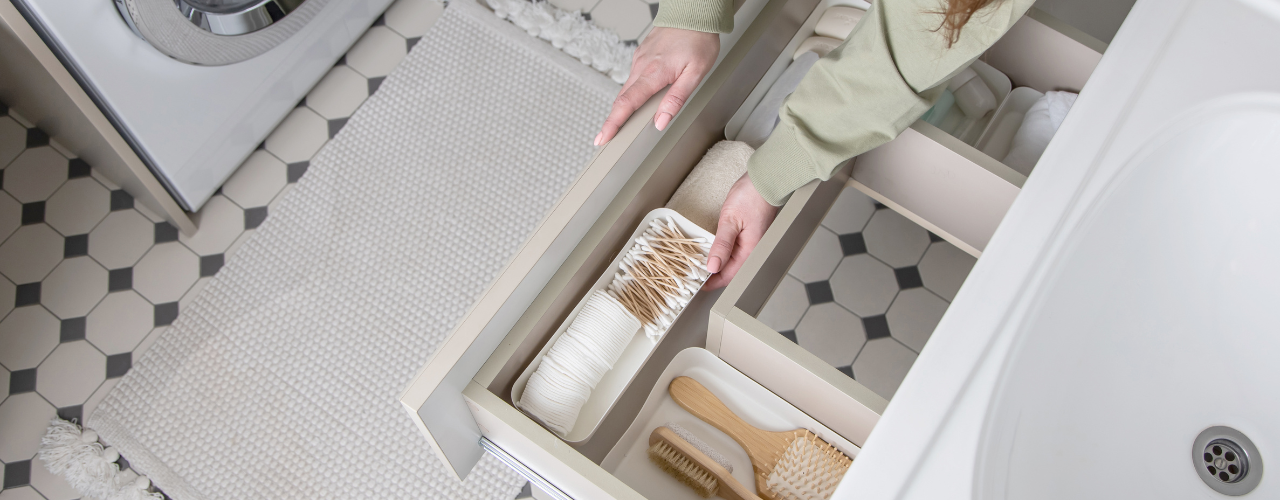
Use small trays, drawer dividers, or open containers to create clear sections, then group similar items together: dental care in one area, hair accessories in another, grooming tools in another and makeup in another.
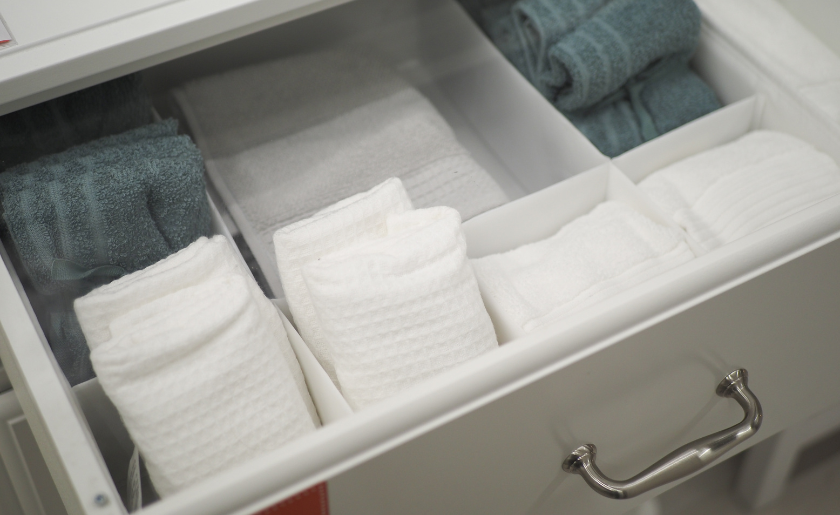
Before purchasing organizer or baskets, be sure to measure the drawer interior. You don’t want a container so deep that it stops the drawer from closing, or one that’s so wide it wastes valuable space.
If organizers slide when you open a drawer, just add a non-slip shelf liner underneath. You can also use a small amount of removable mounting gel to help keep lightweight bins in place.
Under the sink, resist the urge to leave bottles and cleaning products loose. Sure, the pipework makes the space awkward, but it can still become one of the most useful areas in the bathroom.
Try these simple solutions:
- Pull-out bins make it easier to reach products stored at the back.
- Handled baskets let you remove all cleaning supplies at once.
- Stackable open bins work well for spare toilet paper, washcloths and larger bottles.
- Door-mounted storage can hold slim styling products, brushes, or small cleaning tools.
The main idea is to choose storage that lets you reach items without taking everything apart. A system only works if it is quick to use.
4. Make use of walls
Small bathrooms often do not have enough cabinet or counter space. Life is not always perfect, but there’s always an answer. In bathroom organization, the answer is often on the wall.
Install floating shelves above the toilet for neatly folded towels, spare toilet paper, or a few decorative items. Towel hooks are another hack, as they are simply more practical than towel bars.
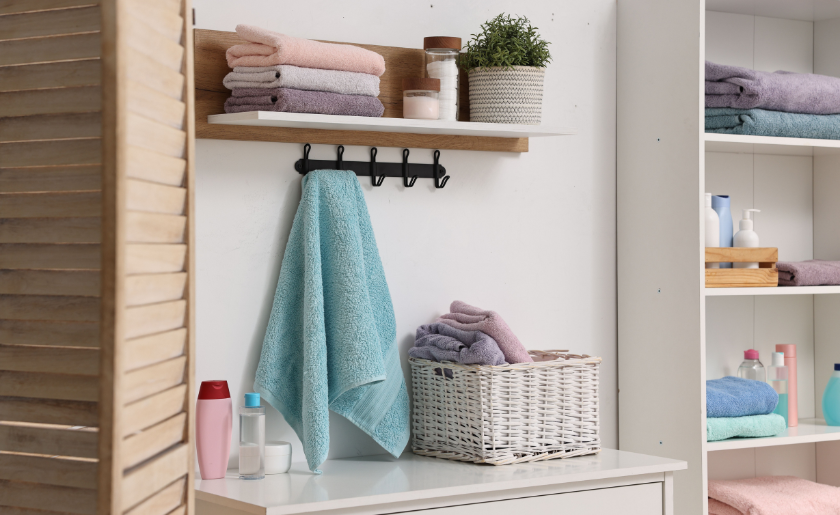
If you would rather avoid the hassle of drilling, get an over-the-toilet shelf(opens in new tab) or a corner cabinet(opens in new tab) to expand your bathroom’s storage real estate. Still, the simplest, fastest solutions are often your good old classic over-the-door hooks(opens in new tab). These are the life hack, if you lack wall space, or want an easy no-drill option for robes, towels and clothing.
5. Clear the countertops
Bathroom counters become cluttered because they are convenient. That convenience, however, comes at a price. The more products you leave there the harder the surface is to clean and the messier the whole room looks.
Aim to keep only a few essentials on display, such as hand soap, lotion, a toothbrush holder, or a small container for cotton pads.
Use a bathroom tray(opens in new tab) to gather these items together. A tray makes a counter look intentional rather than crowded and it makes cleaning faster because you can lift one item instead of moving several bottles.
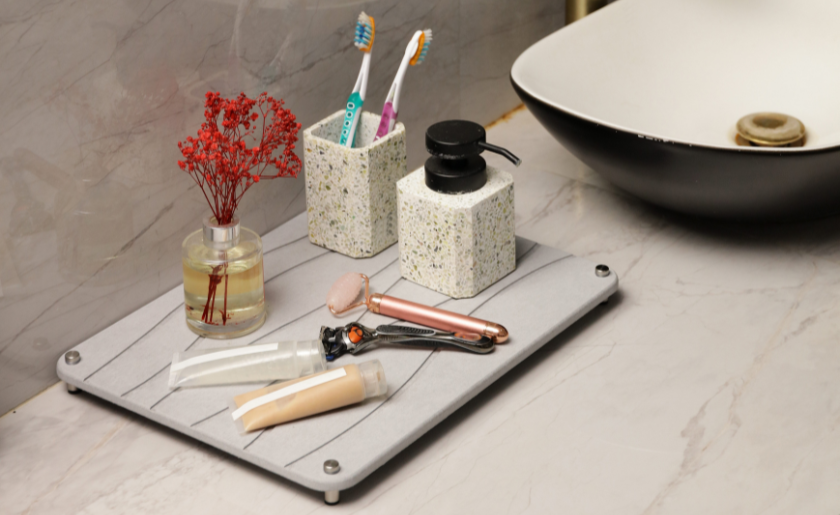
You can also place a small ring dish near the sink for jewelry, watches, or hair clips. It is an easy way to prevent small valuables from getting misplaced while washing hands, applying lotion, or getting ready.
For cotton balls, cotton swabs, bath salts and similar supplies, use matching lidded jars or clear containers. They are functional, easy to refill and they just make your everyday essentials look quite neat!
6. Tidy the shower area
Shower products accrue quickly, especially in a frugal bathroom. Sure, you can probably get more mileage out of that near-empty shampoo bottle with some extra water. But at one point, you’ve got to let it go. So: keep only the bottles currently in use inside the shower and move unopened backups elsewhere.
If your shower has no built-in shelf or niche, consider one of these options:
- A hanging caddy(opens in new tab) attached to a sturdy wall hook.
- A shower basket(opens in new tab) hanged from the mixer or hook.
- An adhesive corner shelf(opens in new tab) for smooth tile or shower walls.
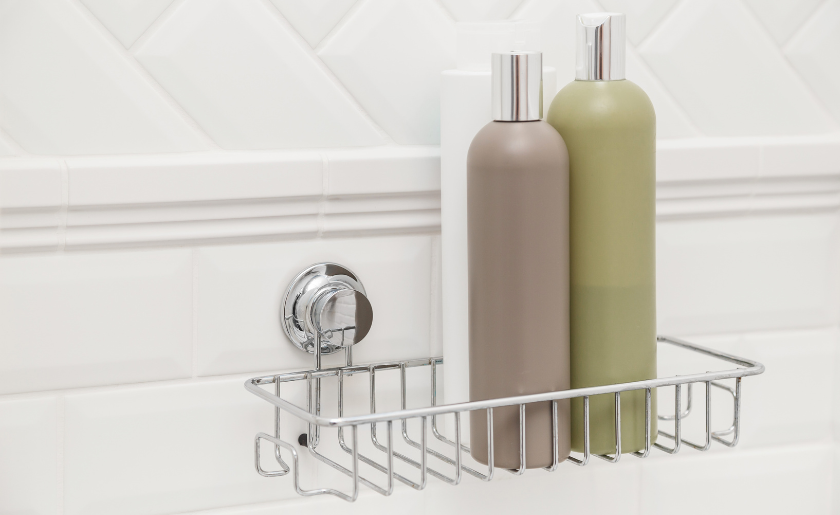
Avoid storage that traps water (trust us). Instead, choose shelves with drainage holes or open wire designs so bottles dry more easily and soap residue does not build up.
If several people use the bathroom, be the adult and assign each person a basket or caddy. This way, there’s a slimmer chance your shower will get crowded with duplicate products.
7. Store medication elsewhere
Despite the name, a traditional medicine cabinet is not always the best place for medications. Bathrooms are often humid and warm, particularly after showers, which can make the room unsuitable for products that need stable storage conditions.
Instead, keep medications and first-aid supplies in a dry, secure location, such as a hall closet, kitchen cabinet, or locked storage box. Always follow the storage instructions printed on the packaging and keep medicines safely out of reach of children and pets.
Use the medicine cabinet for lightweight daily essentials instead:
- Toothbrushes and toothpaste
- Dental floss
- Contact-lens supplies
- Small grooming tools
Small bins keep these items from falling over or becoming mixed together.
8. Make the bathroom easy to maintain
The best bathroom organization systems require very little effort. If it feels like work, you are less likely to keep it up. What matters most, as always, is consistency. Set aside a few minutes each week to reset the bathroom:
- Return products to their designated places.
- Remove empty bottles and packaging.
- Refill soap and toilet paper.
- Wipe down counters and trays.
- Wash towels and replace hand towels.
- Check that shower shelves are not overcrowded.
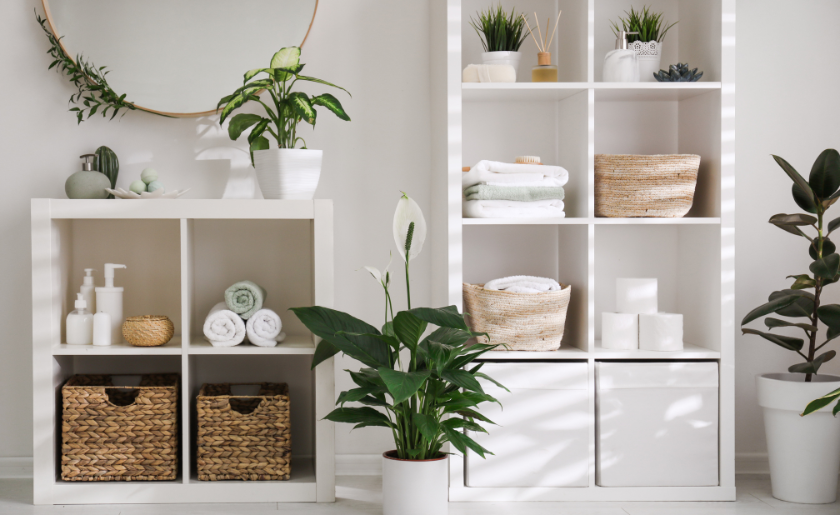
Then, every few months, revisit drawers and cabinets. Remove products you no longer use before they accumulate again.
Use self storage for overflow (if you must)
Your bathroom should hold the items that support your everyday routine. It should not become the home for bulk purchases, spare linens, renovation supplies and household items you rarely use.
If you happen to already rent a storage unit(opens in new tab), that can be a practical extension of your home storage when closets and cabinets are full. It gives you a secure place for items you want to keep without allowing them to take over the spaces you use daily.
A self storage unit may be particularly helpful for:
- Extra towels and bedding(opens in new tab)
- Bulk household supplies that do not fit comfortably at home
- Furniture(opens in new tab) you are saving for a future bathroom renovation
- Renovation materials(opens in new tab) and boxed fixtures during a remodel
- Holiday décor(opens in new tab) that occupies closet space needed for toiletries and cleaning products
- Temporary household overflow during a move, downsizing project, or home sale
Before placing belongings in a unit, make sure everything is clean and fully dry. Store towels and linens in sealed containers, label boxes clearly and avoid packing leaking bottles, expired toiletries, or perishable items. For belongings affected by heat or humidity, a climate-controlled storage unit(opens in new tab) may be worth considering.
No matter how big or small your bathroom is, you’re closer than you think to an organized space. Declutter first, keep daily products within reach, store by category and move overflow out of the room. With a few clear systems in place, maintaining a tidy bathroom becomes a quick habit rather than a major weekend project. Just try it. Future you will thank you.
FAQ
What should I keep on my bathroom counter?
Keep only the products you use every day, such as hand soap, a toothbrush holder and daily skincare, ideally gathered on a tray for easier cleaning.
How do I organize a small bathroom with no storage?
Use wall shelves, over-the-door hooks, under-sink pull-out bins, cabinet-door organizers and a compact rolling cart to add storage without using more floor space.
What bathroom items can go into self storage?
Store clean, dry extra linens, renovation materials, unused furniture, bulk household supplies and seasonal items, but avoid keeping leaking, expired, or temperature-sensitive toiletries in a unit.


How to Organize Your Bathroom: 8 Ways to Stay Tidy
You already know why an organized bathroom is worth the effort, but let us remind you: it makes rushed mornings easier, keeps counters cleaner and just helps get you in the mood to go through your skincare routine like you should. Plus, in bigger households, it helps everyone find what they need. And you know how much a tidy bathroom counts for your self-esteem when a guest or a partner shows up. Luckily, you don’t need a degree to know how to organize your bathroom. The secret is keeping less, giving every item a home and making that home simple to use. Let’s go through some practical steps can help you create a bathroom that stays functional and nice to look at.

Best U.S. Cities to Live Uncluttered: Plano, TX, Offers the Most Room to Breathe
Clutter is in our homes as much as in our heads. Both are shaped by where we live.

How to Use Silica Gel Packets for Storage
Moisture can cause significant damage to items in storage, leading to rust on tools, mold on clothing and warping in documents. Silica gel uses science to fix that. Often found in small packets inside product packaging, silica gel is a desiccant that absorbs moisture from the air, keeping your stored items dry and protected. This guide explains what silica gel is, how it works and how you can use it to preserve your belongings in self storage.

Where to Find Moving Boxes in Los Angeles
Moving in Los Angeles is its own thing, and figuring out where to get moving boxes sorted is just the start of everything you’ll need to organize before moving day.

10 Best Places to Donate Books in Philadelphia
Did you know Philadelphia’s book-sharing roots go back to 1731? Benjamin Franklin and The Junto Club gathered their personal collections into a shared library, thus sparking a tradition of pooling knowledge for the common good. Today, you can carry on that spirit by donating books to local organizations and free libraries.
How to Sell Furniture (For Quick Deals and Side-Hustles)
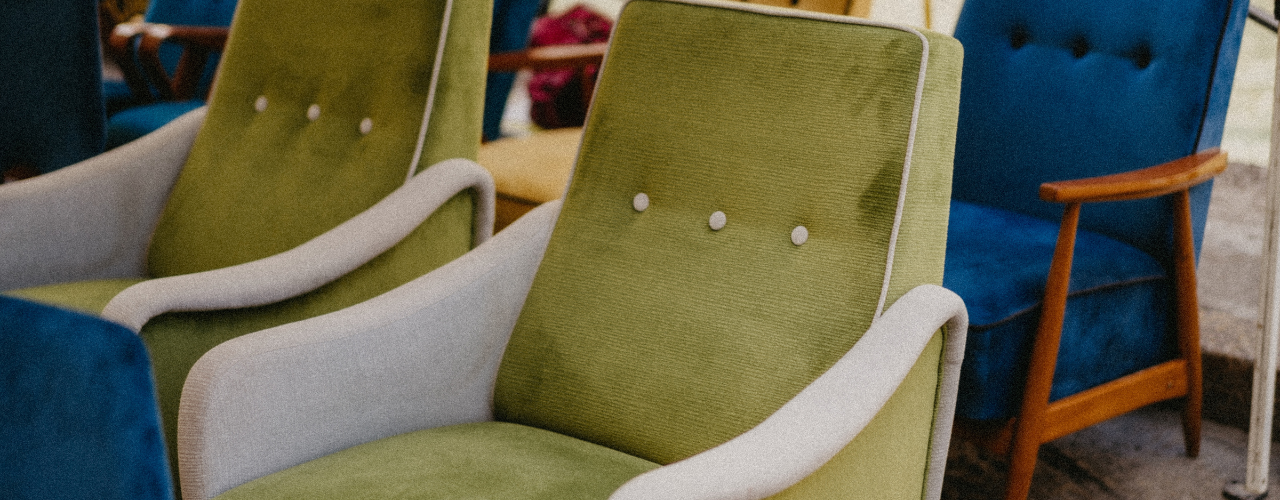
Selling used furniture can be quick, profitable and even rewarding if you know where to list, how to present your pieces and what buyers are looking for. Just a tiny bit of patience and some good planning will take you a long way. This guide covers everything you need to sell your furniture efficiently and safely, for the best possible price.
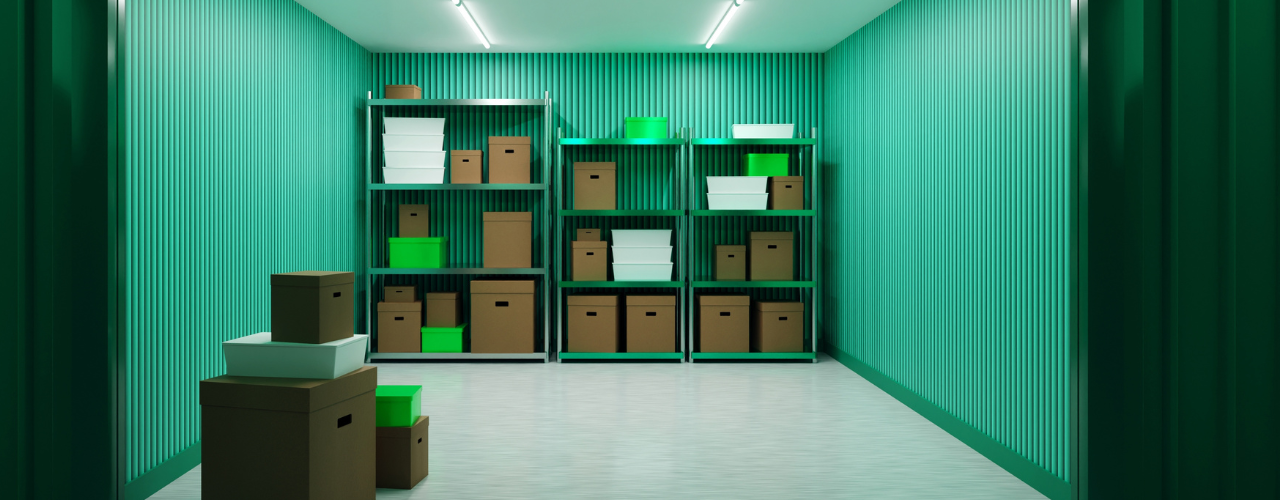
1 in 4 Americans Rent Self Storage — and the Next Wave Is Already Coming
About one in four Americans is already using self storage and just as many are actively searching for a unit online right now. Across the 150 largest U.S. cities, self storage searches rose 23% year-over-year in 2025 — nearly triple the growth recorded the previous year, up from around 8% in 2024.
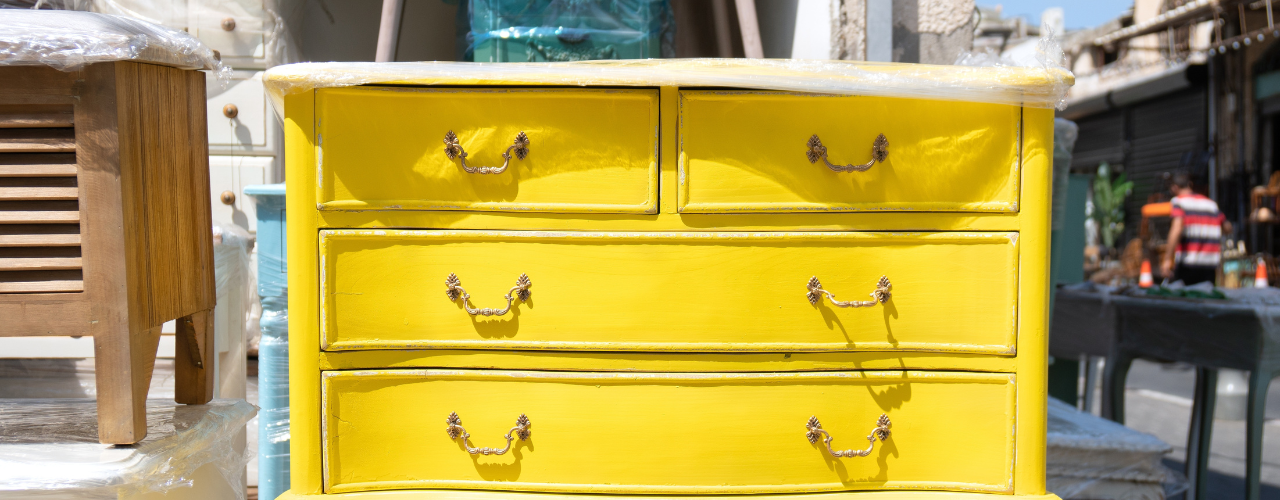
Where to Donate Furniture in Philadelphia
Philadelphia has a strong tradition of giving back, and donating furniture is a practical way to support local charities while freeing up space in your home. Whether you’re downsizing, moving, or just decluttering, there are plenty of organizations ready to take your gently used furniture. And if you’re not ready to part with certain pieces just yet, self-storage can buy you time to decide.

Jet Ski Storage: How to Winterize & Where to Keep Your Watercraft
If you want your jet ski to deliver the fun times for years on end, then proper storage is in order. Leaving it exposed to weather, UV rays, or theft can lead to costly damage, mold, or vandalism. Here’s everything you need to know to store your jet ski safely.