

Handling family heirlooms after a loss requires managing legal authority, emotional pressure and practical logistics at the same time, and the order you take them on matters more than most people expect.
The process can feel quite overwhelming. What looks like furniture, boxes and collections on the surface often carries decades of memory underneath. Alongside grief, there’s suddenly a practical reality to deal with: clearing a home, dividing belongings and deciding what stays in your life.
This process is far more manageable if you take things step by step. We talked to psychologists, legal experts, professional organizers and moving and storage experts to come up with a guide to help you through the process.
Start with legal clarity
Before selling, donating or distributing anything, the first step is confirming who has legal authority over the estate, a detail that’s easy to skip when you’re under pressure to just start clearing things out.
Estate attorney Nick Heimlich(opens in new tab) is direct about what that looks like in practice: “Photographing rooms and creating an itemized list as to which items were removed will help prevent future disputes.” He also recommends obtaining appraisals for items that may carry financial value — jewelry, antiques, collectibles — before anything is moved. What appears sentimental may have limited resale demand, while something that seems ordinary could be worth far more than expected. Establishing value early reduces misunderstandings and protects everyone involved.
The legal layer also matters when multiple heirs are involved. Heimlich notes that “no one’s sentimental attachment to any piece of property supersedes any will, trust, creditor claim or co-ownership rights”. That’s a useful frame for keeping distribution conversations grounded in fairness rather than emotion.
Don’t rush getting rid of family heirlooms
When inheriting a full household, there’s often pressure to move quickly, especially if a property must be vacated or sold. That urgency can make decisions feel purely logistical when they’re anything but.
Anna Evens(opens in new tab), family nurse practitioner and mental health clinician, sees this pattern regularly: “The instinct to clear out quickly often produces decisions the patient regrets months later when the grief processing is further along.” Her clinical observation is that “grief narrows our thinking” and people make permanent decisions in a temporary emotional state.
The practical first step she recommends is consolidation: “Consolidate the belongings into a single staging area — a spare room, a rented storage unit for a limited period, a corner of the basement — where decisions can be deferred until the patient has the emotional bandwidth to make them well. The deferred decision isn’t avoidance; it’s recognition that good decisions about emotionally-loaded objects require a different timeline than good decisions about routine clutter.”
Certified professional organizer Gayle Gruenberg(opens in new tab) adds that the sheer volume of inherited items can stop clear thinking altogether. “When clients are facing a house full of inherited items, the volume alone can freeze them.” Her advice: break the process into manageable categories rather than trying to take it all on at once.
Take inventory before you decide
One of the most consistent pieces of advice across professional organizers is to begin with a thorough inventory, before making a single decision about what stays or goes.
Professional organizer Barbara Brock(opens in new tab) puts it plainly: “Take inventory. It’s not just about tracking items. It helps you process what you actually have.” Listing and photographing belongings serves two purposes at once. Practically, it prevents things from slipping through the cracks. Emotionally, it transforms a vague sense of “too much” into something concrete and organized.
As you review family heirlooms, group items into clear categories: what you use, what holds genuine emotional meaning and what you feel obligated to keep. That last category often surprises people. Seeing it on paper can clarify which attachments are real and which are rooted in pressure or habit.
Gruenberg suggests using a structured decision framework: “Keep if… Donate if…” with questions like “Is it in good repair? Do I have something very similar? Do I have the space for it? Do I even like it?” These prompts help move the process from feeling to evaluation.
Understand why letting go feels so personal
Letting go of inherited belongings carries a weight that ordinary decluttering doesn’t. Understanding why makes it easier to process.
Suzanne Roynon(opens in new tab), a decluttering expert and member of the International Feng Shui Guild, describes the core dynamic: “We connect objects to relationships. So parting with them can feel like we’re distancing ourselves from the person.” Objects often hold sensory memory — handwriting, scent, texture — and those details trigger strong associations.
Gruenberg adds another layer: “People often feel they are discarding the person rather than the inherited items.” There is also what she calls “tactile sympathy” in professional organizing: “The emotions, memories, and energy in an item are felt again when we pick it up. The emotions land in our bodies and sit there a bit.”
This response is completely normal. Recognizing it doesn’t mean you must keep everything but, once you understand the emotional layer, it becomes easier to decide intentionally rather than reactively.
Separate emotional meaning from financial value
Family heirlooms often carry emotional weight that clouds practical evaluation. It helps to consciously treat sentimental meaning and market value as two separate questions.
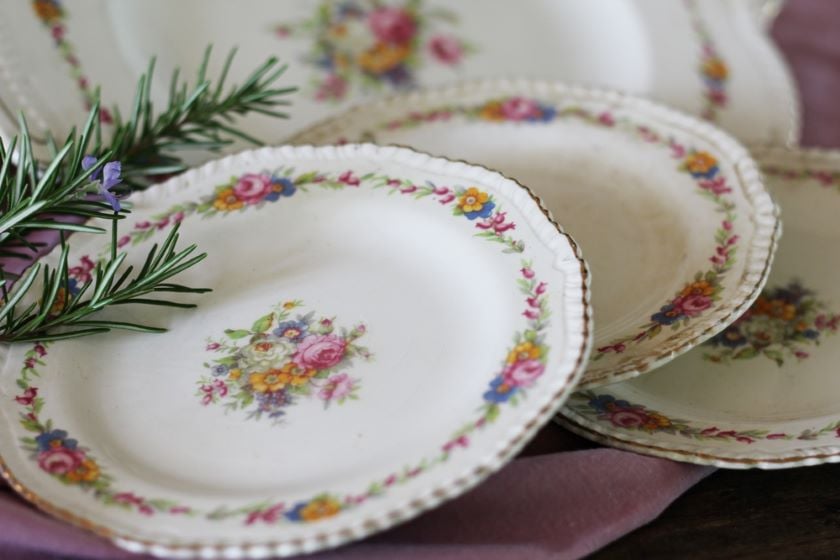
Andrew Brown, founder of Immediate Movers & Storage(opens in new tab), makes this distinction clearly: “Monetary value and sentimental value are two different categories that should be decided separately and most people get them wrong. A grandmother’s china set may seem like it’s worth a fortune, but it may be worth less. A garage tool chest that has been around for years could appear to be junk and be sold for $800.” His recommendation: “Getting an appraiser in early costs very little and protects you from giving away something you can’t get back.”
How to decide what to keep
When reviewing family heirlooms, practical questions can cut through the emotional fog. Does this item fit your life today? Do you have space for it? Would you choose to own something similar if it weren’t inherited?
Andrew Brown recommends a simple rule for uncertain items: “Give yourself a 30-day rule. If you still want to keep it after a month, keep it. If the sensation has subsided, then that is your answer.” He also adds a practical step that’s easy to overlook: “Take measurements of all the rooms before you transport any of the furniture. If you don’t do that first, you’re stuck with things that don’t fit in your space, and once it’s in your home, it’s twice as difficult to get rid of it emotionally.”
Keeping fewer, meaningful pieces often feels better than storing large quantities out of obligation. A carefully chosen set of heirlooms can carry just as much history without creating long-term stress.
How to sell family heirlooms wisely
If you decide to sell certain pieces, approach the process deliberately. Start with a professional appraisal to understand fair market value before listing anything or dividing items among heirs. From there, choose the appropriate channel: auction houses work well for antiques and specialty pieces, estate sales can handle larger volumes, niche dealers often pay more for targeted collectibles, and online platforms can work for everyday furniture.
Nick Heimlich recommends careful documentation throughout, particularly when multiple heirs are involved: “Clear documentation tied to appraised value removes a lot of potential tension. It keeps decisions grounded in fairness”.
Why self storage is more than just extra space
One of the hardest parts of inheriting family heirlooms is deciding where they’re supposed to go, and self storage gives you the time you need before making permanent decisions.
You’re suddenly responsible for an entire household of furniture, boxes of photographs, holiday decorations collected over decades, tools, books, artwork and keepsakes. Very few people have the space or the emotional clarity to deal with all of that at once.
In the short term, a storage unit can take the pressure off when you’re clearing an inherited home, preparing it for sale or coordinating with siblings who live in different cities. Instead of making permanent decisions over a single weekend, you can move everything into storage, sort through it gradually and decide what to keep, donate, sell or pass on once emotions have settled.
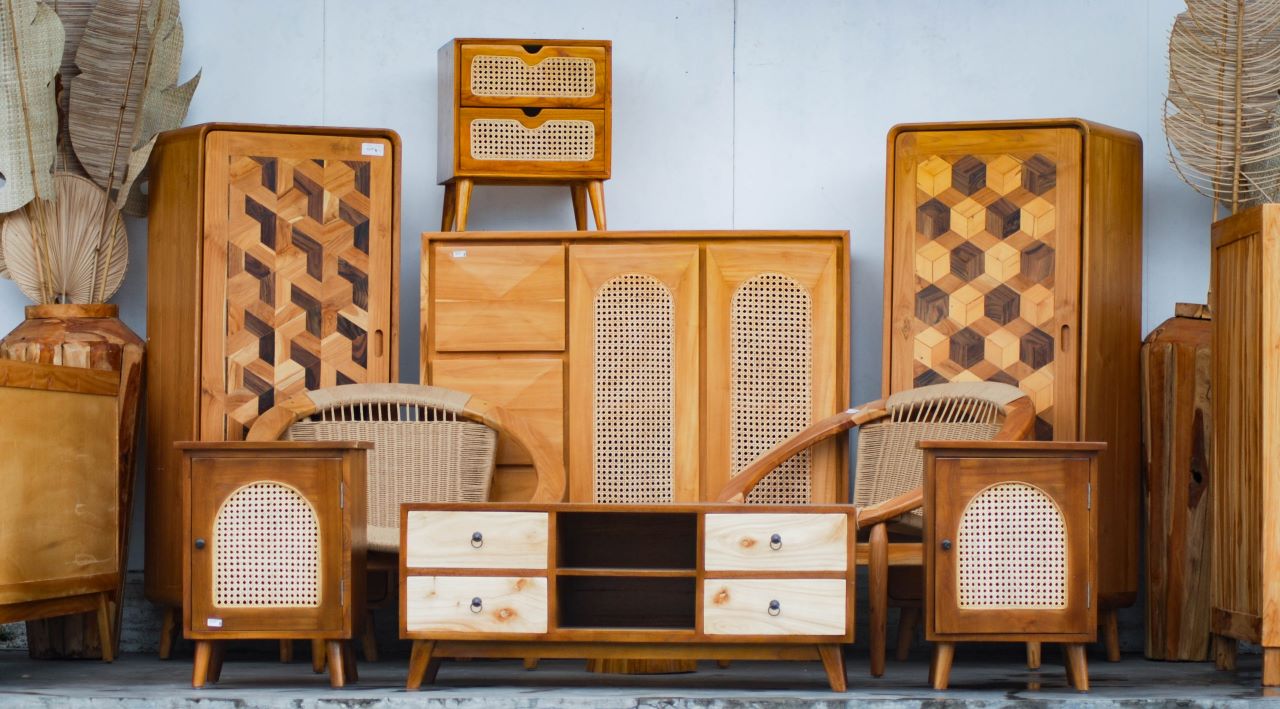
It’s just as useful for family heirlooms you know you want to keep but can’t realistically accommodate today. Maybe you’ve inherited your grandparents’ dining table but live in a one-bedroom apartment, or you’ve kept a collection of antique furniture(opens in new tab) that’s meant for the larger home you’re hoping to buy in a few years. Perhaps you’ve inherited dozens of family photo albums(opens in new tab), quilts or holiday decorations(opens in new tab) that are too meaningful to part with but don’t need to be in everyday rotation. Self storage gives those items a safe place to stay until your circumstances catch up with your intentions. In such cases, a climate-controlled self storage unit(opens in new tab) will keep your belongings safe until you need to use them again.
If multiple family members are involved, storage can also make the process much less stressful. Instead of dividing everything immediately, belongings can be inventoried, professionally appraised where necessary and distributed over time. That extra breathing room often leads to better conversations and fewer decisions that people later regret.
For heirlooms that will remain in storage for months or years, climate-controlled units are often worth considering. Solid wood furniture, artwork, photographs, important documents, musical instruments and other sensitive items are better protected from humidity and temperature fluctuations, helping preserve both their sentimental and financial value.
Used this way, self storage is a practical transition tool. It gives you the freedom to make thoughtful decisions, preserve the pieces that matter most and integrate family heirlooms into your life when you’re truly ready, rather than because a deadline forced your hand.
Moving forward with family heirlooms
Handling family inheritance is rarely quick or simple. Family heirlooms bring together memory, responsibility and logistics in one process. By confirming legal authority, documenting what you have, separating emotional from financial value and allowing time where possible, the path becomes clearer.
You do not need to keep everything to honor someone’s life. Choosing intentionally — whether that means preserving, selling or letting go — is often the most respectful approach of all.



Moving From a House to an Apartment: What to Expect, How to Downsize & How Self Storage Helps
For some, moving from a house to an apartment is a financial decision. For others, it’s about simplifying life. Maybe the kids have moved out and half the house sits empty, or you’re approaching retirement and no longer want to spend weekends on repairs. Or perhaps you’ve been weighing the cost of buying a home and wondering whether renting simply makes more sense right now.
Family Heirlooms Overload: How to Handle Family Inheritance Without Regret
Handling family heirlooms after a loss requires managing legal authority, emotional pressure and practical logistics at the same time, and the order you take them on matters more than most people expect.
Blanket Storage: The Right Method for Every Space and Season
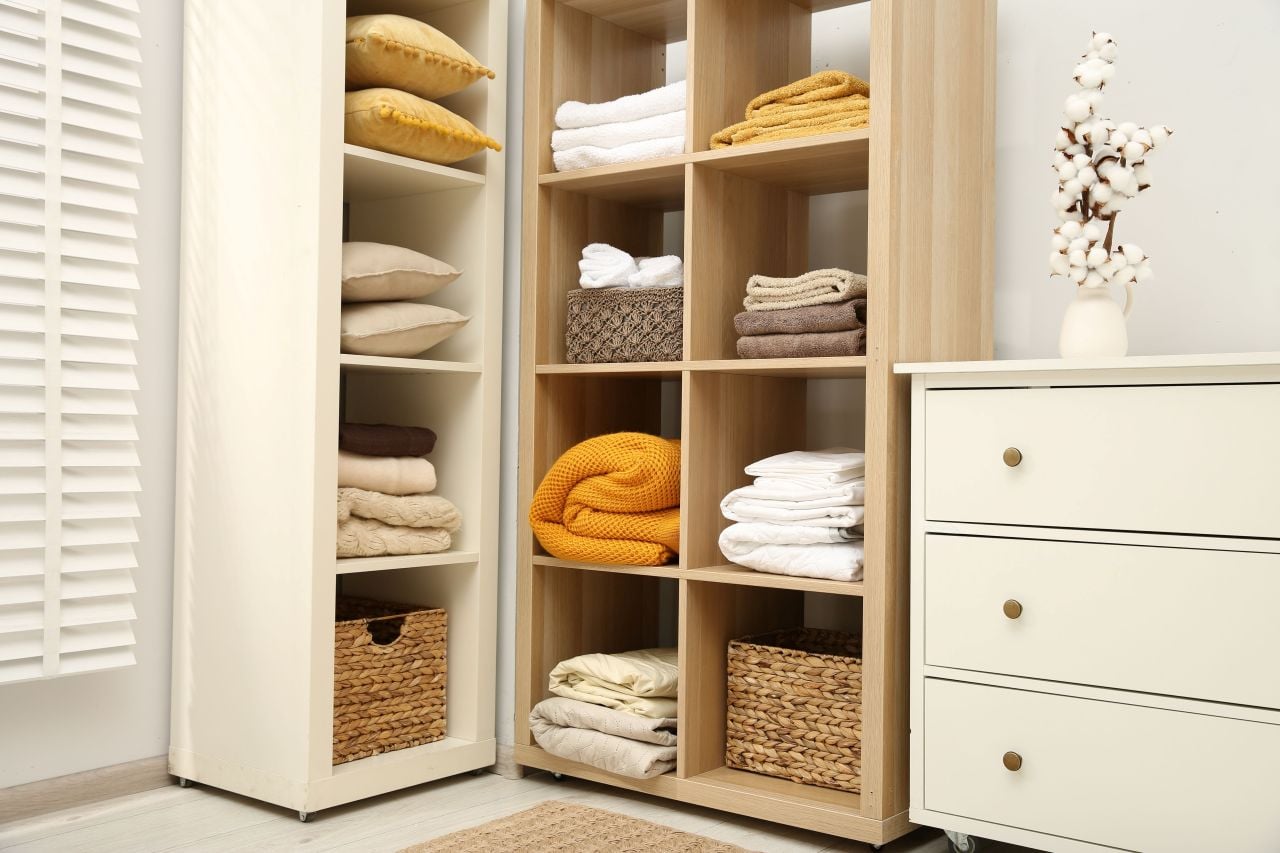
Blankets make our lives cozier, and storing them well is what keeps them soft and comfortable in the long run. Knowing how to store a blanket properly means your favorites come out of storage smelling fresh, feeling the same as when they went in, and lasting years longer than they otherwise would.

Board Game Storage Ideas That Keep Your Collection in Fighting Shape
Nobody warns you that getting into board games usually unlocks a second hobby, the much dreaded one that includes figuring out where on earth to put them. One game becomes a few, expansions start spawning beside their base boxes and before long, board game storage requires as much strategy as whatever is waiting on the other side of those lids.

Storage Locker vs. Storage Unit: What’s the Difference?
A locker and a unit may sound like two names for the same four walls and a lock, and depending on the storage facility, you may even see the terms used that way. However, once you start comparing available spaces, storage lockers tend to occupy the smaller end of the spectrum, while storage units(opens in new tab) give you considerably more room to work with.

Storage Ideas for Small Spaces: 9 Ways to Max Out Your Home
A messy home contains the seeds of its organization. Those seeds are everywhere: the space above doors, under beds, behind sofas and inside furniture can all become storage. Here are the best storage ideas for small spaces, so you can make the most of your cozy home.

Best U.S. Cities to Live Uncluttered: Plano, TX, Offers the Most Room to Breathe
Clutter is in our homes as much as in our heads. Both are shaped by where we live.
How to Organize Your Bathroom: 8 Ways to Stay Tidy
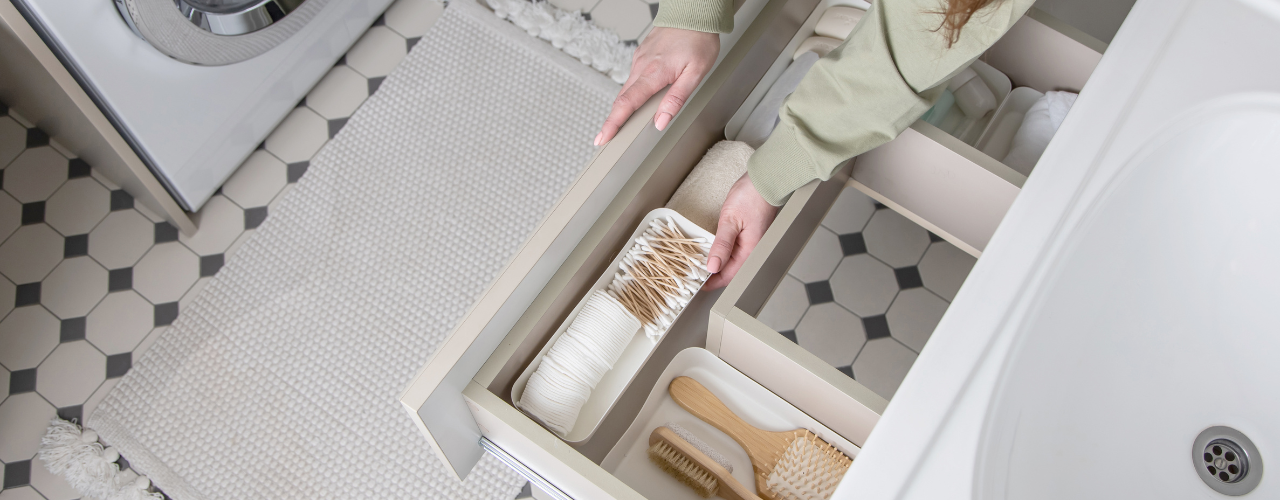
You already know why an organized bathroom is worth the effort, but let us remind you: it makes rushed mornings easier, keeps counters cleaner and just helps get you in the mood to go through your skincare routine like you should. Plus, in bigger households, it helps everyone find what they need. And you know how much a tidy bathroom counts for your self-esteem when a guest or a partner shows up. Luckily, you don’t need a degree to know how to organize your bathroom. The secret is keeping less, giving every item a home and making that home simple to use. Let’s go through some practical steps can help you create a bathroom that stays functional and nice to look at.

How to Use Silica Gel Packets for Storage
Moisture can cause significant damage to items in storage, leading to rust on tools, mold on clothing and warping in documents. Silica gel uses science to fix that. Often found in small packets inside product packaging, silica gel is a desiccant that absorbs moisture from the air, keeping your stored items dry and protected. This guide explains what silica gel is, how it works and how you can use it to preserve your belongings in self storage.