

Have you recently been captured by the Wild West’s charm and your heart’s already set on Tucson? Very few cities in the US can boast a similarly diverse and vibrant cultural life like Tucson’s — it’s equally appealing to food-lovers, intellectuals and athletes. With a rich cultural background going back centuries, the Spanish name of the city, Tucsón, is derived from an Indian phrase meaning “at the base of the black hill,” a nod to the basalt-covered hill currently known as Sentinel Peak.
Before you pack your bags and take to the road, here is a series of facts you should get yourself acquainted with to make the transition to the Old Pueblo as smooth as possible.
1. First things first: register your car
An Arizona state requirement, it is essential that you register your car as soon as you are officially moved into the city if you are a driver. If, however, you are planning to make your vehicle purchase inside the state, you are required to register the title within 15 days of the purchase. You have the option to register your vehicle for either one or two years at a time. An important fact to keep in mind: The state of Arizona levies a Vehicle License Tax (VLT) for vehicle owners.

Once you establish your official residence in Arizona, you should apply for a state driver’s license as soon as possible. Residency is established based on employment in the state, voter registration, business ownership in the state, business-related transportation of merchandise inside the state or living for more than 7 consecutive months in Arizona.
You are going to need your ID to show proof of identification, age and authorized presence in the country to apply for a driver’s license. In addition, you are required to pass a vision test for the same purpose. All set now!
2. Looking for a high-paying job in Tucson? Try healthcare
Tucson boasts two employers that were featured on Forbes’ list of the best places for business and careers in 2019. That’s pretty amazing, right? The University of Arizona nabbed 11th place, and the City of Tucson ranked 59th on their list. The leisure and hospitality industries also play a significant role in the local economy, with more than 45,000 employees. IBM, Honeywell Aerospace and Ventana Medical Systems are some of the other major job providers in the city.
3. Where should you live? Find your Tucson happy place
With a rich history and eclectic mix of old and modern, Tucson’s neighborhoods are diverse and vibrant. Here’s the rundown on the most eye-catching neighborhoods:
- The El Presidio Historic District
Named for the Spanish military garrison that was once stationed there, the El Presidio Historic District is the city’s first neighborhood. This charming neighborhood has been restored to its former glory as historic homes have been restored. Additionally, the area is laden with excellent food and art; highlights include the Tucson Museum of Art and El Charro Café, a place renowned for its scrumptious chimichangas.
- Armory Park
Located downtown, Armory Park is part of the National Register of Historic Places. This unique neighborhood oozes charm through its wide avenues and homes hailing from Victorian, Queen Anne, Greek Revival and Territorial periods. If you have kids, the nearby Tucson Children’s Museum is a great place to take them for a different kind of day out on the town. - Sam Hughes
Home to the University of Arizona, Sam Hughes is a green neighborhood where most academics and young professionals in the city can be found. Territorial-style houses and mission-style bungalows line the streets of this vibrant area. A plethora of restaurants and shops are within walking distance, making this area highly enjoyable on foot. Additionally, Sam Hughes is a stone’s throw away from downtown. - Dove Mountain
This upscale golf-course development is situated at the base of the Tortolita Mountains, in the suburb of Marana. Due to its amenities and ease of access to the freeway, Dove Mountain has become one of the most popular neighborhoods in Tucson. - Catalina Foothills
If scenic views rank high on your priorities list, then Catalina Foothills is the place for you! Located north of the city, at the base of the Santa Catalina Mountains, Catalina Foothills has a minimalist feel with winding narrow streets. Its subdivisions blend in with the desert landscape, making human construction feel like a natural part of the environment. Nearby, there is an upscale shopping center with great restaurants, department stores and art galleries.
4. How far can your dollar stretch here?
You’ve found your dream home and job in Tucson. Now you need to decide if your income can meet your spending budget. Good news! In general terms, the cost of living is below the national average, so if you’re moving from a more expensive city, you will most likely make your wallet happy.
Here’s a rundown of the most common expenses in Tucson:
- Monthly average rent in Tucson – $906
- Average house value with mortgage in Tucson – $66,680
- Monthly utilities – $ 292 per home
- Monthly childcare (preschool or kindergarten) – $525
- Gasoline (1 gallon) – $2.48
- A dozen eggs – $2.51
- A gallon of milk – $2.34
- A three-course restaurant meal for two – $52
Based on air conditioning use in high heat, your utility and water bills could go higher. However, gas is cheaper on average, and the outside elements are gentle on your car as compared to a state with high humidity, rain, snow and other conditions. Residents moving from the northern states see similar grocery costs, whereas housing and property taxes are a lot more affordable. Depending on your choice of neighborhood, rent rates can vary greatly. Rents in Drexel Park can go for about $657, whereas Catalina Vista calls for $1,282 on average.
5. Getting around town
Tucson is a pretty spread-out city, so owning a car is probably your best option. Interstate 10 runs along the western side of the town, while Interstate 19 runs south of downtown and heads south to the Mexican border. State Route 210 connects downtown to the Davis-Monthan Air Force Base. Getting from the east side to the west side can sometimes get tricky, with frequent congestion. You might want to consider avoiding this area as part of your commute to save time.
If you are considering public transportation, the city has two options: Suntran and Sun Link Streetcar. Suntran is a bus service covering the metropolitan area. Service starts at 6 a.m. and ends at midnight, and a ride costs $1.75 for adults or $4 for a day pass. The Sun Link services five popular areas, including the University of Arizona. It runs Monday through Wednesday, from 7 a.m. to 10 p.m., and until 2 a.m. on Thursdays, Fridays and Saturdays. A one-way ticket costs $1.74, and 24-hour passes are $4.50.
Tucson is cycling-friendly! With commuter bike routes, biking facilities and off-road mountain trails, Tucson’s Bike Score, a quantitative measure of the bikeability of a location, is among the top ten American cities for biking. The average commute is around 24 minutes, close to the national average of 25 minutes.
Also, it’s sunny and gorgeous here, so you can participate in outdoor activities all year round. The city is renowned for its winter cycling opportunities, attracting riders from all over the world – they come here for training and for leisure. Among some of the popular mountain biking areas, we can count Tucson Mountain Park, Sweetwater Preserve, the Fantasy Island, the Tortolita Mountain trail systems and the Rillito River bike path (“The Loop”).

6. Tucson schools
Most of the public schools in the city operate under the Tucson Unified School District (TUSD). The TUSD registers the second-highest enrollment in Arizona, next after Mesa.
If you are about to send out those college applications, Tucson’s higher education landscape won’t disappoint. You can choose from the University of Arizona, Arizona State University, Tucson College, the University of Phoenix, The Art Institute at Tucson, Northern Arizona University and Pima Community College, among others.
7. Scorching-hot summers, but mild winters
If you are a fan of warm weather, then this is the place for you! In the summer, temperatures can climb to over 100°F during the day and drop between 65° and 85° overnight. Humidity is extremely low, so you won’t need a towel after a dip in the pool.
Tucson basically has two summers: A dry summer from April to June, and then a second one until August, when the monsoon season begins. This typically lasts until August, and it brings this desert back to life with lush greenery. You’ll want to be prepared for all that the torrid summer has in store for you: Pack your sunglasses, a wide-brimmed hat and sunscreen – don’t be shy about applying it and reapplying it.
With temperatures between 65° and 75° during the day, winter is mild. Throughout the night, you’ll see the temperature drop somewhere between 30° and 45°. Hard freezes are extremely rare, so that’s one less thing you need to worry about.
One last climate-related perk: Tucson is a natural disaster-free area. You won’t have to worry about tornadoes, earthquakes, blizzards or hurricanes. The only potential hazard is flooding, which can occur during the monsoon season in low-lying areas.
8. Brown landscape, but green buildings
With an abundance of sunlight, solar energy has gained significant traction in Tucson. There have been sustained federal, state and even local efforts to incentivize residents to equip their homes with solar systems.
Tucson businesses are also taking advantage of solar energy, as is the case for the Brooklyn Pizza Company on 4th Avenue. Located on the building’s rooftop, the solar panels generate enough energy to cover the electricity needs of the business and more, as it serves as an electric vehicle charging station.
Developers followed suit as Ice House Lofts – now a residential building – was repurposed, while preserving its authentic industrial character, after functioning as an ice manufacturing plant. Materials reclaimed from the inside of the old building were refurbished to complement entry to the new project.
Moving beyond residential and community green energy efforts, the Davis-Monthan Air Force Base now boasts the largest solar-generating capacity in the United States since the Davis-Monthan AFB Solar Park was completed in 2012. The University of Arizona also joined the eco-friendly trend through their own manufacturer of solar energy, Global Solar Energy.
9. Water-smart solutions beat the desert heat
Water is a scarce resource, and the desert climate makes keeping a constant supply of potable water a true challenge. The Arizona Department of Water Resources is responsible for the management of water throughout the state. Most water is used in agriculture – golf courses included – with a 69% consumption rate. Residential use accounts for 25% of the entire consumption.
In an effort to conserve water, the city has shifted away from reliance on Tucson area wells and now uses more sustainable water from Avra Valley. Through the Central Arizona Project Aqueduct (CAP), used residential and commercial water is recycled back into the ground to replenish the water pumped out.
10. It’s a wild wildlife
Well, there’s plenty of it here. The valley that hosts Tucson is home to coyotes, giant bugs and snakes, just to mention a few of the critters you’ll find here. Other creepy-crawlies like tarantulas, rattlesnakes and scorpions also live here. If you hail from a four-season area, all this diverse scenery might intimidate you; just keep in mind – if you do encounter any of these creatures, you should be fine as long as you let them go their own way.

While all this desert fauna sounds predictable, the Tucson area also supports populations of deer, mountain lions and even jaguars. There’s no wonder you can encounter all these species, since you will find a whole other landscape only an hour away at Mount Lemmon – mountain streams, pine trees and a ski slope. Another lesser-known fact about the area is that bird watchers relish in visiting Tucson because it is home to an incredibly rich diversity of bird species.
11. Tucsonans are wild about books
Aside from its captivating scenery, Tucson also gained the title of one of the most well-read cities in the US, as ranked by Amazon. The city does boast a whopping 35,000 undergraduates at the University of Arizona, so that could explain the high ranking. Every year, the city also hosts the fourth-largest book festival in the country, The Tucson Festival of Books, attracting many famous authors. In the past, prominent literary figures were also associated with Tucson, whether they made references to the city in their writing – such as Jack Kerouac did in On the Road – or they graduated from the University of Arizona, such as David Foster Wallace and Richard Russo.
12. Free rein to the performing arts
Tucson is also known for its theater groups, which include the Arizona Theatre Company and Arizona Onstage Productions, a non-profit dedicated to musical theater. If you’re feeling nostalgic for some Broadway-style performances, Broadway in Tucson presents touring reproductions of famous New York-style musicals.
The Old Pueblo city is also home to the Tucson Symphony Orchestra, the oldest continuing professional performing arts organization in the state.
Held in early January every year, the Tucson Fringe Festival offers non-traditional artistic performances. The festival creates low-cost opportunities for a spontaneous show of talent to champion underrepresented voices in the community. It is hosted in local venues in and around downtown Tucson.
13. Welcome to food-lover heaven!
There is so much to tell about the local food scene that it deserves a category of its own. To enjoy a truly Tucson gastronomical experience, you should place Sonoran-style Mexican food at the top of your list – be it enchiladas, tacos or burritos with varying levels of heat. Don’t forget about the exquisite ethnic restaurants and fine dining choices. Remember to enjoy the local exotic staples. Revel in the surprising cactus dishes, such as prickly pear syrup and cactus tacos.
The culinary scene is so spectacular that it gained UNESCO’s recognition in 2015 as “Capital of Gastronomy,” putting the spotlight on its unique blend of Native American, colonial Spanish and border Mexican gastronomy traditions – a feat no other US city has claimed so far.

14. Time to move? Did you know there are 121 self storage facilities in Tucson?
Already feel sold on the idea of moving to Tucson? Make sure you plan everything, from packing to moving into a home, to make the entire process feel like a breeze. It’s always useful to find a storage unit to help unpack your belongings until you’re all settled into your new living space. Given the large number of storage units available, it’s very likely that you’ll be able to find a few options that meet your expectations within driving distance. The most popular storage unit size is the 10×10, but you can also rent a 5×5 unit if you need to keep just a few smaller items in storage.
Now that you’ve taken that off your mind, plan your next camping trip in the breathtaking Sonoran Desert to get a taste of the cool and calm western nights.



How to Pack Glassware Without Breaking a Sweat (or a Glass)
Crystal decanters and stemware passed down through generations carry reminders of evenings spent at your grandparents’ house, while Thanksgiving dinners(opens in new tab) live on in the wine glasses raised around a crowded family table. You eventually have to pack away these pieces of family history, whether you’re moving somewhere new or sprucing up your home with a little redecorating. Knowing how to pack glassware extends the life of your pieces beyond those cherished moments and keeps every item intact from the first box to the last.

Best Storage Facilities in NYC, Based on Customer Reviews
Most storage listings in New York City look the same. Reviews are where you find out what you’re getting into: whether the staff will help you, whether the building stays clean and whether your rent stays put once you’ve moved in. So we went through renters’ reviews and picked the three best storage facilities in each NYC borough. Each one gets a score out of 100, and each brand shows up only once per borough. If you’re curious how we scored them, that’s at the end.

Packing Services: Costs, Pros, Cons & Alternatives
Professional packers save time and reduce breakage, but they add a real cost to your move. Whether they’re worth it depends on how much you own, how much protection it needs and how much time you have. This guide covers what packing services cost, when they pay off, when they don’t and the cheaper alternatives worth considering.
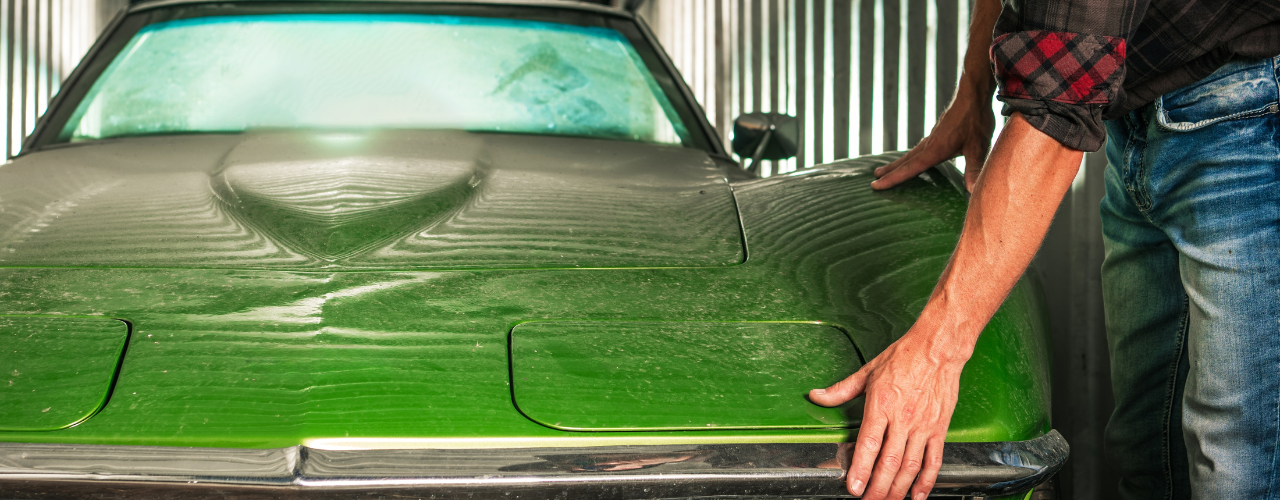
Classic Car Storage: A Guide to Protecting Your Collector Car
Any classic car you see is still there and looking great because people throughout the years knew how to store it well. Those smart decisions kept it from being damaged by moisture, frost and other issues that lead other cars to the auto-graveyard. Now, it’s up to you to carry on the legacy by choosing the right kind of classic car storage(opens in new tab). This guide compares indoor and outdoor options, explains why climate control storage(opens in new tab) is important and shows you how to prepare your car before you store it.(opens in new tab)

Second Acts With Roll-Up Doors: The Most Unexpected Self Storage Conversions In The U.S.
You probably don’t expect to stash your holiday decorations in a former armory. Or tuck away old photo albums where moviegoers once lined up for popcorn. But across the country, some of the most unexpected buildings are getting a second act — as self storage facilities.

Storage Unit Insurance: Your Coverage Options Compared
Your homeowners or renters policy may already cover your stored belongings, but likely not for their full value or against every risk. This guide explains where coverage comes from, what each option leaves out and how to decide whether you need more from your storage unit insurance.

I’m Gen Z: What’s in My Storage Unit?
Trading Facebook posts for TikTok dances and Beanie Babies for Labubus, Gen Z has given growing up online a whole new meaning. Defined by everything concerning reusing, recycling and cycling through trends that previous generations would rather forget (looking at you, Millennials and capri jeans), it’s no wonder this is also a generation that can spot an authentic vintage find from a fast-fashion knockoff in under three seconds. And when your wardrobe can go from Depop find to next season’s comeback without warning, a little extra space starts making sense.

I’m a Millennial: What’s in My Storage Unit?
So, you’re a Millennial. You probably know all the lyrics to Phoebe Buffay’s Smelly Cat. Hannah Montana’s The Best of Both Worlds has become more like a life philosophy rather than a fun tune. And if you rent a self storage unit, you’re in good company. You’ve officially joined the 31% of Millennials who rent storage space, most often because there simply isn’t enough room at home, according to StorageCafe’s 2026 Self Storage Demand and Trends survey(opens in new tab).

Attic Storage Done Right: What’s Worth Keeping Up Top?
The attic is one of those places where holiday decorations end up next to a forgotten suitcase, a broken lamp and boxes nobody’s opened since moving day. Out of sight, out of mind works well enough until you need something from the back or realize you’ve been adding weight to a floor you know little about.