

If you’re a parent, you’re all too familiar with this problem: toys are taking over your entire house. Going into your child’s room is a veritable obstacle course. You’re trying to avoid walking on Lego, only to end up stepping on a toy car that takes you on a wild ride, straight into the nearest wall.
Cleaning up seems rather pointless – your house looks tidy for about half an hour after a three-hour housework session. What to do? You obviously can’t get rid of the toys; your kids are rather attached to them. The only way out is to start organizing, so here are a few ingenious and affordable toy storage solutions.
Mesh Things Up!
Mesh hammocks and mesh hanging organizers are both inexpensive and huge space savers. Put a hammock in one of the room’s corners and you have a great spot for storing soft toys. You can even turn tidying up into a game – get your children to throw the toys into the hammock and give them points for every successful throw. Mesh hammocks and hanging organizers with three or four compartments cost between $8 and $16 at Walmart.

Under the Bed Storage
Create extra storage under the bed. Most household stores carry narrow boxes that fit into that space. For kids, pick durable, clear plastic boxes with compartments. They’re ideal for storing small building blocks. Children mostly play with Lego on the floor anyway, so the boxes will be perfectly positioned. A decent sized plastic box for under the bed costs between $10 and $15.
Playmat Bag
This is a really versatile item that’s both a playmat and a bag for toys. Use it for the small toys your child plays with daily – cars, animals and so on. Once playtime is over, all it takes is just one swoop to turn the mat into a bag containing all the toys. Put it in a corner or even hang it somewhere. One such bag costs between $15 to $40, and will save you from painstakingly picking up dozens of farm animals and minuscule cars every evening. This one on Amazon, for example, is suitable both for babies and older children.
Bedside Caddies
Hang a caddy on one side of your child’s bed and keep the nighttime books and toys in there. Say goodbye to digging through the entire room to find the one book or stuffed animal your child simply can’t fall asleep without. A larger bedside caddy with plenty of compartments will cost you around $15.
Collapsible Baskets or Bins
Keep a few of these throughout the house. Collapsible bins are perfect for “emergency cleaning” – you know, those moments when people call to let you know they’re dropping by in half an hour. How nice of them! So, the bins are ideal for somewhere to throw everything that’s not supposed to be on your living room floor, from toys to clothes, papers, books or anything else. The house will be ready for company in under ten minutes. The bins are between $8 to $15 each, and you can find cute and colorful ones at Ikea.

Add a Pegboard on a Wall
Create a new storage area with the help of a pegboard and an assortment of hooks and small containers. You can hang anything on it: containers for arts and crafts materials, spice shelves that hold small toys (superheroes, dolls and so on), school bags, jackets, and you could even add a drawing board to it. Pegboards vary in price depending on size and material, but you certainly don’t need an expensive, heavy duty one that holds hammers and power tools. A basic pegboard made of plastic or metal costs about $30.
How to Store Toys in a Storage Unit
Sometimes, no matter how much organizing you do, there simply isn’t enough room at home for all the stuff. Rent a storage unit to save toys, books and clothes that you don’t need right now, but you’ll be using again in the future. Here’s how to make sure that your kiddie stuff will stay in good shape while in storage:
- Take out all the batteries from the toys prior to storing them. That will prevent battery leakage and oxidation of the electrical parts of any toys which have them.
- Use clear plastic boxes with lids to store the toys. This way, you’ll be able to see what’s inside each box and to take home exactly what you need, without rummaging through a bunch of stuff.
- Of course, if you don’t want to spend money on plastic containers, you can use regular cardboard boxes. Just make sure they’re sturdy boxes that hold the toys and books properly and label each box. Write a content inventory on each of them.
- Use humidity control packs inside the boxes that contain books, clothes or plush toys to avoid any risk of damage.
Managing your kids’ clutter may feel like a full-time job sometimes, but don’t despair! Organize their stuff based on their playing habits and rhythms and involve the little ones in tidying up – things will get better in no time!


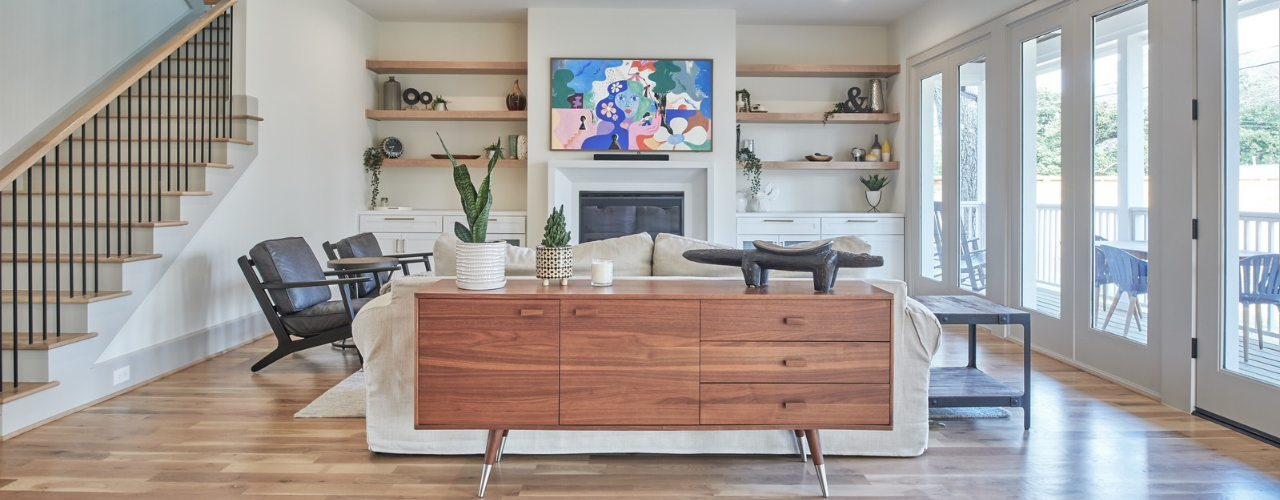
Living Room Storage Ideas: 28 Ways to Reclaim Your Hosting Space
If a living room is where most of a household’s living happens, good storage should be the top priority for setting up or revamping the place. After all, think of how easier it would be to have people over when tidying up the place is just a matter of putting things in their right place (in a time when fewer and fewer people are entertaining friends at home(opens in new tab)). The trick is making room for all those wayward clothes, blankets, chargers and other small things that end up on (or, inexplicably, in) the sofa. Here are 28 living room storage ideas to get you started and make tidying up a quick affair.
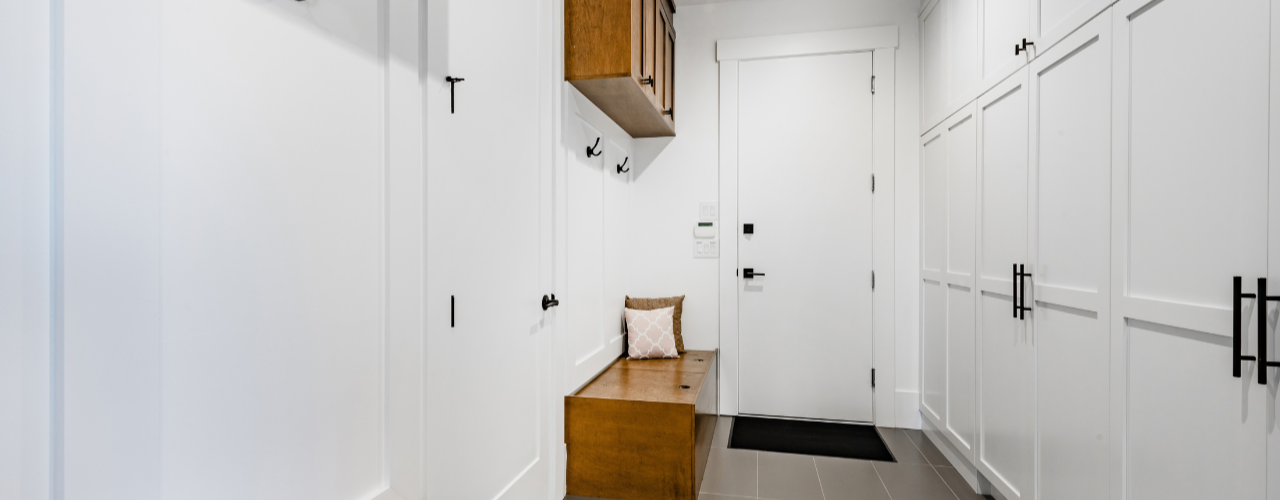
25 Mudroom Storage Ideas (And Mistakes to Avoid)
When you come home with muddy boots, an armful of bags and a coat you can’t wait to take off, it’s nice to have somewhere to put it all. With a mudroom, you can leave the outdoor mess at the door instead of carrying it through the house. Traditionally, you’d set aside a separate room, but you can just as easily use a hallway, an entryway closet, a laundry-room corner or a stretch of wall near the entrance.
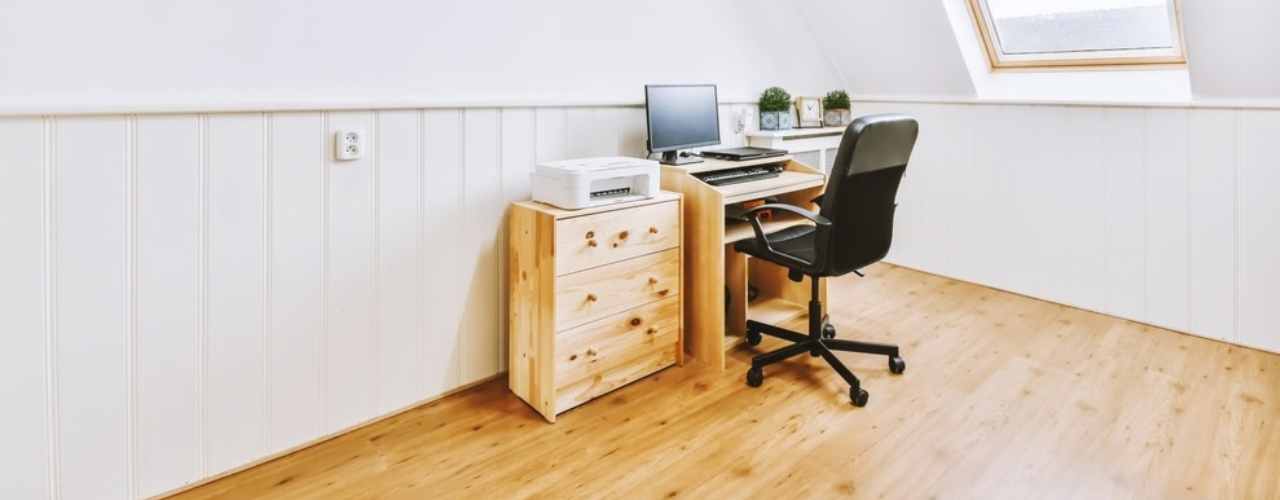
Is Your Home Office Worth the Rent? What Coworking and Self Storage Could Save You
Every square foot of your apartment comes with a price tag, and a home office claims more of them than most renters expect. It starts with a desk. Then come the second monitor, the printer, the filing cabinet and the overflow boxes. Before long, the corner you set aside for work has turned into a small room you are paying for every month.

Best U.S. Cities to Live Uncluttered: Plano, TX, Offers the Most Room to Breathe
Clutter is in our homes as much as in our heads. Both are shaped by where we live.

America’s Top Snowbird Destinations for 2026–2027: Florida Leads in Numbers, Texas Wins on Value
For Americans living in colder states, the approach of winter is reason enough to start looking south. Cold weather carries costs that go beyond the heating bill and shoveling snow. Seasonal affective disorder(opens in new tab) is far more prevalent in northern states, so a temporary move south isn’t simply an escape from the cold, but a chance to spend the hardest stretch of winter outdoors and in the sun.
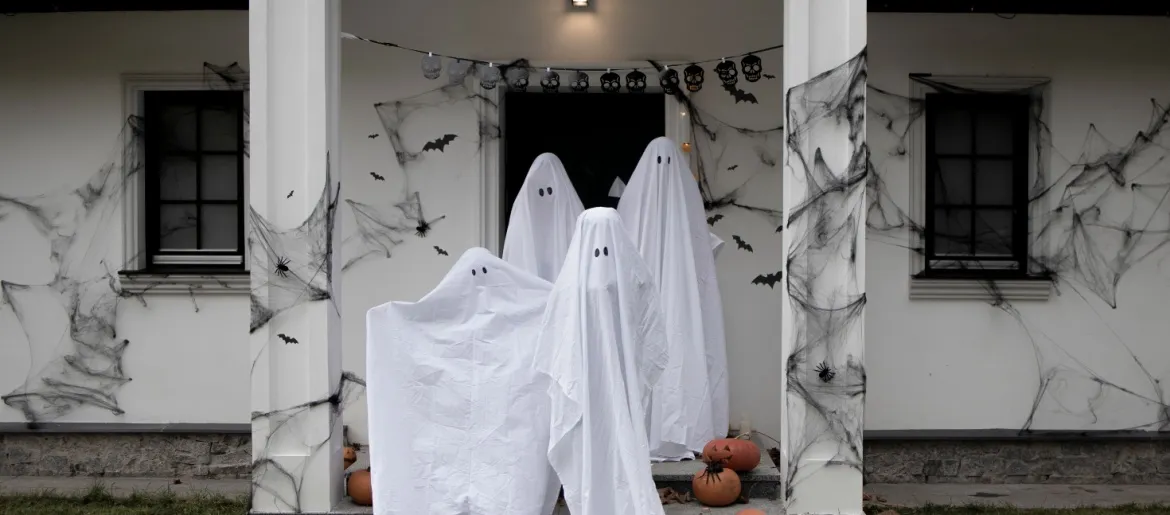
How Much Does Halloween Really Cost in 2026? Plan Wisely to Avoid the Scare of Hidden Costs
Americans’ love for Halloween is almost frightening — this year alone, we are on our way to spending $13.5 billion, according to data from the National Retail Federation(opens in new tab). That breaks down to about $115 Halloween costs per person, a whopping 49% more than 10 years ago.
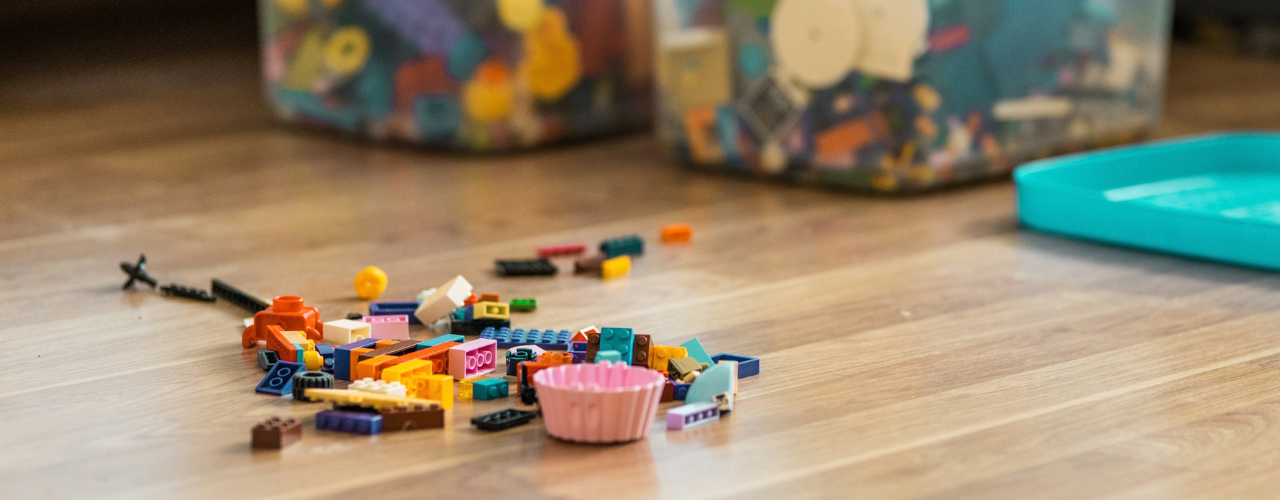
How to Store LEGOs: All the Fun, None of the Clutter
How to store LEGOs largely comes down to how your household uses them. If the bricks are part of everyday play, you need a setup that keeps them within easy reach and makes cleanup quick (for your feet’s sake, at least). Toy storage(opens in new tab) such as simple bins, playmats or containers that children can put away themselves may be enough. Larger or more serious collections usually need more organization, such as labelled drawers for loose pieces, trays for unfinished builds, shelves for completed models and separate storage for retired sets.
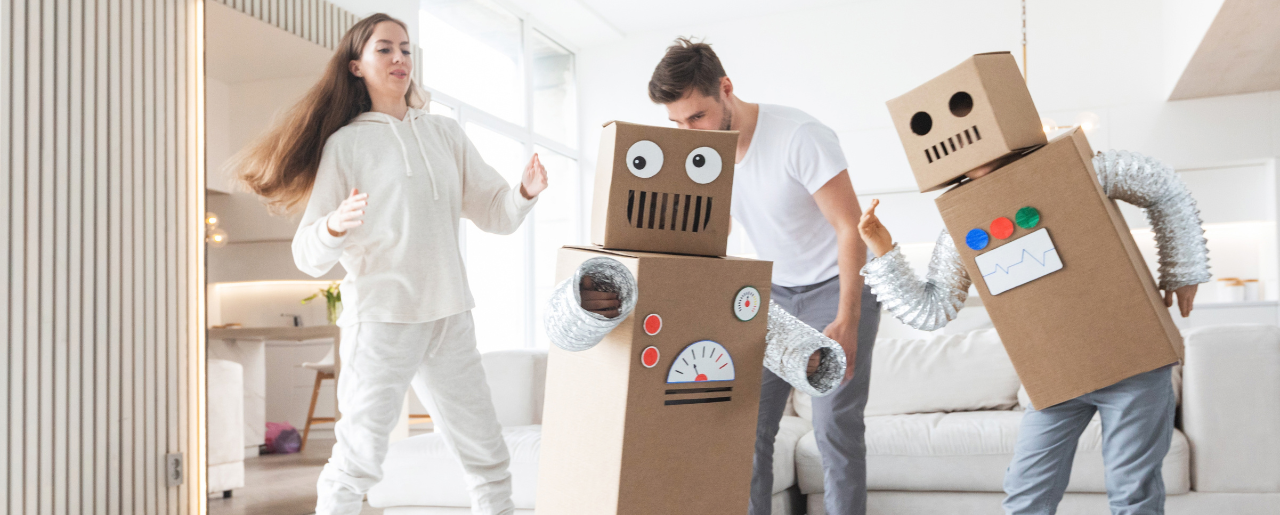
Cardboard Costume Guide: Tips and Ideas for a DIY Halloween
Whether for kids or adults, cardboard costume ideas often make the biggest splash once materialized, and that’s for a simple reason: doing a lot with a little is a universally impressive feat (especially in this economy). If you don’t have enough boxes you could temporarily repurpose, don’t worry! There are many places where you can find free moving boxes(opens in new tab), from stores and supermarkets to online groups and recycling drop-off spots. On the run? Try your luck at a self storage(opens in new tab) facility that sells moving supplies, often for cheap. This way, you can choose moving boxes of different shapes and sizes(opens in new tab), so you can make your costumes as complex as you want.

How to Celebrate Halloween: 9 Non-Spooky Ways To Enjoy It
As soon as October starts, it’s the official Halloween month. And while for many people it means it’s open season to get the scare of a lifetime, others, especially families with small children, might prefer to celebrate in a tamer way that’s both kid- and adult-friendly. While you’re likely to find more events where the spook factor is high, here’s how to celebrate Halloween in a not-so-scary way: