

Self storage remains a popular service for Americans — about a third of the respondents of a recent survey said they are using self storage, or have used it in the past, and an additional 11% are planning to use it in the future. The industry saw tremendous growth in recent years — currently, there are over 1.4 billion square feet of storage space in the US, according to Yardi Matrix. About 190 million square feet, or 13% of that, were built over the past five years alone.
But what are the most popular items people put in self storage, and are there any variations from state to state? Here’s what the data tells us.
Furniture is the most frequently stored item in the majority of US states
Over half of the self storage users in the survey — 51% — declared that they use their units for furniture. Other belongings commonly put in storage are seasonal items, clothing and home appliances. However, people’s habits, when it comes to the most frequently stored items, can vary depending on factors like age, gender or location.
Furniture remains the most commonly stored item in a majority of states, but there are some interesting exceptions. Residents of Kansas and North Dakota are the only ones that declared they store mostly clothing in their units.
Self storage users in Montana, Louisiana, Vermont and Rhode Island are apparently more interested in fitting their homes with domestic appliances than the rest of the Americans, and said they mostly put home appliances in storage.
Residents of several other states, including Alaska, Colorado or Utah, tend to store primarily seasonal items. That’s not surprising at all, seeing as many of these states are well known for their long winters or the many opportunities for practicing winter sports, so people are more likely to own things like ski equipment, snow boots, snow blowers, snowmobiles and so on. These items are obviously very useful during the cold season, but they take up a lot of space at home, so people tend to put them in storage while not in use.
Millennials are storing more clothing than older generations
Younger Millennials are storing significantly more clothing than older generations. About 36% of them said they keep mostly clothes in their storage unit, compared to 13% of Gen Xers and 14% of Baby Boomers.
One explanation for this generational difference is that Millennials, particularly the younger Millennial cohort, are less likely to be homeowners and favor renting apartments in large cities, where living space is at a premium. Sacrificing space for location means that clothing and seasonal items — as is the case for about 26% of Millennials — get put in storage.
Gen Xers and Baby Boomers, on the other hand, are storing primarily furniture in their units — 49% and 44% respectively. Both groups are better positioned than Millennials to make large purchases, switch homes or do home remodeling projects, hence the extra need for storing furniture and home appliances. Also, many Baby Boomers turn to downsizing at a certain point, which reflects into their self storage habits.
What women store vs. what men store
The storing habits differ between men and women, with the latter more inclined to rent self storage in general — about 65% of the survey respondents that declared they used self storage are women, and 35% are men. There are also some differences in the items they actually put in storage.
About 62% of the men said they store primarily furniture, while only 52% of the women said the same thing. However, both sexes are equally inclined to store seasonal items. When it comes to clothing, about 20% of women and only 13% of men said they keep a storage unit primarily for clothes.
Temporary storage during apartment renovation
If you ever lived through any full-scale home renovation, then you should know that it’s not always possible to keep and safeguard personal belongings in the home, such as artwork, interior decor features like vases, photo boards, etc., while tradesmen do their job, note experts Henfield Storage. One of the most common reasons for people to utilize third-party space is to secure belongings while renovation works finish. While there are multiple options to live somewhere else during the process, be it with family, in a standard rental or a caravan, or by moving in with friends, bringing your TV, wardrobe, and appliances, etc., is often simply not possible.
Business storage is becoming a thing
Small businesses are using self storage as a viable option for their extra storage needs. About 5% of the survey respondents declared they rented a storage unit to keep documents, tools, supplies and other items related to their business. Self storage is an easy-to-access, affordable service that doesn’t come with long term leases such as renting offices or warehouse space, for example, which makes it a great option for small companies and independent workers.
What other unusual things do people put in storage?
People use self storage to keep many other items than the main categories listed above. A small self storage unit, particularly a climate-controlled one, makes the perfect environment for keeping collectibles, such as magazines and books, old photos or vinyl records. Below, you can check out prices and availability for climate-controlled self storage in some of the country’s major cities:
[vc_column width=”1/3″][vc_column_text]
[/vc_column_text][/vc_column]
[vc_column width=”1/3″][vc_column_text]
[/vc_column_text][/vc_column]
[vc_column width=”1/3″][vc_column_text]
[/vc_column_text][/vc_column]
Other survey respondents listed even more surprising and unusual stuff they put in storage — the backseat of a Bronco, a hammered steel dog, a sword collection and even a…. coffin.



How to Use Silica Gel Packets for Storage
Moisture can cause significant damage to items in storage, leading to rust on tools, mold on clothing and warping in documents. Silica gel offers a simple yet powerful solution. Often found in small packets inside product packaging, silica gel is a desiccant that absorbs moisture from the air, keeping your stored items dry and protected. This guide explains what silica gel is, how it works and how you can use it to preserve your belongings in self storage.
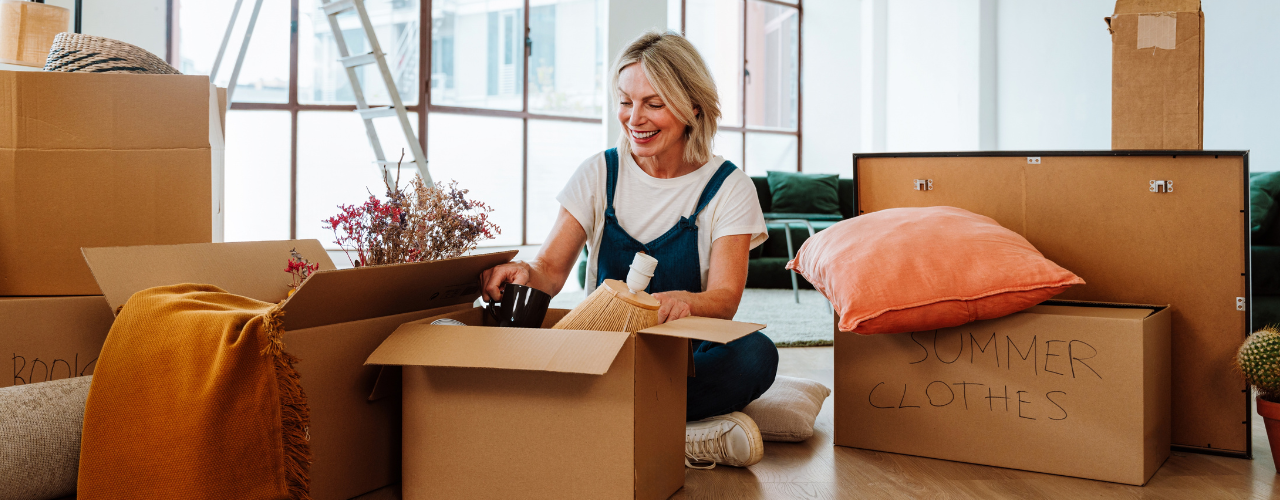
Where to Find Moving Boxes in Los Angeles
Moving in Los Angeles is its own thing, and figuring out where to get moving boxes sorted is just the start of everything you’ll need to organize before moving day.
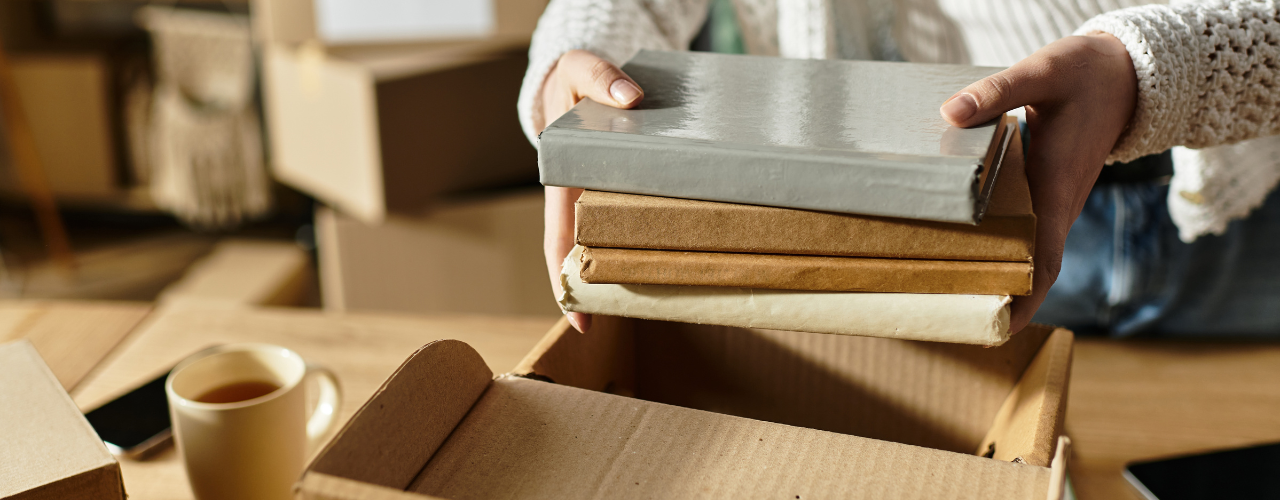
10 Best Places to Donate Books in Philadelphia
Did you know Philadelphia’s book-sharing roots go back to 1731? Benjamin Franklin and The Junto Club gathered their personal collections into a shared library, thus sparking a tradition of pooling knowledge for the common good. Today, you can carry on that spirit by donating books to local organizations and free libraries.
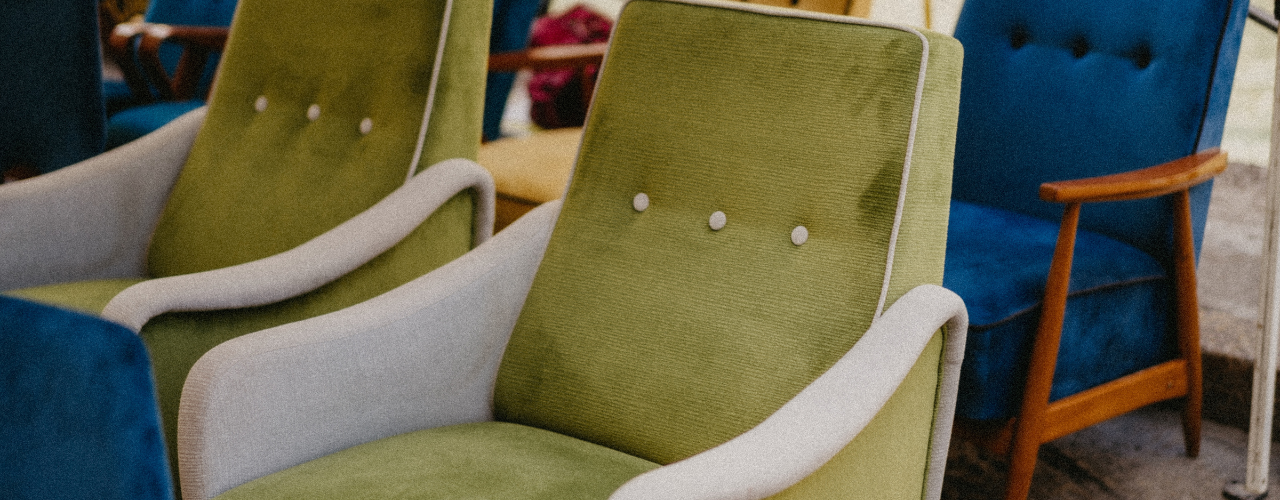
How to Sell Furniture (For Quick Deals and Side-Hustles)
Selling used furniture can be quick, profitable and even rewarding if you know where to list, how to present your pieces and what buyers are looking for. Just a tiny bit of patience and some good planning will take you a long way. This guide covers everything you need to sell your furniture efficiently and safely, for the best possible price.
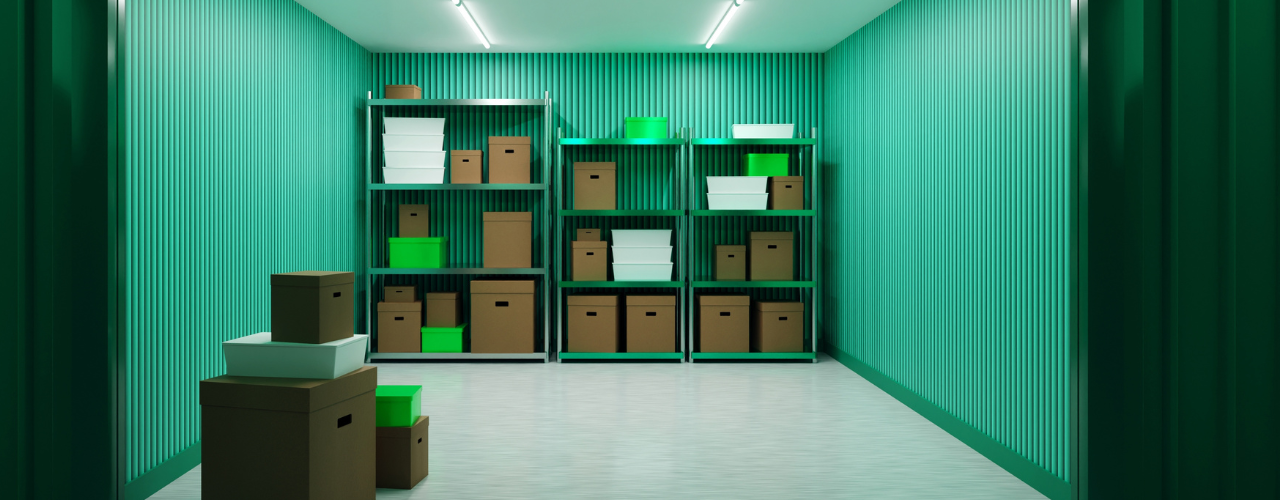
1 in 4 Americans Rent Self Storage — and the Next Wave Is Already Coming
About one in four Americans is already using self storage and just as many are actively searching for a unit online right now. Across the 150 largest U.S. cities, self storage searches rose 23% year-over-year in 2025 — nearly triple the growth recorded the previous year, up from around 8% in 2024.
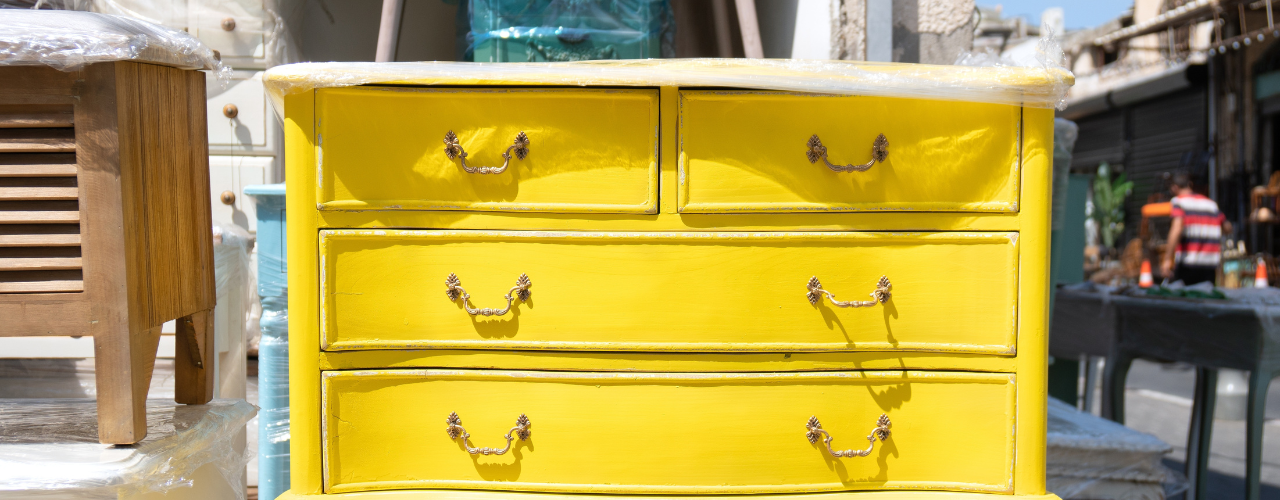
Where to Donate Furniture in Philadelphia
Philadelphia has a strong tradition of giving back, and donating furniture is a practical way to support local charities while freeing up space in your home. Whether you’re downsizing, moving, or just decluttering, there are plenty of organizations ready to take your gently used furniture. And if you’re not ready to part with certain pieces just yet, self-storage can buy you time to decide.

Jet Ski Storage: How to Winterize & Where to Keep Your Watercraft
If you want your jet ski to deliver the fun times for years on end, then proper storage is in order. Leaving it exposed to weather, UV rays, or theft can lead to costly damage, mold, or vandalism. Here’s everything you need to know to store your jet ski safely.
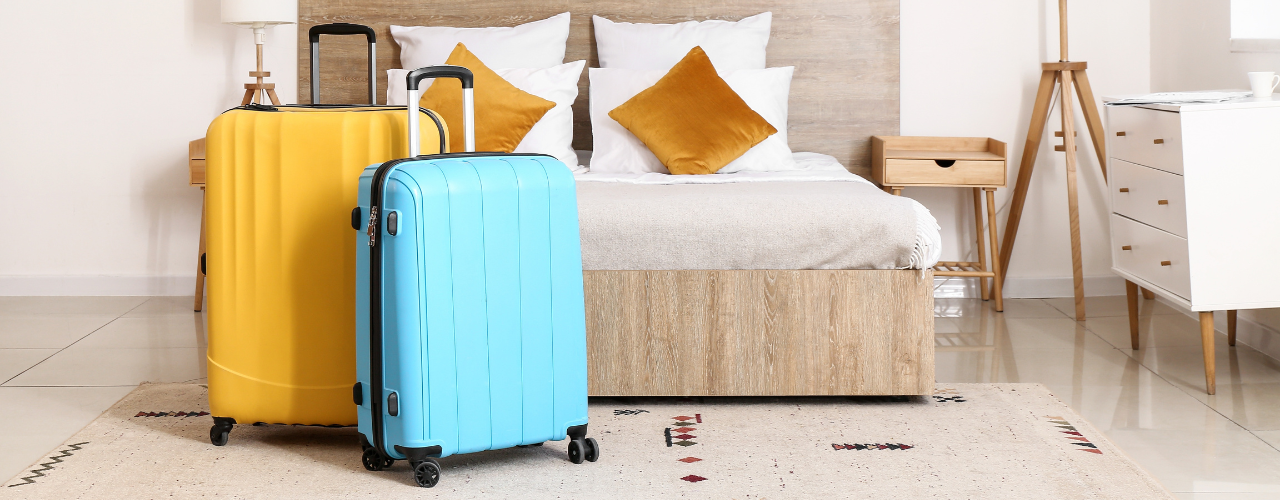
How to Organize a Guest Room: From Decluttering to Storage
A guest room often becomes a holding zone for spare furniture, seasonal bins and unfinished decisions. To reclaim it, start with three basics: a comfortable place to sleep, room for a guest to unpack and the everyday essentials that make the space easy to use.
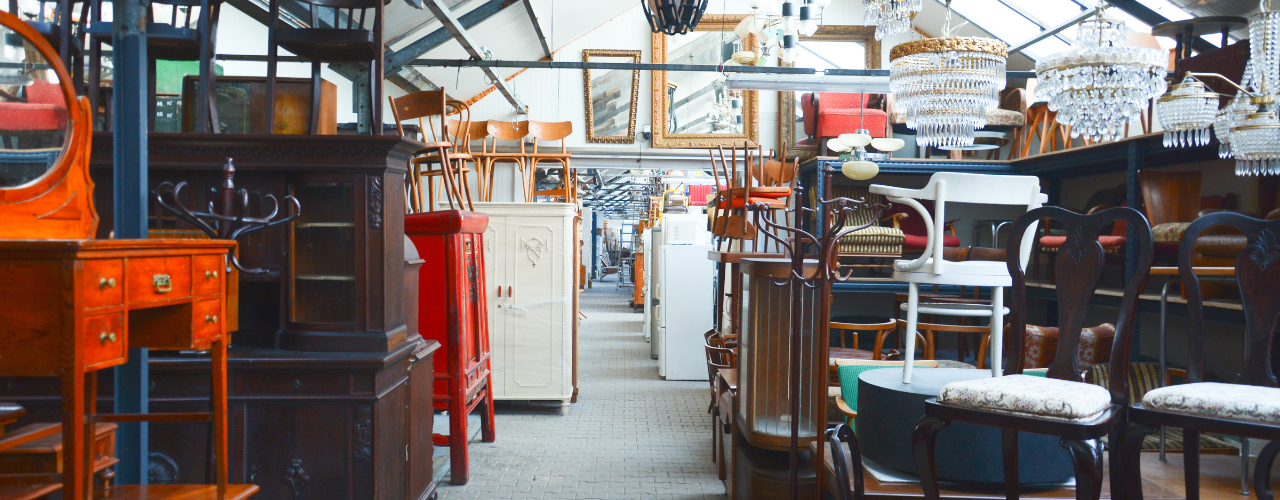
Where to Donate Furniture in Phoenix (And Some Back-Up Plans)
Whether you’re downsizing, moving, redecorating, or clearing out an estate, giving your gently used furniture a second life is one of the most rewarding ways to declutter. Phoenix has a deep bench of nonprofits that will happily take your couch, dresser, or dining set, and many of them offering free pickup right from your driveway. This guide covers where to donate furniture in Phoenix, what each organization accepts, how pickups work, and when a storage unit(opens in new tab) can help with the items you would still like to keep.