

Paper or digital, photos are precious mementos of your and your family’s personal history, and you should preserve them for the future – but also enjoy them now! Most people keep their old family pictures tucked away in boxes or inside photo albums, gathering dust, while the digital ones are collecting virtual dust, because we all have literally thousands of them, and most don’t even get a second look.
There are better ways to manage your paper and digital photos, ways that also allow you to enjoy them properly and to share your memories with your friends and your loved ones.
Protect your old family photos
Your great-grandparents on their wedding day, your mom’s baby photos, or your dad and his high-school friends – all those are priceless memories, keepsakes you must pass on to your own kids. However, old photos on paper are fragile. Exposure to light makes them fade, while dirt and grease particles from people’s hands can stain them. Humidity and heat are other factors that, over time, destroy old photos.

The first step you must take is to scan all your family photos – the feel and personality of actual old pictures are hard to replicate, but at least you’ll have a digital copy of the images, should something irreversible happen to the physical ones.
Next, purchase some good-quality photo albums or photo-safe storage boxes and organize your photos in chronological order, and by categories. Adding sticky notes or cards with information about the photos is a great idea – otherwise, your children and grandchildren won’t know who the people in those photos are.
Make sure you don’t stick the notes directly to the photos – the glue will cause damage. Instead, place the notes on the albums’ pages, next to the images, or create index cards for the photo storage boxes. The best solution for long-term keeping is a climate-controlled self storage unit, which provides the perfect environment for old photos and other papers: protected from direct sunlight, with constant temperature and humidity throughout the year.
Deal with your digital photos
You probably have thousands of digital pictures taken with your phone or digital camera, many of them duplicates, which makes browsing through them difficult and boring. Fix the situation by deleting the duplicates and those photos that are not worth keeping. If you’re using photo hosting sites like Google Photos, Dropbox or Flickr, make the most of their tools and organize your images chronologically or based on locations, events, people and so on. This way, you’ll be able to find the exact photo you want to look at in just a few moments. In addition, you can use the powerful features available in PicsArt’s photo editor to touch up, crop and enhance your photos. From adjusting color balance to adding creative effects, you can easily transform your photos and make them look their best.

Don’t rely exclusively on online photo storage. You should also create a backup, just in case. The safest and easiest way to keep your digital photos offline is by storing them on an external hard drive. External drives are relatively inexpensive and durable, and you can store terabytes of information on one.
Being able to take pictures anytime and anywhere with your phone is great – the downside is that you hardly ever print any of them. There’s something nostalgic and comforting about going through a physical photo album. Looking at photos on a screen is just not the same thing. Pick your favorite pics and have them printed for you and your family to enjoy – just don’t go overboard. Be selective and only commit the most meaningful ones to paper.
Display your photos creatively
Family pics, images from your travels, reminders of a fun walk you had with your pet – the photos you take have sentimental and even artistic value! And there’s a lot more you can do with them, besides framing a few and keeping them scattered around your house.
Instead of decorating your walls with generic “artwork” bought from department stores, why not print your own photos? They might not be perfectly framed and might not have the perfect lighting, but they’re unique and original, they have personal meaning, and it will be worth the bother. Virtually all phones and cameras available today take high-quality photos that can be printed large-scale – which means you get to be the artist and display your best pics on your living room wall, instead of commonplace, boring canvases.
For a quirky and cute piece of home décor, all you need is a piece of string and some colorful clothespins. Secure the length of string on a wall, between two pieces of furniture, or in any other location you might see fit, and attach the photos to the string using the clothespins. For a more artistic effect, alternate the photos with other small decorative items like paper cutouts or dried leaves, or you could even add a string of fairy lights.

If you’re not a fan of framed family photos neatly arranged on the mantlepiece, there are many other unconventional ways to show off your images of your loved ones. A photo board made of soft plywood or foam, covered with linen, can hold tens of family photos. You can rotate the pictures periodically – it’s a lot easier to simply pin them on a board than it is to repeatedly take photos out of their frames and replace them with new ones.
Print your pictures on regular, light paper and use them to decorate pieces of furniture. You can, for example, turn a dull sad coffee table into a pretty and unique piece of art – glue your favorite photos to it and seal the surface with a varnish or spray sealer.
Organizing your photos chronologically and according to categories – regardless of their medium, digital or paper – will motivate you to go through them more often and therefore to enjoy them more. Have backups of all of them: create digital copies or your old photos, and don’t rely exclusively on online storage when it comes to these precious memories. Take extra precautions with old and fragile pictures and store them properly for the next generation.



America’s Top Snowbird Destinations for 2026–2027: Florida Leads in Numbers, Texas Wins on Value
For Americans living in colder states, the approach of winter is reason enough to start looking south. Cold weather carries costs that go beyond the heating bill and shoveling snow. Seasonal affective disorder(opens in new tab) is far more prevalent in northern states, so a temporary move south isn’t simply an escape from the cold, but a chance to spend the hardest stretch of winter outdoors and in the sun.
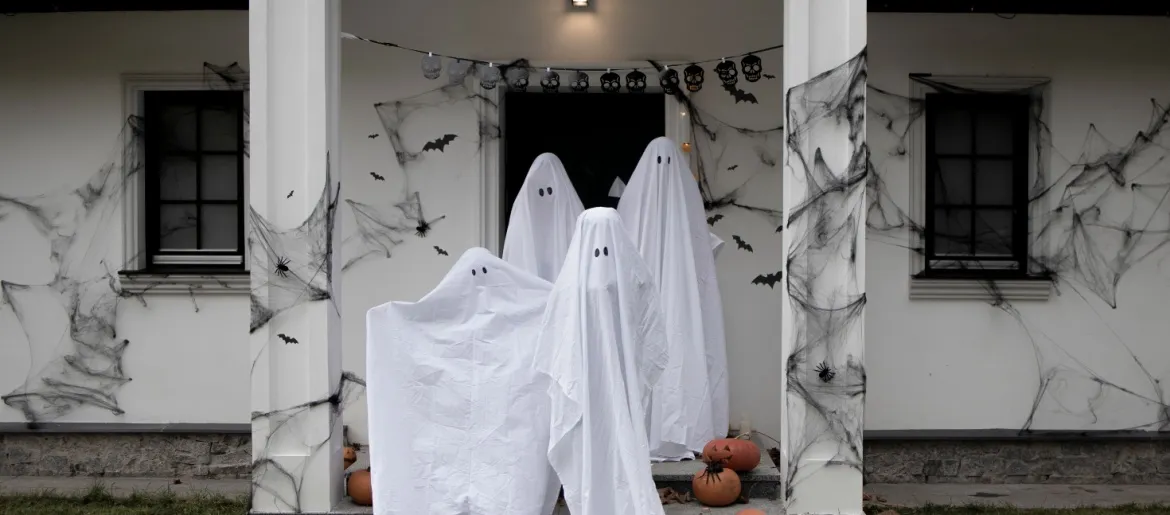
How much does Halloween really cost in 2026? Plan wisely to avoid the scare of hidden costs
Americans’ love for Halloween is almost frightening — this year alone, we are on our way to spending $13.5 billion, according to data from the National Retail Federation(opens in new tab). That breaks down to about $115 Halloween costs per person, a whopping 49% more than 10 years ago.
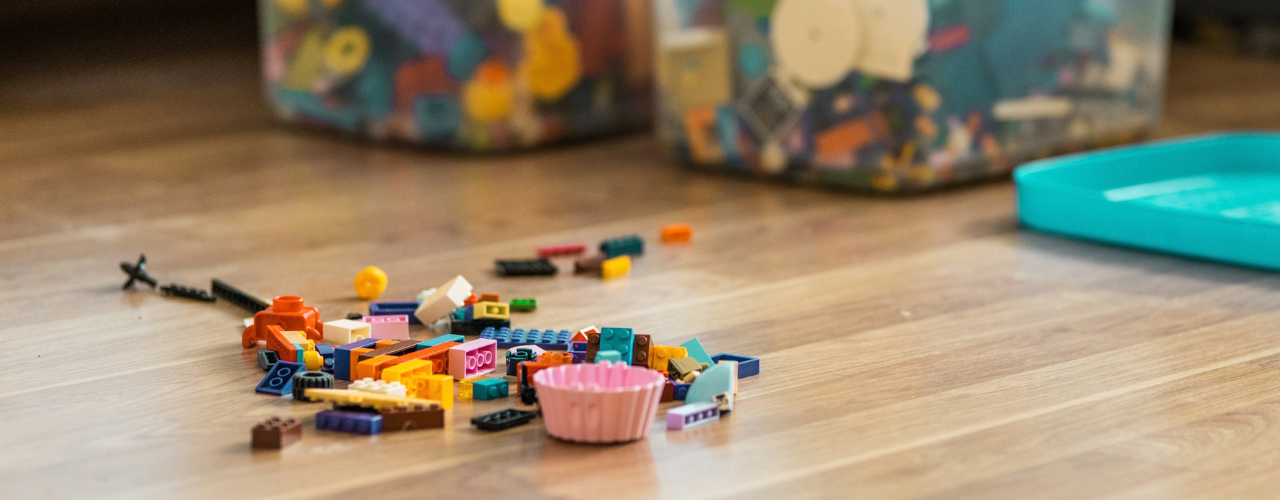
How to Store LEGOs: All the Fun, None of the Clutter
How to store LEGOs largely comes down to how your household uses them. If the bricks are part of everyday play, you need a setup that keeps them within easy reach and makes cleanup quick (for your feet’s sake, at least). Toy storage(opens in new tab) such as simple bins, playmats or containers that children can put away themselves may be enough. Larger or more serious collections usually need more organization, such as labelled drawers for loose pieces, trays for unfinished builds, shelves for completed models and separate storage for retired sets.

Cardboard Costume Guide: Tips and Ideas for a DIY Halloween
Whether for kids or adults, cardboard costume ideas often make the biggest splash once materialized, and that’s for a simple reason: doing a lot with a little is a universally impressive feat (especially in this economy). If you don’t have enough boxes you could temporarily repurpose, don’t worry! There are many places where you can find free moving boxes(opens in new tab), from stores and supermarkets to online groups and recycling drop-off spots. On the run? Try your luck at a self storage(opens in new tab) facility that sells moving supplies, often for cheap. This way, you can choose moving boxes of different shapes and sizes(opens in new tab), so you can make your costumes as complex as you want.

How to Celebrate Halloween: 9 Non-Spooky Ways To Enjoy It
As soon as October starts, it’s the official Halloween month. And while for many people it means it’s open season to get the scare of a lifetime, others, especially families with small children, might prefer to celebrate in a tamer way that’s both kid- and adult-friendly. While you’re likely to find more events where the spook factor is high, here’s how to celebrate Halloween in a not-so-scary way:

Motorcycle Storage Guide: How to Store Your Bike Safely
Motorcycles may be born to be wild, but eventually even the wild ones need somewhere to park. Whether riding season is winding down or your current living situation comes with plenty of square footage for you and less for your bike, motorcycle storage is one of those parts of ownership that doesn’t get as much airtime as the open road.

Halloween Decorating on a Budget (And Cheap Ideas for Everything Elsee)
Halloween has crept a long way from its eerie origins. While All Hallows’ Eve has transformed through the centuries, it wasn’t until the 1930s that trick-or-treating became a tradition in the U.S. and businesses began conjuring up mass-produced Halloween costumes. Now, Halloween is a monster-sized, billion-dollar industry, with a cauldron full of costumes and decorations ranging from the mainstream to the macabre. But is it all really worth your wallet? Maybe, but we’ll let you in on a little secret: You can keep your Halloween decorating on a budget and save on everything else, too. Take this plan and see it through!

Moving From a House to an Apartment: What to Expect, How to Downsize & How Self Storage Helps
For some, moving from a house to an apartment is a financial decision. For others, it’s about simplifying life. Maybe the kids have moved out and half the house sits empty, or you’re approaching retirement and no longer want to spend weekends on repairs. Or perhaps you’ve been weighing the cost of buying a home and wondering whether renting simply makes more sense right now.
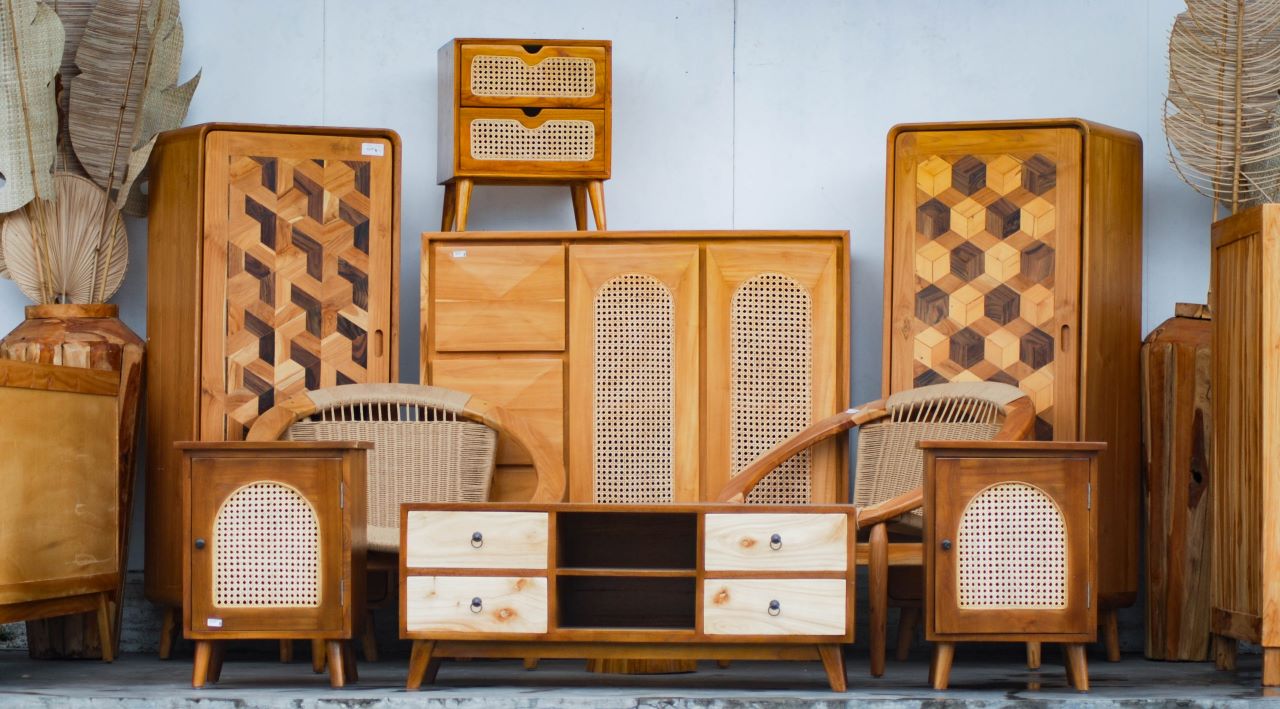
Family Heirlooms Overload: How to Handle Family Inheritance Without Regret
Handling family heirlooms after a loss requires managing legal authority, emotional pressure and practical logistics at the same time, and the order you take them on matters more than most people expect.