

Whether you are a budding artist with limited space for paintings and utensils, an art collector, or you recently inherited artworks and are not sure what to do with them, one common issue arises: how to store them properly and where. Artwork in general, and oil paintings in particular, need a special environment when it comes to storage.
Here’s how to ensure your art collection and oil paintings are stored properly:
1. Find the right place to store them
Storing oil paintings starts with finding the right place for them. You need a space that is cool and relatively dry. An attic or a basement does not offer the right environment because they are either too hot, cold or humid.
Exposing artwork to heat dries out the oil paint, which speeds up the aging process. On the other hand, moisture affects the adhesion of paint layers, causing paint loss and promoting the growth of molds in the form of black points on the canvas. Low humidity is preferable. However, if the air is too dry, the paint becomes brittle, resulting in mechanical damages to the painting when trying to manipulate it. The Smithsonian Museum Conservation Institute recommends storing paintings at an average temperature of 65 to 70 degrees Fahrenheit and relative humidity of 45% to 55%.

It is challenging to ensure this type of environment at home. A great option is a climate-controlled self storage unit where the average temperature and humidity stays constant throughout the year regardless of the outside weather. Depending on how large your art collection is, you could opt for a 5×5 storage unit or a larger, 10×10 unit.
2. Prepare paintings for storage
Ensure that your hands are clean when handling paintings and try to touch the canvas and the frames as little as possible. Dirt and prints from your fingers can cause serious damages to paintings. Wearing cotton gloves is a good precaution, as well as removing jewelry from your hands. If the painting does not have any flaking paint, you can brush the dust using a soft, natural-hair brush. If the canvas is not correctly framed, you should take it to a professional to remediate the situation, particularly if it is a valuable painting. Reframing is not an easy DIY project, and you might end up damaging the painting.

The next step is wrapping the painting for storage. The wrapping must not touch the painted surface, just the frame of the painting. Do not use plastic like saran wrap for paintings. The wrapping needs to be a breathable material, so go for tissue paper, paper towels or soft fabrics.
When moving the painting, use two hands and carry it by the frame’s sides, never by the top. Two persons should handle large paintings to avoid the risk of dropping them or banging them against walls or door frames.
3. Precautions to take while storing paintings in your home or a storage unit
Never stack oil paintings on top of the other. The weight will deteriorate the paintings placed at the bottom. There is also the risk of canvases being damaged by other paintings’ frames. Other important precautions are making sure that you do not put the paintings directly on the floor and that the paintings are not touching.
Even in a climate-controlled space, there might be temperature and humidity variations at floor level, so make sure there is some insulation between the floor and the paintings. The best way to store paintings long term are slotted stands or racks that allow the arrangement of paintings upright without them touching the floor or each other. You could also add a large piece of cardboard between paintings to eliminate any risks of accidents or damages.
4. Get insurance
Whether you are keeping your paintings at home, in a storage unit or displayed on your walls, it is important to buy insurance. Your homeowner’s, renter’s or self storage insurance might cover your artwork against theft or damage. Make sure you check your policy and ask your insurer for details. Most insurance companies also offer separate add-ons for artwork.
However, it is better to purchase separate insurance from a fine arts insurance company for valuable artworks, one that covers your belongings’ real value. The first step is to have the artwork appraised by a specialist. The annual premium for insuring artwork is 1% to 2% of its appraised value.
5. Display your paintings safely
The main purpose of art is to be enjoyed and admired, and you should display your favorite paintings on your walls. There are some basic rules to follow when displaying paintings. First, make sure that the wall you want to hang your painting on does not get too much direct sunlight. Direct sunlight can damage and fade artwork. It is preferable to pick a wall that is in the shade throughout the day. Alternatively, you can replace regular glass in your frame with special glass or acrylic materials that block out UV rays.

Also, make sure the wall does not have issues with excessive humidity or mold. Surface discoloration, brown or black spots, peeling paint or soft and spongy drywall are good indicators of mold growth. If that is your case, postpone displaying paintings until after resolving the humidity issue. Measuring the humidity inside the room is equally important. Humidity should be at around 55%, which is ideal not only for paintings but also for humans. You could use a dehumidifier, should the need arise.
Use strong and sturdy painting hooks or hangers that you anchor inside the wall. The hangers are usually labeled with the weight they can withstand, so be sure you get the proper size for your paintings. Use a level and some tape to make sure you align the paintings perfectly. Pay attention so that you do not damage the frame or the canvas while hanging the painting. Ask someone to help you, especially if it is a large painting or you are hanging it higher up on the wall.



America’s Top Snowbird Destinations for 2026–2027: Florida Leads in Numbers, Texas Wins on Value
For Americans living in colder states, the approach of winter is reason enough to start looking south. Cold weather carries costs that go beyond the heating bill and shoveling snow. Seasonal affective disorder(opens in new tab) is far more prevalent in northern states, so a temporary move south isn’t simply an escape from the cold, but a chance to spend the hardest stretch of winter outdoors and in the sun.
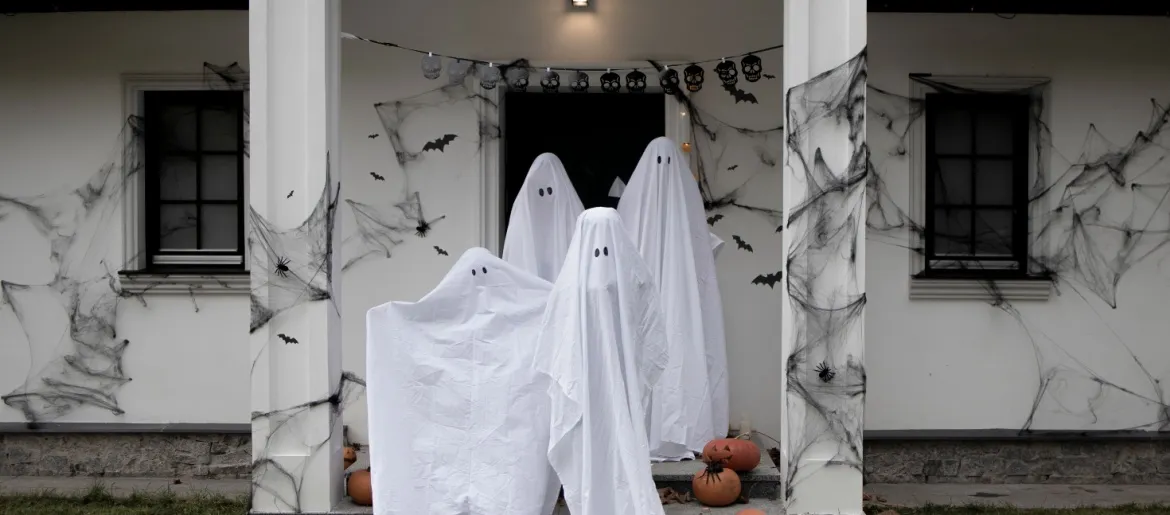
How much does Halloween really cost in 2026? Plan wisely to avoid the scare of hidden costs
Americans’ love for Halloween is almost frightening — this year alone, we are on our way to spending $13.5 billion, according to data from the National Retail Federation(opens in new tab). That breaks down to about $115 Halloween costs per person, a whopping 49% more than 10 years ago.
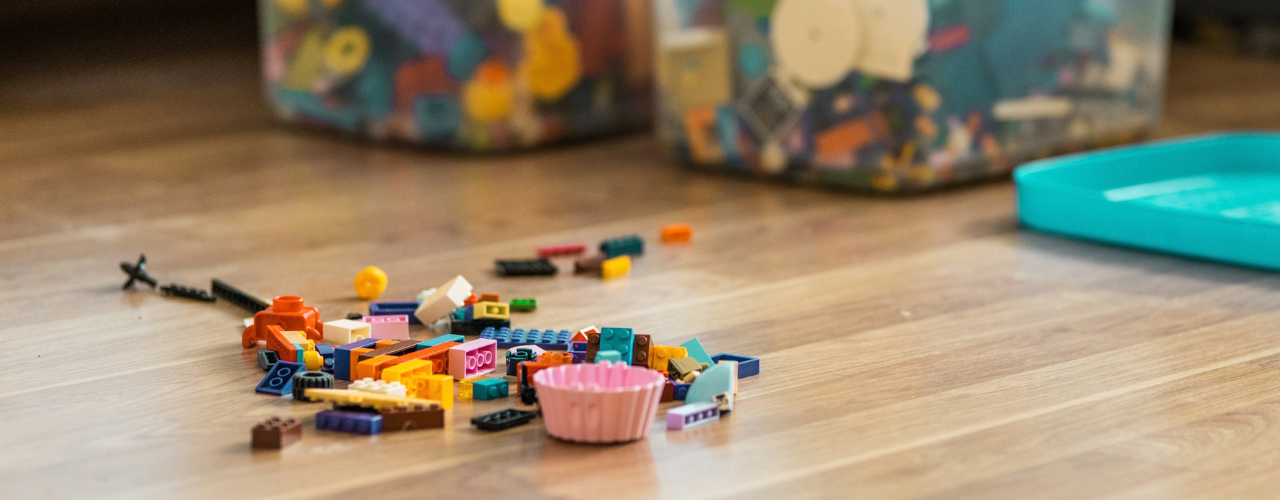
How to Store LEGOs: All the Fun, None of the Clutter
How to store LEGOs largely comes down to how your household uses them. If the bricks are part of everyday play, you need a setup that keeps them within easy reach and makes cleanup quick (for your feet’s sake, at least). Toy storage(opens in new tab) such as simple bins, playmats or containers that children can put away themselves may be enough. Larger or more serious collections usually need more organization, such as labelled drawers for loose pieces, trays for unfinished builds, shelves for completed models and separate storage for retired sets.
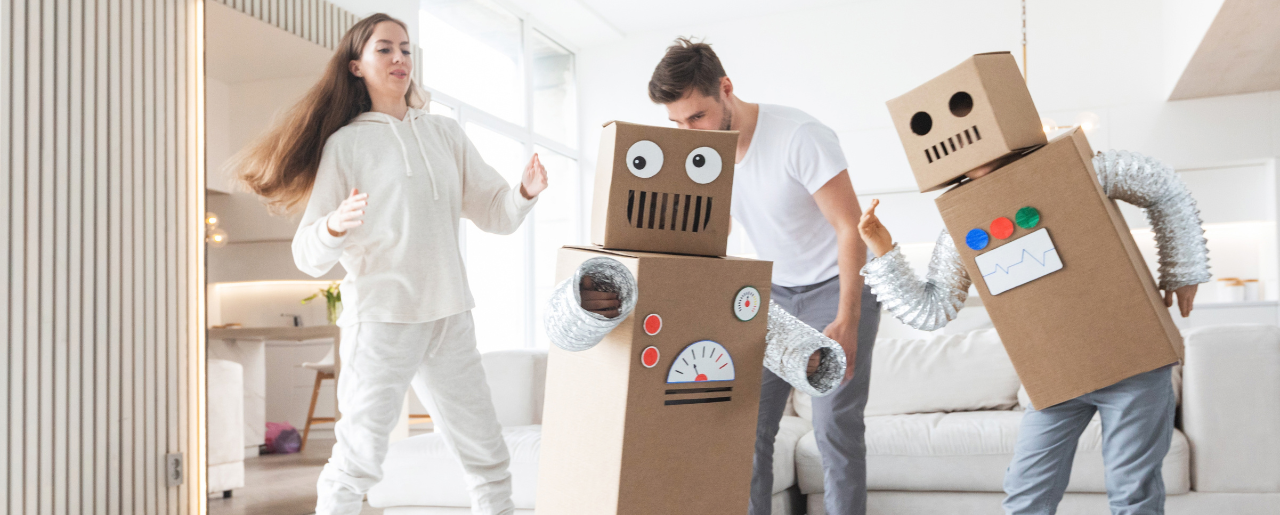
Cardboard Costume Guide: Tips and Ideas for a DIY Halloween
Whether for kids or adults, cardboard costume ideas often make the biggest splash once materialized, and that’s for a simple reason: doing a lot with a little is a universally impressive feat (especially in this economy). If you don’t have enough boxes you could temporarily repurpose, don’t worry! There are many places where you can find free moving boxes(opens in new tab), from stores and supermarkets to online groups and recycling drop-off spots. On the run? Try your luck at a self storage(opens in new tab) facility that sells moving supplies, often for cheap. This way, you can choose moving boxes of different shapes and sizes(opens in new tab), so you can make your costumes as complex as you want.

How to Celebrate Halloween: 9 Non-Spooky Ways To Enjoy It
As soon as October starts, it’s the official Halloween month. And while for many people it means it’s open season to get the scare of a lifetime, others, especially families with small children, might prefer to celebrate in a tamer way that’s both kid- and adult-friendly. While you’re likely to find more events where the spook factor is high, here’s how to celebrate Halloween in a not-so-scary way:

Motorcycle Storage Guide: How to Store Your Bike Safely
Motorcycles may be born to be wild, but eventually even the wild ones need somewhere to park. Whether riding season is winding down or your current living situation comes with plenty of square footage for you and less for your bike, motorcycle storage is one of those parts of ownership that doesn’t get as much airtime as the open road.

Halloween Decorating on a Budget (And Cheap Ideas for Everything Elsee)
Halloween has crept a long way from its eerie origins. While All Hallows’ Eve has transformed through the centuries, it wasn’t until the 1930s that trick-or-treating became a tradition in the U.S. and businesses began conjuring up mass-produced Halloween costumes. Now, Halloween is a monster-sized, billion-dollar industry, with a cauldron full of costumes and decorations ranging from the mainstream to the macabre. But is it all really worth your wallet? Maybe, but we’ll let you in on a little secret: You can keep your Halloween decorating on a budget and save on everything else, too. Take this plan and see it through!
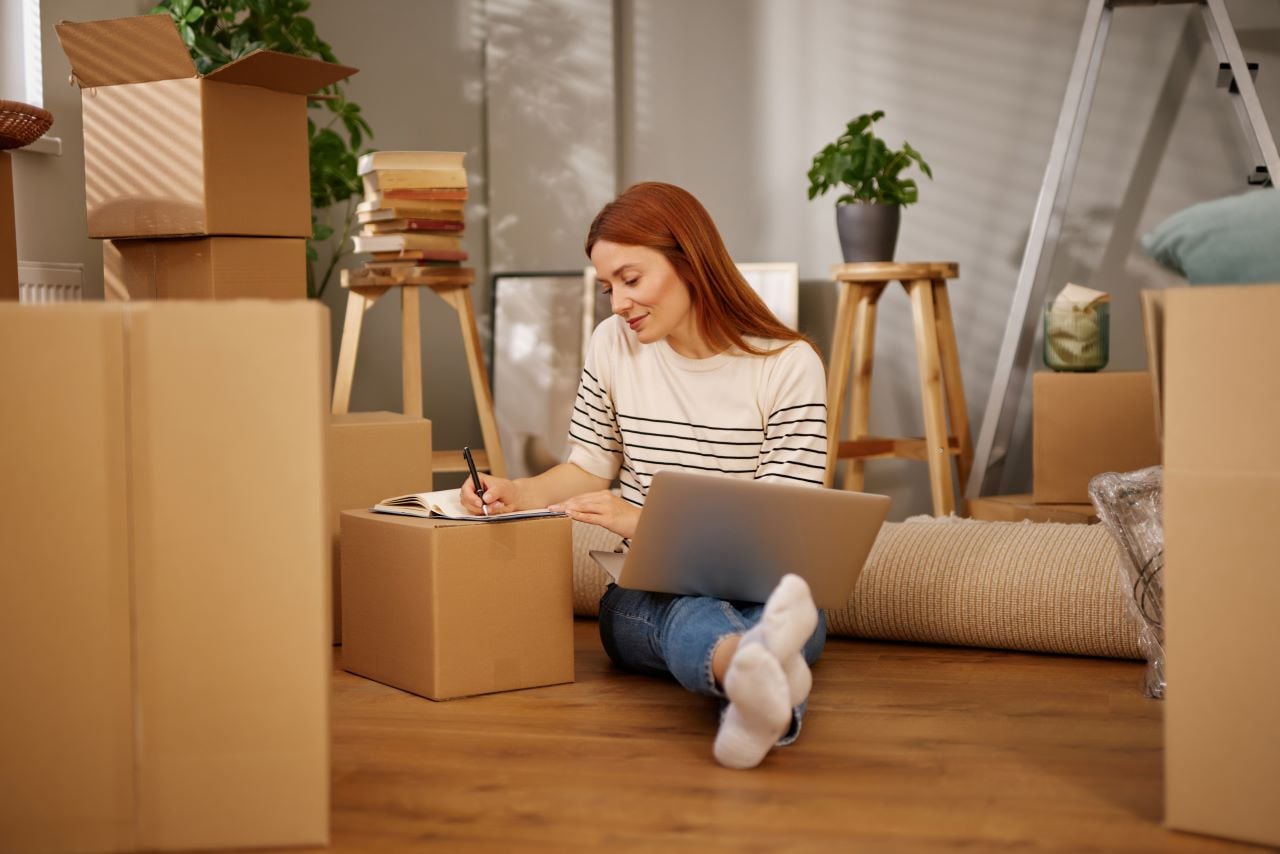
Moving From a House to an Apartment: What to Expect, How to Downsize & How Self Storage Helps
For some, moving from a house to an apartment is a financial decision. For others, it’s about simplifying life. Maybe the kids have moved out and half the house sits empty, or you’re approaching retirement and no longer want to spend weekends on repairs. Or perhaps you’ve been weighing the cost of buying a home and wondering whether renting simply makes more sense right now.
Family Heirlooms Overload: How to Handle Family Inheritance Without Regret
Handling family heirlooms after a loss requires managing legal authority, emotional pressure and practical logistics at the same time, and the order you take them on matters more than most people expect.