

A well-organized fridge is sure to be a crowd-pleaser, but most people agree keeping it that way seems disheartening at best. You’re not sure where that chunk of Gruyère lies, right? You might have to push the broccoli and the carrots and, let’s face it, the package of Velveeta before you can reach your desired food item. The quest for fridge tidiness isn’t lost whether it’s a smart appliance or not if you follow a few simple rules that will make you want to open your fridge and easily see its contents.
Here are some ways to help you get your fridge back on track:
1. Empty and clean the fridge first
Start by taking everything out so you get a good idea of the contents of your fridge and also so you can give it a thorough cleaning. Hardened spills, stains and dirt can hide beneath that milk carton still sitting at the back of the fridge. If you think your food might go bad while it’s sitting outside the fridge, you can clean it in sections. Alternatively, you can place the contents of the food in a cooler while you clean the fridge. Make sure to also disinfect and sanitize all the surfaces of your fridge, including the door compartments and the shelves. You can take the drawers out and clean them with warm water and dish soap.
2. Organize your fridge by category
It will be a lot easier for you to find your favorite foods if you map out your fridge and use dedicated areas for a specific food. It might be something as simple as putting vegetables in the crisp drawer and placing packaged food on the upper shelf. Consider migrating some meats, vegetables or even fruits to the freezer section if you have enough space to store more.

3. Adjust your shelves
The drawers and shelves in many appliances are adjustable, so why not create the best setup for you? Think about the produce and products you buy and have that reference in mind when you adjust your shelves. After all, you probably have favorite brands—that come in the same packaging—you will easily find their spot inside your fridge once you determine which is the best way to place them.
4. Use a fridge liner
A water-resistant shelf liner is a must-have for your fridge in your battle with the occasional spill. They help make cleanup a breeze, whether it’s a spill, that dreaded sticky drip or simply fruits or vegetables that have gone bad.
5. Pick durable containers
Good containers and sturdy bags will increase the shelf life of, well, your fridge. Use mason jars for all kinds of foods, even if they’re not traditionally stored in this type of container. Cooked foods are best stored in glass containers with lids that snap—they’re great for keeping the contents fresh and they come with plenty of surface area. For fruits and vegetables, consider looking into reusable bags, as they’ll keep them fresher longer than if you simply place them in the fridge with no cover.

6. Label or make a list to keep track of food
You might not have to label everything that goes into the fridge, but it might be helpful to do so for takeout and cooked foods. Think of this tip as optional if you decide you implement a list on the outside of the fridge that keeps track of everything that goes in. Whether you label or you decide to stick to a list, it will be so much easier to determine which leftovers are still edible when you have a way of tracking what should be eaten next. Make sure to place favorites such as snacks in the front—the entire family will appreciate it.
7. Be strategic about how you arrange food
You might be tempted to leave the way you arrange food in the fridge to chance, but don’t go that route. It’s more practical if you group foods that go together. Keep peanut butter and jelly, eggs and milk, and cheese and deli meats and all the fixings together. It’s more convenient to make a sandwich if you have the ingredients you need in the same section. You save time and potential spills when you follow this strategy. In addition, you might also want to put the oldest foods in the front to prevent them from spoiling or being forgotten about at the back of the fridge.
8. Fridge setup? Take a cue from the professionals
Looking up to restaurant kitchens might give you an idea on how to best place your food items inside the fridge, as they are masters of keeping food safety in mind and thus, reducing food waste. Their guiding principle is the temperature at which foods need to be cooked. Items that require no cooking are placed at the top, while ingredients that require high-temperature cooking take the lower side of the fridge.

Let’s take a look at the inside of a well-organized fridge by tiers:
- Top shelves
This section of the fridge will take on ready-to-eat foods such as yogurt, cheese and deli meats and even baked goods. Store leftovers here, too, or on the middle shelf if your fridge comes with one. Canned seltzers and other beverages that come in a smaller package can also live here.
- Lower shelves
Let this area be a home to raw ingredients such as uncooked meat and fish. Even more, you could keep the meat in a separate drawer if you have the room in order to avoid cross-contamination. You could improvise a meat bin right above the veggie or fruit drawer if you’re worried about cross-contamination. Useful tip: You could remove the original packaging and wrap meat in foil to extend its shelf life, but make sure to use it as soon as possible.
- Drawers
As recent fridge models come with separate bottom drawers, it has been become easier to separate the veggies from the fruits. Each category requires its own humidity settings, which is why keeping them separate is the best way to keep them fresh longer. Place paper towels on the bottom of the drawers before putting the fruits and veggies in their respective drawers to keep cleaner and to help absorb the moisture. While most veggies do well when taken out of their original packaging — except if they come in a perforated plastic bag—, some actually don’t. For instance, mushrooms maintain their freshness longer if they in their original wrapping. As for fruits, there are some groups that shouldn’t be mixed as they speed up the ripening process in others through their ethylene-producing properties. You can keep vulnerable fruits such as mangoes, pears, kiwis, apples and stone fruits out on the counter in a bowl.
- Fridge Door
Make sure to keep small condiments in this area with heads down. This way, you can easily use them next time and you also reduce waste. It’s a win-win! Avoid keeping egg cartons and milk on the door, as they require colder temperatures to last longer. They are better suited on the inside of the fridge, namely in the lower shelf or above the fruits and veggies drawers.

9. Keep a fresh fridge
Use a deodorizer in the fridge to keep the unpleasant smells at bay. Baking soda is the easiest and the most environmentally friendly solution to do that. You either buy the fridge packs that attach to the side of the fridge wall or you can place an open box of baking soda in the back of the fridge for the same purpose.
While cleaning your fridge and revamping your container strategy, you might want to do a light kitchen decluttering and decide which items are essential for everyday or seasonal use. If you’ve moved and your new kitchen is smaller, you might consider putting some kitchen utensils, pots and pans and appliances into self storage and retrieve them at a later time when you might need them again. A 5×5 unit is a proper size that can help you store these types of items.
Organizing your fridge might take you some time, but it is well worth it to know where everything is. Let us know which idea you found the most useful in the comments section below.



Moving From a House to an Apartment: What to Expect, How to Downsize & How Self Storage Helps
For some, moving from a house to an apartment is a financial decision. For others, it’s about simplifying life. Maybe the kids have moved out and half the house sits empty, or you’re approaching retirement and no longer want to spend weekends on repairs. Or perhaps you’ve been weighing the cost of buying a home and wondering whether renting simply makes more sense right now.

Family Heirlooms Overload: How to Handle Family Inheritance Without Regret
Handling family heirlooms after a loss requires managing legal authority, emotional pressure and practical logistics at the same time, and the order you take them on matters more than most people expect.
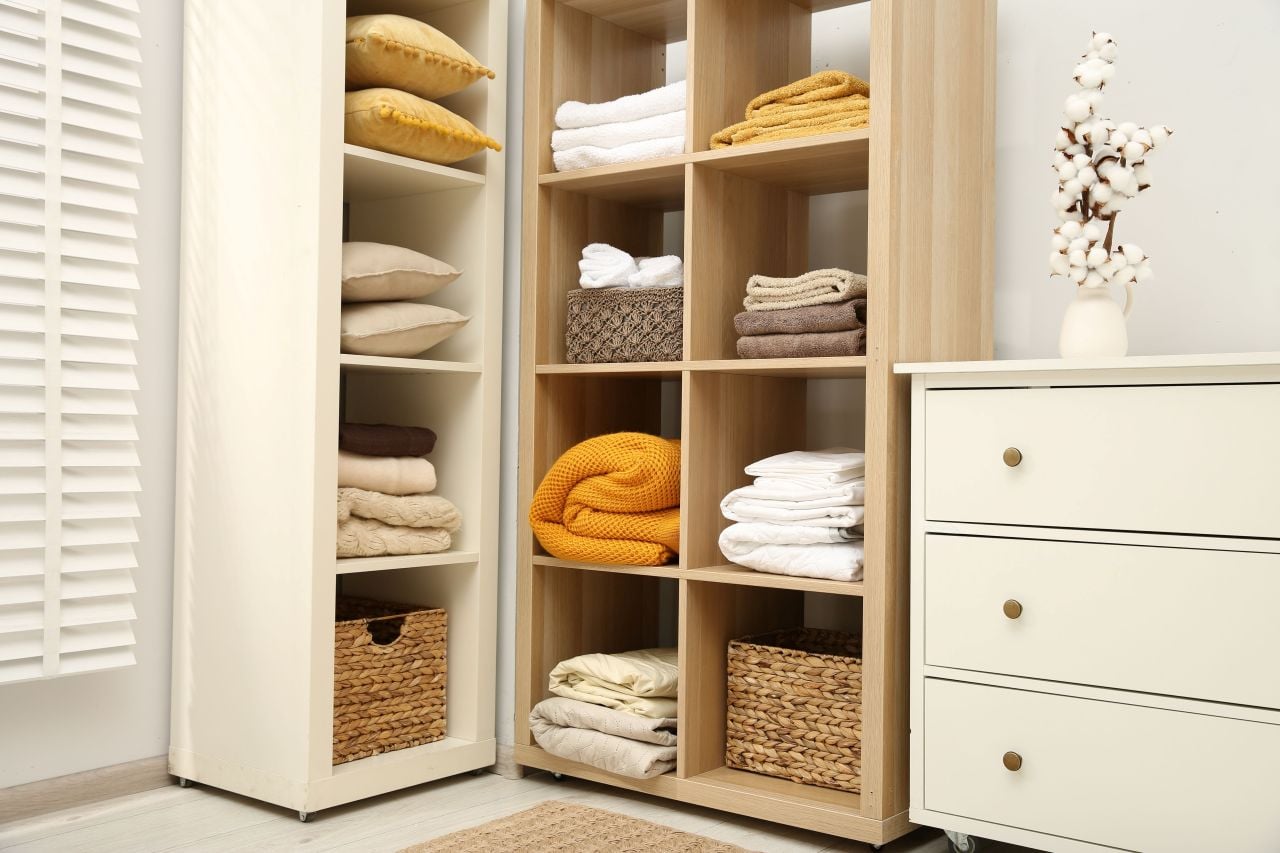
Blanket Storage: The Right Method for Every Space and Season
Blankets make our lives cozier, and storing them well is what keeps them soft and comfortable in the long run. Knowing how to store a blanket properly means your favorites come out of storage smelling fresh, feeling the same as when they went in, and lasting years longer than they otherwise would.

Board Game Storage Ideas That Keep Your Collection in Fighting Shape
Nobody warns you that getting into board games usually unlocks a second hobby, the much dreaded one that includes figuring out where on earth to put them. One game becomes a few, expansions start spawning beside their base boxes and before long, board game storage requires as much strategy as whatever is waiting on the other side of those lids.

Storage Locker vs. Storage Unit: What’s the Difference?
A locker and a unit may sound like two names for the same four walls and a lock, and depending on the storage facility, you may even see the terms used that way. However, once you start comparing available spaces, storage lockers tend to occupy the smaller end of the spectrum, while storage units(opens in new tab) give you considerably more room to work with.

Storage Ideas for Small Spaces: 9 Ways to Max Out Your Home
A messy home contains the seeds of its organization. Those seeds are everywhere: the space above doors, under beds, behind sofas and inside furniture can all become storage. Here are the best storage ideas for small spaces, so you can make the most of your cozy home.

Best U.S. Cities to Live Uncluttered: Plano, TX, Offers the Most Room to Breathe
Clutter is in our homes as much as in our heads. Both are shaped by where we live.
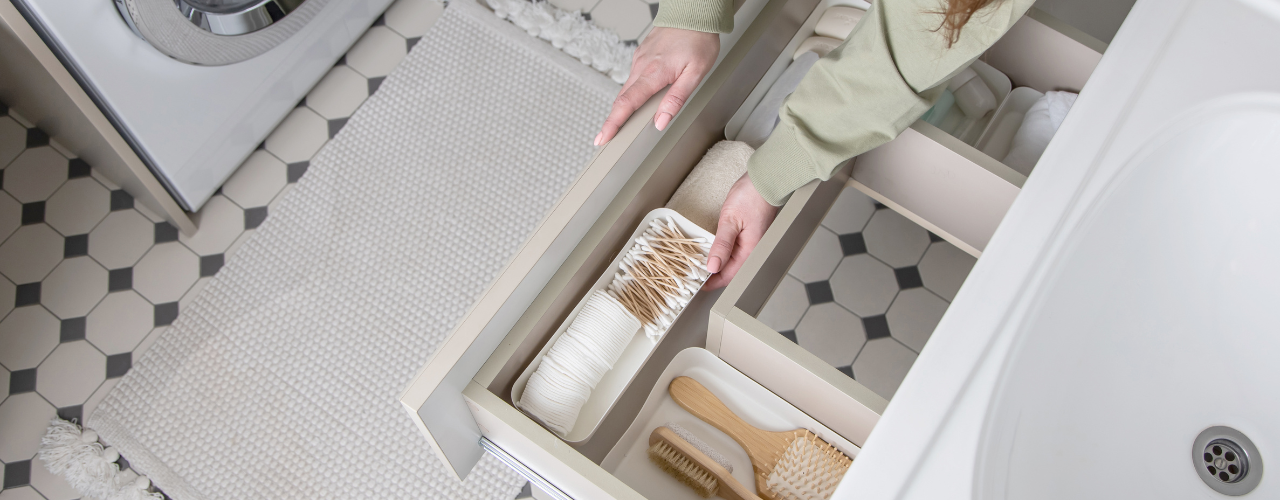
How to Organize Your Bathroom: 8 Ways to Stay Tidy
You already know why an organized bathroom is worth the effort, but let us remind you: it makes rushed mornings easier, keeps counters cleaner and just helps get you in the mood to go through your skincare routine like you should. Plus, in bigger households, it helps everyone find what they need. And you know how much a tidy bathroom counts for your self-esteem when a guest or a partner shows up. Luckily, you don’t need a degree to know how to organize your bathroom. The secret is keeping less, giving every item a home and making that home simple to use. Let’s go through some practical steps can help you create a bathroom that stays functional and nice to look at.
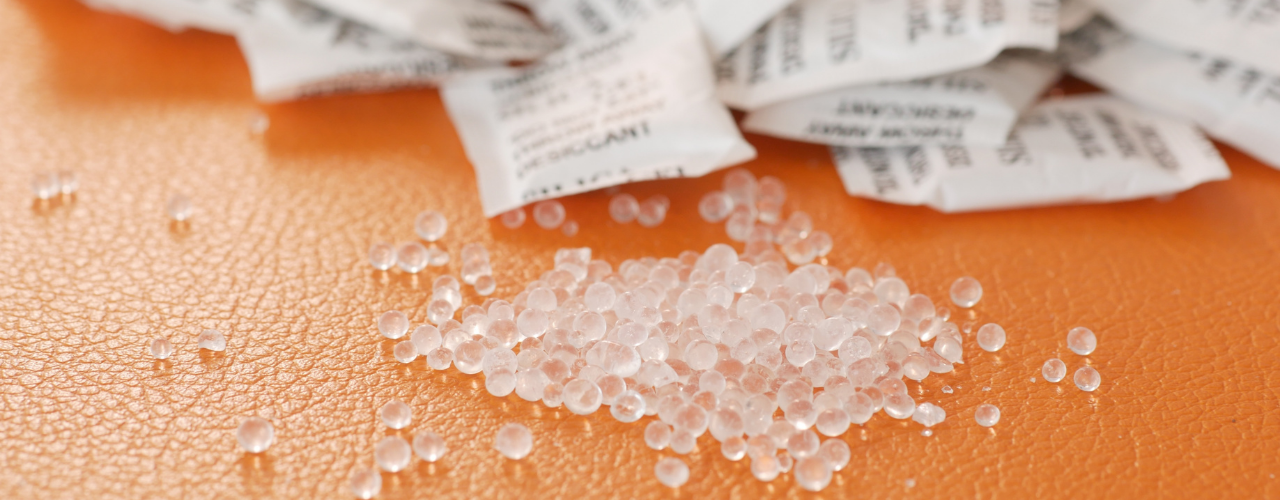
How to Use Silica Gel Packets for Storage
Moisture can cause significant damage to items in storage, leading to rust on tools, mold on clothing and warping in documents. Silica gel uses science to fix that. Often found in small packets inside product packaging, silica gel is a desiccant that absorbs moisture from the air, keeping your stored items dry and protected. This guide explains what silica gel is, how it works and how you can use it to preserve your belongings in self storage.