

Self storage has been an essential service during the COVID-19 pandemic, with storage facilities staying open while other amenities closed. The industry successfully adapted and implemented new, efficient procedures. And as pandemic restrictions ease, it may well emerge with its reputation reinforced and its customer base expanded.
The self storage industry helped many people during the pandemic, whether they were downsizing or coping with larger households. The overall result was a more diverse range of clients coming through its doors, bolstered by the many commercial operations that switched to using its services. The industry’s adaptability was demonstrated by its swift implementation of contact-less operations, which may well prove to be efficient long term. And the rents operators can charge look very healthy right now, as is the ongoing development of more self storage facilities.
Professionals with operational experience know their self storage

 We asked two professionals with plenty of operational experience about the self storage trends they have witnessed and the direction they think the industry is taking. Jim Mooney, Jr. currently serves as Vice President of Operations at Freedom Storage Management, based in the Mid-Atlantic region, and contributes frequently to industry publications. Marketing expert Susan Hovey is a director at Strat Property Management, who operate Lockaway Storage facilities in Texas and StaxUP Storage facilities in California, and she gathered opinions from a range of her colleagues for us.
Self storage an essential service during the pandemic
When people had to downsize accommodation during the pandemic, where did they put their stuff before fully moving in? Self storage played a big role, and Jim Mooney emphasizes the increased appreciation of storage units for this purpose. Then there was the need for anyone now living in a larger household to store things there long-term — the pandemic hugely boosted the working from home trend — freeing up more living space at home.
And what did students from out of state do after being sent home from their dorms? A nearby storage facility would have saved the day. And many businesspeople found they could keep their stock in storage units, perhaps switching their operations to mail order. The essential nature of the service during the pandemic may have affected how renters sought out and used self storage, with Jim Mooney reporting many clients renting for longer, which can only be good.
How has the pandemic changed the self storage customer base?
Many holidaymakers have wanted to take off with people they know and trust in recent times, so it’s hardly a surprise that sales of motorhomes have surged. Jim Mooney reports that there was a definite increase in demand for RV parking spaces at facilities that allow it. And some storage operators witnessed in particular that demand for storage shifted to the suburbs during the pandemic, as home-workers there converted their bedrooms into office space.
The variety of commercial renters of self storage also increased. “We had medical equipment companies and regular businesses that were able to operate in a different fashion since they no longer had the store front option during closures,” says Susan Hovey. In addition to a storage unit’s role as a convenient depot, some businesses have even found they can operate out of one, perhaps using it as a showroom or a temporary office.
The self storage sector is resilient and emerges well from downturns
The self storage industry’s flexibility, with its leasing and pricing policies, helps mitigate economic risks. Also, compared to retail and residential housing, the ‘people factor’ is less to the fore, reducing complications: Fewer staff are employed, many clients only visit their units rarely, and procedures often do not require face-to-face interaction — social distancing was less of a problem. Self storage operators’ understanding attitude toward late payments has also been appreciated.
This all confirms the self storage sector’s reputation for riding out challenging times better than others, which it did, for instance, following the downturn that began in 2007. The industry took a hit early in 2020, but began to normalize just a few months later. Discounts were offered to maintain self storage occupancy rates, but by the end of 2020, street rates for the most popular unit sizes were showing year-over-year increases, the national average being $118, per Yardi Matrix data.
What will self storage look like going forward?
“The pandemic permanently changed the landscape of many businesses, including storage,” says Susan Hovey. She predicts a move towards virtual payment procedures at remote sites, with more keyless gates and doors in evidence. Both our professionals agree that the challenges sped-up implementation of some useful procedures. While some clients — perhaps mostly the older generations — might like a return to in-person service, our experts agree that a lot of people appear to be happy with the new contactless procedures.
“As the need arose for many people for storage during this time, their appreciation rose as well,” Susan Hovey reports. “I believe in the future more people will see storage and our offices as a viable plan for their businesses since we stayed open.” This increased appreciation is borne out by the healthy rents operators can now charge, the current nationwide average street rate for a non-climate-controlled 10’x10’ unit being 10% more than it was a year ago, at $125, per Yardi Matrix data.
Will the self storage sector continue to expand?
Construction of storage space has generally remained a healthy real estate sector for investors and developers. Although Susan Hovey warns about oversaturation, she reckons that a new high-tech touchless facility would still probably generate good revenue. The nature of the local market will of course always be an important factor. “I think there will be more conversion projects rather than brand new buildings,” Susan Hovey adds.
In terms of completed self storage space, a total of slightly more than 11M square feet was constructed in Q2 2021. This represents a small -7.35% decrease from the amount constructed in the same quarter of the previous year. In addition, however, 38M square feet of storage is forecast to be under construction during the second part of this year, although some of this will not be finished before 2022.
 Overall, the self storage industry appears to be emerging from the pandemic in good shape, although there will undoubtedly be strong competition in some places. The move to increasingly doing business online has generally boosted commercial usage of self storage, and private individuals who maybe never rented a unit before have now seen the benefits, diversifying the sector’s customer base.
Self storage has been looking like a reliable investment option for a while, not to mention a sector which may generally be less stressful than others for managers. Susan Hovey clearly thinks the pandemic has done little to dent the self storage industry. “I believe there has never been a better time to own a storage business, as it’s proved to be a stable pillar of our local communities.” The self storage industry has gained good standing, and its intrinsic assets should help it remain strong going forward.



How to Pack Glassware Without Breaking a Sweat (or a Glass)
Crystal decanters and stemware passed down through generations carry reminders of evenings spent at your grandparents’ house, while Thanksgiving dinners live on in the wine glasses raised around a crowded family table. You eventually have to pack away these pieces of family history, whether you’re moving somewhere new or sprucing up your home with a little redecorating. Knowing how to pack glassware extends the life of your pieces beyond those cherished moments and keeps every item intact from the first box to the last.

Best Storage Facilities in NYC, Based on Customer Reviews
Most storage listings in New York City look the same. Reviews are where you find out what you’re getting into: whether the staff will help you, whether the building stays clean and whether your rent stays put once you’ve moved in. So we went through renters’ reviews and picked the three best storage facilities in each NYC borough. Each one gets a score out of 100, and each brand shows up only once per borough. If you’re curious how we scored them, that’s at the end.

Packing Services: Costs, Pros, Cons & Alternatives
Professional packers save time and reduce breakage, but they add a real cost to your move. Whether they’re worth it depends on how much you own, how much protection it needs and how much time you have. This guide covers what packing services cost, when they pay off, when they don’t and the cheaper alternatives worth considering.
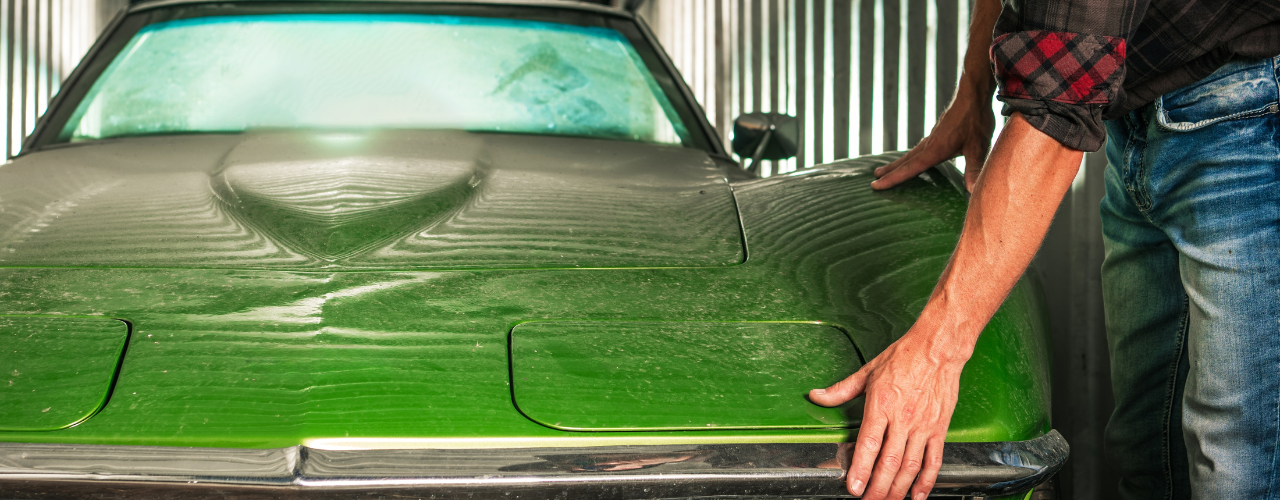
Classic Car Storage: A Guide to Protecting Your Collector Car
Any classic car you see is still there and looking great because people throughout the years knew how to store it well. Those smart decisions kept it from being damaged by moisture, frost and other issues that lead other cars to the auto-graveyard. Now, it’s up to you to carry on the legacy by choosing the right kind of classic car storage(opens in new tab). This guide compares indoor and outdoor options, explains why climate control storage(opens in new tab) is important and shows you how to prepare your car before you store it.(opens in new tab)
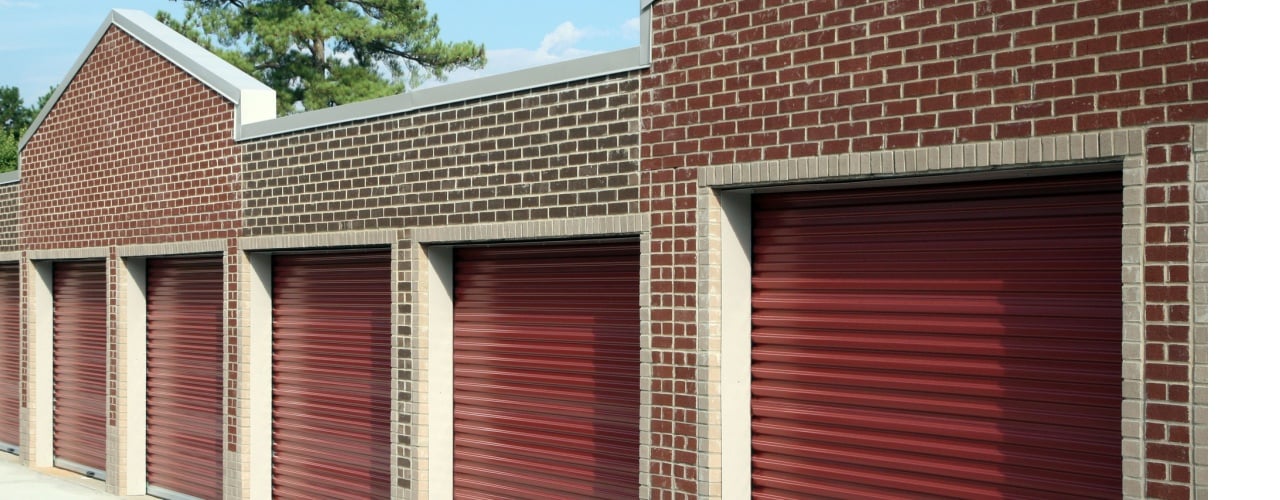
Second Acts With Roll-Up Doors: The Most Unexpected Self Storage Conversions In The U.S.
You probably don’t expect to stash your holiday decorations in a former armory. Or tuck away old photo albums where moviegoers once lined up for popcorn. But across the country, some of the most unexpected buildings are getting a second act — as self storage facilities.

Storage Unit Insurance: Your Coverage Options Compared
Your homeowners or renters policy may already cover your stored belongings, but likely not for their full value or against every risk. This guide explains where coverage comes from, what each option leaves out and how to decide whether you need more from your storage unit insurance.

I’m Gen Z: What’s in My Storage Unit?
Trading Facebook posts for TikTok dances and Beanie Babies for Labubus, Gen Z has given growing up online a whole new meaning. Defined by everything concerning reusing, recycling and cycling through trends that previous generations would rather forget (looking at you, Millennials and capri jeans), it’s no wonder this is also a generation that can spot an authentic vintage find from a fast-fashion knockoff in under three seconds. And when your wardrobe can go from Depop find to next season’s comeback without warning, a little extra space starts making sense.
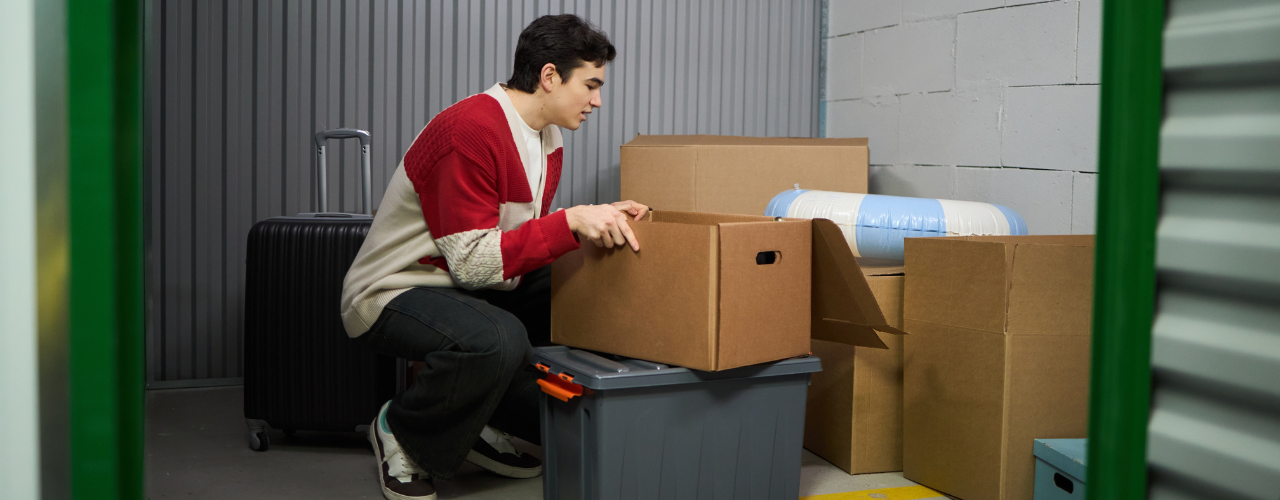
I’m a Millennial: What’s in My Storage Unit?
So, you’re a Millennial. You probably know all the lyrics to Phoebe Buffay’s Smelly Cat. Hannah Montana’s The Best of Both Worlds has become more like a life philosophy rather than a fun tune. And if you rent a self storage unit, you’re in good company. You’ve officially joined the 31% of Millennials who rent storage space, most often because there simply isn’t enough room at home, according to StorageCafe’s 2026 Self Storage Demand and Trends survey(opens in new tab).

Attic Storage Done Right: What’s Worth Keeping Up Top?
The attic is one of those places where holiday decorations end up next to a forgotten suitcase, a broken lamp and boxes nobody’s opened since moving day. Out of sight, out of mind works well enough until you need something from the back or realize you’ve been adding weight to a floor you know little about.