

Whether you’re moving due to a job opportunity or a family decision, relocating can be tough. If you’re worried about housing options and prices, the cost of living or the availability of storage facilities, we’ve got you covered. You will start feeling at home in no time, so you can enjoy everything the Twin Cities have to offer. Here are the first things you need to know before making the move to Minneapolis.
The Minneapolis-St. Paul metro area is the 16th largest in the States and the cost of living here is around the national average, roughly $2,000 including rent. The area has a great transportation system, diverse neighborhoods and various employment opportunities. At the same time, it is well-regarded as a medical and tech research center. All in all, Minneapolis, MN, is a great place to live. However, the cold temperatures may be a deal-breaker for some people. Housing costs are generally considered to be somewhat lower than the national average, but the heating costs of Minnesota’s harsh winters are among the highest in the country.
Preparing the move to Minneapolis
Planning and organizing are the first steps towards relocating. Starting off on the right foot is important and can make your moving experience less stressful. So, if you are not sure where to start or if you feel overwhelmed, here are some boxes to check before hitting the road:
- Deciding on your moving day and establishing a timeline and/or deadline for your relocation
- Cancelling your subscriptions and services
- Hiring professional movers — Companies are usually busiest during the summer, on weekends and at the beginning and end of every month. Prices could be significantly lower if you choose the right time for moving.
- Packing and organizing your belongings (pack it all up and we’ll talk storage in just a bit)

How to find the best rental housing option in Minneapolis
Thinking about your needs is a crucial part of the process. Will you be working within the city limits or in a suburb? Do you need good schools close by? Would you prefer a sleek industrial apartment downtown or a quiet place in a newly built suburban community? Needless to say, your budget can play a decisive role here. Generally, you can rent an apartment in Minneapolis for $1,599 on average, according to data from RENTCafé. Depending on your budget, there are many great neighborhoods in the city. We’ve compiled a list of the best ones, some that cost less than the average and others that are considered more prestigious.
The best neighborhoods in Minneapolis for a tight budget
There are several neighborhoods in Minneapolis which provide affordable housing options for less than a thousand dollars a month. You could start out by looking up places in McKinley or Cleveland (2 neighborhoods to the north), where the average rent is $889/month. It’s only a 15/20-minute drive to downtown Minneapolis, the employment hub of the city, where you will find large companies such as Target, Wells Fargo, Ameriprise, Hennepin Healthcare, U.S. Bank and Xcel Energy. There is a selection of around a dozen different schools in these two neighborhoods, as well as plenty of recreational options for families, including Folwell Park, Lakeview Terrace Park and Crystal Lake. For shopping and other options, you can find grocery stores, restaurants, cafés and gyms around and about.
If you are willing to add another 10 minutes to your commute every day, make sure to look up housing options in Victory. The average rent here is the same, but the range of schools is wider and the neighborhood has a reputation for safety. You can also look up homes in Kenny and Loring Park, as rentals here are still below the city average — $1,084 and $1,333 respectively. Kenny provides you with a quiet and safe place 20 minutes away from downtown Minneapolis and is a great spot for young families who can enjoy taking a stroll around Grass Lake Park. If you rent a place in Loring Park, you will be only 5 minutes away from downtown Minneapolis. Moreover, apartments in this area include amenities such as access to community pools and fitness centers, along with in-unit features such as washers and driers, sundecks, hardwood floors, etc.
The most sought-after neighborhoods in Minneapolis come with a higher price tag
The North Loop, the newest hotspot for young professionals, provides apartments with rents hovering around $1,777. Living here can help you save valuable time on your daily downtown commute, while offering a vast array of neighborhood facilities. The North Loop is known as a major arts, sports, entertainment and dining hub and represents a remarkable example of successful urban regeneration. Additionally, it is generally considered to be a safe area. The Marcy-Holmes neighborhood and its commercial district, Dinkytown, also have a lot to offer in terms of good schools, safety and nearby services, if you’re willing to go up to $1,902 a month. The area is popular among students of the University of Minnesota and there is a wide variety of restaurants and bars.
Other family-friendly, safe and quiet areas include the adjoining neighborhoods of Bryn-Mawr and Cedar-Isles-Dean, located to the west of downtown Minneapolis. While the former is known by locals as the neighborhood within a park, the entire area offers a small-town vibe, being surrounded by numerous lakes, parks and trails, while being only 15 minutes away from downtown. Cedar-Isles-Dean is also generally considered one of the best places to live in Minneapolis, but rent prices in these neighborhoods can set you back $1,750 a month on average.

The cost of living in Minneapolis
Depending on where you’re relocating from, Minnesota’s cost of living could come as a welcome surprise. People moving here from New York, San Francisco, Washington, L.A., Boston, Chicago, Miami and the like will certainly find life in the Twin Cities significantly cheaper. Indeed, most rankings leave Minneapolis out of the top 20 when it comes to U.S. cities with the highest cost of living.
Let’s take a look at the numbers. The national average cost of living stands at $1,951 (including rent), while that of Minneapolis goes slightly over it, at $2,099. Differences are mostly insignificant with regard to rent prices, utilities and transport costs, but Minneapolis residents do pay, on average, an additional $94 on food every month compared to the average American. However, the average monthly salary after tax is also $300 higher in Minneapolis when compared to the national average. The most expensive areas include Downtown East, Calhoun Isles, Nicollet Island and the suburbs surrounding Lake Minnetonka, to the west, including Greenwood and Minnetonka Beach.
Self storage can make your relocation to Minneapolis easier
Moving is always a stressful undertaking, but you do not have to decide on the spot what stays and what goes. Self-storage can make moving considerably easier. Minneapolis offers a wide range of storage options, depending on what you need to put away temporarily, while you’re settling into your new home.
Storage is even more important than in other areas, since the cold winters require extra gear and items that you will not need in other seasons of the year, like snow tires and bulky winter clothing for instance. Irrespective of the season, self storage can come in handy for storing all household stuff, including furniture, outdoor gear and tools. To get an idea about how large a storage unit you would need for your belongings, you can consult this storage size guide.
Self storage is cheaper than residential space, and even if you’re living in a smaller place when new to the city, your belongings can still be kept somewhere safely. When relocating, storing away personal belongings and equipment can take a load off your mind.
Just like any other type of real estate property, prices for self storage can vary depending on location. The average price for a 5×5 unit in Minneapolis is $48, while a 10×10 space will set you back an average of $123. Bigger spaces are also available and can cost anywhere between $100 and $300 per month. In addition to location, prices tend to depend on features and amenities such as climate control, type of access, security and others. You can easily browse StorageCafe to find the best option for you.
Finally, enjoy the hustle and bustle of the city life and make the most of the land of 10,000 lakes by discovering the great outdoors. The Twin Cities always welcome newcomers and the “Minnesota nice” spirit will make you feel at home in no time!


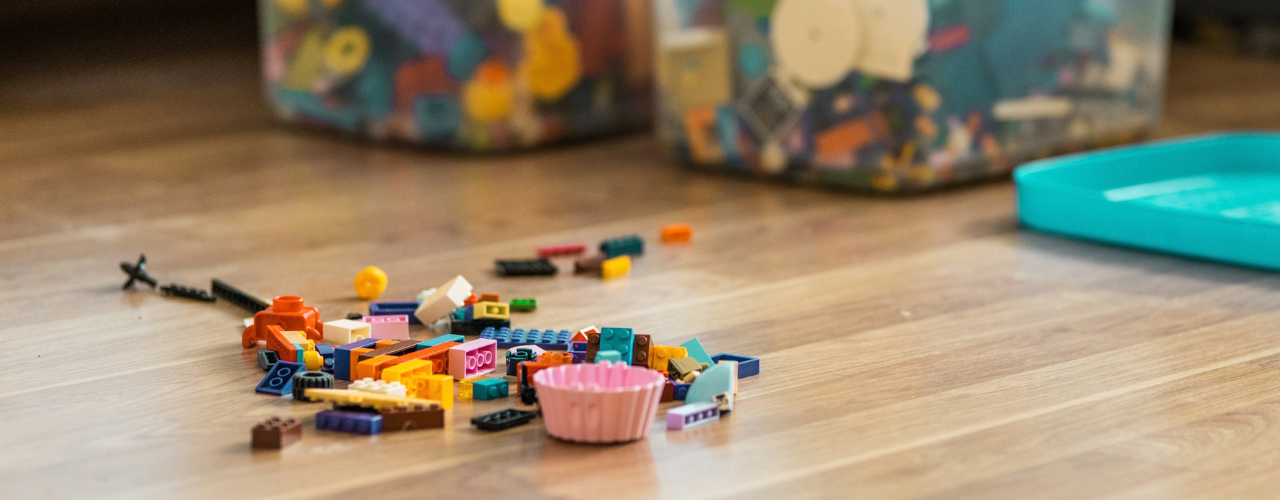
How to Store LEGOs: All the Fun, None of the Clutter
How to store LEGOs largely comes down to how your household uses them. If the bricks are part of everyday play, you need a setup that keeps them within easy reach and makes cleanup quick (for your feet’s sake, at least). Toy storage(opens in new tab) such as simple bins, playmats or containers that children can put away themselves may be enough. Larger or more serious collections usually need more organization, such as labelled drawers for loose pieces, trays for unfinished builds, shelves for completed models and separate storage for retired sets.

Cardboard Costume Guide: Tips and Ideas for a DIY Halloween
Whether for kids or adults, cardboard costume ideas often make the biggest splash once materialized, and that’s for a simple reason: doing a lot with a little is a universally impressive feat (especially in this economy). If you don’t have enough boxes you could temporarily repurpose, don’t worry! There are many places where you can find free moving boxes(opens in new tab), from stores and supermarkets to online groups and recycling drop-off spots. On the run? Try your luck at a self storage(opens in new tab) facility that sells moving supplies, often for cheap. This way, you can choose moving boxes of different shapes and sizes(opens in new tab), so you can make your costumes as complex as you want.

How to Celebrate Halloween: 9 Non-Spooky Ways To Enjoy It
As soon as October starts, it’s the official Halloween month. And while for many people it means it’s open season to get the scare of a lifetime, others, especially families with small children, might prefer to celebrate in a tamer way that’s both kid- and adult-friendly. While you’re likely to find more events where the spook factor is high, here’s how to celebrate Halloween in a not-so-scary way:

Motorcycle Storage Guide: How to Store Your Bike Safely
Motorcycles may be born to be wild, but eventually even the wild ones need somewhere to park. Whether riding season is winding down or your current living situation comes with plenty of square footage for you and less for your bike, motorcycle storage is one of those parts of ownership that doesn’t get as much airtime as the open road.

Halloween Decorating on a Budget (And Cheap Ideas for Everything Elsee)
Halloween has crept a long way from its eerie origins. While All Hallows’ Eve has transformed through the centuries, it wasn’t until the 1930s that trick-or-treating became a tradition in the U.S. and businesses began conjuring up mass-produced Halloween costumes. Now, Halloween is a monster-sized, billion-dollar industry, with a cauldron full of costumes and decorations ranging from the mainstream to the macabre. But is it all really worth your wallet? Maybe, but we’ll let you in on a little secret: You can keep your Halloween decorating on a budget and save on everything else, too. Take this plan and see it through!
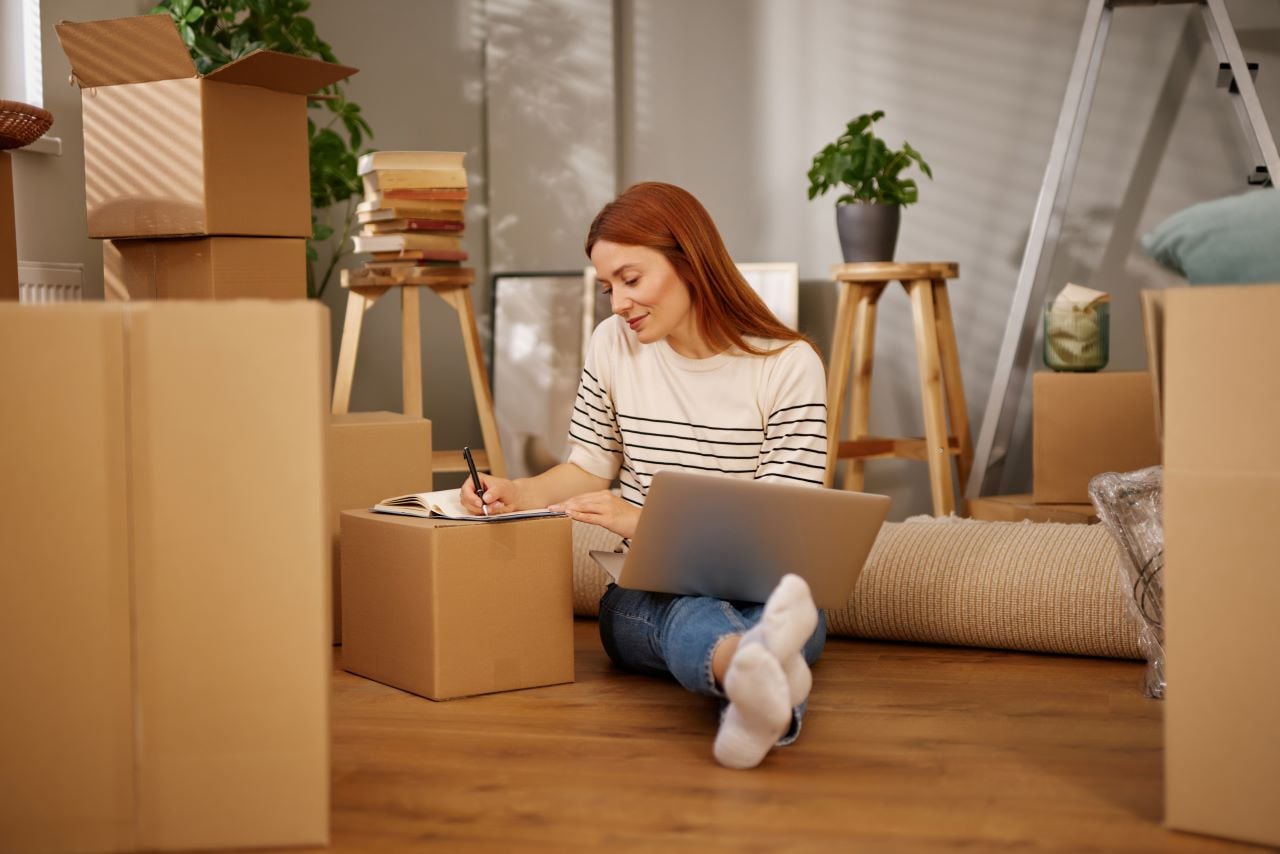
Moving From a House to an Apartment: What to Expect, How to Downsize & How Self Storage Helps
For some, moving from a house to an apartment is a financial decision. For others, it’s about simplifying life. Maybe the kids have moved out and half the house sits empty, or you’re approaching retirement and no longer want to spend weekends on repairs. Or perhaps you’ve been weighing the cost of buying a home and wondering whether renting simply makes more sense right now.
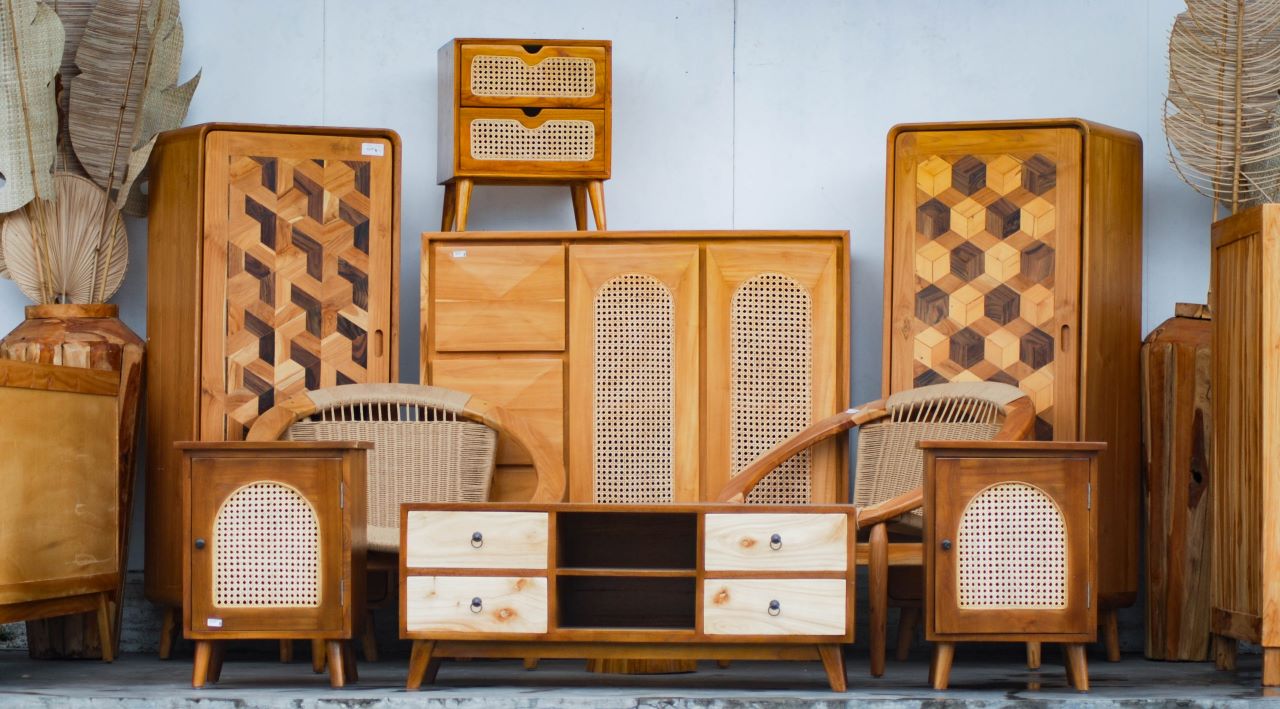
Family Heirlooms Overload: How to Handle Family Inheritance Without Regret
Handling family heirlooms after a loss requires managing legal authority, emotional pressure and practical logistics at the same time, and the order you take them on matters more than most people expect.
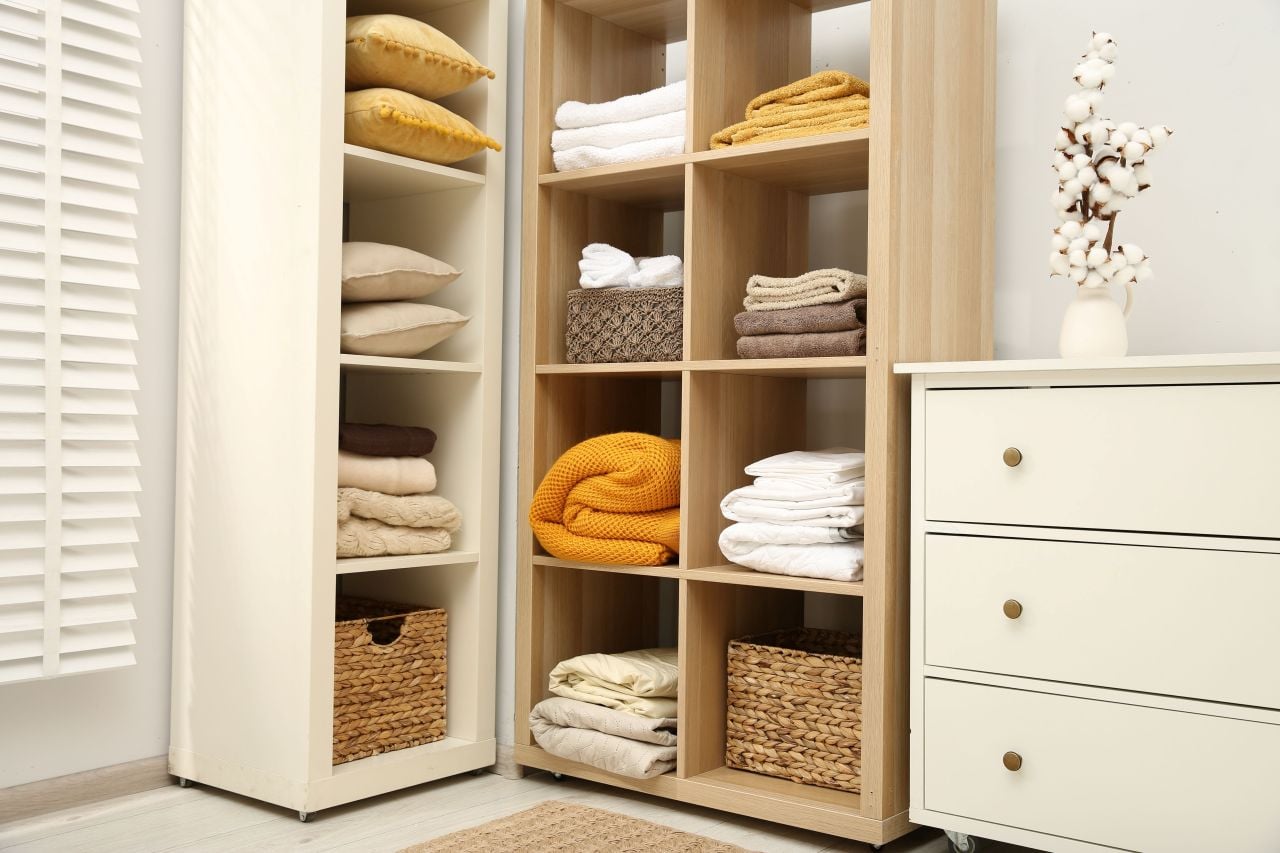
Blanket Storage: The Right Method for Every Space and Season
Blankets make our lives cozier, and storing them well is what keeps them soft and comfortable in the long run. Knowing how to store a blanket properly means your favorites come out of storage smelling fresh, feeling the same as when they went in, and lasting years longer than they otherwise would.

Board Game Storage Ideas That Keep Your Collection in Fighting Shape
Nobody warns you that getting into board games usually unlocks a second hobby, the much dreaded one that includes figuring out where on earth to put them. One game becomes a few, expansions start spawning beside their base boxes and before long, board game storage requires as much strategy as whatever is waiting on the other side of those lids.