

When you’re buying your first home, your relationship with a real estate agent can either be a smooth, easy-going experience for you or a complete nightmare. If you and your agent aren’t a match, it’ll take longer for you to find the perfect home, or your current home may never sell.
To make sure you’re working with the best agent for your needs, here are five questions every buyer or seller should ask prospective real estate agents before working with them.
After earning a real estate agent license, agents should be equipped with enough knowledge to answer your questions. Many complete their training through formal coursework or accredited real estate classes online, which offer flexible, comprehensive education on everything from contracts to market analysis. However their personality still matters. When vetting your agents, focus on how they respond as well as the answers they provide in order to find the agent you want to work with.
Which local self storage company do you recommend?
When you’re selling your home, agents will stress the importance of staging your house because it makes potential buyers feel more at home. Sellers will need a place to store unneeded furniture in the meantime, which is where self storage comes in.
Buyers may need a storage option, too, if they’re selling a home or don’t have space in their new house. They can put furniture, appliances and other things in there until room can be made for them. Regardless of why you need a self storage unit, for maximum convenience and peace of mind, you will probably want to make sure that it is accessible 24 hours and has a high level of security.
Do you work with both buyers and sellers?
Some real estate agents work with both buyers and sellers to expand their customer base, but these agents may not be the best option for you. Sometimes an experienced real estate agent can wear both hats and offer insight on either side of the process. Still, it’s better to work with a specialized agent because they’re more knowledgeable about your side of the process and likely have an established sales network.
How many homes have you sold in your career?
Most agents work part-time, especially when starting out, because they have another full-time job, or they might be partially retired. Full-time agents are more likely to devote more time to your needs. However, if they have a good track record, don’t count them out just yet.
If your agent of choice has had many years in the game and can sell homes quickly despite being part-time, you should consider choosing them over a full-time agent. Real estate agents close an average of 10 homes per year, so if they’re selling above that, nab them immediately.
Do you have references I can call?
While it’s good practice to research your agents online before you hire them, it’s better to speak to their past customers. If you hired an agent who is newly employed at their company, you could call their references. Even if your agent’s information is available on social media, it doesn’t tell you the full story.
Always verify your new agents with the same rigor any manager use would who is thinking about hiring them. If your agent can’t produce a list of satisfied clients, do what any other employer would do and move on. They may have something to hide, and it’s probably not worth looking into it.
How do you want to be compensated?
Real estate agents are typically paid a percentage of the commission the listing broker earns on the transaction. For example, if an agent sells a $200,000 home at a 6% commission rate, this equals a total commission of $12,000. Both the agent and the broker earn $6,000 each.
Although it’s tempting to hire an agent with a lower commission rate (or negotiate for one) to save money, they’ll likely to be inexperienced at selling homes. The average commission rate is 5.8%, so stick around that amount for a better experience.


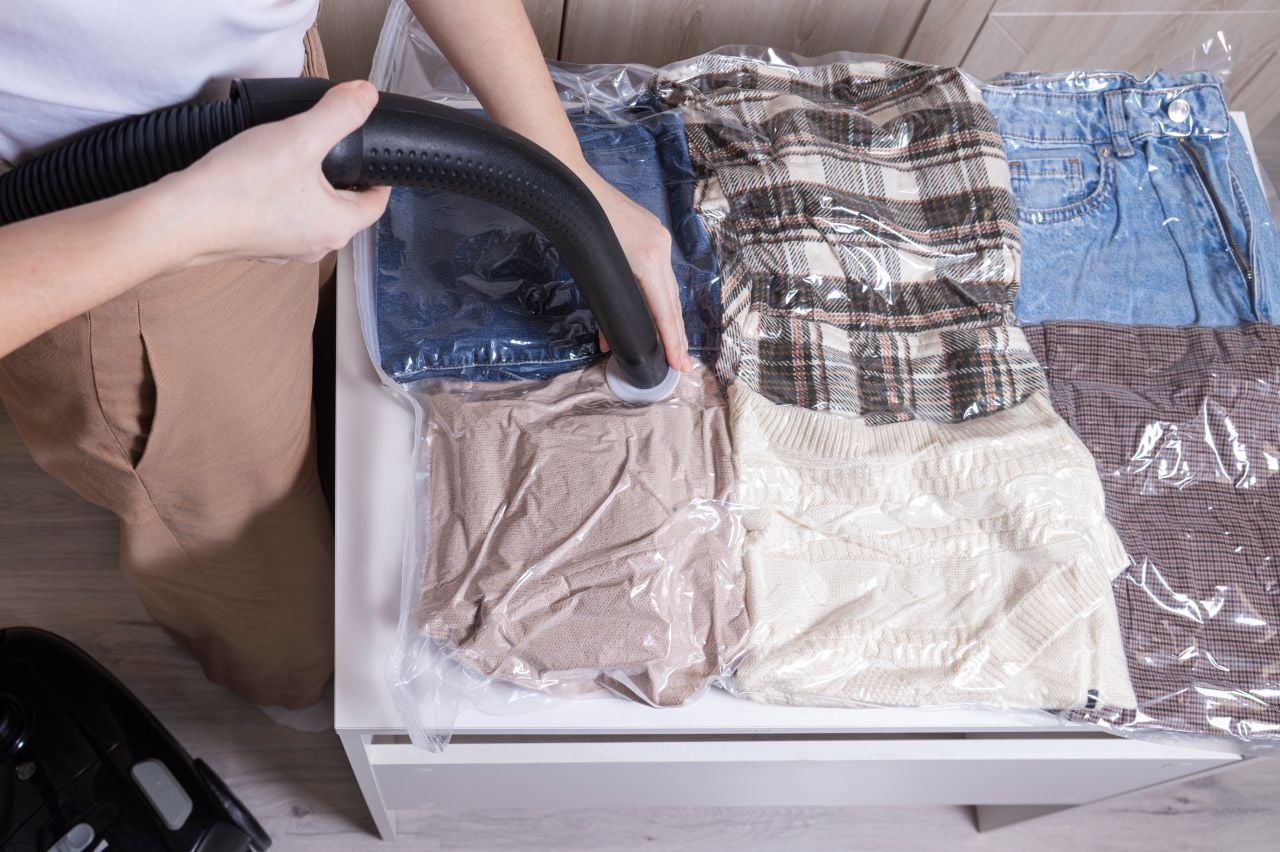
Should You Vacuum Seal Clothes? Everything You Actually Need to Know
Vacuum storage bags seem like the perfect solution when storage space is an issue: suck out the air, shrink that pile of winter sweaters into a fraction of the space and suddenly your closet is no longer overflowing. For the right types of clothes or other household linens, vacuum bags are actually quite handy and a great way to save closet space.

ATV Storage Guide: How To Store and Winterize Your ATV
The riding season is winding down, and that’s when most people start thinking about ATV storage. Keeping an ATV at home isn’t always easy. Garages fill up fast, sheds are rarely built for a four-wheeler and some apartment complexes and homeowners associations don’t allow one in the parking lot or driveway.
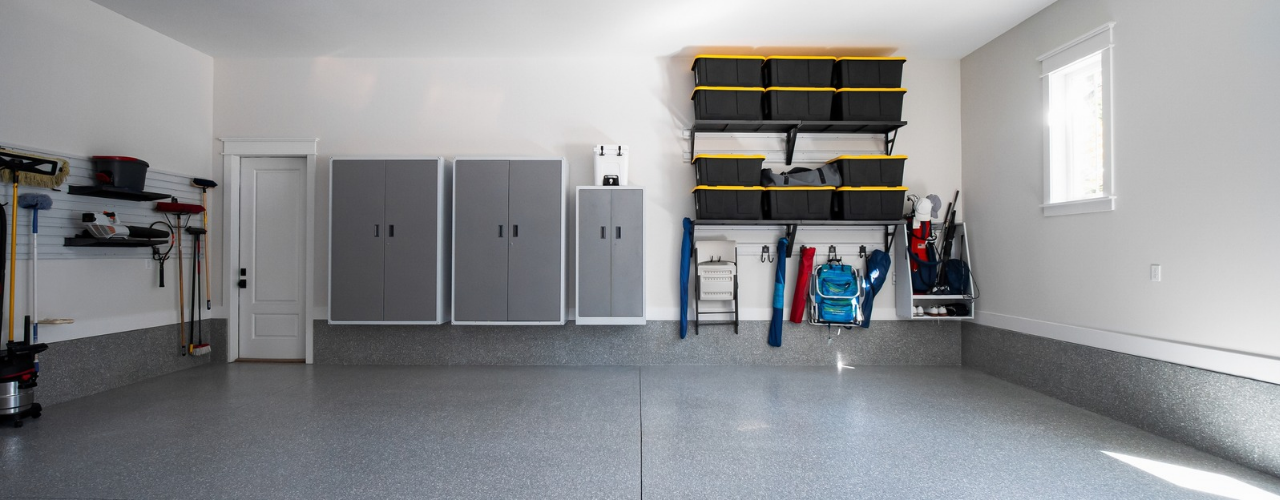
21 Garage Storage Ideas: Free Up Your Floor Space
Garage storage is more important than it sounds, because it helps you move things off the floor and onto walls, ceilings and rolling units. In time, this makes a big difference and saves you from awkwardly tiptoeing around stuff you’ve left on the ground. Use the garage storage ideas below and you’ll build a setup that fits what you own, how often you use it and how much space you have.
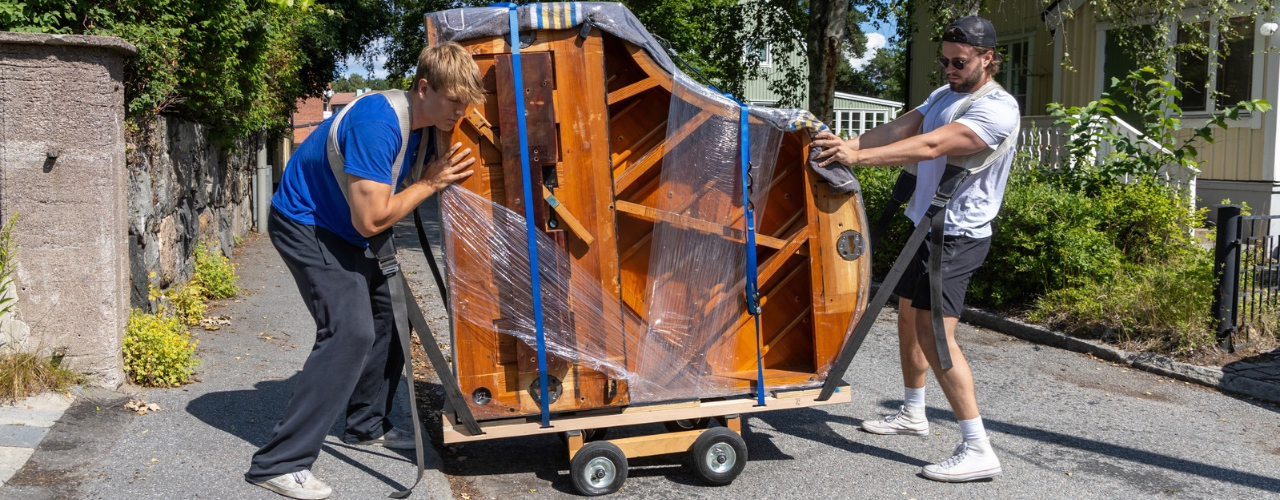
How to Move a Piano: Moving, Insurance & Storage Guide
Before we get into the nitty-gritty of the matter, let’s agree on the simple fact that, unlike other types of relocation conundrums, moving a piano is just a very cool thing to see, let alone accomplish. The labor that makes piano concerts possible and keeps legendary instruments alive, a piano relocation takes meticulous planning, special equipment and a crew that really knows their stuff. That is, unless you’re set on recreating the piano crash of a classic Looney Toons gag.
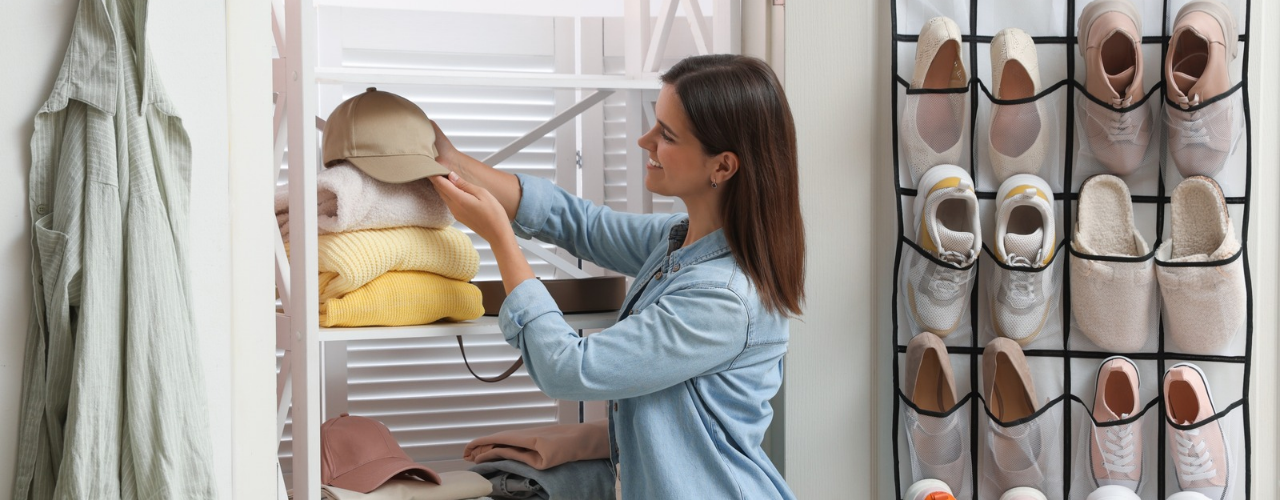
Hall Closet Organization: 30 Ideas for Simpler Storage
Be it built-in, freestanding, or wholly improvised, your hall closet works best when you can grab anything quickly and put it back just as fast. These 30 ideas for organizing your hall closet walk you through planning, deciding where things go, choosing the right containers and way more. By the end, you’ll even know what to do when your closet still runs out of room.

Holiday Decoration Storage: A Guide for Every Season
Taking down the holiday decorations is never as exciting as putting them up. One minute, your home is looking wonderfully festive, and the next, you’re trying to remember which box the Christmas ornaments came in while wrestling with a string of lights that managed to tie itself into a dozen knots. With every holiday bringing its own collection of decorations, a good holiday decoration storage system helps you keep a growing collection under control.

Where to Get Moving Boxes in Philadelphia
Philadelphia’s historic charm can put your patience to the test on moving day. Between cobblestone streets, narrow rowhouse entrances and the occasional pothole, you don’t want to worry about not having enough boxes on top of it all. Start gathering your moving boxes early and you’ll have one less box to check off on packing day. Luckily, you have plenty of places to get your boxes from.

Art Supply Storage from A to Easel
Paint tubes, brushes, sketchbooks, scraps of paper, beads, half-used rolls of tape and that one very specific pen you swear you just had in your hand. Building up an art supply collection is rarely a neat process, and each new material brings its own storage needs.

Scary Good DIY Halloween Decorations That Won’t Haunt Your Wallet
A few floating candles in the hallway, a family of ghosts by the front door and a suspicious number of bats climbing up the bedroom wall can make October feel a whole lot spookier. While Halloween stores are full of tempting finds, some of the best DIY Halloween decorations can come from things you already have tucked away in drawers, closets or the recycling bin.