

Kitchen remodeling is a project with big implications – both financial and in terms of how efficiently you’ll be able to use the space once the remodeling is done. A mid-range kitchen remodel can cost, on average, between $29,000 and $64,000, or between $100 and $250 per square foot. That’s a lot of money, so it’s important that you take your time to plan accordingly and to ensure that you are making the best design choices for your kitchen.
Functionality should be your main concern when it comes to kitchen design – there’s a lot of work going on in the kitchen on a daily basis, so it’s essential to have everything on hand and all your cooking gear well organized. However, aesthetics is also important. You should love how your kitchen looks – otherwise, you won’t feel like spending time in there and trying out new and delicious recipes.
If you’re currently planning for a kitchen remodel, check out these modern kitchen design trends that combine both functionality and an appealing look:
1. Foregoing the open space concept
The open space concept, with the living and kitchen areas flowing seamlessly into one another, dominated design trends for a good while now – it became popular in the 90s. However, this trend might have reached its peak, and the increased popularity of remote working probably had something to do with it.
Spending more time at home, with every member of the family doing their own thing, made people see how important it is to be able to find quiet spaces and privacy. The open space concept makes things harder when, for example, one person is cooking in the kitchen, and another needs to use the living room for a work meeting.

Other disadvantages of open space floorplans are higher cooling and heating costs – in the summer, when you cook, the heat permeates the entire home and your AC has to work harder to maintain a comfortable temperature. Similarly, during winters, you might want to keep the area where you spend most of your time, generally the living room, warmer than the rest of the space, but with an open concept, you obviously can’t do that.
If you’re in the middle of a kitchen remodeling project right now, consider forgoing the open space plan. A closed kitchen means that all the clutter and noises of cooking and mealtime are confined to that space, and the other people in the household can do their own thing without being bothered. If you’re not ready to leave the idea of an open kitchen behind, you can find a compromise. Glass walls, for example, are an elegant way of separating the kitchen area from the living area, while also keeping that airy, open look about your home.
2. Custom organization systems
There’s no such thing as too much storage in a kitchen – and it definitely pays off to maximize every bit of space and nook and cranny in the kitchen. Built-in specialty organizers in your drawers and cabinets, designed to hold various types of cooking gear, such as bakeware, spices, pots and so on, are great for containing clutter and for keeping your utensils on hand, while pull-out cabinets offer easy access to your cooking ingredients. Custom-made shelving in your pantry will help you make the most of that space.

You can take things even further. A floor to ceiling storage cabinet lining a free wall in your kitchen, or located in one of the room’s corners, will probably double the available storage space. It’s important that you plan for these organizing systems ahead of time instead of trying to fit them in after you have already ordered all your kitchen cabinets, so the planning stages of a kitchen remodeling project is the right moment to decide on custom-made organization systems.
However, sometimes, even after integrating a variety of storage systems in the kitchen, it might not be enough. In order to contain the clutter, you have the option of renting a self storage unit for those items you don’t need on a daily basis, like the fine china that’s only for special occasions or the huge roasting tray you use for the Thanksgiving turkey. A 5’x5′ storage unit can hold all that stuff, carving you enough space for the everyday items.
3. Vintage furniture
Vintage furniture brings a bit of warmth and coziness in what could be otherwise perceived as an almost “clinical” space – a brand new, shiny, remodeled kitchen. A large, wooden farm table has a lot more character than a new one, while a set of vintage chairs painted in bold colors could be just the “cherry on top” your kitchen needs to become unique.

Your grandma’s old, massive china cabinet, that you thought it doesn’t have a place in your modern home, can be a very nice addition to your new kitchen. You can stain or paint it in a color that matches the rest of your cabinets, and use it to display your nicer plates, your mug collection, your cooking books and so on.
4. Natural elements and materials
The warm and cozy vibe can be enhanced by using natural materials – and other nature elements – in your kitchen design. From using wood and natural stone as much as possible to smaller touches, like wicker baskets for storage, or setting up a “green corner” where you grow your own potted herbs, there are many ways of bringing nature into your kitchen.

Another trick is to use accent colors that also suggest the idea of nature, such as earth or forest tones – green kitchens are having a moment right now.
5. State of the art appliances
Going back to functionality, it pays off to splurge on high-quality appliances. After all, your baking is only as good as your oven. These high-end fridges and stoves tend to last significantly longer than their budget counterparts, so it might also be the right financial decision.

If buying all new, state-of-the-art appliances is not in your budget, maybe you can pamper yourself with just one such item – for example, if you’re a coffee lover, you could get a fancy espresso machine. The main idea is to spend more on those appliances you use frequently and that are important to you.
Kitchen remodeling should focus on functionality and aesthetics, as well as your family’s habits and preferences. This is a big, expensive project, so take your time and make sure it includes all these elements.



Moving From a House to an Apartment: What to Expect, How to Downsize & How Self Storage Helps
For some, moving from a house to an apartment is a financial decision. For others, it’s about simplifying life. Maybe the kids have moved out and half the house sits empty, or you’re approaching retirement and no longer want to spend weekends on repairs. Or perhaps you’ve been weighing the cost of buying a home and wondering whether renting simply makes more sense right now.
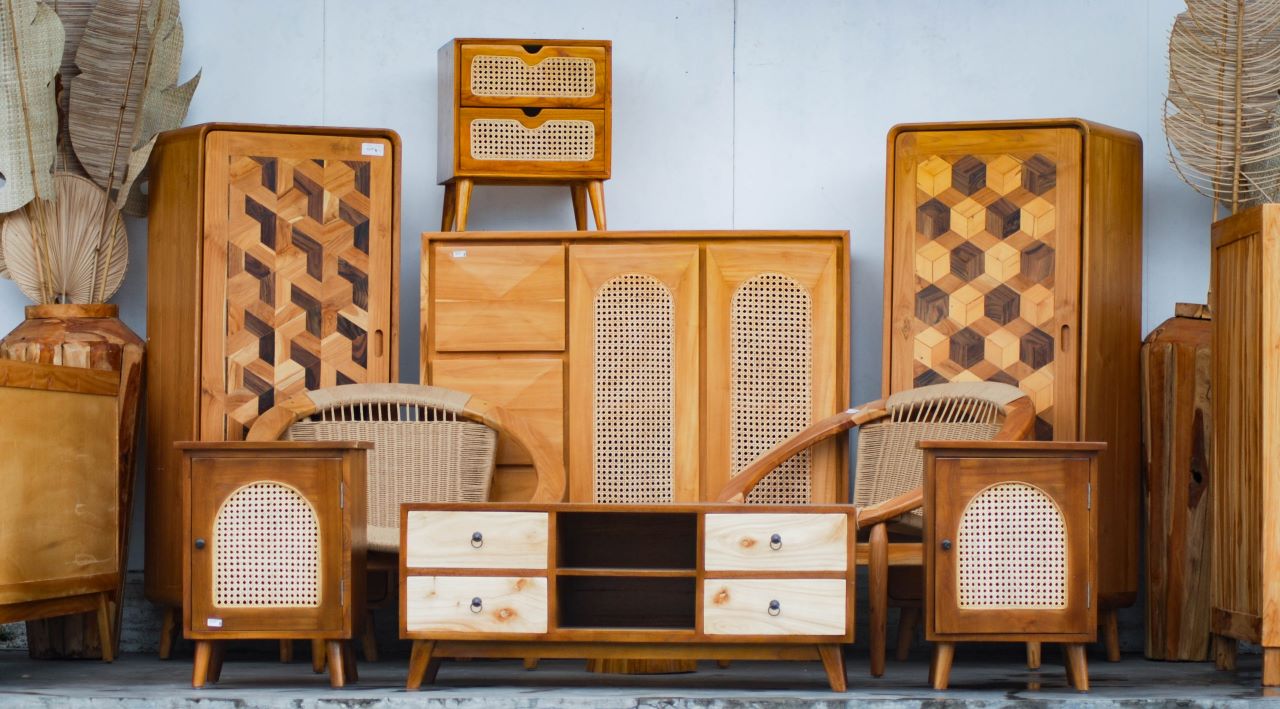
Family Heirlooms Overload: How to Handle Family Inheritance Without Regret
Handling family heirlooms after a loss requires managing legal authority, emotional pressure and practical logistics at the same time, and the order you take them on matters more than most people expect.
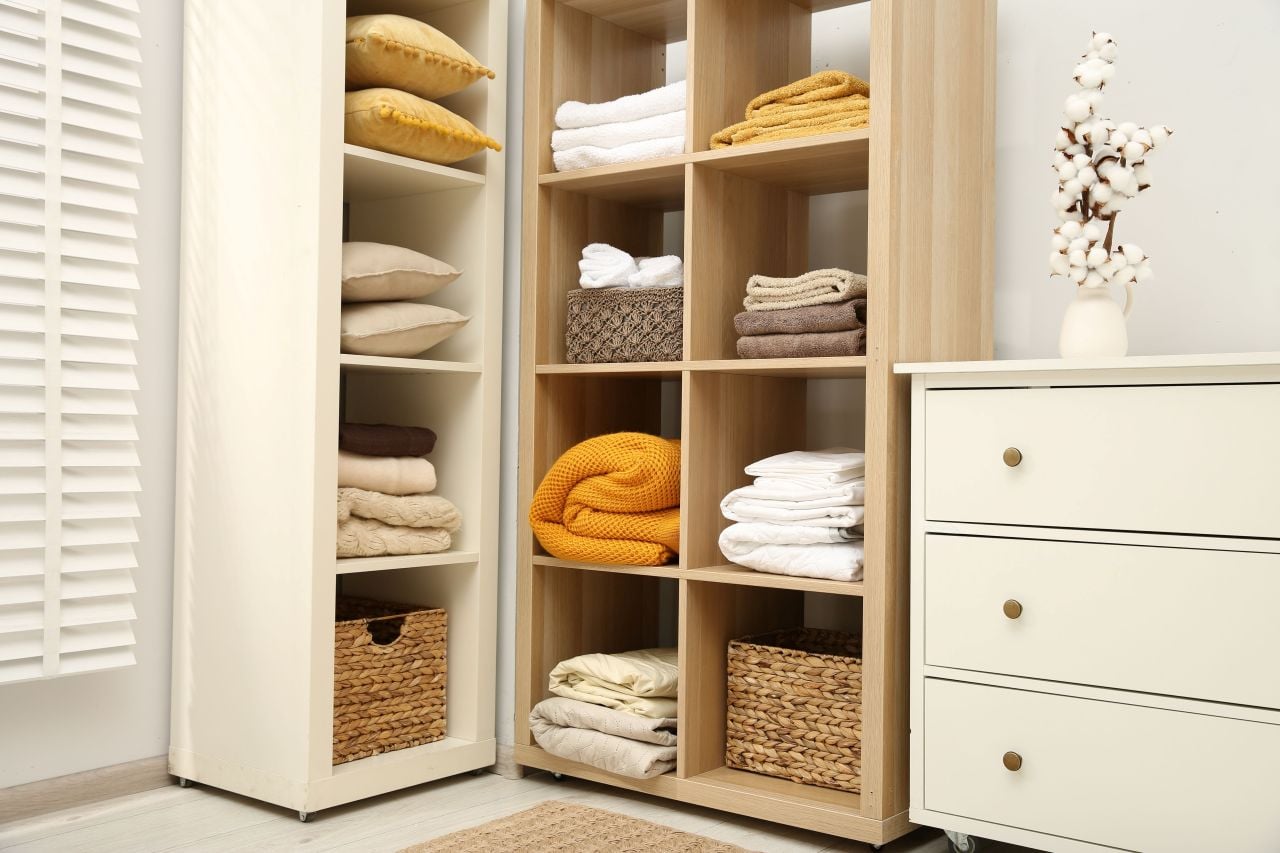
Blanket Storage: The Right Method for Every Space and Season
Blankets make our lives cozier, and storing them well is what keeps them soft and comfortable in the long run. Knowing how to store a blanket properly means your favorites come out of storage smelling fresh, feeling the same as when they went in, and lasting years longer than they otherwise would.

Board Game Storage Ideas That Keep Your Collection in Fighting Shape
Nobody warns you that getting into board games usually unlocks a second hobby, the much dreaded one that includes figuring out where on earth to put them. One game becomes a few, expansions start spawning beside their base boxes and before long, board game storage requires as much strategy as whatever is waiting on the other side of those lids.

Storage Locker vs. Storage Unit: What’s the Difference?
A locker and a unit may sound like two names for the same four walls and a lock, and depending on the storage facility, you may even see the terms used that way. However, once you start comparing available spaces, storage lockers tend to occupy the smaller end of the spectrum, while storage units(opens in new tab) give you considerably more room to work with.
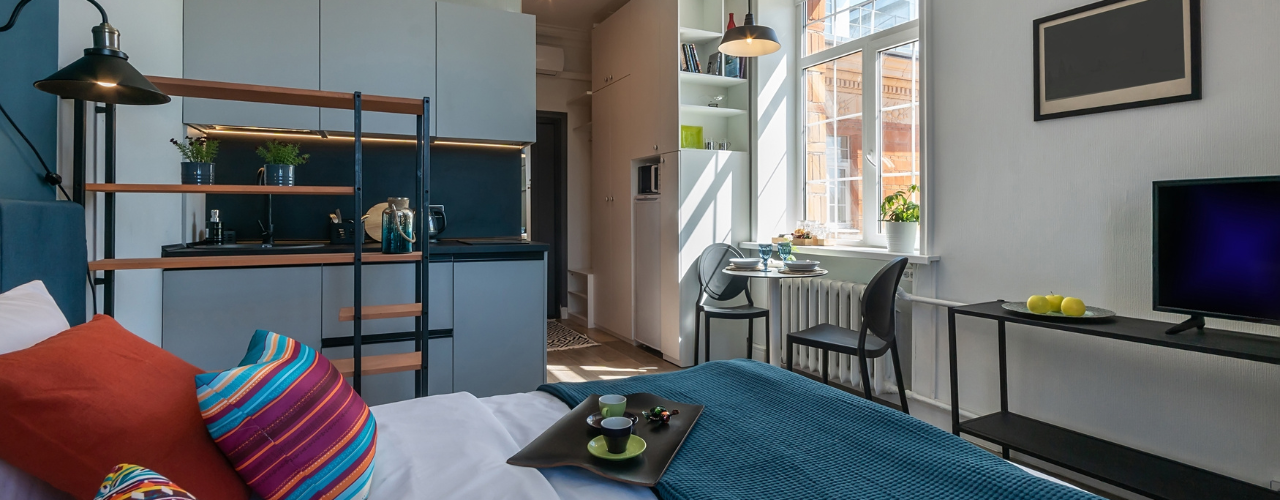
Storage Ideas for Small Spaces: 9 Ways to Max Out Your Home
A messy home contains the seeds of its organization. Those seeds are everywhere: the space above doors, under beds, behind sofas and inside furniture can all become storage. Here are the best storage ideas for small spaces, so you can make the most of your cozy home.
Best U.S. Cities to Live Uncluttered: Plano, TX, Offers the Most Room to Breathe
Clutter is in our homes as much as in our heads. Both are shaped by where we live.
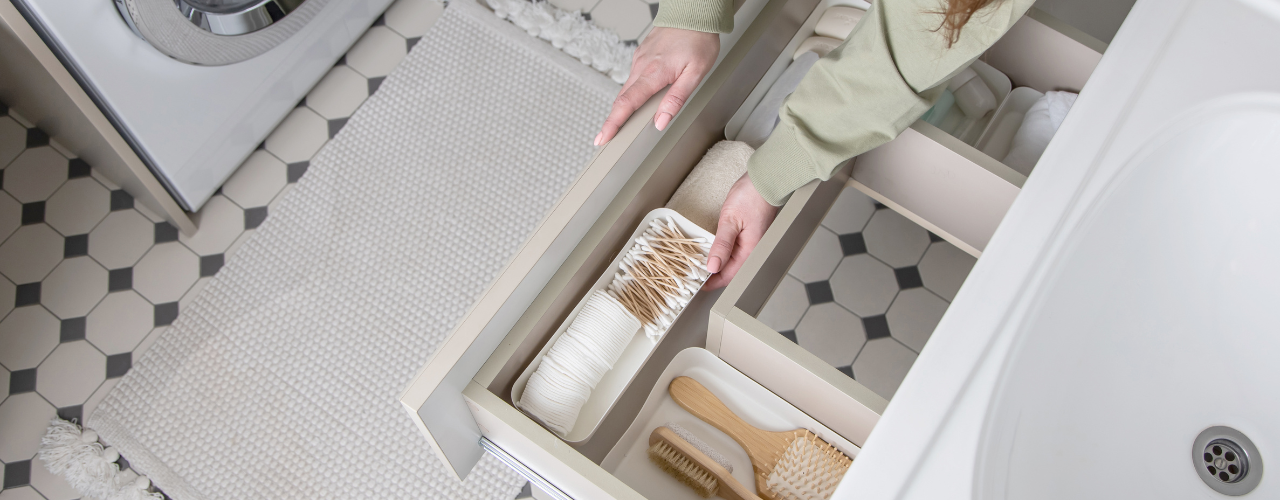
How to Organize Your Bathroom: 8 Ways to Stay Tidy
You already know why an organized bathroom is worth the effort, but let us remind you: it makes rushed mornings easier, keeps counters cleaner and just helps get you in the mood to go through your skincare routine like you should. Plus, in bigger households, it helps everyone find what they need. And you know how much a tidy bathroom counts for your self-esteem when a guest or a partner shows up. Luckily, you don’t need a degree to know how to organize your bathroom. The secret is keeping less, giving every item a home and making that home simple to use. Let’s go through some practical steps can help you create a bathroom that stays functional and nice to look at.

How to Use Silica Gel Packets for Storage
Moisture can cause significant damage to items in storage, leading to rust on tools, mold on clothing and warping in documents. Silica gel uses science to fix that. Often found in small packets inside product packaging, silica gel is a desiccant that absorbs moisture from the air, keeping your stored items dry and protected. This guide explains what silica gel is, how it works and how you can use it to preserve your belongings in self storage.