

Antique shopping is fun, environmentally friendly and easy on your wallet – a veritable treasure hunt where you can find cool, quirky, one-of-a-kind items for your home. As far as antique shopping goes, it doesn’t get much better than New York and New Jersey. There are dozens of great antique shops in the area.
If you’re new to antique hunting and you don’t know where to start, we selected some of the best, most attractive antique stores in New York and New Jersey, based on the experience they provide:
1. Olde Good Things Antique Store NYC
With three locations in NYC, this antique store has so much more than your basic selection of furniture, vintage clothing and collectibles. You can find everything from salvaged architectural elements (doors, gates, fencing, mantels and so on) to lighting, furniture, antique mirrors, reclaimed glass and garden decorations. In other words, if you’re planning to add some old-school refinement to your home, this is the place to start looking.
2. Manhattan Arts & Antiques Center
From bonafide antiquities to antique furniture and decorations, you can find a wide variety of items at the Manhattan Arts & Antiques Center. Founded in 1974, it’s a veritable fine art and antique mall, with over 100 galleries. Whether your jam is the art deco period or you have a passion for Egyptian antiquities, here’s the place where you can find both and everything in between.

3. Antiques Center at The People’s Store
Located in the self-proclaimed antique capital of New Jersey, Lambertville, this space hosts 45 antique dealers but also working artist studios. Browse the extensive collection of American and European antiques, vintage industrial, mid-century modern pieces and much more. If you’re interested in commissioning art, visit the artists working right here at the People’s Store and choose unique pieces for your home.
4. The Antique Warehouse Hudson
This 40,000-square-foot antique and vintage shop, opened by Paul Dorman and John Frederick over 20 years ago, is an exciting place where you can find architectural elements like windows and doors as well as armoires, chests, bars, beds and so on. Also, if you’re unable to go there in person, you can shop online.
5. Historic Burlington Antiques
Established in 2001, Historic Burlington Antiques is in a historical building from the 1920s, one of the world’s first auto dealerships. The 15,000-square-foot space hosts about 65 antiquities and art dealers, selling everything from delicate decorations to furniture, books and jewelry.
6. The Yellow Garage Antiques
Fittingly located in the historic Mullica Hill village, this antique shop is in a bus terminal from the 1900s – hence the name. The 6,500-square-foot space is now home to 35 antique dealers, and most items sold here are from the 18th, 19th and early 20th centuries.
7. Royal Port Antiques
This Salem, New Jersey, antiquities center is in a 1910s warehouse that provided storage space for crops. Some of the old equipment used to dry off and process crops is still there. Suzanne and Michael Cooke restored the space and opened the Royal Port Antiques in 2004. Since then, it attracts collectors and antique aficionados with many treasures, various shows and events.
8. John Koch Antiques
Located in the very heart of Manhattan, John Koch Antiques has been in business for over 30 years and is providing a wide selection of best quality furnishings and decorations. This is where famous TV shows and movies, including Mad Men and The Wolf of Wall Street, got the items they needed to furnish their sets. So, if you’re looking for glamorous and stylish items, this is the place to check out.

9. Days of Olde Antiques & Collectibles
You can literally spend days digging through the treasures hosted by the Days of Olde Antiques & Collectibles. The 21,000-square-foot space near the historic Smithville Village houses over 60 dealers. You can buy items ranging from artwork, books, coins, furniture, stained glass and fine china.
10. Haddon Heights Antiques Center
First opened in 1993, Haddon Heights Antiques Center is an 80-dealer co-op filled with amazing finds, including glassware, china, artwork, furniture and more. The antique center also organizes special, fun events – such as a scavenger hunt on the second Friday of each month.
Now that you know where to shop for antiques and collectibles in the New York City-New Jersey area, it’s also important to learn how to properly care for and store the items you buy.
Here’s how to take care of your antiques
Antiques are fragile – and, whether you are displaying them in your home or you’re a collector and are storing them long-term, there are some rules to follow:
1. Prevent damages during transportation.
Inspect antique furniture carefully before transportation, ensuring that it is stable enough to move. Remove drawers, loose shelves and other detachable parts. Use protective padding, such as bubble wrap or blankets, during transportation. Make sure you lift the furniture all the way off the ground when transporting it – dragging it will cause serious damages. Use dollies and straps when moving larger items. Antique wooden furniture is a lot heavier than modern furniture made from composite materials.
2. Clean and repair the antiques as needed.
Before displaying the antiques in your home or placing them in storage, it’s important to make sure they are in the best shape possible. Dust and polish your wooden furniture and clean upholstered and leather items with dedicated products. Wash glass or china pieces gently, using warm, soapy water. Other items such as paintings or old books are more difficult to clean, and you might consider using a professional restorer. Generally speaking, professionals should repair antiques and collectibles unless it’s something very basic or you have experience and know what you’re doing. A badly done repair job can drastically decrease the value of these items.

3. Pick the right spot to display your antiques and collectibles.
Whether furniture, rugs, artwork or books, antiques are better off kept away from direct sunlight and protected from excessive heat, cold and humidity. Make sure you find places in your home for the antiques that fulfill these conditions as much as possible.
4. Avoid touching your antiques.
Avoid touching antiques and collectibles as much as possible – oils on the skin and dirt can damage artwork, old books, painted china and more. If you own old and valuable pieces, wear cotton gloves when touching them. This also prevents slippage. You should also take some precautions with sturdier items, such as wooden furniture. It’s a good rule to not leave objects long-term on the varnished surfaces of old furniture. For example, if you have an antique dining table, it’s fine to set the table with plates and everything while dining – but don’t keep a vase permanently on it, as it will probably stain the surface.
5. Rent self storage for long-term storage of antiques and collectibles.
A climate-controlled self storage unit ensures the ideal environment for the long-term storage of delicate antiques: the temperature and humidity are constant throughout the year, and it will protect your items from sunlight. A 10’x10’ climate-controlled storage unit in New York City rents for around $230 per month. Or, if you’re a New Jersey resident, you pay a little less: the same type of storage unit in New Jersey rents for around $180 per month.
Have fun with your antique hunting!



Best U.S. Cities for Uncluttered Living: Plano, TX, Offers the Most Room to Breathe
Clutter is in our homes as much as in our heads. Both are shaped by where we live.

How to Use Silica Gel Packets for Storage
Moisture can cause significant damage to items in storage, leading to rust on tools, mold on clothing and warping in documents. Silica gel uses science to fix that. Often found in small packets inside product packaging, silica gel is a desiccant that absorbs moisture from the air, keeping your stored items dry and protected. This guide explains what silica gel is, how it works and how you can use it to preserve your belongings in self storage.

Where to Find Moving Boxes in Los Angeles
Moving in Los Angeles is its own thing, and figuring out where to get moving boxes sorted is just the start of everything you’ll need to organize before moving day.

10 Best Places to Donate Books in Philadelphia
Did you know Philadelphia’s book-sharing roots go back to 1731? Benjamin Franklin and The Junto Club gathered their personal collections into a shared library, thus sparking a tradition of pooling knowledge for the common good. Today, you can carry on that spirit by donating books to local organizations and free libraries.
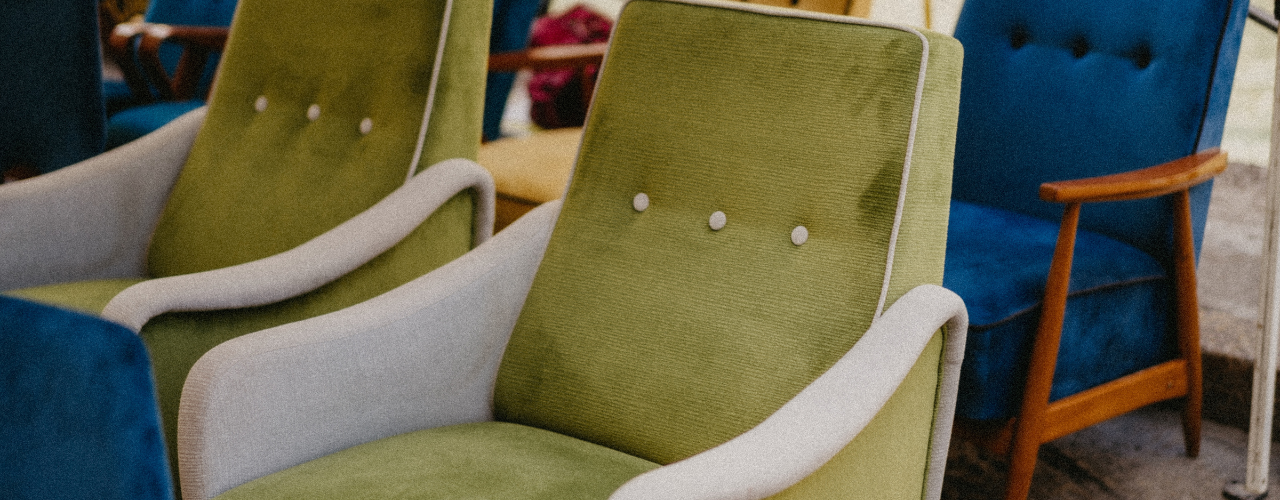
How to Sell Furniture (For Quick Deals and Side-Hustles)
Selling used furniture can be quick, profitable and even rewarding if you know where to list, how to present your pieces and what buyers are looking for. Just a tiny bit of patience and some good planning will take you a long way. This guide covers everything you need to sell your furniture efficiently and safely, for the best possible price.

1 in 4 Americans Rent Self Storage — and the Next Wave Is Already Coming
About one in four Americans is already using self storage and just as many are actively searching for a unit online right now. Across the 150 largest U.S. cities, self storage searches rose 23% year-over-year in 2025 — nearly triple the growth recorded the previous year, up from around 8% in 2024.
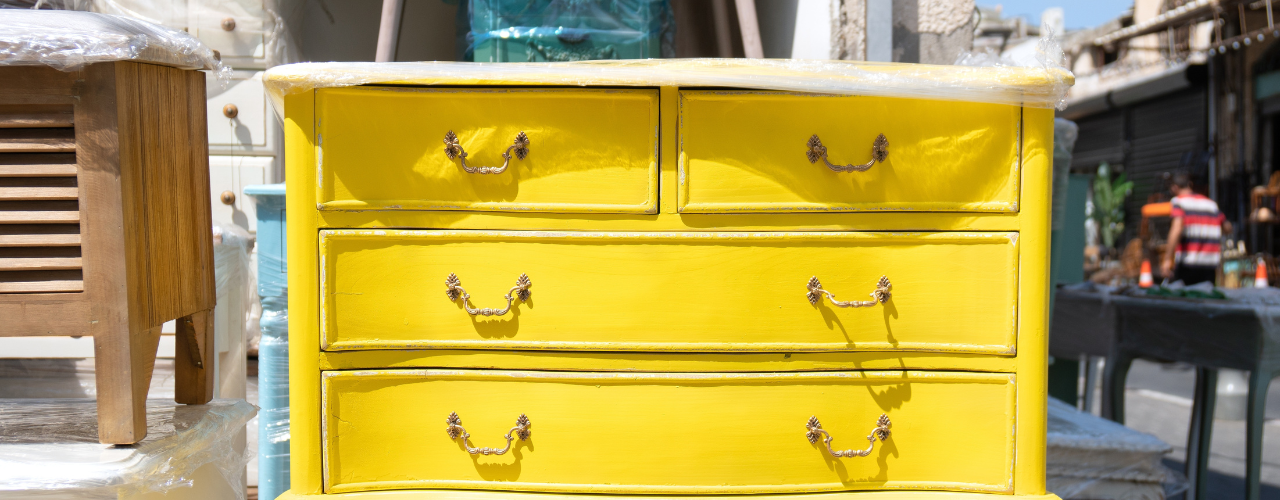
Where to Donate Furniture in Philadelphia
Philadelphia has a strong tradition of giving back, and donating furniture is a practical way to support local charities while freeing up space in your home. Whether you’re downsizing, moving, or just decluttering, there are plenty of organizations ready to take your gently used furniture. And if you’re not ready to part with certain pieces just yet, self-storage can buy you time to decide.

Jet Ski Storage: How to Winterize & Where to Keep Your Watercraft
If you want your jet ski to deliver the fun times for years on end, then proper storage is in order. Leaving it exposed to weather, UV rays, or theft can lead to costly damage, mold, or vandalism. Here’s everything you need to know to store your jet ski safely.
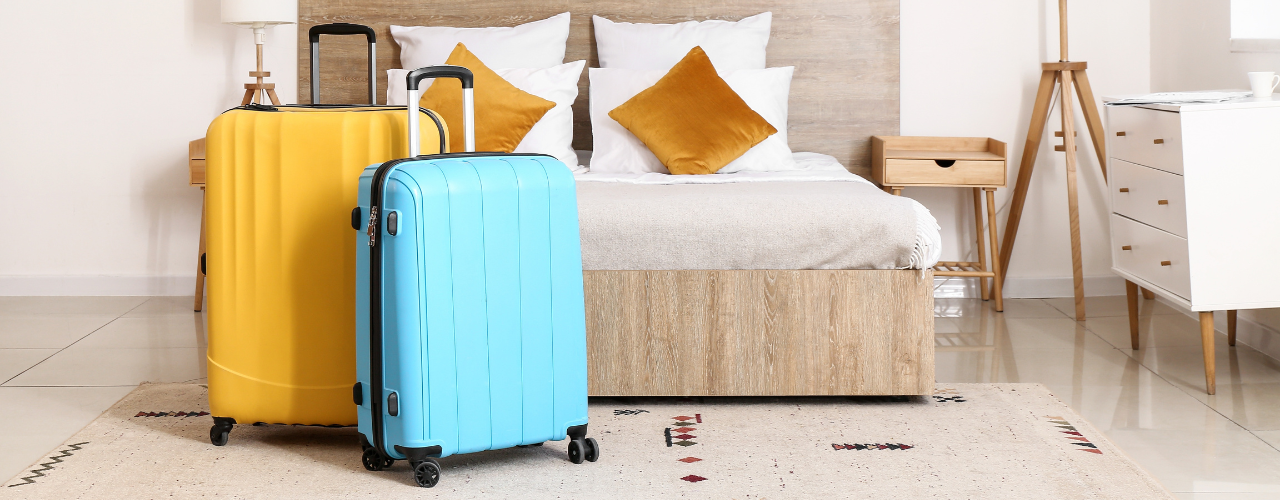
How to Organize a Guest Room: From Decluttering to Storage
A guest room often becomes a holding zone for spare furniture, seasonal bins and unfinished decisions. To reclaim it, start with three basics: a comfortable place to sleep, room for a guest to unpack and the everyday essentials that make the space easy to use.