

Few house chores qualify as fun, at least for most of us. Some tend to be more universally disliked than others, usually because of frequency (you need to do them often), tediousness, or the amount of time it takes to get them done. Are there better, less-time consuming ways of dealing with annoying housework?
Check out these top ten most unpopular house chores, and the tips and tricks that will help you manage them better in the future:
1. Doing laundry & ironing
We should not be complaining so much about doing laundry and ironing, seeing as we have washers and dryers with all sorts of features and fancy clothes irons. But, even with all that technological advancement, doing laundry and ironing are still unpleasant activities that take time. You have to sort your laundry based on color, put it in the washer, move it into the dryer, and then the real “fun” begins – folding everything, ironing the items that need ironing, and putting the laundry back in the closets. How can you make it simpler? Here are some suggestions:
- Use separate laundry baskets for whites, blacks, and colored clothes.
- Do your laundry throughout the week, as soon as you have enough dirty clothes for one cycle. Postponing until the weekend means you’ll have to spend at least half a day doing multiple loads of laundry.
- Take the clothes out of the dryer as soon as the cycle stops and fold them immediately. This will drastically reduce the need for ironing.
- Switch your classic clothes iron for a clothes steamer – it’s a lot faster, and easier to use.

2. Decluttering
There are the big decluttering sessions that you need to do at least a couple of times each year, sorting and reorganizing your stuff so that you don’t get overwhelmed by possessions. Then there are the small decluttering spells that you probably do every weekend, putting away toys, books, clothes and so on. Tedious as it is, decluttering is also necessary – but you can simplify the task, and your work, by using self storage.
Keep the items you don’t use on daily basis, such as seasonal items, sports equipment, various tools, and so on, in a self storage unit close to your home. This frees up a lot of space in your home for those items that you use daily and makes decluttering a far easier, and seldom mandatory, task. Self storage costs vary depending on where you live. For example, a 10’x10’ storage unit in Los Angeles rents for about $206 per month, while the same type of storage unit in Chicago costs about $124 per month. However, the price it’s well worth it for a clutter-free, organized home.
3. Cleaning the windows
The silver lining about cleaning the windows is that it makes a pretty good workout – you can skip the gym that week with a clear conscience. But, even with that silver lining, washing the windows is both exhausting and annoying. Fortunately, there are a few things you could do to make it easier:
- Avoid installing sprinklers close to the windows, and make sure that the outside space near floor to ceiling windows is paved. Flower beds might look great there, but the dirt will inevitably end up on your windows.
- Dust the window screens regularly so dust and dirt doesn’t transfer to the windows when it rains. It’s a lot easier to dust the screens than to wash the windows.
- Don’t wash windows while the sun is shining on them. On one hand, you can’t see what you’re doing. On the other hand, the cleaning solution dries off quickly, and you’ll end up with spots and stains on the windows.
- You can use the pressure washer, followed by a squeegee, to clean the windows on the outside. It’s not perfect, but it’s fast and easy.
- You can go high tech with window cleaning robot.
Also remember you can always hire a professional to handle this for you on a regular basis. Just check the average price of window cleaning jobs so you know you’re getting a good deal.

4. Cleaning the bathroom
Scrubbing tiles and unclogging the shower drain is the opposite of fun, but someone’s got to do it. One simple way to make cleaning the bathroom easier is to tackle is to divide the work into smaller chores. For example, before hopping into the shower, in the evening, you could spray your sink and toilet with a leave-in cleaning solution. By the time you’re done showering, you simply need to flush and wipe the sink. Or, wipe the counters while you’re waiting for your face mask to do its job. Rinse the bathtub immediately after use, and buy overnight cleaners for the shower to limit the need for scrubbing.
5. Vacuuming
Vacuuming the entire home must be done at least once per week – but, if you have a big family, with children and pets, you probably need to do it a lot more often, even daily. Fortunately, robot vacuum cleaners have come a long way during the last few years, and now they’re doing a pretty good job. Many of them are double duty nowadays, vacuuming and mopping the floors. Even if you’re still going to need to use your big vacuum cleaner once in a while, those cute little robots drastically reduce the need for human intervention with this chore.

6. Cleaning the refrigerator and the freezer
Most of us dread the fridge cleaning day – and let’s not even get into freezer cleaning. What could you do to make the job easier? A good start is to avoid buying too much food that ends up forgotten in the fridge and goes bad. Get good quality, lidded food containers for both the fridge and the freezer to avoid food spilling. Using fridge liners is also helpful – it’s easier to take them out and wash them instead of struggling to reach the back of the shelves.
7. Changing the sheets
Few things beat going to sleep in a bed with fresh sheets. However, changing those sheets is an entirely different story. Struggling to get the fitted bottom sheet onto the heavy mattress or coaxing the duvet inside its cover – we’ve all been there. You can cut the effort if the bed is not against the wall and you can access all four corners. In case your bedroom doesn’t allow the setup, you could put your bed posts on sliders. This way, you’ll be able to move the bed easily when you need to change the sheets. Another suggestion is to ask for help. It’s a two-person job, especially with large, king size beds.
8. Cleaning the oven
Even the people who love cooking are put off by the task of cleaning the oven. You barely have access, you need to scrub and rinse a lot, and it takes forever. But does it have to be that way? First of all, you should try to avoid making a huge mess of the oven by using deep or lidded oven dishes and oven liners. Secondly, try to clean spills as soon as possible. This doesn’t mean sticking your hand in a hot oven, but it’s a good idea to wipe it once it has cooled off after each use. Deep cleans are still necessary, even with all those precautions –fortunately, many modern ovens have a self-cleaning option. If yours doesn’t, try putting a pot of water inside and run the oven at high temperature. The hot steam will dislodge a lot of the grease and grime, and a good oven cleaner after will take care of the rest.
9. Doing dishes
“Who does the dishes” is a hot topic in many homes. Whether you have a dishwasher or you do it by hand, it’s still a daily chore. A very healthy approach is to have everyone in the family dealing with their own dishes by either washing and putting them back after mealtime or by putting them in the dishwasher. Making a rule of emptying the dishwasher in the morning is also extremely helpful – this way, dirty dishes don’t end up in the sink or on the counter, and you don’t have to deal with a huge mess at the end of the day.

10. Dusting
Dusting is probably the most tedious house chore in existence – you can reduce the need for it by using antistatic sprays and dust wands. You should always start dusting from the top and use your vacuum cleaner attachments for small spaces as much as possible. If you love knick-knacks, collectibles, or small decorative objects (in other words, things that gather dust and take forever to clean), display them in cabinets with glass doors.
What other tips and tricks do you use to make the house chores easier? Let us know in the comments!



Moving From a House to an Apartment: What to Expect, How to Downsize & How Self Storage Helps
For some, moving from a house to an apartment is a financial decision. For others, it’s about simplifying life. Maybe the kids have moved out and half the house sits empty, or you’re approaching retirement and no longer want to spend weekends on repairs. Or perhaps you’ve been weighing the cost of buying a home and wondering whether renting simply makes more sense right now.
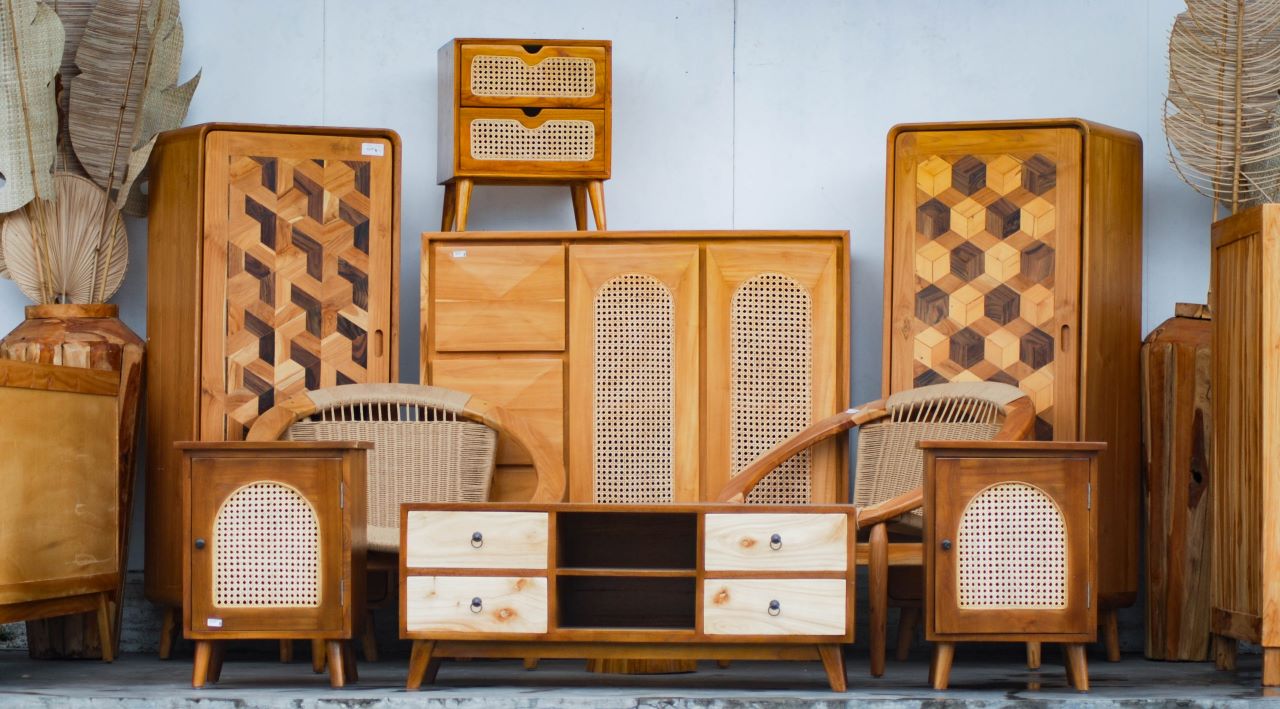
Family Heirlooms Overload: How to Handle Family Inheritance Without Regret
Handling family heirlooms after a loss requires managing legal authority, emotional pressure and practical logistics at the same time, and the order you take them on matters more than most people expect.
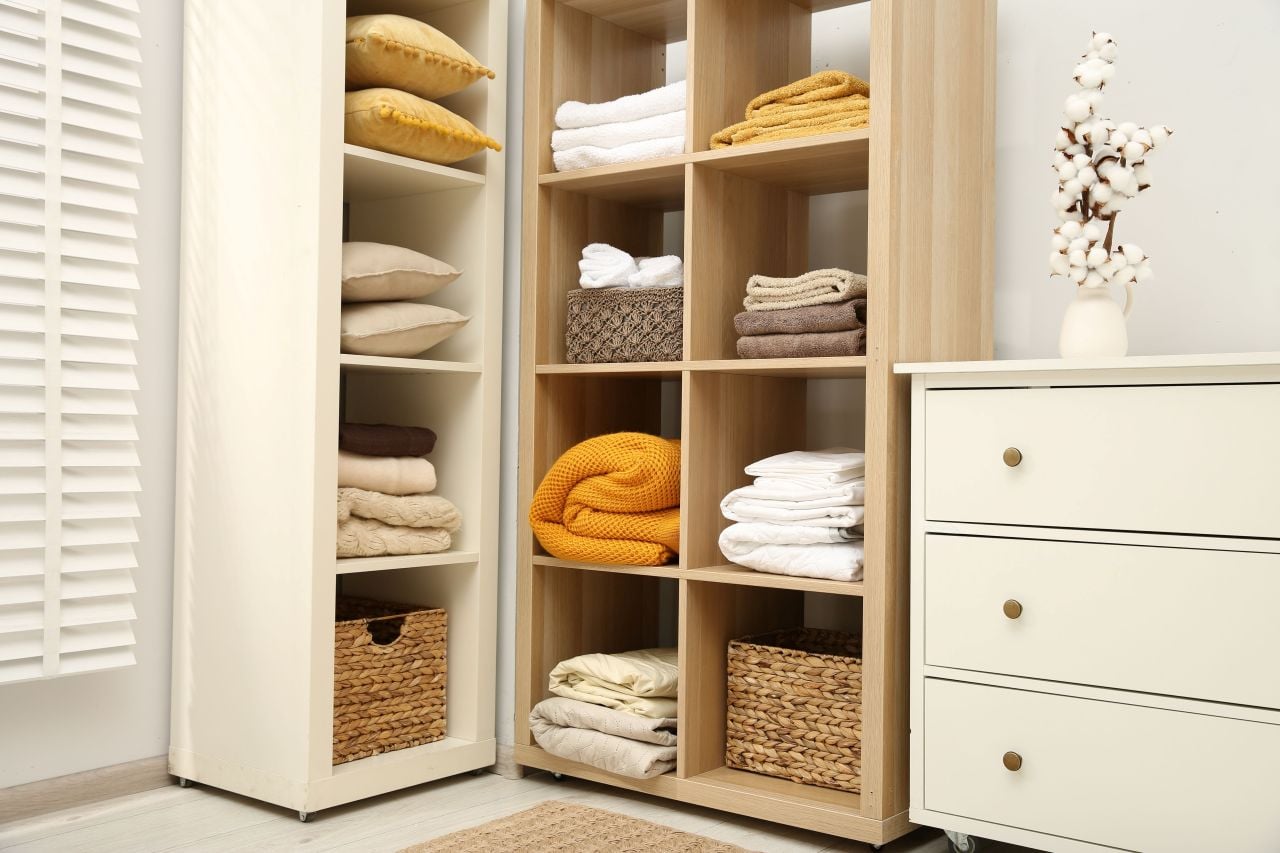
Blanket Storage: The Right Method for Every Space and Season
Blankets make our lives cozier, and storing them well is what keeps them soft and comfortable in the long run. Knowing how to store a blanket properly means your favorites come out of storage smelling fresh, feeling the same as when they went in, and lasting years longer than they otherwise would.

Board Game Storage Ideas That Keep Your Collection in Fighting Shape
Nobody warns you that getting into board games usually unlocks a second hobby, the much dreaded one that includes figuring out where on earth to put them. One game becomes a few, expansions start spawning beside their base boxes and before long, board game storage requires as much strategy as whatever is waiting on the other side of those lids.
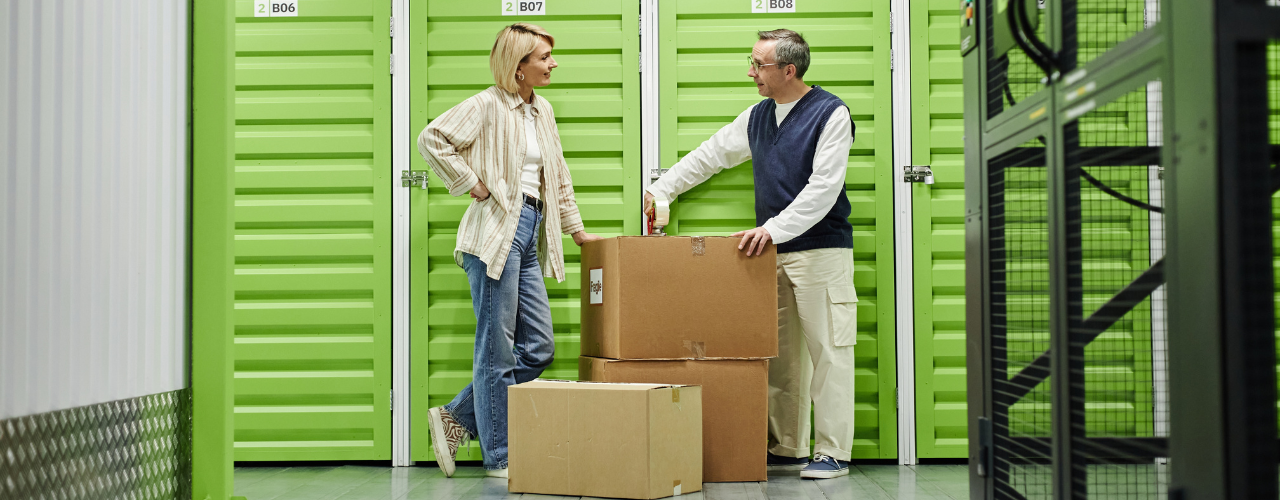
Storage Locker vs. Storage Unit: What’s the Difference?
A locker and a unit may sound like two names for the same four walls and a lock, and depending on the storage facility, you may even see the terms used that way. However, once you start comparing available spaces, storage lockers tend to occupy the smaller end of the spectrum, while storage units(opens in new tab) give you considerably more room to work with.

Storage Ideas for Small Spaces: 9 Ways to Max Out Your Home
A messy home contains the seeds of its organization. Those seeds are everywhere: the space above doors, under beds, behind sofas and inside furniture can all become storage. Here are the best storage ideas for small spaces, so you can make the most of your cozy home.

Best U.S. Cities to Live Uncluttered: Plano, TX, Offers the Most Room to Breathe
Clutter is in our homes as much as in our heads. Both are shaped by where we live.
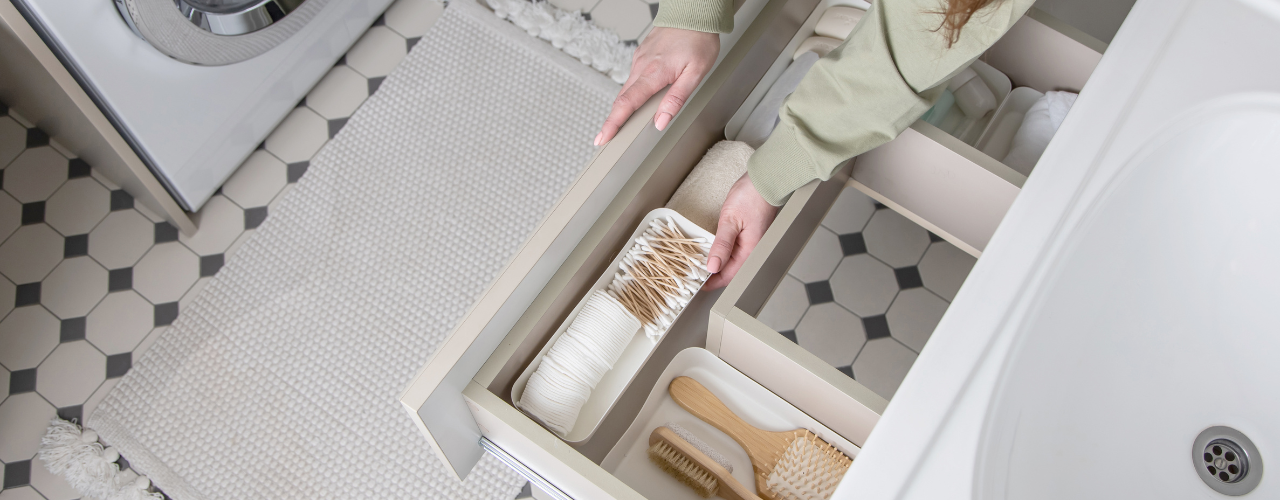
How to Organize Your Bathroom: 8 Ways to Stay Tidy
You already know why an organized bathroom is worth the effort, but let us remind you: it makes rushed mornings easier, keeps counters cleaner and just helps get you in the mood to go through your skincare routine like you should. Plus, in bigger households, it helps everyone find what they need. And you know how much a tidy bathroom counts for your self-esteem when a guest or a partner shows up. Luckily, you don’t need a degree to know how to organize your bathroom. The secret is keeping less, giving every item a home and making that home simple to use. Let’s go through some practical steps can help you create a bathroom that stays functional and nice to look at.
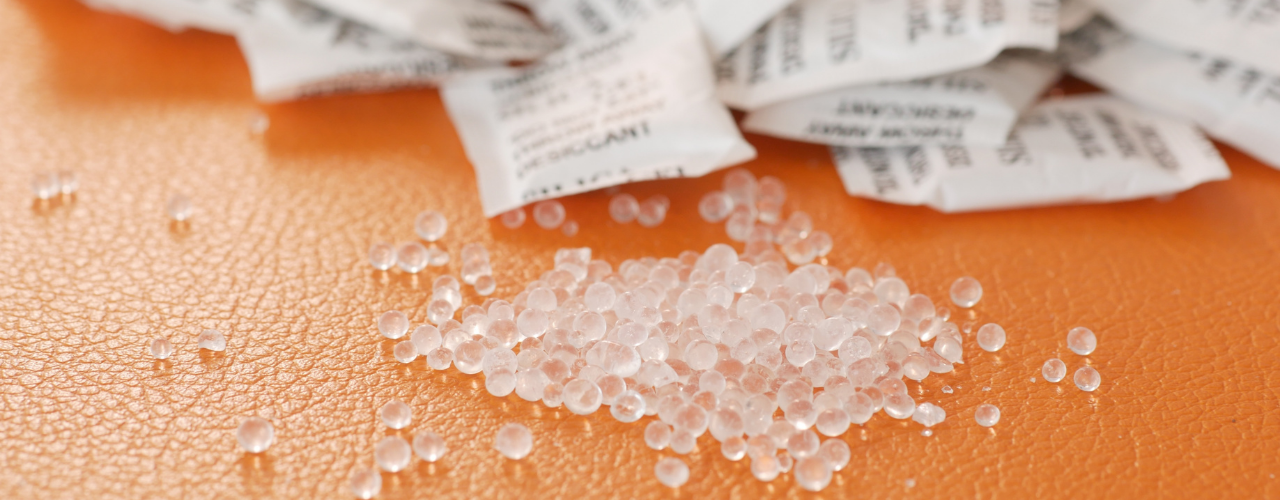
How to Use Silica Gel Packets for Storage
Moisture can cause significant damage to items in storage, leading to rust on tools, mold on clothing and warping in documents. Silica gel uses science to fix that. Often found in small packets inside product packaging, silica gel is a desiccant that absorbs moisture from the air, keeping your stored items dry and protected. This guide explains what silica gel is, how it works and how you can use it to preserve your belongings in self storage.