
The Ultimate Guide to Well-Organized Homes: Practical Solutions to Maximize Storage Space in Every Corner of Your House

Proper storage is the cornerstone of every tidy, well-organized house. But storing all your belongings in a way that grants you easy access to everything and at the same time makes your house look welcoming and clutter-free is definitely not an easy task.
Maximizing Storage Space Can Be as Easy as One, Two, Three
Since organization is key to everything, you should take some time to make a plan. Just keep in mind that it’s unwise to overcomplicate things; the simpler the process, the higher the chances of success. So, what are the key steps that will make your home airy and bright?
- The first is to identify the unused or underused storage space and to organize it properly.
- The second is to create more storage space wherever possible.
- The third and final step is to rent a self-storage unit for the items that you simply can’t fit in your home.
As experts in self-storage, we know that there are endless storage solutions, no matter the size and type of your residence, you just have to be a bit creative. On the same note, chances are you’re not taking advantage of your home’s full storage potential. The storage guide we’ve put together here looks at every area and every room in a house and shows you how you can maximize every inch of free space in your place.
From the attic to the basement, here is how you can make the most of each corner, nook and cranny of your home.
Turn Your Attic into a Storage Heaven
Attics rarely live up to their true potential – generally, they are either a dumping ground for all the stuff people don’t want any more or they are completely ignored by homeowners. That’s a shame, because, with a little bit of effort, an attic can be turned into a well-organized space able to hold most of the stuff that’s cluttering your living space right now. Here are the criteria it needs to meet first:
- Safe and comfortable access
Access to the attic is a decisive factor that influences how you can use that space. Nobody wants to deal with wobbly and awkward ladders, especially while carrying boxes of stuff. If your attic ladder is not up to the task, get a new one installed – the average cost for the job usually hovers north of $400, but it’s significantly less expensive if you DIY the project. It pays off because it grants you easy access to an area of the house that often goes ignored.
- Good lighting
You need to actually see what’s in there. Most attics have very small windows or no windows at all, plus that one, single lightbulb dangling precariously from the ceiling. No wonder people hate going up there – it’s dark and creepy. Install better lighting and you’ll suddenly feel more inspired to redo your attic.
- Proper ventilation
A ventilation fan will help keep the temperature and the humidity in the attic as comfortable as possible and will prevent dust and musty smells in a space that usually doesn’t have good air circulation. It’s important particularly if the attic has small windows or no windows at all.
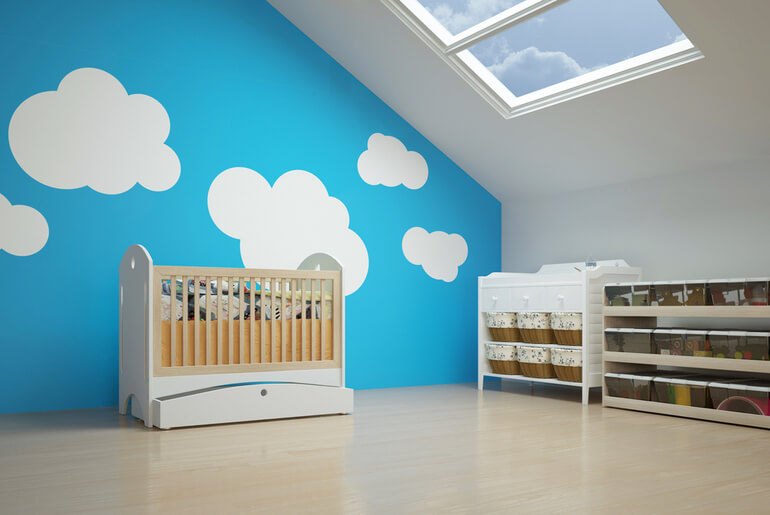
- A variety of storage solutions
Now that the area is more welcoming, it’s time to start working on your storage strategy. Install shelves in the narrow space between the trusses. You don’t even need support brackets to mount the racks; the trusses can do that job.
However, if you don’t want to go the extra mile with the shelves, simply place sturdy plastic boxes in that space. Make sure that the boxes have lids that close properly, to protect your belongings from dust and pesky rodents. Use clear plastic boxes or label each box to keep track of the things stored in there.
Install clothing rails on the beams of the ceiling, at a height that’s comfortable for you, and hang off-season clothes. Use clothes covers for protection and, if you’re living in an area with high levels of humidity in the air, also add silica gel packets inside the clothes covers.
You already stored a lot of stuff around the edges of your attic, but the space’s prime real estate – the floor surface – is still free. Use it for larger items, like pieces of furniture, holiday decorations, baby stuff, sports equipment and so on. Arrange all the items carefully, so that you’ll be able to move around the space easily and reach all the items you already stored in there. As with any objects put into storage, it’s important to check your belongings periodically, to make sure everything is all right.
Make More Room in Your Bedrooms
Bedroom storage is the most valuable type of storage in a home because, let’s face it, most of our clutter exists near us, in the bedrooms. From clothes and shoes to personal care products, books, electronics, toys and school items, we all prefer to keep the things we use frequently as close as possible. To prevent the bedrooms from looking messy, stuffy and uninviting, it’s important to expand the storage space.
A few simple tricks will help you fit more clothes inside your closets. Space-saving hangers, for example, are ingenious products that allow you to store several shirts, skirts or pairs of pants in place of a single item.
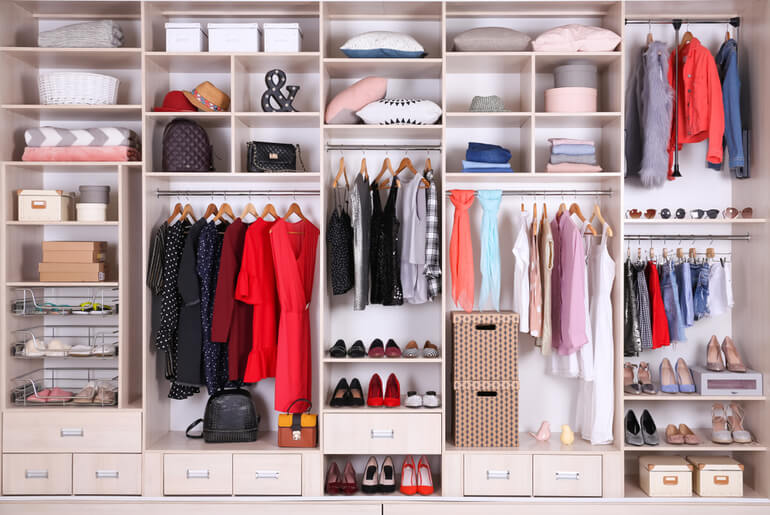
Most closets have a similar structure – a clothes rod with a couple of shelves underneath and another shelf above it. When pressed for space, you can double the interior capacity of the main closet area. Take all the shelves out, bump the current rod up as high as possible to the top of the closet, and install a second rod underneath, thus making the most of your closet’s height. This system works best for shirts and blouses, but you can also hang pants and skirts if you fold them mid-length.
Add hooks on the inside of your closet doors to hang ties, hats and other difficult-to-store items. Scarf hangers are ideal not only for scarves, but also for tank tops, belts, and necklaces. Or you can get a similar effect for even less money by putting shower curtain hooks on a regular coat hanger and using each hook to hang one item.
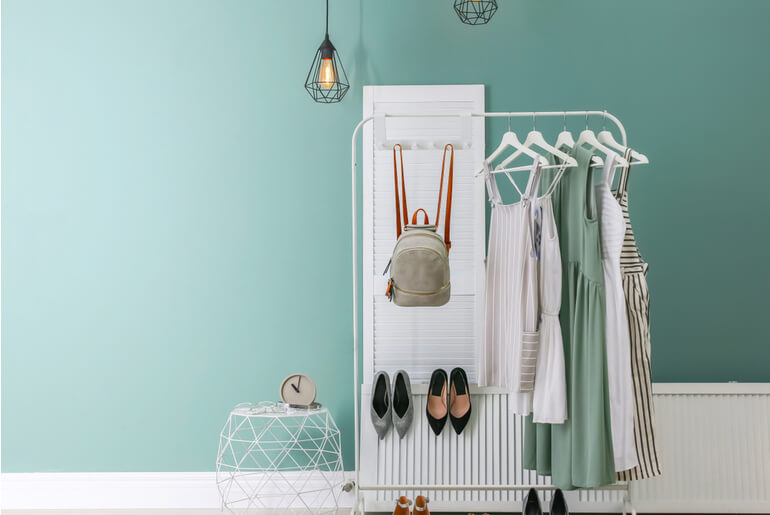
Consider getting a freestanding clothes rack for your bedroom. Although a rack that displays your clothes in plain view might sound like the opposite of a tidy home, it will help you organize the clothes, shoes and accessories you are wearing throughout the week in one place. Instead of blouses folded on chairs, shirts on the doorknob and shoes by the door, you have everything stored neatly together – and it actually makes for an interesting aesthetic.
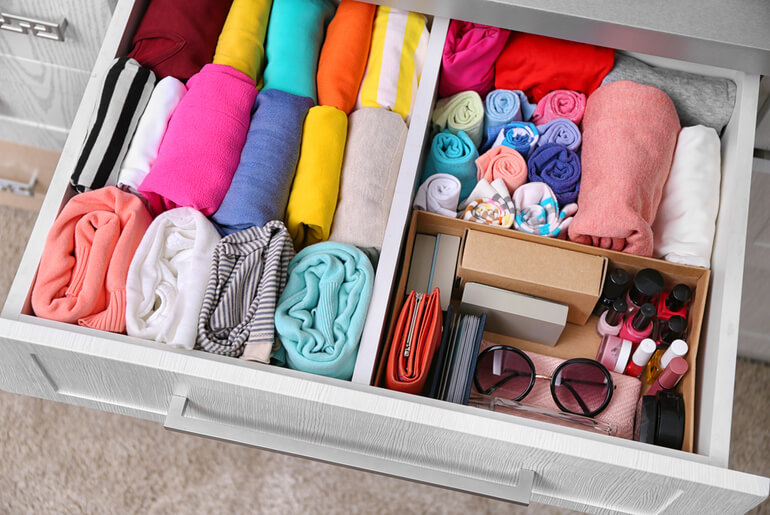
Don’t underestimate the power of under-the-bed storage – there’s a lot of space down there, and you can use it for a variety of items, from bed sheets and towels to shoes, hats and other accessories. Get storage boxes with lids to protect your belongings from the inevitable floor dust.
Bedside caddies also pack a lot of storage power inside a small space. Designed to be hung on the sides of the bed, the caddies have several pockets and are ideal for all the small items you absolutely need while in bed: smartphone and tablet, chargers, remote control, glasses, your book, and, of course, a candy bar for your midnight snack.
Pack Storage into the Hallways
Hallways go mostly unnoticed, but you can pack precious storage space in there too. Near the ceiling, shelves can be easily fitted even in the narrowest hallways and can hold items like blankets and pillows that you use only rarely, boxes of miscellaneous stuff, board games and so on.
Hallway wardrobes and cabinets take some of the bulk from the other rooms of the house. Located near the master bathroom or the bedrooms, the hallway wardrobe is perfect for towels or bed sheets, but can also hold coats, toys, or shoes. If the width of the hallways allows for it, floor to ceiling cube shelving creates plenty of storage space. Console tables with drawers are also interesting and practical choices for furnishing hallways.
Get Creative with Your Under-the-Stairs Space
The trick with home storage is not to cram shelves and cabinets into your living space, but to identify areas of the house that have no particular use. One such area is under the stairs – there’s a lot of potential in there, and it would be a shame to waste it. You can use both the space under the stairs and the wall space in the landing area of the stairs.
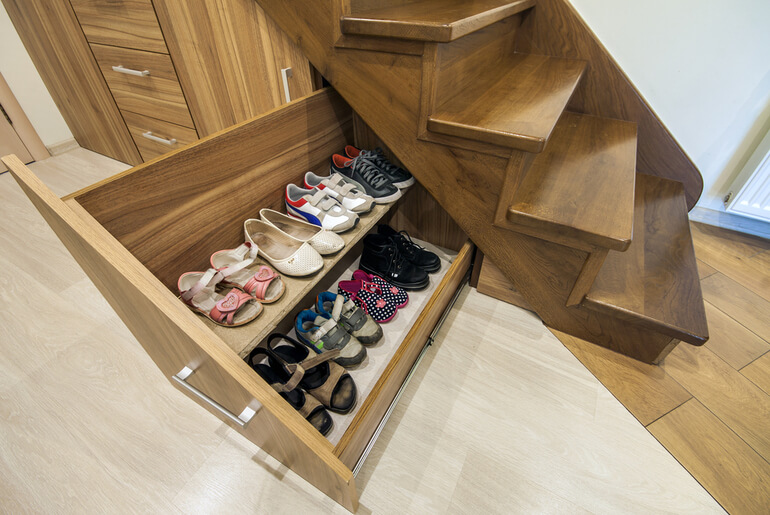
You can organize the space under the stairs in different ways, depending on how you plan to use it. If the stairway is close to the front door, you’ll probably benefit most by turning the under-the-stairs space into an open closet for coats, shoes, backpacks and umbrellas.
You can also use the space as a cleaning supplies closet. Keep your vacuum cleaner, broom, mop and bucket, and all the array of sprays, soaps and detergents you employ while cleaning your home neatly organized in one place.
Install custom-made drawers or shelves underneath the first flight of stairs to maximize the use of this space that, at least partially, is too low to be turned into a closet. Depending on how much you are willing to spend on revamping the under-the-stairs area, a combination of custom-made cabinets and drawers is the best and most aesthetically pleasing solution to utilizing every bit of that space.
Install drawer cabinets or cube shelving at the bottom of the stairway. This type of setup creates a buffer area between downstairs and upstairs and could accommodate small items and trinkets that would otherwise clutter your bedrooms.
Under-the-stairs space can also be used to create a home-office area equipped with a desk and with shelves. This idea works best with straight staircases – which offer more head space underneath them – than with L- or U-shaped ones.

Your Kitchen Deserves More Storage
You love that clean and minimalist kitchen look, with free, uncluttered countertops and work surfaces, but, somehow, no matter how hard you try, your kitchen never seems to be up to the task. Different items, utensils or ingredients are always laying around – and the lack of storage space is to blame for that.

The solution is to expand the storage capacity by re-organizing your kitchen. Small and inexpensive accessories can make a world of difference in terms of storage – cabinet shelf organizers will double or even triple the cabinets’ capacity and are ideal for fitting in more mugs, cups, bowls, or plates. Drawer dividers grant you access to the exact item that you need, without having to dump the entire contents of the drawer on the countertop first.
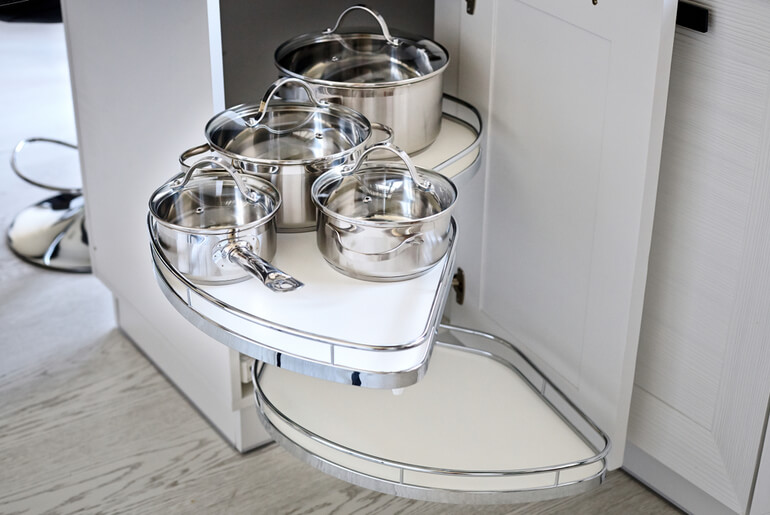
Mount self-adhesive hooks and hanging racks on the inside of your cabinets’ doors to organize items like lids, chopping boards, aluminum foil, or baking paper. Multi-tiered racks in the kitchen cabinets are very efficient for organizing large and heavy items like pans and trays.
Your kitchen appliances can work as storage too – the outside of your fridge, for example, is a great place for storing magnetic jars with ingredients and condiments. Not only do you have them on hand all the time, but it actually looks charming and colorful.
If there’s a little bit of empty space between your kitchen cabinets, near a wall or next to the fridge, use it to install a rolling pantry rack. The rolling pantry is ideal for keeping cereal boxes, jars of preserves, bottles and so on. A lot of your kitchen clutter will be contained in there – it’s amazing what a difference a few inches of space can make.
Go All the Way with the Laundry Room
The washer and the dryer take up the most space in your laundry room, so, if possible, stack your existing washer and dryer or purchase new, stackable ones. You’ll suddenly create new storage space in the laundry room.
However, if that’s not an option, you can enhance storage space through other methods. Install a countertop over the washer and dryer and use it as a folding station. Add a tension rod above it and fill it with clothes hangers. It’s ideal for air-drying delicate items and for hanging your clothes while you’re ironing. Pick a foldable ironing table or buy an ironing mat you can use directly on the countertop.
Installing cabinets above your washer and dryer creates storage not only for your detergents and other cleaning supplies, but also for paper towels, pet food and other household items. Alternatively, you can trade the cabinets for shelves – they’re a lot cheaper to install, provide the same amount of storage space, and you have everything in sight.
A rolling laundry sorter with multiple baskets and an ironing board on top is an extremely useful accessory for the laundry room. Stackable laundry baskets can be used both for sorting the laundry and for taking the clothes back to their respective closets.
Streamline the Entryway
A well-organized entry space makes the task of keeping the house clean and tidy a lot easier. The ideal scenario is an entryway big enough to allow you to organize a proper mud room fitted with a bench and enough storage spaces for all the shoes, coats, bags, and backpacks.
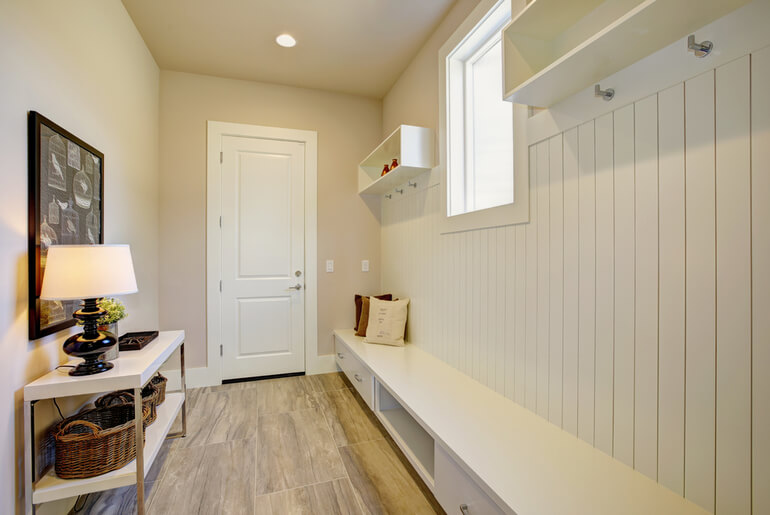
However, even if your entryway is small and narrow, you can still turn it into a functional and organized space. A coat tree, for example, takes up a lot less space than the standard entryway coat hanger. Pick a small, three-legged stool instead of an entryway bench – it serves the same purpose but saves precious floor space. Instead, get a larger shoe cabinet – it makes a world of difference in terms of tidiness.
One neat trick is adding a pegboard on the wall. Fitted with hooks, it can hold your keys, sunglasses, bags, scarves and so on. For a quirky, interesting design, try using the pegboard as a frame for your entryway mirror. Near-the-ceiling shelving in your entryway area is another good solution for putting away bags and hats.
Turn the Basement into a Practical Storage Area
An unfinished basement is not the most inviting of spaces, and that’s the main reason why its storage potential goes unnoticed. However, getting yours ready for storage is less expensive than you might think – you’ll be spending more time than money.
Start with a clean slate – if there is clutter in your basement you didn’t touch in years, it must go. Take the time to go through all the stuff, select the items you are keeping and throw away the rest. Do a thorough cleanup of the entire space and get rid of all the dust bunnies and spider webs.
Make sure that the space is well lit. If your basement has small windows, maybe you need to improve air circulation by installing a basement ventilation fan. Humidity is a common problem in basements, so you might also need an air dehumidifier.
The most inexpensive and practical basement storage solution is to simply line the walls with shelves. Search for inexpensive, heavy-duty utility shelves – they can hold hundreds of pounds, so you can pretty much keep anything on them: tools, canned foods, sports gear and so on.
If you’re willing to spend more on the project, you can choose more aesthetically pleasing solutions, like cabinets or wooden shelving. But, strictly from a storage point of view, you don’t need much besides utility shelves and efficient lighting.
In case you’re storing books, toys, clothes or footwear in the basement, use plastic boxes with lids and pay extra attention to air humidity issues. Check the items regularly and make sure the basement is well ventilated.
Make the Most of Your Garage
First things first – remember that your garage’s purpose is to store your car. So, don’t cram a lot of items in there, otherwise your car will remain parked in the driveway, which is not ideal to say the least. Focus on using wall and ceiling space.
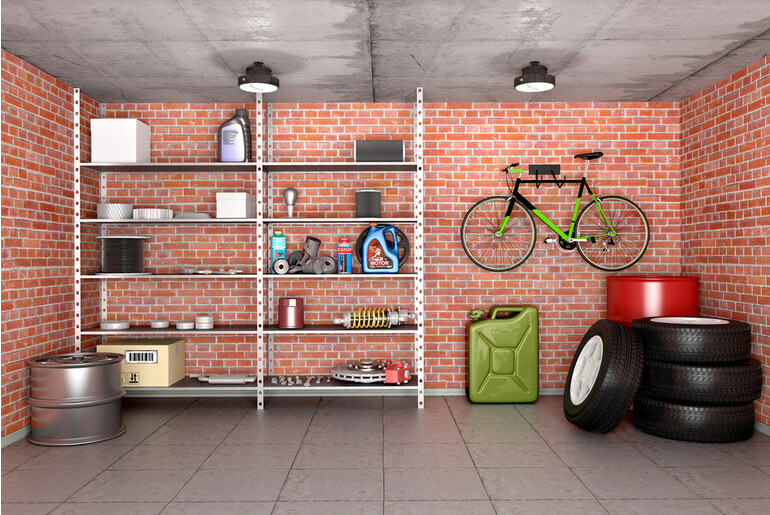
Hanging tool racks will help you organize your frequently used gardening stuff: rakes, shovels, garden scissors, water hose and so on. A heavy-duty pegboard is ideal for tools you need around the house, such as hammers, wrenches and saws.
Installing hanging ceiling shelves will expand the storage capacity of your garage, and are practical for extra tires, sporting equipment and other items you are not using that frequently. Don’t forget to keep one garage corner free for your lawn mower.
Expanding your storage space needs to go hand-in-hand with a proactive attitude towards keeping your home tidy and some clear rules about what goes where. Declutter your possessions periodically and make sure you recycle, donate or throw away the things you no longer need. And, for those items that you do want, but still can’t find a place for at home, StorageCafe is here to help you find a storage unit near you!



Moving From a House to an Apartment: What to Expect, How to Downsize & How Self Storage Helps
For some, moving from a house to an apartment is a financial decision. For others, it’s about simplifying life. Maybe the kids have moved out and half the house sits empty, or you’re approaching retirement and no longer want to spend weekends on repairs. Or perhaps you’ve been weighing the cost of buying a home and wondering whether renting simply makes more sense right now.
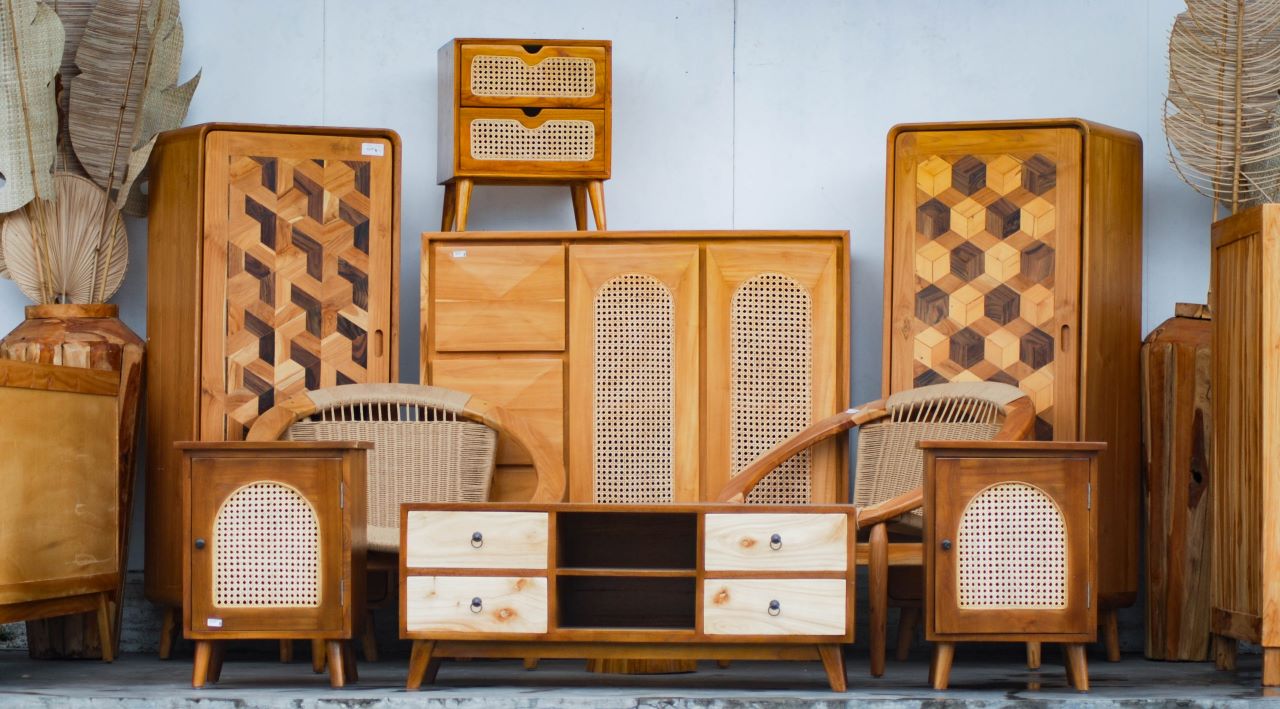
Family Heirlooms Overload: How to Handle Family Inheritance Without Regret
Handling family heirlooms after a loss requires managing legal authority, emotional pressure and practical logistics at the same time, and the order you take them on matters more than most people expect.
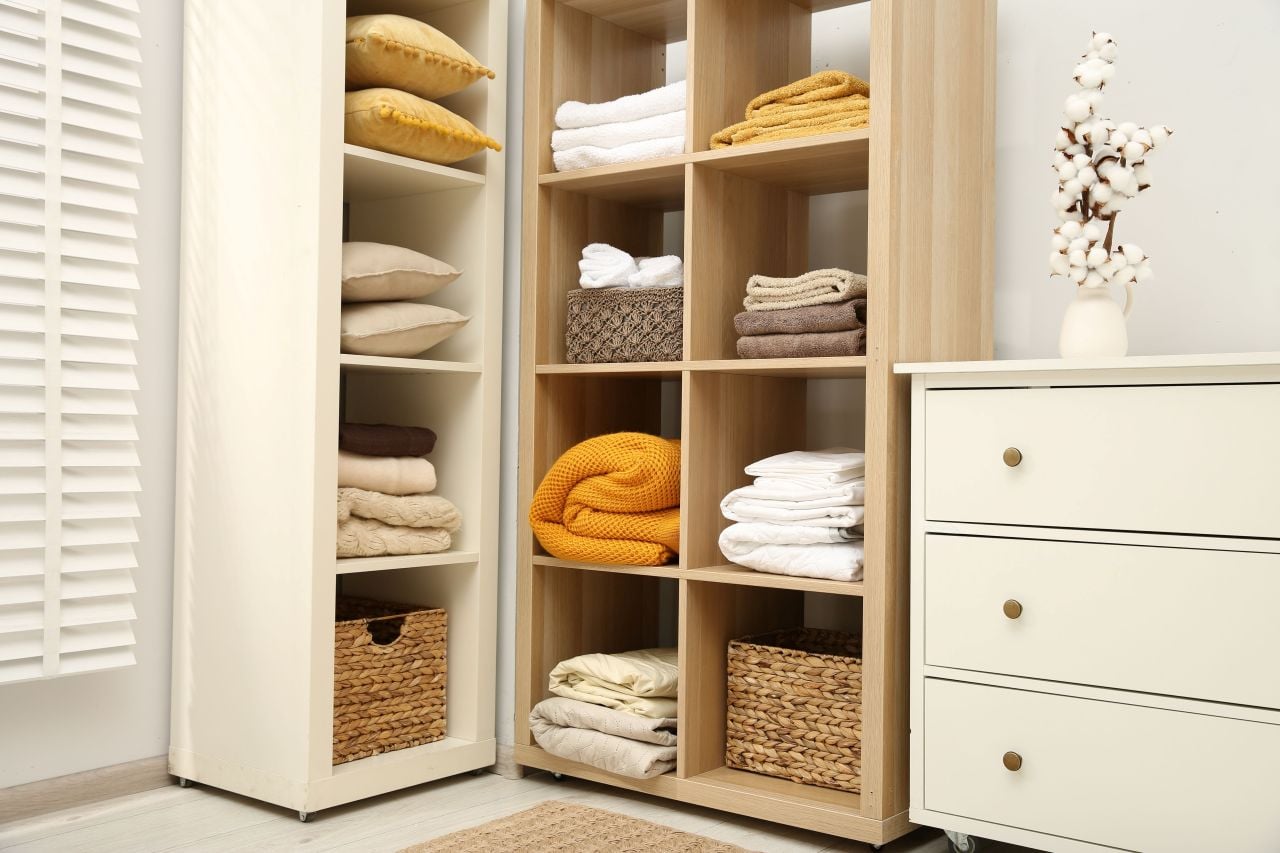
Blanket Storage: The Right Method for Every Space and Season
Blankets make our lives cozier, and storing them well is what keeps them soft and comfortable in the long run. Knowing how to store a blanket properly means your favorites come out of storage smelling fresh, feeling the same as when they went in, and lasting years longer than they otherwise would.

Board Game Storage Ideas That Keep Your Collection in Fighting Shape
Nobody warns you that getting into board games usually unlocks a second hobby, the much dreaded one that includes figuring out where on earth to put them. One game becomes a few, expansions start spawning beside their base boxes and before long, board game storage requires as much strategy as whatever is waiting on the other side of those lids.

Storage Locker vs. Storage Unit: What’s the Difference?
A locker and a unit may sound like two names for the same four walls and a lock, and depending on the storage facility, you may even see the terms used that way. However, once you start comparing available spaces, storage lockers tend to occupy the smaller end of the spectrum, while storage units(opens in new tab) give you considerably more room to work with.
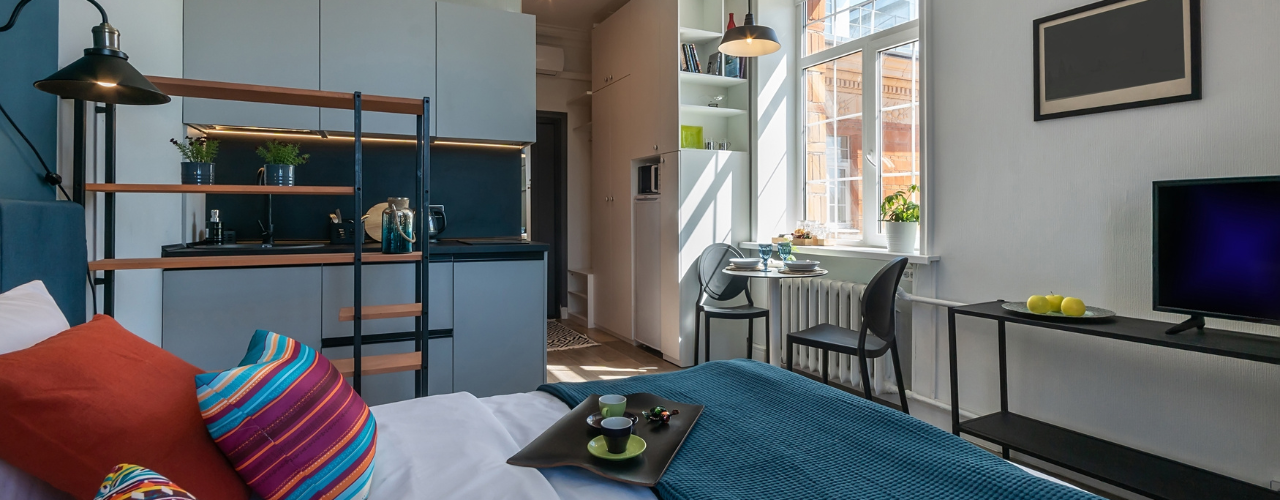
Storage Ideas for Small Spaces: 9 Ways to Max Out Your Home
A messy home contains the seeds of its organization. Those seeds are everywhere: the space above doors, under beds, behind sofas and inside furniture can all become storage. Here are the best storage ideas for small spaces, so you can make the most of your cozy home.
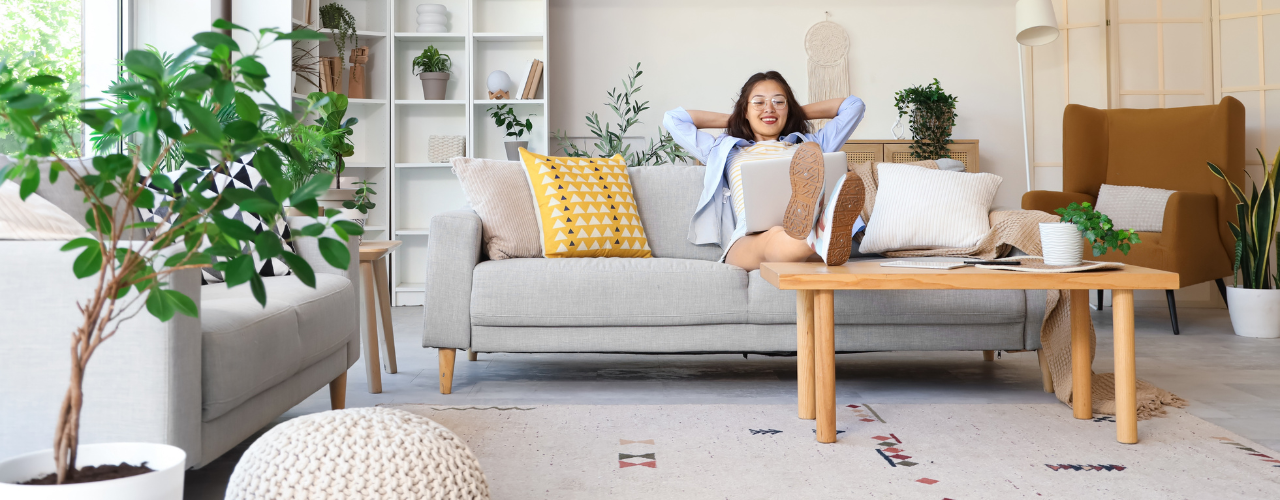
Best U.S. Cities to Live Uncluttered: Plano, TX, Offers the Most Room to Breathe
Clutter is in our homes as much as in our heads. Both are shaped by where we live.
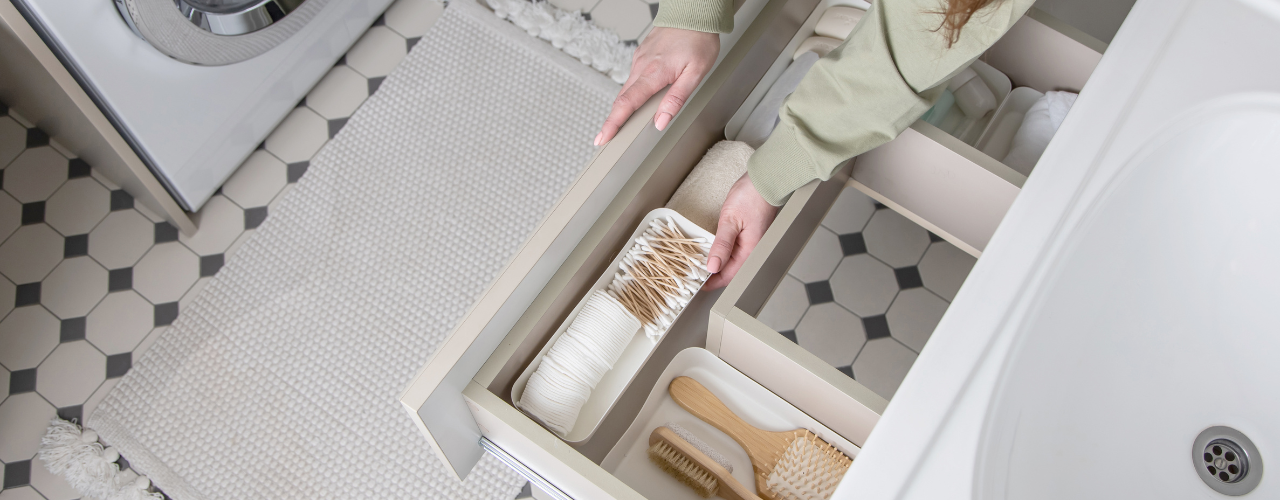
How to Organize Your Bathroom: 8 Ways to Stay Tidy
You already know why an organized bathroom is worth the effort, but let us remind you: it makes rushed mornings easier, keeps counters cleaner and just helps get you in the mood to go through your skincare routine like you should. Plus, in bigger households, it helps everyone find what they need. And you know how much a tidy bathroom counts for your self-esteem when a guest or a partner shows up. Luckily, you don’t need a degree to know how to organize your bathroom. The secret is keeping less, giving every item a home and making that home simple to use. Let’s go through some practical steps can help you create a bathroom that stays functional and nice to look at.

How to Use Silica Gel Packets for Storage
Moisture can cause significant damage to items in storage, leading to rust on tools, mold on clothing and warping in documents. Silica gel uses science to fix that. Often found in small packets inside product packaging, silica gel is a desiccant that absorbs moisture from the air, keeping your stored items dry and protected. This guide explains what silica gel is, how it works and how you can use it to preserve your belongings in self storage.