

It is safe to say that self storage is one of the most impressively growing industries in the U.S., with more than a third of Americans currently renting a storage space. People need to use this service in order to bring some order into their lives and homes, whether they’re looking to store old furniture or vehicles, collectibles and valuables, or bulky seasonal gear, including clothes and sports equipment.
However, seeing the sheer diversity of things that are kept in storage spaces, it is easy to unwillingly turn your unit into a dumping ground. Consequently, it is easy to lose track of what you have and even potentially damage your belongings. If your storage unit lacks good organization, you’ll also spend too much of your time going through your stuff in search of that one thing you need. Organizing your storage unit like a pro is not difficult, and these are the main tips you should have in mind:
Start with a clean slate
Self storage units tend to be a magnet for unidentified odds and forgotten relics of the past, so don’t fall into that trap yourself. To pump the brakes fast, start with a thorough sweep and clean. You need a blank canvas before you start adjusting and organizing your storage unit. The first step should always be a reset.
What you can do in this case is:
- Donate what you haven’t used in 2+ years. If you haven’t reached for it by now, its moment has likely passed. Let it go and reclaim space for what matters.
- Toss duplicates and space-hogs. The best way to organize a storage unit is to keep only what serves a purpose. Extra gadgets, broken items, and “just in case” clutter eat valuable square footage.
- Deep-clean and prep the space. Vacuum the floor, dust shelves, and wipe down bins. Add a moisture absorber such as silica gel, and lay pallets or risers to keep boxes off the concrete. A quick deodorizer and fresh labels on totes make future storage unit organization easier.
- Check the unit itself. Look for cracks or leaks on the walls and ceiling, and don’t hesitate to alert the facility manager if you spot a problem. For extra protection, mothballs or pest deterrents can help keep critters away.
- Capitalize on vertical space. Ask your facility manager if you can add freestanding shelving. Using the full 8-foot height of most units makes it easier to store boxes neatly and free up floor space for bulkier items.
Once you’ve cleared the clutter and cleaned, you’ll have the clarity to plan the layout. With the foundation prepped for shelves at the back for long-term items and clear bins up front for quick grabs, your unit is ready to do what it does best — store your belongings safely.
Create a thorough list of all stored inventory
In the case of larger storage spaces, or a large number of small belongings that need to be stored, it is impossible to remember every single item. While you can easily remember large pieces of furniture or vehicles being kept in your storage unit, it is easy for you to forget about smaller stuff, such as pictures, electronics, clothes, jewelry, and the like.
Moreover, if you intend to use self storage for several months or even years, it is even more likely that you’ll forget about some of your stored items.
Here’s what you can do to keep everything nice and tidy when it comes to storage unit organization:
- Start with a master list: Creating a full inventory is the first step in how to organize your storage unit. It gives you a clear picture of what’s already inside, what might be missing, and what new items you can add without overcrowding.
- Keep a spreadsheet: Updating a simple sheet as you pack ensures nothing slips through the cracks. It’s one of the easiest storage unit organization ideas that pays off later.
- Add photos for a quick reference: If you want to find things at a glance, take snapshots of your boxes and note exactly where they’re placed. It’s a simple trick that makes life so much easier, especially when you’ve got lots of little things and don’t want to play hide-and-seek later.
- Map it out: For an extra level of efficiency, sketch a quick map of your unit. Even a rough diagram helps you know which section holds what, saving time and frustration down the line.
Label your boxes and organize them according to purpose
One of the most important aspects of storing a multitude of belongings, especially when moving or downsizing, is properly labeling your boxes. Nothing slows you down more than rummaging through piles of unlabeled bins. Not finding what you need creates stress and delays, but it’s a rookie mistake you can avoid with the right precautions. The more specific you are about what’s inside each box and where it belongs, the smoother your storage unit organization will be.

- Group by room: Since most people label boxes by the room they belong to, bring order to your unit by stacking kitchen boxes together, bedroom boxes together, and so on. It might seem easier to just pile them randomly, but a little planning now saves hours later.
- Color-code your system: This is one of the simplest storage unit organization ideas. Assign different colors to categories, like blue for kitchen, red for Christmas, green for books, so that you can spot what you need instantly without even reading the label.
- Number your boxes: A popular trick is to number each box and keep a master list or spreadsheet that details the contents. That way, your boxes stay clean and uncluttered, but you still know exactly what’s inside when you check the list.
- Get specific: For boxes that don’t tie to a room — like toys, collectibles, books, or glassware — be as descriptive as possible. Write “children’s books” instead of just “books,” or “glassware” instead of “fragile.” For smaller collections, list out the contents directly on one side of the box.
Front-load the things you’ll need most often
Differentiating between the things you’ll rarely use and the items you’ll want easy access to is essential for cohesive organization. A good rule of thumb is to place long-term storage items at the back of your unit, but don’t forget to log them on your master list so they don’t vanish from memory.
Seasonal belongings deserve their own plan. This includes:
- Car tires
- Sports gear
- Holiday decorations
- Hobby gear
- Bulky winter coats and shoes
Unlike furniture or keepsakes that you’ll hardly touch, these are things you’ll need on rotation. We recommend storing seasonal items closer to the front of your storage unit when the right time comes, so you can grab them without having to move half the unit around.
Pro tip: Think beyond just holiday décor or sports gear when changing your rotation and moving what is needed in the nearby future straight to the front of your unit. Lawn tools, luggage, and even pet carriers are things you’ll thank yourself for placing within arm’s reach.
Disassemble furniture whenever you can
Your unit needs to be evaluated properly and acted upon accordingly. One of the best ways to conserve that space is by breaking down bulky furniture into smaller pieces. You can apply this method following these steps:
- Headboards, bed frames, and tables can usually be taken apart. Individual parts should be stored vertically and toward the back of your unit, as this will open up significantly more floor space for other items. Keep in mind, however, that mattresses usually require special care and attention when it comes to long-term storage.
- Maximize the height of your unit by placing heavy and sturdy pieces on the bottom and stacking lighter or smaller boxes on top. This prevents toppling and potential damage.
- Tables can also be stored top to top, which helps conserve space while protecting the surfaces. As previously mentioned, it’s recommended to stack from back to front in order of need.
- Cover larger items with moving blankets or cotton sheets to shield them from dust and scratches. Avoid plastic wrap, which traps moisture and can damage finishes over time.
- Use built-in storage wisely. Drawers, dressers, and cabinets can double as storage for smaller, lightweight belongings, helping you save space and keep everything in one place.
Consider plastic storage bins and other alternatives
It is indeed true that cardboard boxes tend to be cheap and will generally get the job done, but there are several other alternatives to boxes that you need to consider and that have additional benefits. Clear plastic storage bins or bags will make it easier to see what’s inside and get to the items you need more quickly. Especially in the case of long-term storage, these plastic containers are more resistant, more stable, and better for stacking, as well as being sealable. This is incredibly important since, if you use locked lids, it’s much more difficult for pests, dust, and dirt to damage your belongings.
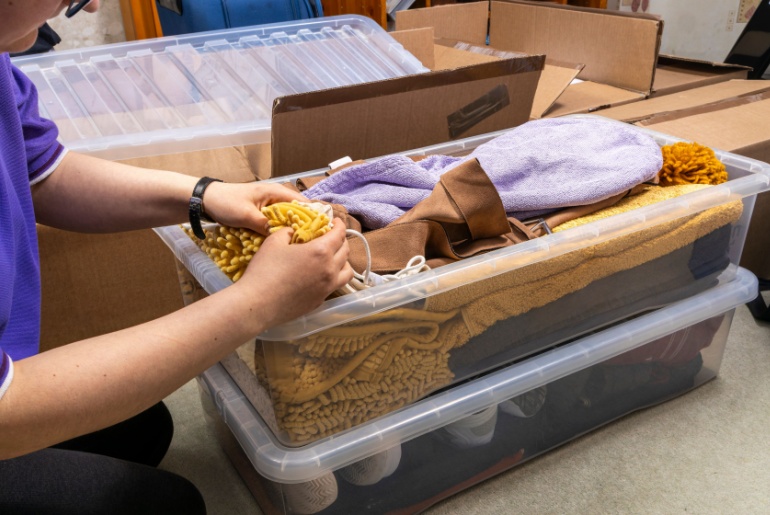
In the case of clothes, using wardrobe boxes is recommended, as hanging your clothes inside will ensure that they retain their shape in the long run. Dresser drawers and cedar chests can be filled with linens, clothing, and many other items in order to maximize space.
Add at least one aisle to your storage unit for easier access
While plotting the layout of your storage space, first consider what items you’ll need access to. Creating a walkway in the unit for accessing your items at the back is vital since, otherwise, you will have to move everything out of the way, which can take time and can damage some items.
Having an aisle down the middle of your unit can ensure that it won’t turn into a maze you don’t want to go through. It might seem like you’re wasting precious space at first, but it’s well worth it in the long run.
Additionally, your belongings should be able to “breathe,” especially if you don’t have a climate-controlled rental. Air circulation is important; thus, leaving some open space down the middle and close to the walls can guarantee improved ventilation.
Consider upgrading to a larger storage unit or a climate-controlled one
It is easy to get a small space filled up with unused personal belongings, so much so that you realize you’re running out of space. When in doubt, go bigger! An over-full unit can present many problems, and the manager of the storage facility could probably provide you with some valuable advice on the type and size of unit you need.
No matter how much of a Tetris master you are, sometimes you simply have too much stuff to store away. To find out what particular size you might need, you can do a trial by using our unit size calculator.
An argument can also be made for how beneficial climate-controlled storage is. Sensitive items can easily get damaged, especially in the case of long-term storage and challenging environments with high fluctuations of temperatures and humidity levels. You will find that saving your valuables from moisture- and temperature-related damage is worth the few extra bucks. Plus, renting a climate-controlled space will save you the trouble and effort of packing your belongings for maximum protection.
Your storage unit can be the Bermuda Triangle of belongings, or it can be the backstage closet where everything waits neatly for its cue. The difference only lies in a little organization.
Clean the stage, stack heavy on the bottom and light on top, and break down furniture so it fits the scene. Give your boxes some personality with colors or numbers, and map the space so you never feel lost and buried in your own items. Organizing smart means making your storage work for you, not against you.


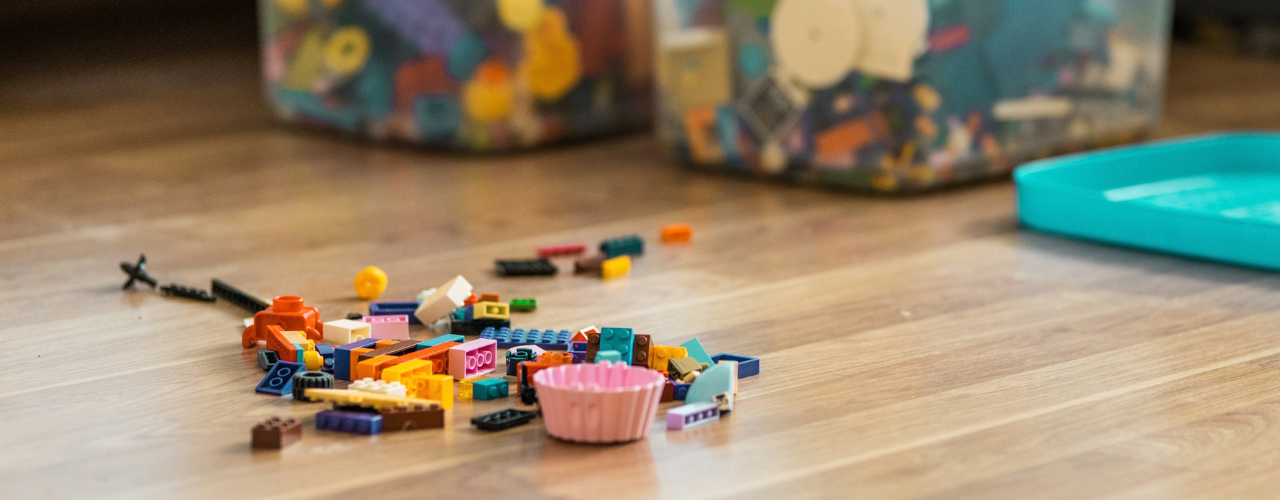
How to Store LEGOs: All the Fun, None of the Clutter
How to store LEGOs largely comes down to how your household uses them. If the bricks are part of everyday play, you need a setup that keeps them within easy reach and makes cleanup quick (for your feet’s sake, at least). Toy storage(opens in new tab) such as simple bins, playmats or containers that children can put away themselves may be enough. Larger or more serious collections usually need more organization, such as labelled drawers for loose pieces, trays for unfinished builds, shelves for completed models and separate storage for retired sets.

Cardboard Costume Guide: Tips and Ideas for a DIY Halloween
Whether for kids or adults, cardboard costume ideas often make the biggest splash once materialized, and that’s for a simple reason: doing a lot with a little is a universally impressive feat (especially in this economy). If you don’t have enough boxes you could temporarily repurpose, don’t worry! There are many places where you can find free moving boxes(opens in new tab), from stores and supermarkets to online groups and recycling drop-off spots. On the run? Try your luck at a self storage(opens in new tab) facility that sells moving supplies, often for cheap. This way, you can choose moving boxes of different shapes and sizes(opens in new tab), so you can make your costumes as complex as you want.

How to Celebrate Halloween: 9 Non-Spooky Ways To Enjoy It
As soon as October starts, it’s the official Halloween month. And while for many people it means it’s open season to get the scare of a lifetime, others, especially families with small children, might prefer to celebrate in a tamer way that’s both kid- and adult-friendly. While you’re likely to find more events where the spook factor is high, here’s how to celebrate Halloween in a not-so-scary way:

Motorcycle Storage Guide: How to Store Your Bike Safely
Motorcycles may be born to be wild, but eventually even the wild ones need somewhere to park. Whether riding season is winding down or your current living situation comes with plenty of square footage for you and less for your bike, motorcycle storage is one of those parts of ownership that doesn’t get as much airtime as the open road.

Halloween Decorating on a Budget (And Cheap Ideas for Everything Elsee)
Halloween has crept a long way from its eerie origins. While All Hallows’ Eve has transformed through the centuries, it wasn’t until the 1930s that trick-or-treating became a tradition in the U.S. and businesses began conjuring up mass-produced Halloween costumes. Now, Halloween is a monster-sized, billion-dollar industry, with a cauldron full of costumes and decorations ranging from the mainstream to the macabre. But is it all really worth your wallet? Maybe, but we’ll let you in on a little secret: You can keep your Halloween decorating on a budget and save on everything else, too. Take this plan and see it through!

Moving From a House to an Apartment: What to Expect, How to Downsize & How Self Storage Helps
For some, moving from a house to an apartment is a financial decision. For others, it’s about simplifying life. Maybe the kids have moved out and half the house sits empty, or you’re approaching retirement and no longer want to spend weekends on repairs. Or perhaps you’ve been weighing the cost of buying a home and wondering whether renting simply makes more sense right now.
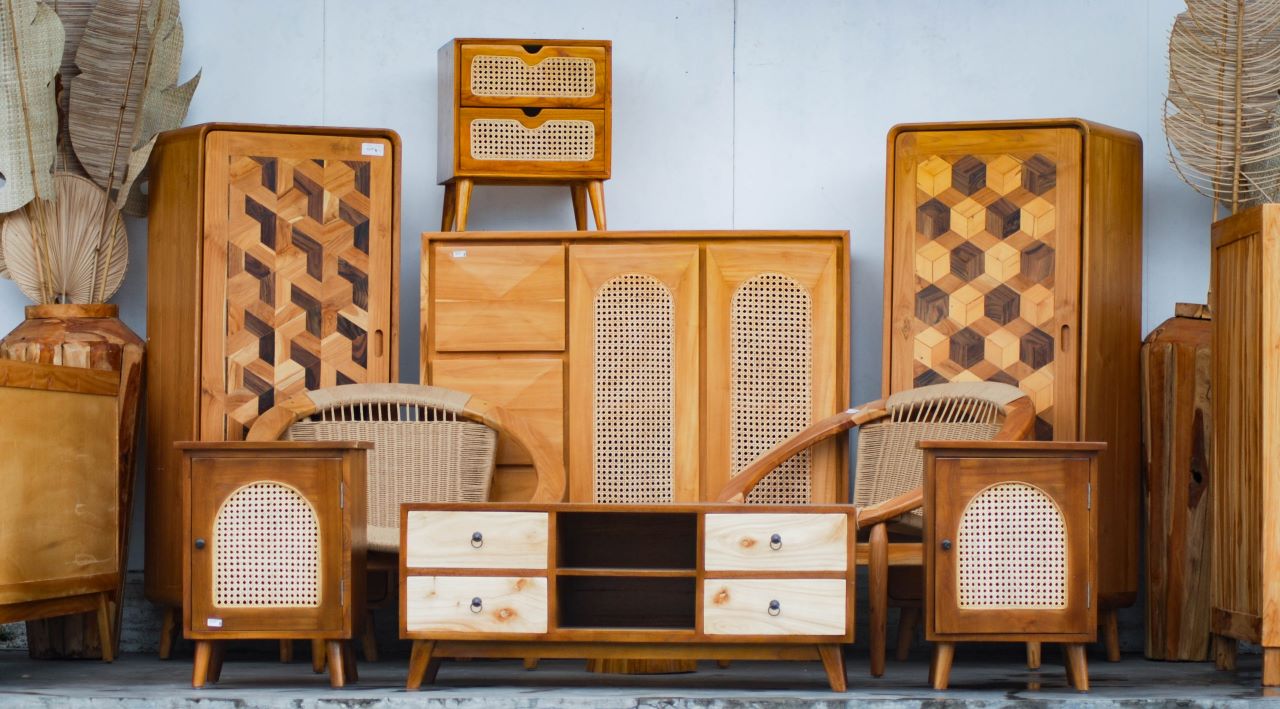
Family Heirlooms Overload: How to Handle Family Inheritance Without Regret
Handling family heirlooms after a loss requires managing legal authority, emotional pressure and practical logistics at the same time, and the order you take them on matters more than most people expect.
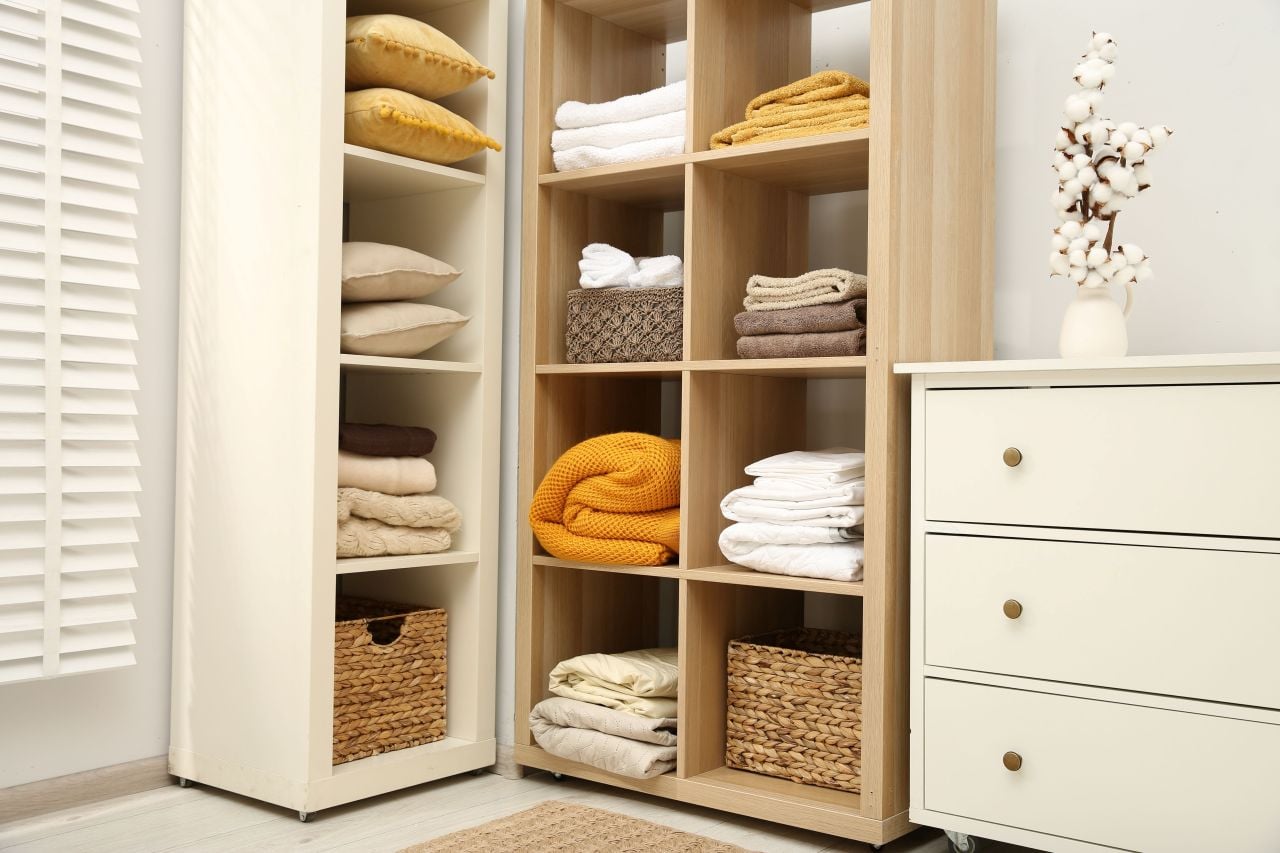
Blanket Storage: The Right Method for Every Space and Season
Blankets make our lives cozier, and storing them well is what keeps them soft and comfortable in the long run. Knowing how to store a blanket properly means your favorites come out of storage smelling fresh, feeling the same as when they went in, and lasting years longer than they otherwise would.

Board Game Storage Ideas That Keep Your Collection in Fighting Shape
Nobody warns you that getting into board games usually unlocks a second hobby, the much dreaded one that includes figuring out where on earth to put them. One game becomes a few, expansions start spawning beside their base boxes and before long, board game storage requires as much strategy as whatever is waiting on the other side of those lids.