

You might have heard the name or you might have seen them popping up in your Pinterest feed, but you are probably still unsure what the term actually entails, especially if you’re not familiar with all the various types of buildings out there. Well, this unusual linguistic blend of words means exactly what it sounds like: a barn converted into a living space. At first, it might sound odd, but after some research you’ll find that barndos are actually extremely affordable, energy-efficient and low-maintenance homes.
When Did Barndominiums Start to be a Thing?
The exact origin of this trend is unknown, but it’s safe to say that the whole idea didn’t come up sooner than the 21st century, when this concept referred strictly to barns transformed into living spaces, without the features that a modern barndominium might include, such as plumbing, energy-efficient windows or foam insulation.
The term started being acknowledged by many after the popular American TV show Fixer Upper focused on the ‘farmhouse chic’ style in one of season 3’s episodes. Chip and Joanna Gaines reimagined the 1980s barn that already had an apartment upstairs by remodeling it to create a two-story, 2,700 sq. ft. home. The five-bedroom barndominium in Texas comes with a stunning contemporary interior design and 16 acres of private land. Even though most typical barndominiums are not as luxurious as this one and they don’t come with private lake access and a charming Dutch roof, the show certainly increased the popularity of this type of building and created a social media buzz.
What Are the Pros and Cons of Living in a Barndominium?
The Pros
The most important appeal of going with a barndominium is the affordability. Generally, it costs less to build a barn home from the ground up or to restore an old warehouse than it does to build a traditional house. However, prices can vary significantly depending on the features you select, the materials, the square footage and the finishing touches. Purchasing a kit is the cheapest way to build a barndominium, which would give you the opportunity to put it together yourself or with a contractor’s help.
One other major advantage of opting for a barndo is the strength of a metal structure. Even though, traditionally, houses have very often been built out of wood, metal barn homes provide greater protection against storms or even earthquakes, they’re not combustible and so will not burst into flames the way a wooden structure would, and they are less likely to attract pests such as termites.
Apart from being cost-effective and sturdier than regular houses, barndominiums offer an incomparable openness of design. The big living spaces feature high ceilings and a clear flow of light, which ensures that you’ll never feel cramped in any way. You have freedom to divide your space any way you like and arrange your furniture and décor to fit your own style. You can get into the rustic design trend, opt for a minimalistic approach, or go for a glamorous Art Deco style to satisfy your eclectic tastes.
The Cons
On the other hand, if we take a look at the disadvantages of living in a barndominium, the first thing to be mentioned is that they transfer a lot of sound from the outside. Since most of them are made of steel, including the roof, any noise that comes from the outside tends to be louder, and that might be slightly inconvenient when it rains.
Another possible disadvantage is that most barndominiums are single-story, warehouse-style homes, because the metal structures do not work well for a multi-story building. As an alternative, you could have an extended loft with an open second floor as part of the interior design.

In many ways, choosing a barndominium means getting ‘the best of both worlds,’ because you end up with a durable, long-lasting home which requires little maintenance. If you want to live in a unique home that brings you closer to the countryside but with a touch of modernity, a barndo seems like a reasonable choice. The idea of living in a barndominium is not as crazy as it seems, and the possibilities of making a comfortable living space out of a barn are greater than ever before.
How Do You Build a Barndominium?
Building a barndominium is becoming an increasingly trendy DIY challenge especially for those interested in unconventional homes. Whether you want to go for large or small, opting for a barndo means you can build a house that fits any property. There are many companies who specialize in barndo kits that you can easily customize into your dream home, but you can also choose the more old-fashioned way and bring an old barn up to the codes required for residential living.
Most builders agree that the first step you must take in a barn-to-barndo conversion is to raise it a couple of inches off the ground and pour a cement foundation underneath. Secondly, considering that the old building’s original framing is not as strong as it should be, you’ll want to replace most of it and incorporate some modern materials. The third main step is reroofing your future home, because you certainly want a well-built covering that prevents heat from escaping and seals up leaks. Are you exhausted yet?
Once you’re done with the barn’s foundation, structure and exterior, it’s time to install what you need inside the walls, such as pipes, heating and cooling systems or wiring. Chances are you’ll be adding bathrooms and a kitchen, so this step will take some thoughtful planning. Last but not least, you’ll have to figure out the interior design and install flooring cabinets, ceilings and whatever else you might want in your delightful, well-organized new home.
All in all, whether you want to do the work yourself or hire builders for some extra help, building a barndominium takes work and planning, but the outcome is impressive.

If you’re up for an unconventional way of living and you’re looking for a barndominium in Texas, we’ve compiled a list with four of the most appealing barndos that are for sale there:
1. 6864 S FM 51, Paradise, Wise County, TX 76073
This charming barndominium comes with a well-constructed steel frame, a metal roof, and a beautiful porch for enjoying the outdoors. The interior features include laminate flooring, a vaulted ceiling, a central furnace, central A/C and new appliances to ensure your overall comfort.

Image courtesy of Parker Properties via Point2Homes.com
2. 1058 Frelsburg Road, Alleyton, Colorado County, TX 78935
In Colorado you can enjoy the serenity of country life in this gorgeous barndo. The two-story living area is spacious and full of character, with a kitchen that has custom cabinets built with long leaf pine wood.

Image courtesy of Texas Land Group via Point2Homes.com
3. 1951 S Hamilton Road, Graham, Young County, TX 7645
This beautifully decorated country escape presents a barndo with a spacious living area, a barbecue area, a swimming pool and a charming porch. The open concept living and kitchen provide a lot of space for entertainment and family gatherings.

Image courtesy of Fathom Realty, LLC via Point2Homes.com
4. 511 Wimberley Oaks Drive, Wimberley, Hays County, TX 78676
This beautiful property located on 5+ acres of land offers great views over a stunning cattle ranch, while the spacious interior with high ceilings and wooden furniture creates a unique country atmosphere.

Image courtesy of Century 21 Randall Morris & As via Point2Homes.com
If you’re looking for a place to store your stuff during the building process or if you want a safe place to deposit some of your extra belongings while you move, browse through the listings on STORAGECafé and find your ideal storage unit.


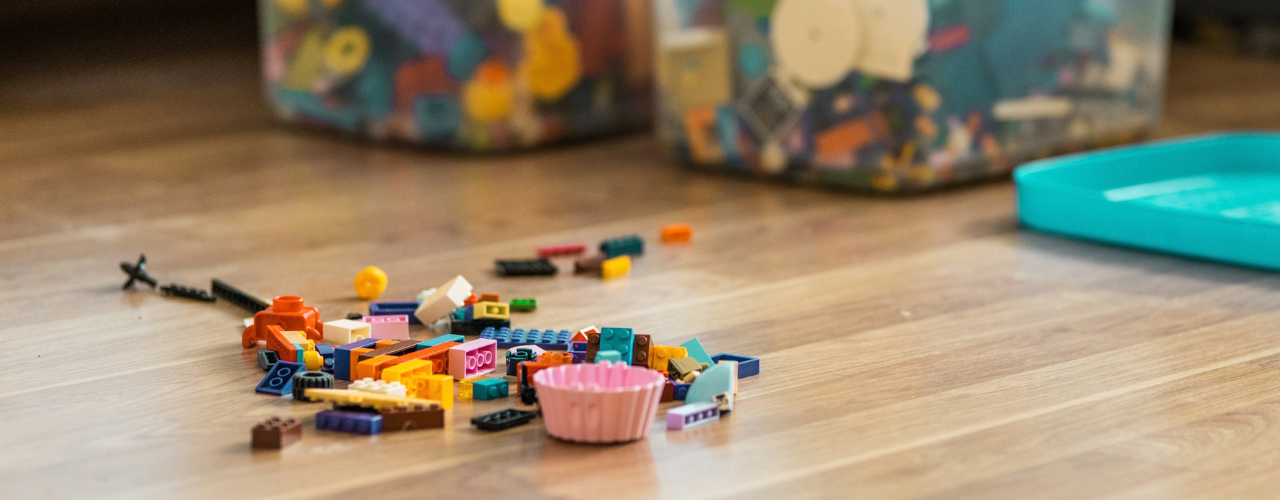
How to Store LEGOs: All the Fun, None of the Clutter
How to store LEGOs largely comes down to how your household uses them. If the bricks are part of everyday play, you need a setup that keeps them within easy reach and makes cleanup quick (for your feet’s sake, at least). Toy storage(opens in new tab) such as simple bins, playmats or containers that children can put away themselves may be enough. Larger or more serious collections usually need more organization, such as labelled drawers for loose pieces, trays for unfinished builds, shelves for completed models and separate storage for retired sets.

Cardboard Costume Guide: Tips and Ideas for a DIY Halloween
Whether for kids or adults, cardboard costume ideas often make the biggest splash once materialized, and that’s for a simple reason: doing a lot with a little is a universally impressive feat (especially in this economy). If you don’t have enough boxes you could temporarily repurpose, don’t worry! There are many places where you can find free moving boxes(opens in new tab), from stores and supermarkets to online groups and recycling drop-off spots. On the run? Try your luck at a self storage(opens in new tab) facility that sells moving supplies, often for cheap. This way, you can choose moving boxes of different shapes and sizes(opens in new tab), so you can make your costumes as complex as you want.

How to Celebrate Halloween: 9 Non-Spooky Ways To Enjoy It
As soon as October starts, it’s the official Halloween month. And while for many people it means it’s open season to get the scare of a lifetime, others, especially families with small children, might prefer to celebrate in a tamer way that’s both kid- and adult-friendly. While you’re likely to find more events where the spook factor is high, here’s how to celebrate Halloween in a not-so-scary way:

Motorcycle Storage Guide: How to Store Your Bike Safely
Motorcycles may be born to be wild, but eventually even the wild ones need somewhere to park. Whether riding season is winding down or your current living situation comes with plenty of square footage for you and less for your bike, motorcycle storage is one of those parts of ownership that doesn’t get as much airtime as the open road.

Halloween Decorating on a Budget (And Cheap Ideas for Everything Elsee)
Halloween has crept a long way from its eerie origins. While All Hallows’ Eve has transformed through the centuries, it wasn’t until the 1930s that trick-or-treating became a tradition in the U.S. and businesses began conjuring up mass-produced Halloween costumes. Now, Halloween is a monster-sized, billion-dollar industry, with a cauldron full of costumes and decorations ranging from the mainstream to the macabre. But is it all really worth your wallet? Maybe, but we’ll let you in on a little secret: You can keep your Halloween decorating on a budget and save on everything else, too. Take this plan and see it through!

Moving From a House to an Apartment: What to Expect, How to Downsize & How Self Storage Helps
For some, moving from a house to an apartment is a financial decision. For others, it’s about simplifying life. Maybe the kids have moved out and half the house sits empty, or you’re approaching retirement and no longer want to spend weekends on repairs. Or perhaps you’ve been weighing the cost of buying a home and wondering whether renting simply makes more sense right now.
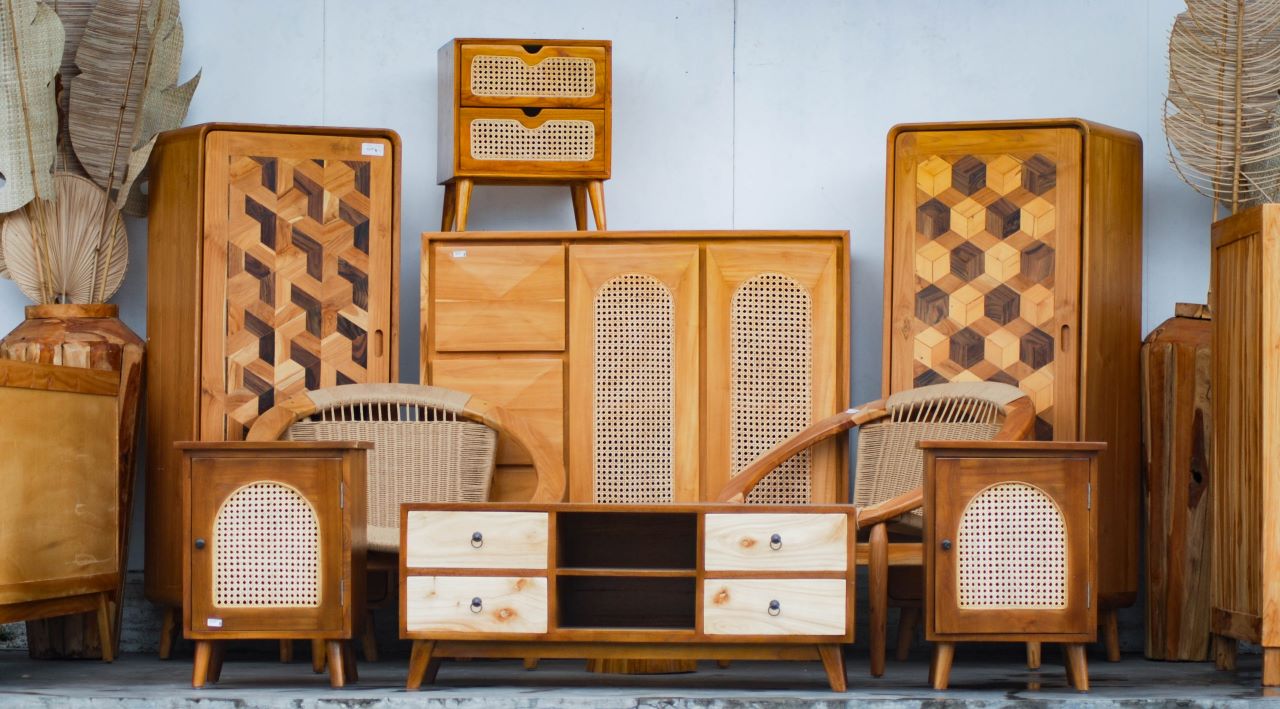
Family Heirlooms Overload: How to Handle Family Inheritance Without Regret
Handling family heirlooms after a loss requires managing legal authority, emotional pressure and practical logistics at the same time, and the order you take them on matters more than most people expect.
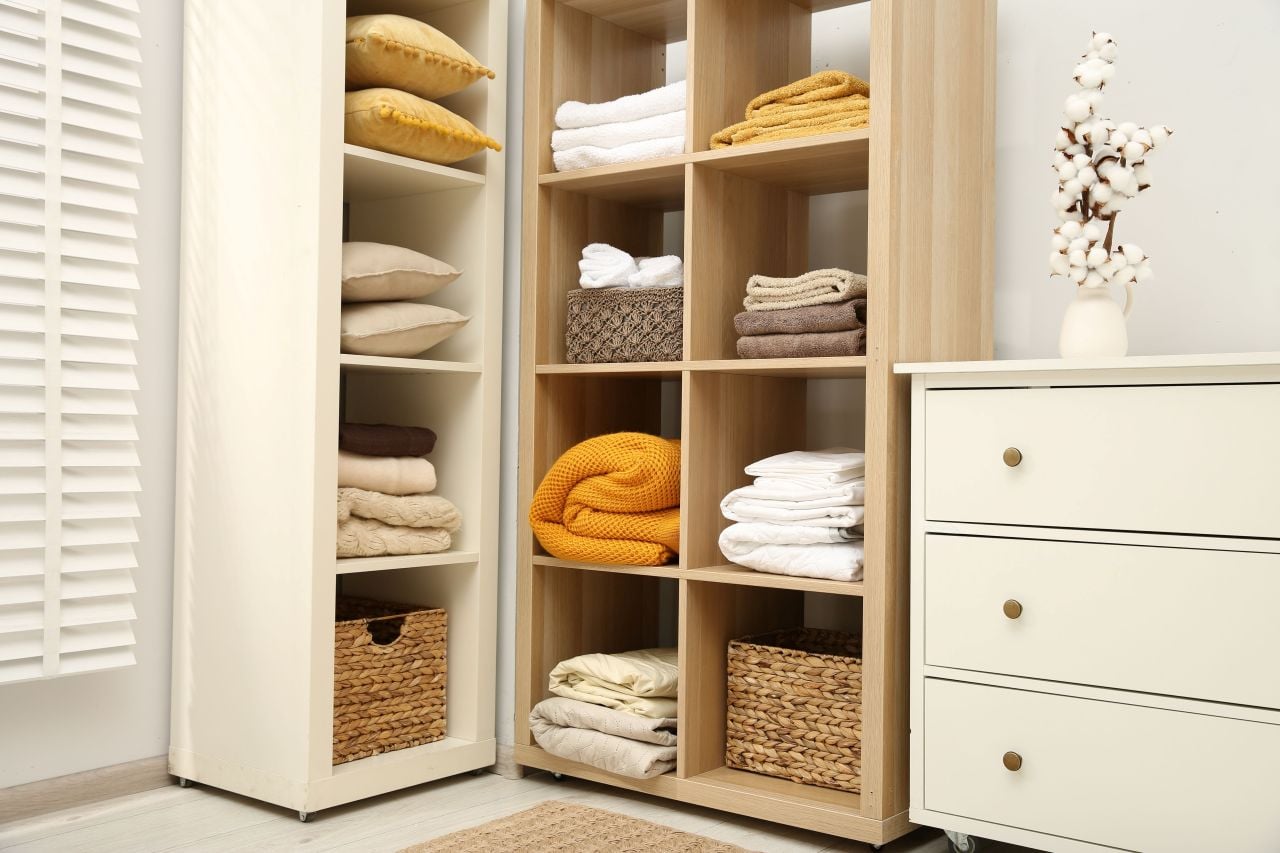
Blanket Storage: The Right Method for Every Space and Season
Blankets make our lives cozier, and storing them well is what keeps them soft and comfortable in the long run. Knowing how to store a blanket properly means your favorites come out of storage smelling fresh, feeling the same as when they went in, and lasting years longer than they otherwise would.

Board Game Storage Ideas That Keep Your Collection in Fighting Shape
Nobody warns you that getting into board games usually unlocks a second hobby, the much dreaded one that includes figuring out where on earth to put them. One game becomes a few, expansions start spawning beside their base boxes and before long, board game storage requires as much strategy as whatever is waiting on the other side of those lids.