

The word “insurance” immediately strikes up thoughts of cars and houses as well as less tangible but infinitely more important things like health and life. But don’t forget about the items in your life that you care about. Putting something like furniture, clothes or appliances in self storage doesn’t signify a lack of care for them, but rather the commitment to continue keeping and caring for them in the future. Self storage insurance is just the next logical step! However, there are things you should know before signing on the dotted line.
To navigate this important step, we’ve reached out to Bill Howe, manager at Yardi’s Risk Management Solutions department and specifically the GoodShield Storage Protection division. GoodShield offers protection for self storage tenants against damage or loss of stored belongings due to fire, smoke, lightning, wind, water damage and theft.
Many questions regarding self storage insurance are answered with “first check the details of your policy.” Policies can vary by insurance company, and legal definitions can vary by state, so it’s often hard to give universal answers to some questions. But what are some of the universal things people should avoid when shopping for storage insurance, regardless of company or state?
Avoid any coverage that sounds too good to be true. This is a basic rule in insurance, especially when it covers multiple subjects like commercial fleet insurance and self-storage insurance. Also avoid large coverage amounts with minimal premiums, policies that do not cover theft, or coverage that is not enough to cover ALL of what you have stored. Do not accept a policy that doesn’t offer “Replacement Cost” (RC) instead of “Actual Cash Value” (ACV) coverage.
Homeowner’s or renter’s insurance can cover some stored items up to a certain percentage. Is this enough for most storage users?
This depends on the total value of the items in storage. Most renter’s policies traditionally provide 10% of the policy’s total limit for contents/personal belongings off premises. So, if a policy has a contents coverage amount of $10k, any loss to items off-premises from the covered dwelling would only be covered up to $1,000. However, many policies specifically exclude items that are stored in a professional storage facility. So always check your policy and speak with your agent / representative to make sure your policy will cover these items.
Many storage facilities offer their own storage insurance. Is it usually better to go with this option or to go with a third party?
Storage facilities that offer their own coverage are an easy and convenient way to cover your stored items. However, this also always depends on the company that actually underwrites the insurance. Just be sure that the coverage offered is from a reputable insurer. In addition, it can be very difficult to obtain third party coverage specifically and only for stored items without purchasing an Inland Marine policy, which tends to be more expensive.
Some self storage users live in areas with high risks of earthquakes, floods, hurricanes, wildfires and so on. What should they expect when looking for storage insurance?
Earthquake is usually an excluded peril on these policies. However, it is available in high-risk areas. Flood coverage is also usually available, and wind is usually a standard covered peril. Policies usually cover fire, regardless of the source. In some areas, you can add additional endorsements to cover some of these items. It very much depends on the location.
Can you tell us a bit about the specifics of vehicle storage insurance and how it applies to vehicles that are declared legally off the road?
This all depends on the policy; some policies specifically exclude motorized vehicles. This is truly a case of checking the policy to make sure those items are covered and not excluded.

What advice do you have for those who need to store more valuable items, like jewelry or art? How often does the renter need to contact an evaluator when insuring such items?
Owners need to cover items such as these under an endorsement to a homeowners or renters policy; storage insurance will have small limits for these items if any coverage at all. There may be limits as to what, and how much, you can add to this coverage. There are also stand-alone policies in the marketplace that are available specifically for these items. Usually this will be via an Inland Marine policy. Also, this will almost always require recent professional appraisals for all “high-risk” (high-theft/high-value) items.
A quick scenario: A storage user fails to pay rent on their unit for several months, and the facility, after exhausting all legal recourse, decides to auction off or otherwise dispose of the contents of said unit. The items are still covered by a third party insurance policy, which the user still pays. What happens?
This is a very tricky question. Since the user is under contract and the owner / operator has the legal recourse to sell or dispose of the property, coverage will not come into play for these items. Also, the user would NOT be able to claim the items as lost or damaged. The policy in place would essentially be void due to a breach of contract with the owner/operator.
Can you tell us a little more about GoodShield and what it does differently from other insurance policies?
The most important differentiator between GoodShield and other programs is our proprietary integration within the facility management software platform. This greatly reduces the work for the on-site storage staff and provides immediate turnkey coverage for renters. The advantage is smooth, “hands-off” policy integration and management, as the system does most of the work. In addition, all renters are pre-approved and there are no underwriting questions or credit checks. The claims process is also streamlined and faster. All of this makes the program exceptionally convenient for both the renters and the on-site facility users.

If you’re currently looking for a self storage unit, be sure to check out storage facilities near you and use the included contact number to get all the details related to insurance and amenities.
The goal of any insurance policy is to make the unexpected a little less so, no matter what you insure. Take the time to research policies carefully and make sure you know the true value of your belongings and the storage unit size you need. Songwriters and poets love saying “you never know what you have until it’s gone” but good storage insurance says otherwise!


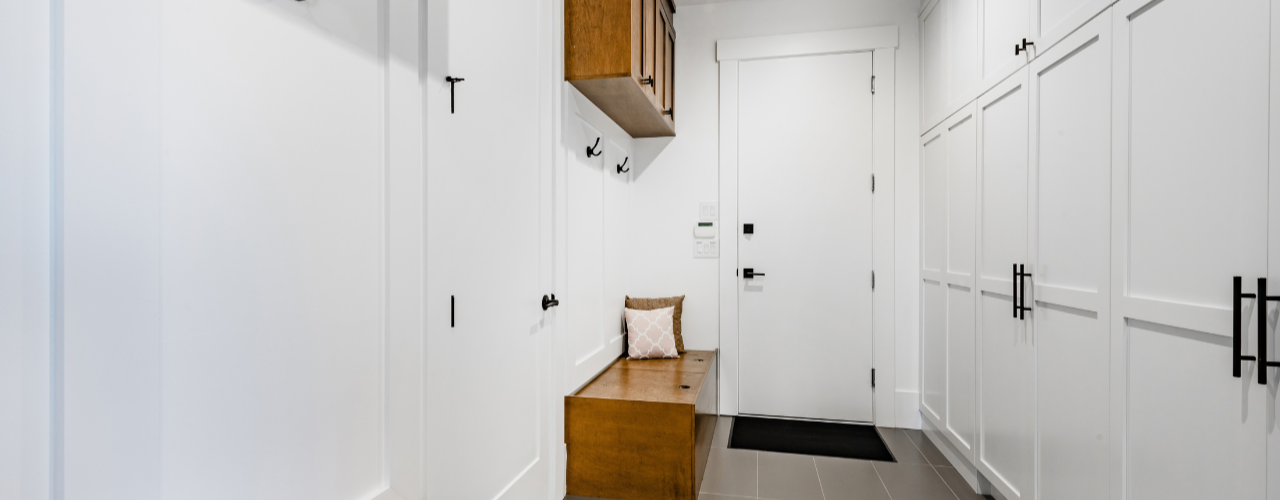
25 Mudroom Storage Ideas (And Mistakes to Avoid)
When you come home with muddy boots, an armful of bags and a coat you can’t wait to take off, it’s nice to have somewhere to put it all. With a mudroom, you can leave the outdoor mess at the door instead of carrying it through the house. Traditionally, you’d set aside a separate room, but you can just as easily use a hallway, an entryway closet, a laundry-room corner or a stretch of wall near the entrance.

Is Your Home Office Worth the Rent? What Coworking and Self Storage Could Save You
Every square foot of your apartment comes with a price tag, and a home office claims more of them than most renters expect. It starts with a desk. Then come the second monitor, the printer, the filing cabinet and the overflow boxes. Before long, the corner you set aside for work has turned into a small room you are paying for every month.

America’s Top Snowbird Destinations for 2026–2027: Florida Leads in Numbers, Texas Wins on Value
For Americans living in colder states, the approach of winter is reason enough to start looking south. Cold weather carries costs that go beyond the heating bill and shoveling snow. Seasonal affective disorder(opens in new tab) is far more prevalent in northern states, so a temporary move south isn’t simply an escape from the cold, but a chance to spend the hardest stretch of winter outdoors and in the sun.
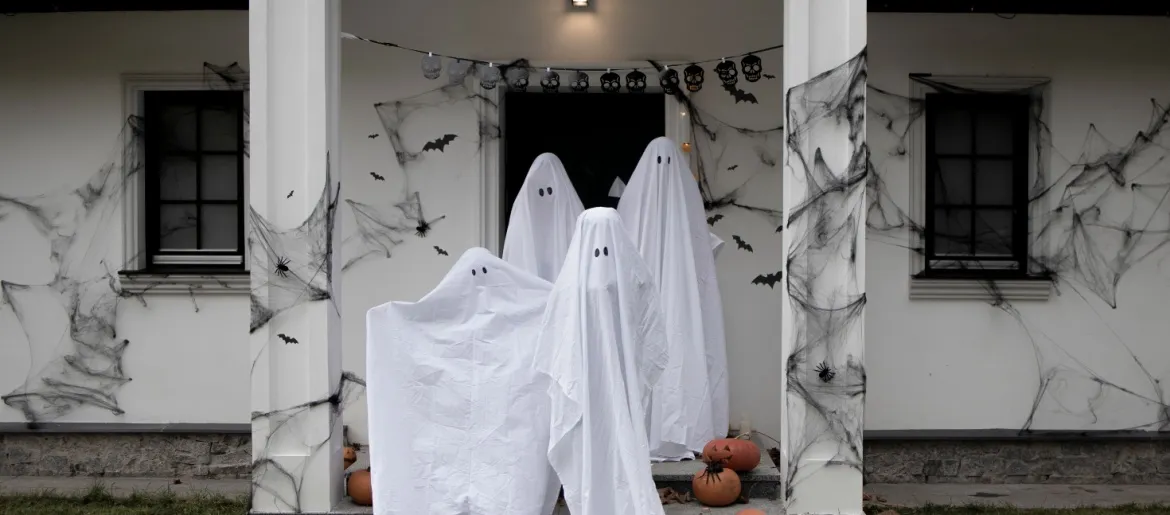
How Much Does Halloween Really Cost in 2026? Plan Wisely to Avoid the Scare of Hidden Costs
Americans’ love for Halloween is almost frightening — this year alone, we are on our way to spending $13.5 billion, according to data from the National Retail Federation(opens in new tab). That breaks down to about $115 Halloween costs per person, a whopping 49% more than 10 years ago.

How to Store LEGOs: All the Fun, None of the Clutter
How to store LEGOs largely comes down to how your household uses them. If the bricks are part of everyday play, you need a setup that keeps them within easy reach and makes cleanup quick (for your feet’s sake, at least). Toy storage(opens in new tab) such as simple bins, playmats or containers that children can put away themselves may be enough. Larger or more serious collections usually need more organization, such as labelled drawers for loose pieces, trays for unfinished builds, shelves for completed models and separate storage for retired sets.

Cardboard Costume Guide: Tips and Ideas for a DIY Halloween
Whether for kids or adults, cardboard costume ideas often make the biggest splash once materialized, and that’s for a simple reason: doing a lot with a little is a universally impressive feat (especially in this economy). If you don’t have enough boxes you could temporarily repurpose, don’t worry! There are many places where you can find free moving boxes(opens in new tab), from stores and supermarkets to online groups and recycling drop-off spots. On the run? Try your luck at a self storage(opens in new tab) facility that sells moving supplies, often for cheap. This way, you can choose moving boxes of different shapes and sizes(opens in new tab), so you can make your costumes as complex as you want.

How to Celebrate Halloween: 9 Non-Spooky Ways To Enjoy It
As soon as October starts, it’s the official Halloween month. And while for many people it means it’s open season to get the scare of a lifetime, others, especially families with small children, might prefer to celebrate in a tamer way that’s both kid- and adult-friendly. While you’re likely to find more events where the spook factor is high, here’s how to celebrate Halloween in a not-so-scary way:

Motorcycle Storage Guide: How to Store Your Bike Safely
Motorcycles may be born to be wild, but eventually even the wild ones need somewhere to park. Whether riding season is winding down or your current living situation comes with plenty of square footage for you and less for your bike, motorcycle storage is one of those parts of ownership that doesn’t get as much airtime as the open road.

Halloween Decorating on a Budget (And Cheap Ideas for Everything Elsee)
Halloween has crept a long way from its eerie origins. While All Hallows’ Eve has transformed through the centuries, it wasn’t until the 1930s that trick-or-treating became a tradition in the U.S. and businesses began conjuring up mass-produced Halloween costumes. Now, Halloween is a monster-sized, billion-dollar industry, with a cauldron full of costumes and decorations ranging from the mainstream to the macabre. But is it all really worth your wallet? Maybe, but we’ll let you in on a little secret: You can keep your Halloween decorating on a budget and save on everything else, too. Take this plan and see it through!