
Boston’s Self Storage Market In 2025: Tight Supply And The Challenges Of Building More

- Boston’s self storage supply is among the lowest in the country, with just 0.7 square feet per capita and no new construction forecast for 2025.
- Rents remain high at around $191 per month, reflecting strong demand and limited space in the city.
- Development patterns across the metro vary sharply, with suburban growth contrasting with urban zoning restrictions and policy limits.
Boston’s self storage market in 2025 reflects the character of the region itself: expensive and constrained by limited space. The city’s tight housing market and prevalence of small-unit living fuel a steady need for off-site storage solutions. Yet new construction is increasingly rare, limited by land scarcity and local zoning and urban planning policies.
In the City of Boston, the supply-demand imbalance is clear in the numbers. The total self storage inventory stands at roughly 643,000 square feet, translating to just 0.7 square feet per capita, one of the lowest ratios in the country. Nearby cities in the metro area, albeit also severely undersupplied, tell a slightly different story: Worcester and Providence increased their inventories more substantially over the past decade.
Self storage construction in Boston grinds to a halt
Boston’s most active period for self storage construction came between the mid-1990s and early 2010s, when more than 560,000 rentable square feet , or nearly 90% of all its existing inventory. came online. Much of this growth came from redeveloping underused industrial parcels and converting older warehouse spaces in neighborhoods such as Dorchester, South Boston, and Charlestown, where land was relatively affordable and zoning rules were more flexible. This period coincided with Boston’s population growth and a rise in rental housing, creating a strong market for new facilities.
Since 2015, however, development has slowed dramatically, with no new self storage projects delivered over the past decade and none expected in 2025. This slowdown reflects Boston’s increasingly built-out landscape, where developable land is limited and construction costs remain among the highest in the country.
However, it also stems from a shift in urban planning priorities. Self storage projects are generally confined to industrial zones and undergo detailed public reviews to evaluate their impacts on traffic, design, and neighborhood fit. These requirements, while not outright prohibitive, add complexity and cost to new developments, contributing to the effective stop in new supply despite ongoing demand.
Low supply keeps rents elevated
Demand for storage in Boston remains robust. The city’s mix of older triple-deckers, brownstones and modern high-rises with minimal storage space ensures continued reliance on off-site units. This results in street rates significantly higher than the national average, at $233 per month, and growing, by 5% year-over-year, despite a longstanding trend of lowering self storage prices nationwide.
The broader metro tells a more nuanced story. Worcester, with more land and lower development costs, added over half a million rentable square feet in the last decade, resulting in a per-capita supply more than four times Boston’s. Rents there are lower — about $144 per month in 2025 — but still well above national averages. Providence followed a similar trajectory, adding space rapidly in the past decade and expanding its inventory by over 63% since 2015, before banning new self storage construction citywide in 2023.
Across other Boston’s suburbs, the approach is more measured. Communities like Quincy haven’t banned self storage but rely on special permits and design reviews to control how and where facilities are built. While these areas have more developable land, local boards increasingly insist on better design, traffic management, and landscaping to ensure storage projects integrate with surrounding neighborhoods.
Suburban towns like New Bedford and Nashua, on the other hand, have consistently delivered self storage supply over the past few years and, consequently, enjoy self storage street rates that are closer to the national averages.
Boston metro area’s self storage market will remain undersupplied in the near term, with few major projects in the pipeline. Future growth, particularly in the city of Boston, is likely to focus on adaptive reuse, infill development, and mixed-use designs that integrate storage with other urban functions. Ultimately, Boston’s self storage sector mirrors the broader forces shaping its real estate market: limited space, intense demand, and a planning framework that demands every square foot serve the city well.
_____________________________
The self storage data in this article comes from Yardi Matrix, StorageCafe’s sister division and a business development and asset management tool for brokers, sponsors, banks and equity sources underwriting investments in the multifamily, office, industrial and self storage sectors.


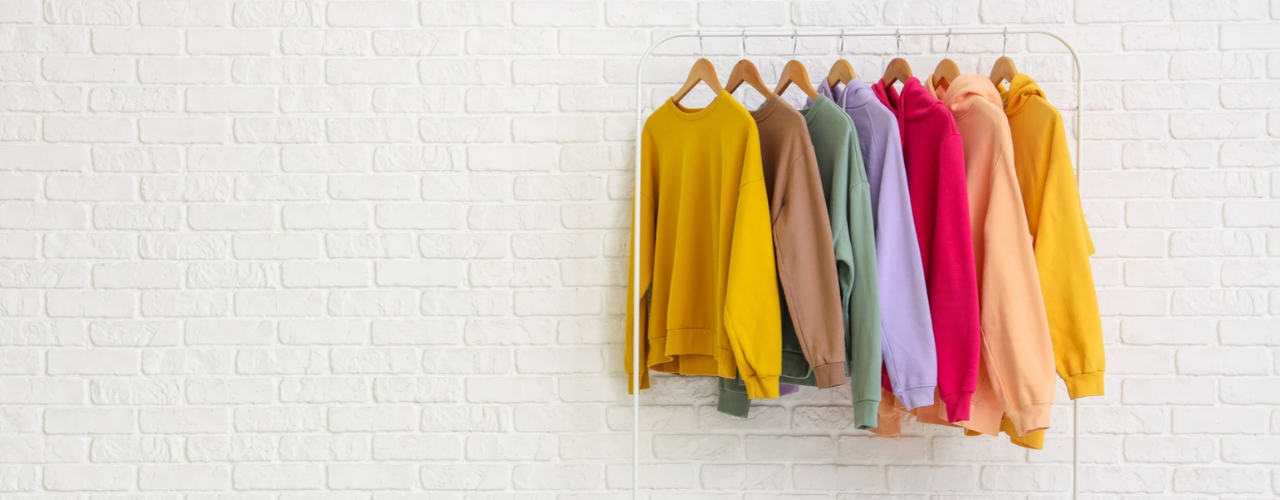
Sweatshirt Storage Ideas Worth Keeping Up Your Sleeve
Sweatshirts are great until you realize how much room they take up. A few thick hoodies can fill a drawer fast, with lighter crewnecks getting squashed underneath or pushed somewhere you forget about. Good sweatshirt storage can make that pile much easier to manage without requiring a bigger closet.
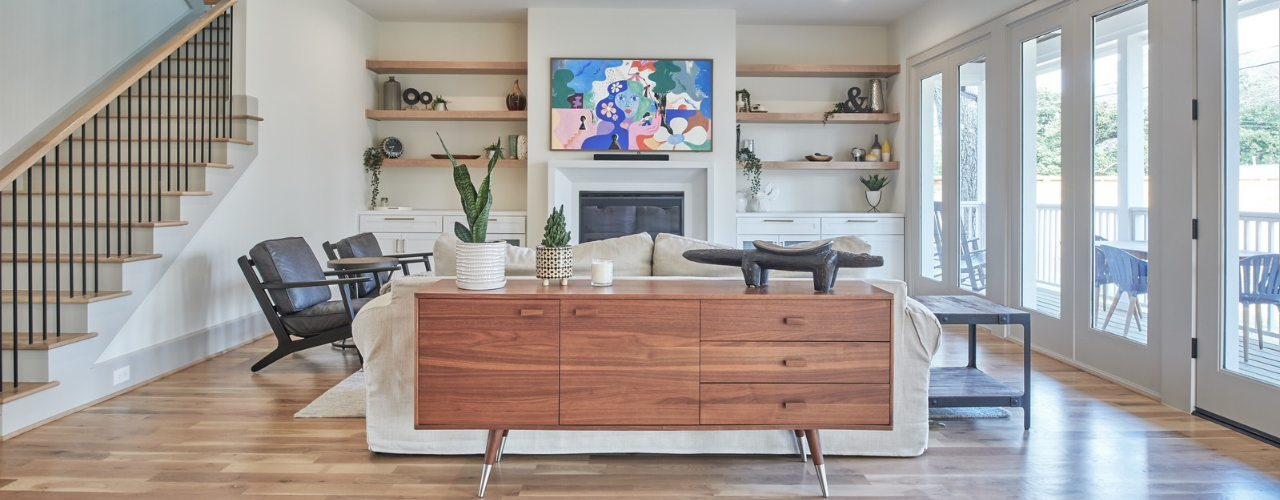
Living Room Storage Ideas: 28 Ways to Reclaim Your Hosting Space
If a living room is where most of a household’s living happens, good storage should be the top priority for setting up or revamping the place. After all, think of how easier it would be to have people over when tidying up the place is just a matter of putting things in their right place (in a time when fewer and fewer people are entertaining friends at home(opens in new tab)). The trick is making room for all those wayward clothes, blankets, chargers and other small things that end up on (or, inexplicably, in) the sofa. Here are 28 living room storage ideas to get you started and make tidying up a quick affair.
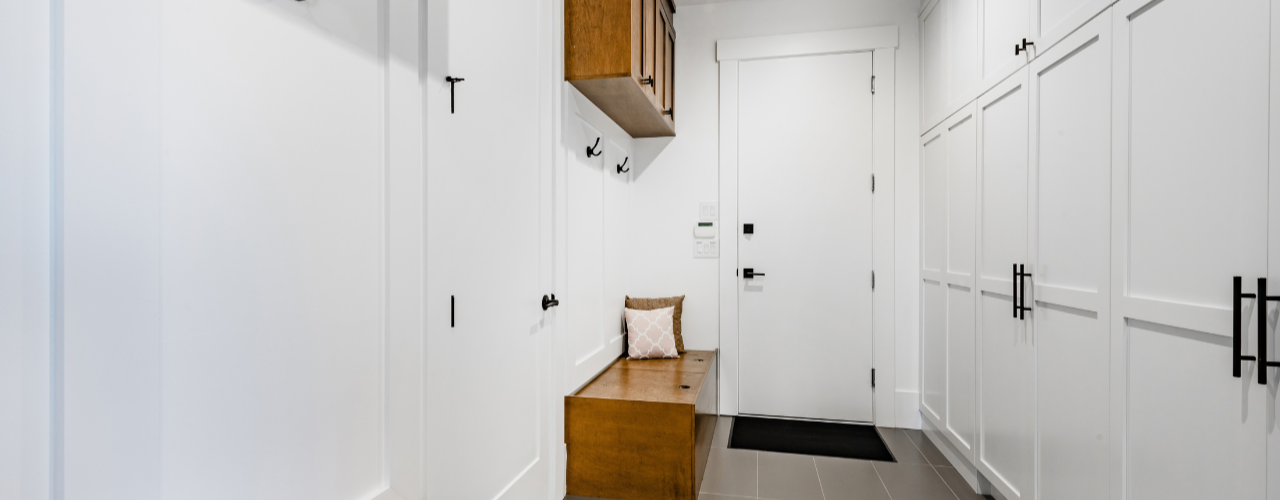
25 Mudroom Storage Ideas (And Mistakes to Avoid)
When you come home with muddy boots, an armful of bags and a coat you can’t wait to take off, it’s nice to have somewhere to put it all. With a mudroom, you can leave the outdoor mess at the door instead of carrying it through the house. Traditionally, you’d set aside a separate room, but you can just as easily use a hallway, an entryway closet, a laundry-room corner or a stretch of wall near the entrance.

Is Your Home Office Worth the Rent? What Coworking and Self Storage Could Save You
Every square foot of your apartment comes with a price tag, and a home office claims more of them than most renters expect. It starts with a desk. Then come the second monitor, the printer, the filing cabinet and the overflow boxes. Before long, the corner you set aside for work has turned into a small room you are paying for every month.

Best U.S. Cities to Live Uncluttered: Plano, TX, Offers the Most Room to Breathe
Clutter is in our homes as much as in our heads. Both are shaped by where we live.

America’s Top Snowbird Destinations for 2026–2027: Florida Leads in Numbers, Texas Wins on Value
For Americans living in colder states, the approach of winter is reason enough to start looking south. Cold weather carries costs that go beyond the heating bill and shoveling snow. Seasonal affective disorder(opens in new tab) is far more prevalent in northern states, so a temporary move south isn’t simply an escape from the cold, but a chance to spend the hardest stretch of winter outdoors and in the sun.

How Much Does Halloween Really Cost in 2026? Plan Wisely to Avoid the Scare of Hidden Costs
Americans’ love for Halloween is almost frightening — this year alone, we are on our way to spending $13.5 billion, according to data from the National Retail Federation(opens in new tab). That breaks down to about $115 Halloween costs per person, a whopping 49% more than 10 years ago.
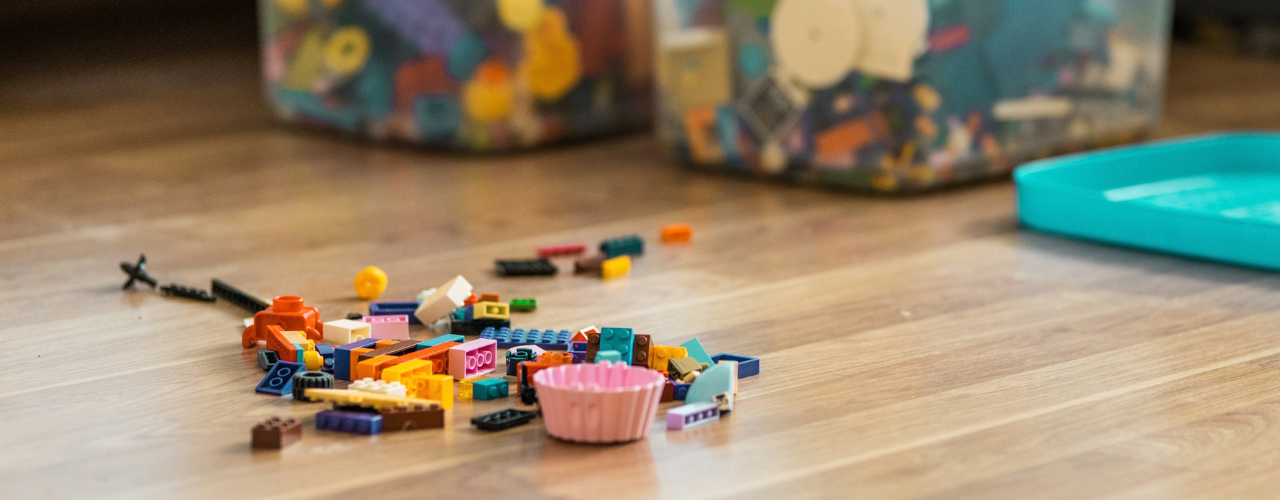
How to Store LEGOs: All the Fun, None of the Clutter
How to store LEGOs largely comes down to how your household uses them. If the bricks are part of everyday play, you need a setup that keeps them within easy reach and makes cleanup quick (for your feet’s sake, at least). Toy storage(opens in new tab) such as simple bins, playmats or containers that children can put away themselves may be enough. Larger or more serious collections usually need more organization, such as labelled drawers for loose pieces, trays for unfinished builds, shelves for completed models and separate storage for retired sets.

Cardboard Costume Guide: Tips and Ideas for a DIY Halloween
Whether for kids or adults, cardboard costume ideas often make the biggest splash once materialized, and that’s for a simple reason: doing a lot with a little is a universally impressive feat (especially in this economy). If you don’t have enough boxes you could temporarily repurpose, don’t worry! There are many places where you can find free moving boxes(opens in new tab), from stores and supermarkets to online groups and recycling drop-off spots. On the run? Try your luck at a self storage(opens in new tab) facility that sells moving supplies, often for cheap. This way, you can choose moving boxes of different shapes and sizes(opens in new tab), so you can make your costumes as complex as you want.