

Key Takeaways
- Clean gear thoroughly before storage: remove dust, oils, and grit, then take out batteries and memory cards to prevent leaks or corruption.
- Use padded bags, foam inserts, or hard cases to protect cameras and lenses from bumps, pressure, and shifts during storage.
- Store lenses upright with the front element facing up to reduce stress on internal mechanisms and minimize dust or moisture buildup.
- Maintain 40-50% humidity and stable room temperature (or cooler/drier for film) using silica gel, dry cabinets, or climate-controlled storage.
- If you put your camera into self storage, opt for a facility with climate control, gated access and surveillance to prevent theft or damage.
Generations of film have been lost because reels were stored in heat, humidity or unstable conditions. The same slow damage shows up with modern digital equipment when camera storage is overlooked, as repair techs see ‘mint‑looking’ cameras destroyed internally by years‑old battery leaks and basement humidity. Learn how to store camera gear properly and your work equipment will stand the test of time until you start shooting again. Here are 5 essential tips for proper camera storage.
1. Clean and prep camera gear before storage
Always clean your gear before putting it away. Use a microfiber cloth on camera bodies, lenses and accessories and proper lens cleaner for glass. Dust, skin oils and grit get trapped inside cases and bins, where they slowly work into seals, mounts and internal components. Also, make sure to remove batteries and memory cards before storage. Batteries can leak or swell even when unused and cards are safer stored separately in labeled cases.
2. Use padding and physical protection
All gear should be stored with padding, even when it is not being moved. Padded bags, foam inserts, wraps and hard cases protect against accidental bumps, pressure from stacking and small shifts during handling. In storage units or shared spaces, padding becomes even more important. Anything that can slide, roll or knock against another item needs added protection to prevent cracked elements or misaligned components.
3. Store lenses upright and supported
Lenses are best stored vertically, with the front element facing up. This reduces long-term stress on internal mechanisms and minimizes the chance of dust or moisture migrating deeper into the barrel. What’s more, heavier lenses benefit from firm support so weight is not resting unevenly over time. Vertical storage works equally well in cabinets, cases and shelving inside storage units.
4. Keep humidity under control to protect your cameras
Humidity is one of the biggest threats to camera gear, especially lenses. Most manufacturers and archivists recommend storing cameras and lenses at roughly 40–50% relative humidity and stable room temperature. If you’re working with film, that prefers cooler, drier environments, ideally under 70°F and around 30–40% humidity.
How you achieve that depends on where you store gear:
- Any setup: A small hygrometer inside the case or cabinet lets you monitor conditions and know when desiccants need replacing.
- At home with air conditioning: Sealed cases or cabinets with silica gel are often sufficient if humidity stays below about 70%.
- Humid, coastal or tropical areas: Dry cabinets or climate-controlled self storage provide far more reliable protection.
5. Consider self storage for climate control and security
When storing high-value camera gear, climate control and security are the most important aspects. Cameras and lenses are far more likely to be damaged by heat, humidity and temperature swings than by simple mishandling. That is why climate-controlled self storage is often the safest option for long-term gear storage. These facilities typically pair stable temperature and humidity with gated access, surveillance cameras and individual unit alarms, which gives you both gear protection and insurance coverage.
Pricing varies by city, but luckily, most camera kits can comfortably fit into the climate controlled 5×5 storage units, which are more affordable and large enough for most camera kits. These types of small storage units in Los Angeles hover around $109, while the same kind of storage units in New York City go for about $83. Other production hubs in the U.S are even more affordable: small, climate-controlled storage units in Atlanta average out at about $58.
Focus on those facilities that offer self storage security features such as gated access, surveillance cameras and individual unit alarms to reduce theft risk. Make sure you choose a good self storage insurance policy, too. Finally, create a simple inventory list of everything you store and keep copies of receipts or appraisals with your insurance policy.
Camera equipment storage: The bottom line
Poor storage has already erased huge parts of film history. Many silent films were lost to oblivion because reels were stored in hot rooms, damp basements or unstable conditions that slowly destroyed them. Nitrate stock decayed, warped or caught fire long before anyone realized what was happening.
Your own work may not feel that distant, but the principle is the same. The footage you are storing today could be your Magnificent Ambersons, something future collaborators, students or audiences wish still existed in its original form. Good storage means your work does not need rescuing later by some future Martin Scorsese or AI company. You learned from the mistakes of the greats and you protected it when it mattered.



Scary Good DIY Halloween Decorations That Won’t Haunt Your Wallet
A few floating candles in the hallway, a family of ghosts by the front door and a suspicious number of bats climbing up the bedroom wall can make October feel a whole lot spookier. While Halloween stores are full of tempting finds, some of the best DIY Halloween decorations can come from things you already have tucked away in drawers, closets or the recycling bin.
Suburban Giants and Urban Risers: Where America’s 100 Largest Metros Fall on the Self Storage Map
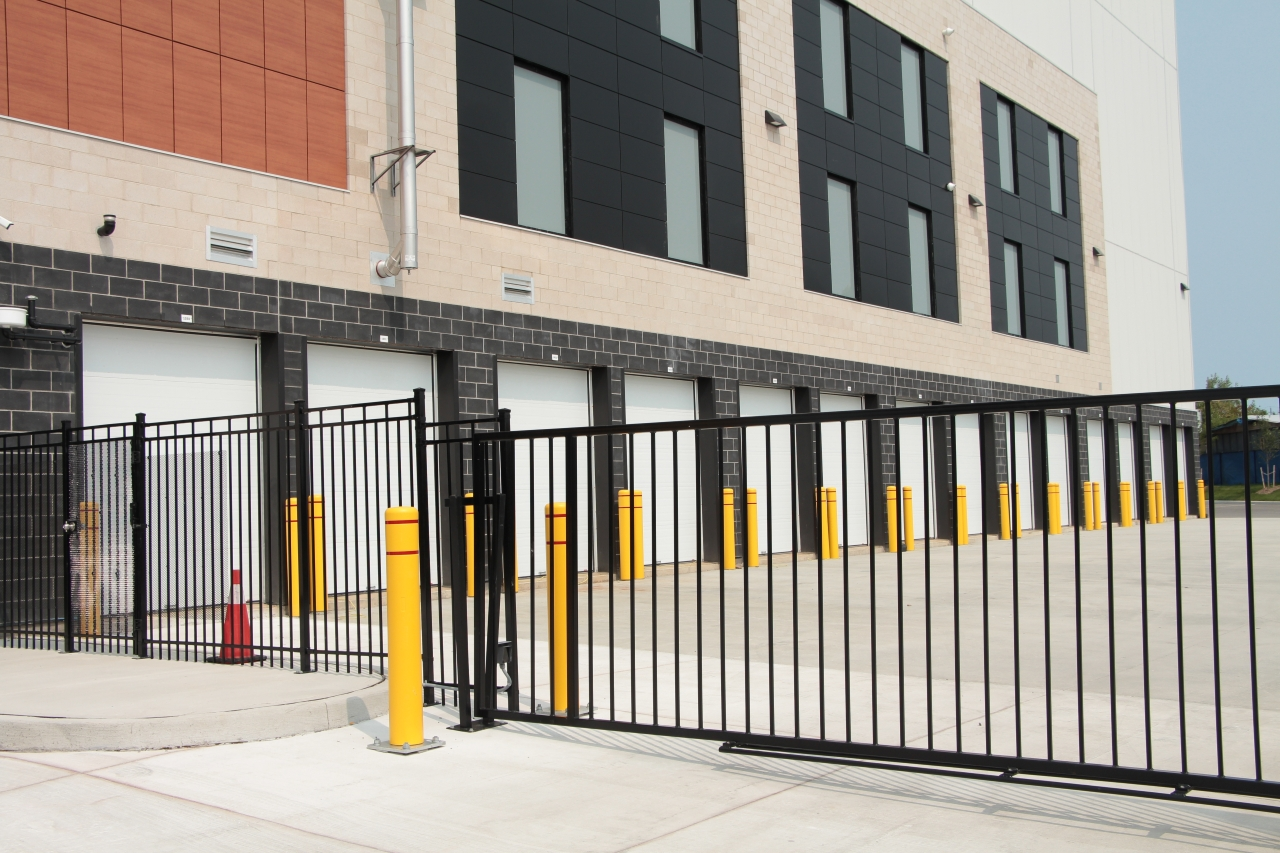
Self storage has long been a suburban story. Across America largest 100 metros, 59% of the inventory built over the past decade sits outside city cores, largely preserving the ratio of the total existing inventory.

Sweatshirt Storage Ideas Worth Keeping Up Your Sleeve
Sweatshirts are great until you realize how much room they take up. A few thick hoodies can fill a drawer fast, with lighter crewnecks getting squashed underneath or pushed somewhere you forget about. Good sweatshirt storage can make that pile much easier to manage without requiring a bigger closet.

Living Room Storage Ideas: 28 Ways to Reclaim Your Hosting Space
If a living room is where most of a household’s living happens, good storage should be the top priority for setting up or revamping the place. After all, think of how easier it would be to have people over when tidying up the place is just a matter of putting things in their right place (in a time when fewer and fewer people are entertaining friends at home(opens in new tab)). The trick is making room for all those wayward clothes, blankets, chargers and other small things that end up on (or, inexplicably, in) the sofa. Here are 28 living room storage ideas to get you started and make tidying up a quick affair.
25 Mudroom Storage Ideas (And Mistakes to Avoid)
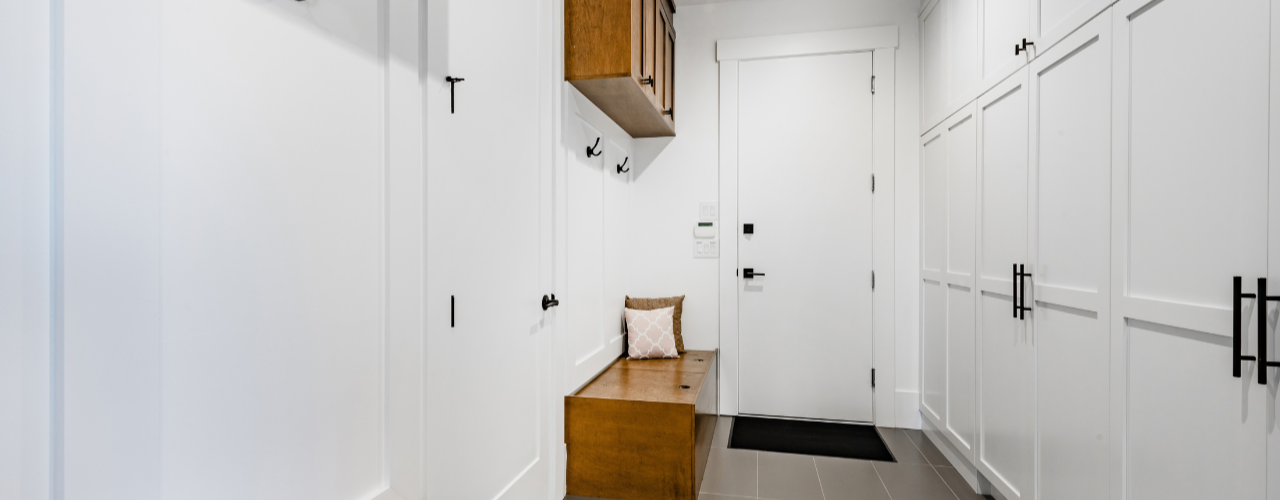
When you come home with muddy boots, an armful of bags and a coat you can’t wait to take off, it’s nice to have somewhere to put it all. With a mudroom, you can leave the outdoor mess at the door instead of carrying it through the house. Traditionally, you’d set aside a separate room, but you can just as easily use a hallway, an entryway closet, a laundry-room corner or a stretch of wall near the entrance.
Is Your Home Office Worth the Rent? What Coworking and Self Storage Could Save You
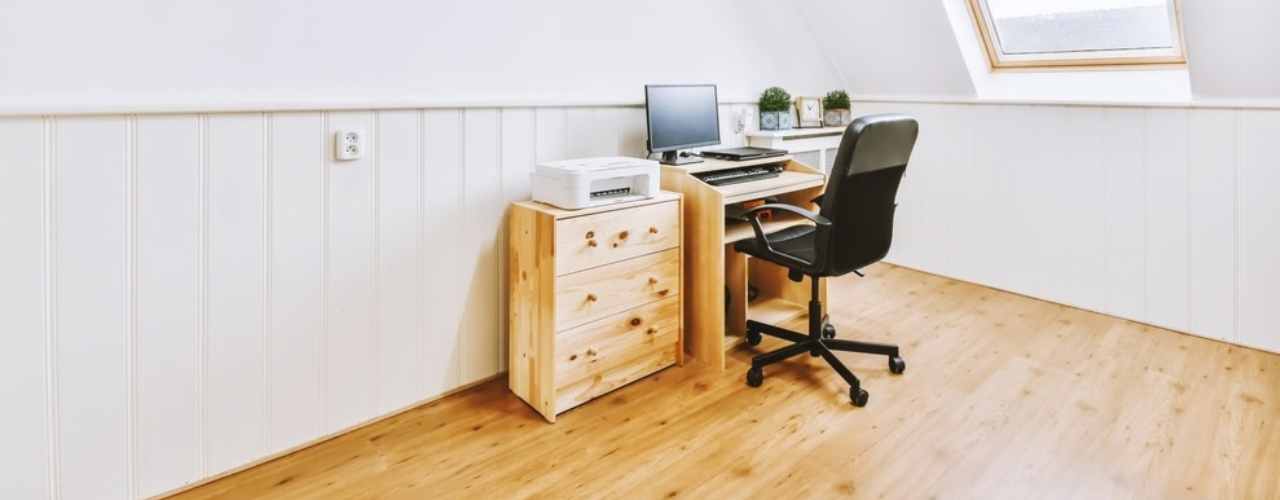
Every square foot of your apartment comes with a price tag, and a home office claims more of them than most renters expect. It starts with a desk. Then come the second monitor, the printer, the filing cabinet and the overflow boxes. Before long, the corner you set aside for work has turned into a small room you are paying for every month.

Best U.S. Cities to Live Uncluttered: Plano, TX, Offers the Most Room to Breathe
Clutter is in our homes as much as in our heads. Both are shaped by where we live.

America’s Top Snowbird Destinations for 2026–2027: Florida Leads in Numbers, Texas Wins on Value
For Americans living in colder states, the approach of winter is reason enough to start looking south. Cold weather carries costs that go beyond the heating bill and shoveling snow. Seasonal affective disorder(opens in new tab) is far more prevalent in northern states, so a temporary move south isn’t simply an escape from the cold, but a chance to spend the hardest stretch of winter outdoors and in the sun.
How Much Does Halloween Really Cost in 2026? Plan Wisely to Avoid the Scare of Hidden Costs
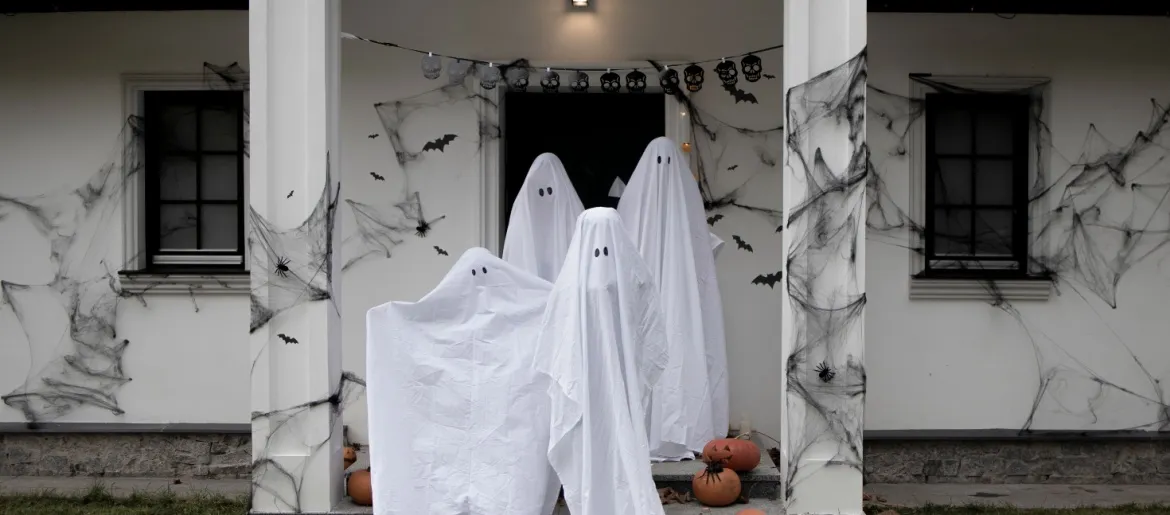
Americans’ love for Halloween is almost frightening — this year alone, we are on our way to spending $13.5 billion, according to data from the National Retail Federation(opens in new tab). That breaks down to about $115 Halloween costs per person, a whopping 49% more than 10 years ago.