

Key Takeaways
- Living in a storage unit is illegal in all U.S. states, as these spaces are zoned for property storage, not human habitation.
- Storage units lack essentials like plumbing, ventilation, and fire safety, so they are unsafe due to extreme temperatures, poor air quality, and trapping risks.
- Legal consequences include eviction, fines, or trespassing charges for tenants, but facility owners are also liable if they allowed someone to live in a unit.
- Call 2-1-1 or visit 211.org for confidential help finding shelters, housing programs, or emergency resources tailored to your location and needs.
- Emergency options include shelters, motel vouchers, rental assistance, and safe-parking programs, with specialized support for veterans, youth, or domestic violence survivors.
It’s a question many people ask: Can you live in a storage unit? The answer is simple, even if the situation isn’t. In the United States, living in a storage unit is against the law. It’s also very unsafe, since these spaces aren’t built for human needs. Most units lack climate control and proper ventilation, and many lock from the outside — all of which can put you at serious risk.
Is it illegal to live in a storage unit?
Yes. Every state enforces the same basic rule: storage units cannot be used as homes. They are zoned and built for storage only, and living in one violates local building, zoning, and health codes. Across the U.S., authorities treat these spaces as commercial properties — not residential dwellings — and the law is clear that human habitation is prohibited.
Some states define these restrictions even more specifically. In California, the Health & Safety Code (§17920.3) makes it illegal to live in any structure without plumbing or ventilation. Texas fire codes forbid any form of heating or habitation inside commercial storage facilities. Meanwhile, Massachusetts applies strict sanitary standards under §105 CMR 410, requiring every livable unit to include water, heat, and basic facilities like a kitchen and bathroom.
Legal consequences of living in a storage unit
Living in a storage unit can lead to eviction, fines, or in serious cases, criminal trespass charges. Property managers are usually required to issue written notices before removing someone, and if the person refuses to leave, a court-ordered eviction — sometimes involving law enforcement — follows.
No state offers exceptions for living in a traditional storage unit, and enforcement is consistent nationwide. Both tenants and facility owners can be held liable if illegal habitation occurs, and most jurisdictions act quickly once it’s discovered.
Why storage units are zoned for property, not people
Put simply, local codes require every livable building to include running water, electricity, ventilation, and fire safety systems. Most storage units have none of these, and lease agreements reflect that — each contract states clearly that tenants may store property only. If someone is found staying in a unit overnight, staff are required to intervene. Most will call local services that can connect people to shelter or housing programs.
The safety risks of living in a storage unit
Temperatures inside a storage unit change fast, especially if it’s not climate controlled. Heat builds quickly in summer and you wind up sitting in 100+ degrees. During winter, metal walls hold the cold, and then you’re dealing with freezing temperatures. Plus, without airflow, air quality falls, and a space heater or cooking stove can turn deadly within minutes.
Then there’s the issue of access. Doors often lock from the outside, so you can get trapped without anyone realizing it. And without plumbing, clean water, or restrooms, illness can set in quickly.
Real help is always available — From the right places
Living in a storage unit is neither safe nor legal. If housing feels uncertain right now, there are established public hotlines and local agencies whose role is to connect people with safer options.
Where to start (anytime, 24/7):
- 2-1-1 (call from any U.S. phone) or 211.org (chat/text in many states) for shelter referrals, basic needs, and local programs.
- Your city or county’s Continuum of Care (CoC) office for coordinated housing assessments and referrals.
- City hotlines during weather emergencies for warming or cooling centers.
What to ask about:
- Emergency or transitional shelters and how intake works.
- Motel vouchers or short-term hotel placements when shelters are full.
- Rental assistance (back rent, deposits, or utility help) and eligibility requirements.
- Safe-parking programs if staying in a vehicle.
- Specialized options for youth, veterans, or survivors of domestic violence.
If calling is hard:
- Use 211.org to start a chat or text session where available.
- Ask a library, community center, or outreach group to help place the call from a quiet space.
Have this handy (if possible):
- Your current location and any safety concerns.
- Deadlines such as eviction dates, checkout times, or weather alerts.
- Basic details for screening: household size, ages, income, veteran status, disabilities, or pets.
Important notes:
- Resource lines are confidential and can provide options even if you don’t have full documentation.
- If anyone is in immediate danger or a medical crisis, call 911.
FAQ: Common questions about living in storage units
Can I legally live in a storage unit?
No. Storage units are commercial properties, not homes, and every state prohibits living in them. They’re zoned for storage, not residential use, and don’t meet housing codes for plumbing, heating, or ventilation. Staying overnight violates both state law and rental agreements.
What happens if I get caught?
You’ll be told to leave right away. Most facilities contact local authorities or outreach services, and you could face fines, trespassing charges, or eviction. Property owners can also be penalized for allowing habitation.
Why is it unsafe?
Storage units lack ventilation, plumbing, and fire protection. Without air, heat, or exits, they can quickly become dangerous or deadly in extreme weather or fires.
Where can I get help right now?
Call 2-1-1 for free, confidential help finding shelter, housing support, or storage options. You’ll be connected to local programs that can assist right away.



Where to Get Moving Boxes in Philadelphia
Philadelphia’s historic charm can put your patience to the test on moving day. Between cobblestone streets, narrow rowhouse entrances and the occasional pothole, your belongings need more than whatever boxes happen to be lying around. Sturdy cartons and plenty of internal cushioning can make the difference between a dish set that survives the move and one that doesn’t. Start gathering your moving boxes early and you’ll have one less box to check off on packing day.

Scary Good DIY Halloween Decorations That Won’t Haunt Your Wallet
A few floating candles in the hallway, a family of ghosts by the front door and a suspicious number of bats climbing up the bedroom wall can make October feel a whole lot spookier. While Halloween stores are full of tempting finds, some of the best DIY Halloween decorations can come from things you already have tucked away in drawers, closets or the recycling bin.
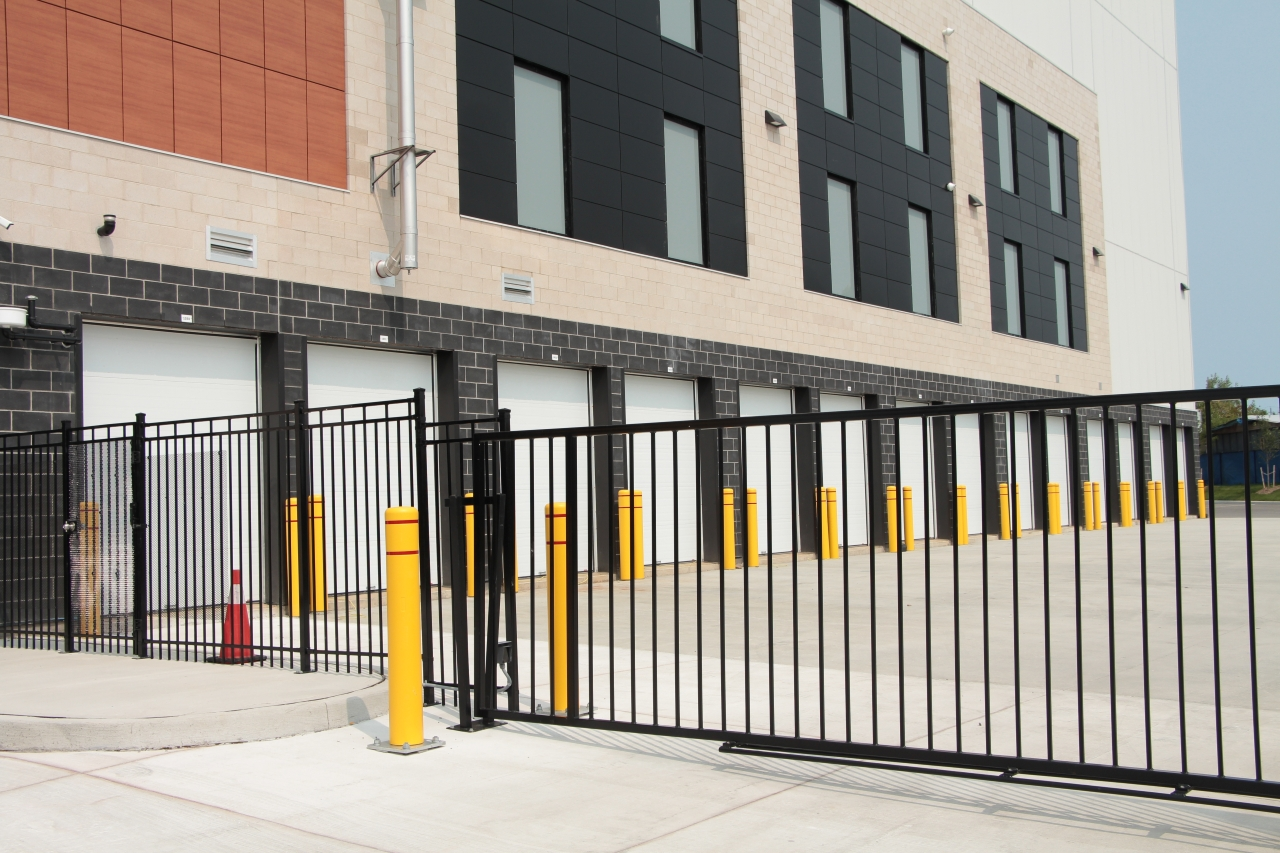
Suburban Giants and Urban Risers: Where America’s 100 Largest Metros Fall on the Self Storage Map
Self storage has long been a suburban story. Across America largest 100 metros, 59% of the inventory built over the past decade sits outside city cores, largely preserving the ratio of the total existing inventory.

Sweatshirt Storage Ideas Worth Keeping Up Your Sleeve
Sweatshirts are great until you realize how much room they take up. A few thick hoodies can fill a drawer fast, with lighter crewnecks getting squashed underneath or pushed somewhere you forget about. Good sweatshirt storage can make that pile much easier to manage without requiring a bigger closet.

Living Room Storage Ideas: 28 Ways to Reclaim Your Hosting Space
If a living room is where most of a household’s living happens, good storage should be the top priority for setting up or revamping the place. After all, think of how easier it would be to have people over when tidying up the place is just a matter of putting things in their right place (in a time when fewer and fewer people are entertaining friends at home(opens in new tab)). The trick is making room for all those wayward clothes, blankets, chargers and other small things that end up on (or, inexplicably, in) the sofa. Here are 28 living room storage ideas to get you started and make tidying up a quick affair.
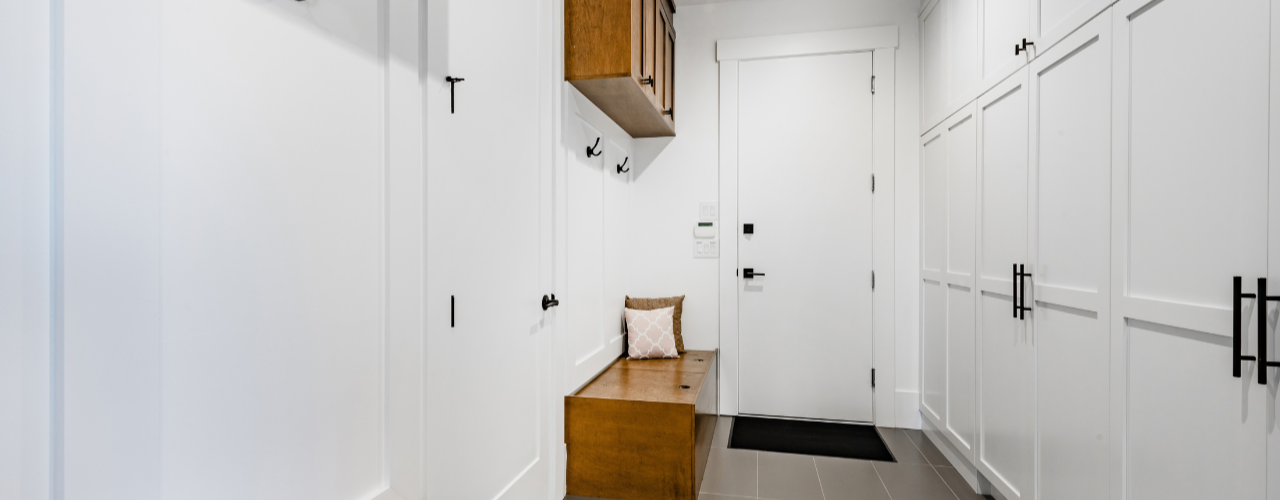
25 Mudroom Storage Ideas (And Mistakes to Avoid)
When you come home with muddy boots, an armful of bags and a coat you can’t wait to take off, it’s nice to have somewhere to put it all. With a mudroom, you can leave the outdoor mess at the door instead of carrying it through the house. Traditionally, you’d set aside a separate room, but you can just as easily use a hallway, an entryway closet, a laundry-room corner or a stretch of wall near the entrance.
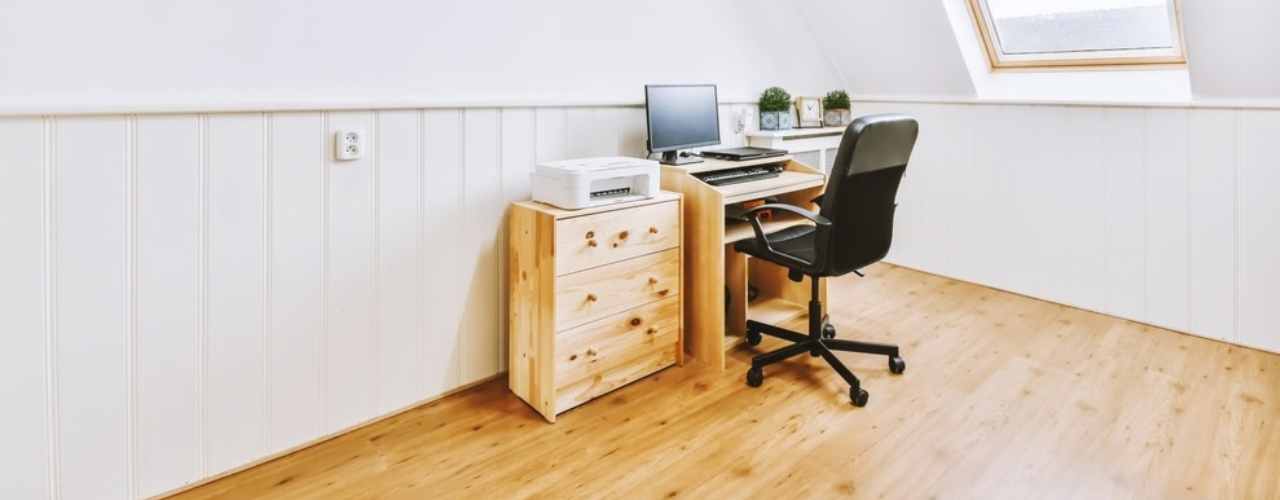
Is Your Home Office Worth the Rent? What Coworking and Self Storage Could Save You
Every square foot of your apartment comes with a price tag, and a home office claims more of them than most renters expect. It starts with a desk. Then come the second monitor, the printer, the filing cabinet and the overflow boxes. Before long, the corner you set aside for work has turned into a small room you are paying for every month.

Best U.S. Cities to Live Uncluttered: Plano, TX, Offers the Most Room to Breathe
Clutter is in our homes as much as in our heads. Both are shaped by where we live.

America’s Top Snowbird Destinations for 2026–2027: Florida Leads in Numbers, Texas Wins on Value
For Americans living in colder states, the approach of winter is reason enough to start looking south. Cold weather carries costs that go beyond the heating bill and shoveling snow. Seasonal affective disorder(opens in new tab) is far more prevalent in northern states, so a temporary move south isn’t simply an escape from the cold, but a chance to spend the hardest stretch of winter outdoors and in the sun.