

Key Takeaways
Whether for kids or adults, cardboard costume ideas often make the biggest splash once materialized, and that’s for a simple reason: doing a lot with a little is a universally impressive feat (especially in this economy). If you don’t have enough boxes you could temporarily repurpose, don’t worry! There are many places where you can find free moving boxes(opens in new tab), from stores and supermarkets to online groups and recycling drop-off spots. On the run? Try your luck at a self storage(opens in new tab) facility that sells moving supplies, often for cheap. This way, you can choose moving boxes of different shapes and sizes(opens in new tab), so you can make your costumes as complex as you want.
Until you get there, you need a plan. Read through these tips, and you’re basically there.
Gather the basics before you start
Before you begin cutting and decorating, get a few simple essentials: one or a few boxes, a pencil or marker, child-safe scissors or a craft knife for adult use, masking or packing tape, non-toxic paint, paintbrushes and glue.
For a truly last-minute project, choose an idea that works with the box’s original shape rather than requiring extensive rebuilding. A television, washing machine, dice, robot, playing card, or Rubik’s Cube costume can often be made with a few carefully placed holes and a coat of paint.
Put your painting skills to work

Start small, with a couple of eyes, a mouth and some other features drawn on a cardboard box and then experiment with some goofy faces and colors. You can always use hats and specific clothes to bring your square-headed costume idea to life.
You can also easily design a Halloween costume for your kids with some cardboard cutting, drawing and painting. It won’t take up much of your time and they can enjoy Halloween as their favorite cartoon character, as a pirate or as a warrior for instance. It’s doable, quick and enjoyable for everybody.
Start with comfort, then decorate
It is tempting to begin with paint and decorations, but fit should come first. Decide whether the box will sit over the child’s shoulders, hang from straps, or be worn around the waist. Mark the head, arm, and leg openings in pencil before cutting anything, then test the fit early rather than waiting until the costume is finished.
For a box worn over the torso, leave the bottom open and cut a head opening in the top panel, followed by armholes in the sides. Also, make the openings large enough for comfortable movement, but not so large that the cardboard loses its structure. If the costume is meant to sit at waist height – such as a race car, boat, bathtub, or flowerpot – add wide ribbon, fabric strips, or old suspenders as shoulder straps. Once the structure is done, decorate in layers. Paint the background first, add large shapes next, and save the smallest details for last.
Add a few elements to bring your design to life

Making a few additions to your costume design can really brighten it up, whether they are specifically chosen items or just stuff that you can find around the house. Bottle caps can become robot buttons, yarn can work as hair or tentacles, aluminum foil can add a futuristic finish, and old wrapping paper can instantly turn a plain box into a present, a cereal packet, or a piece of luggage. Fabric scraps, paper plates, egg cartons, and leftover ribbon can all give a costume more personality without adding to the budget.
Game-inspired costume designs are always an easy way out

Lego pieces, Rubik cubes, Tetris pieces or Pac Man characters can all present brilliant costume ideas. All it takes is some creative cutting and some spray painting and you’re good to go. You can always rely on colorful videogames for bright and imaginative costume ideas.
Finally, use your old moving boxes for more than just costumes. Kids can make cardboard castles, toys and virtually anything with a little imagination, a pair of scissors, some crayons, and some supervision. Picture rockets and princess castles, pirate ships and dinosaurs. Your children will surely come up with some spooky or hilarious things.
Think beyond characters and monsters
Cardboard works especially well for costumes based on objects, because a box already gives you the right three-dimensional shape. Instead of trying to recreate a complicated character from scratch, turn familiar household items, snacks, and hobbies into wearable costumes.
Here are some cardboard costume ideas to get you started:
- Cereal box, complete with a made-up brand name and oversized nutrition label.
- Popcorn carton using red-and-white painted stripes and crumpled yellow paper “popcorn.”
- Delivery parcel with a funny address label and “fragile” stickers.
- Gumball machine, using colorful pom-poms or painted paper circles.
- Pizza slice, using a triangular cardboard panel, red paint, and paper toppings.
- Solar-system costume, with cardboard planets attached to a black-painted base.
- Book cover inspired by a favorite story, perhaps with your kid dressed as the main character underneath.
Make the costume safe for trick-or-treating
Check that the costume does not drag on the ground or block the child’s vision. If you are making a mask or helmet, make sure there is enough ventilation and that the eye openings allow a full field of view. Face paint, a hat, or a decorated headband may be a better choice than a full cardboard mask for younger children.
Visibility is particularly important after sunset. Bright paint, reflective tape on the front and back of the costume, glow sticks, and a flashlight can help drivers and other pedestrians see trick-or-treaters more clearly. Costumes should fit properly, and children should wear sturdy shoes rather than shoes that are difficult to walk in. Keep cardboard away from candles, jack-o’-lantern flames, and other heat sources; the U.S. Consumer Product Safety Commission(opens in new tab) also advises avoiding costumes that drag, improving visibility with reflective elements, and ensuring masks do not restrict a child’s vision or ventilation.
Give the box a second life after Halloween
One of the nicest things about a cardboard costume is that it does not have to be a single-use purchase. Once Halloween is over, remove any tape, paint, or accessories that cannot be recycled, then flatten the box for recycling where local rules allow. Alternatively, turn the costume into part of the playroom. A rocket can become a reading nook, a race car can remain a toy, and an arcade-game costume can be repurposed for a birthday party. If the design is still in good condition, save it for a dress-up box, pass it along to another family, or reuse parts of it for next year’s project.

A cardboard box may not look like much when it arrives at your door, but with a marker, a little paint, and a few household odds and ends, it can become nearly anything. Whether you make a robot in half an hour or spend an afternoon building a miniature spaceship, the most important ingredient is imagination. Just keep the costume comfortable, visible, and easy to move in – and enjoy a creative, low-cost Halloween without the last-minute delivery panic.
If you find yourself in one of the big cities below, click and find out where to get moving boxes!



Best Storage Facilities in NYC, Based on Customer Reviews
Most storage listings in New York City look the same. Reviews are where you find out what you’re getting into: whether the staff will help you, whether the building stays clean and whether your rent stays put once you’ve moved in. So we went through renters’ reviews and picked the three best storage facilities in each NYC borough. Each one gets a score out of 100, and each brand shows up only once per borough. If you’re curious how we scored them, that’s at the end.

Packing Services: Costs, Pros, Cons & Alternatives
Professional packers save time and reduce breakage, but they add a real cost to your move. Whether they’re worth it depends on how much you own, how much protection it needs and how much time you have. This guide covers what packing services cost, when they pay off, when they don’t and the cheaper alternatives worth considering.
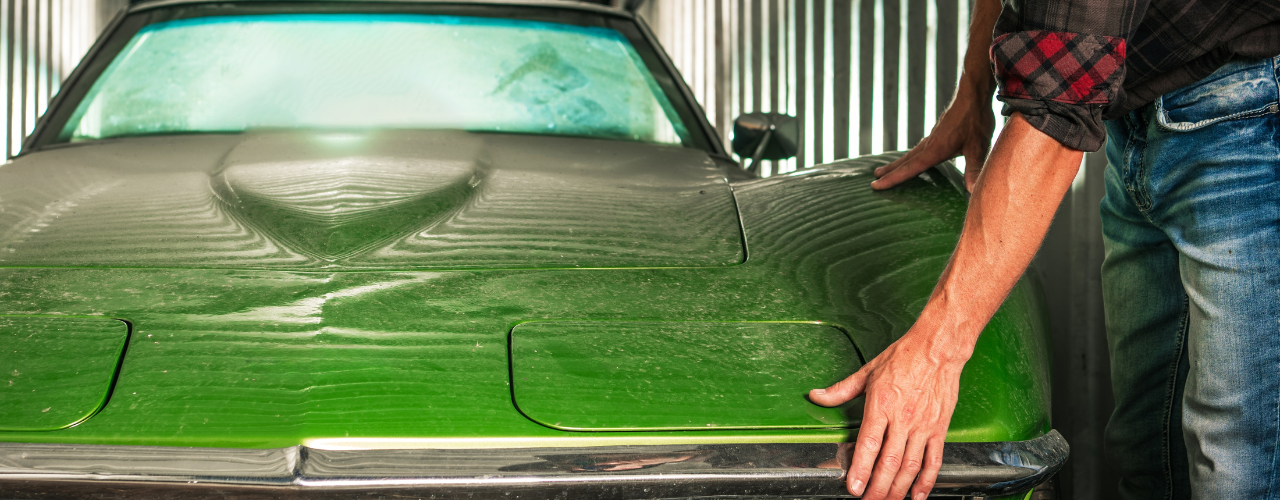
Classic Car Storage: A Guide to Protecting Your Collector Car
Any classic car you see is still there and looking great because people throughout the years knew how to store it well. Those smart decisions kept it from being damaged by moisture, frost and other issues that lead other cars to the auto-graveyard. Now, it’s up to you to carry on the legacy by choosing the right kind of classic car storage(opens in new tab). This guide compares indoor and outdoor options, explains why climate control storage(opens in new tab) is important and shows you how to prepare your car before you store it.(opens in new tab)

Second Acts With Roll-Up Doors: The Most Unexpected Self Storage Conversions In The U.S.
You probably don’t expect to stash your holiday decorations in a former armory. Or tuck away old photo albums where moviegoers once lined up for popcorn. But across the country, some of the most unexpected buildings are getting a second act — as self storage facilities.
Storage Unit Insurance: Your Coverage Options Compared
Your homeowners or renters policy may already cover your stored belongings, but likely not for their full value or against every risk. This guide explains where coverage comes from, what each option leaves out and how to decide whether you need more from your storage unit insurance.

I’m Gen Z: What’s in My Storage Unit?
Trading Facebook posts for TikTok dances and Beanie Babies for Labubus, Gen Z has given growing up online a whole new meaning. Defined by everything concerning reusing, recycling and cycling through trends that previous generations would rather forget (looking at you, Millennials and capri jeans), it’s no wonder this is also a generation that can spot an authentic vintage find from a fast-fashion knockoff in under three seconds. And when your wardrobe can go from Depop find to next season’s comeback without warning, a little extra space starts making sense.
I’m a Millennial: What’s in My Storage Unit?
So, you’re a Millennial. You probably know all the lyrics to Phoebe Buffay’s Smelly Cat. Hannah Montana’s The Best of Both Worlds has become more like a life philosophy rather than a fun tune. And if you rent a self storage unit, you’re in good company. You’ve officially joined the 31% of Millennials who rent storage space, most often because there simply isn’t enough room at home, according to StorageCafe’s 2026 Self Storage Demand and Trends survey(opens in new tab).

Attic Storage Done Right: What’s Worth Keeping Up Top?
The attic is one of those places where holiday decorations end up next to a forgotten suitcase, a broken lamp and boxes nobody’s opened since moving day. Out of sight, out of mind works well enough until you need something from the back or realize you’ve been adding weight to a floor you know little about.

What to Know Before Starting a Self Storage Business in 2027
If you’re wondering how to start a self storage business, two questions come first: Does your area need more storage, and what would it take to run the business? Before you commit to a property, it helps to understand local demand, the costs involved and the day-to-day work of serving renters.