

Self storage might seem straightforward, but when you dive deeper, a world of myths and misconceptions emerges. Can you store food in a storage unit? Is the storage industry as profitable as it seems? You may have already heard definitive answers to some questions — like why living in a storage unit or keeping a pet there is a hard no. But what about the more nuanced myths that deserve a closer look?
With one in five Americans using self storage and 14% planning to rent space soon, the industry is booming — offering over 2 billion square feet of storage nationwide as of 2024. Despite its popularity, there’s plenty of misinformation circulating about what’s possible, practical or profitable in self storage.
We’re here to unravel the truth behind seven of the most common myths that still leave people scratching their heads. Whether you’re renting a unit for personal use or exploring the business opportunities in this dynamic market, these are the myths worth busting! Let’s dive in.

Myth: You can store anything inside a self storage unit
False. Unless you are particularly fond of unusual visits from critters, your best bet is to adhere to the storage facility guidelines when deciding what you should and can store, and what is better repurposed for another place.
Food and other perishable goods, in particular, can attract unwanted guests in the form of rodents and other pests, which can damage your belongings with ease and determination.
[ms_row]
[ms_column style=”1/2″ align=”left” class=”” id=””]Here are a few other items that you should not store in a self storage unit:
- Flammable liquids and other hazardous materials
- Weapons and ammunition
- Living creatures (this should go without saying)
- Plants that require constant sunlight to thrive
- Batteries that can pose a threat by leaking chemicals
- Medical waste
- Fireworks
- Fertilizer
- Fishing bait
- Certain units may not allow fur clothing, as it has a high chance of attracting mold
[/ms_column]
[ms_column style=”1/2″ align=”left” class=”” id=””]Items that you can definitely store in storage units include:
- Electronics
- Furniture
- Antiques
- Family heirlooms
- Clothes
- Books
- Records
- Paperwork
- Seasonal decorations
- RVs
- Cars and other vehicles
- Boats
[/ms_column]
[/ms_row]










Some things can be stored in a regular storage unit strictly speaking, but should you? For items such as leather furniture, artwork and collectibles, climate-controlled storage is far better.
Myth: When choosing a storage unit, you must commit long-term
False. You don’t have to say “I do” forever when selecting a storage unit. With flexibility and variety at the forefront, self storage rentals are designed to adapt to your changing needs.
Most self storage leases are structured on a month-to-month basis, offering the freedom to rent for as little or as long as necessary — no strings attached. This flexibility ensures that your requirements come first, making it easy to adjust your storage solutions as your circumstances evolve.
Going through a stressful life transition? Self storage can provide relief. Struggling with managing seasonal inventory? A storage unit is the perfect solution.
This adaptable approach allows you to scale your storage needs without being tied to rigid, long-term contracts. Need more time? Extend your rental. Downsizing or upsizing? Switch to a unit that better suits your situation.
Many facilities are also evolving to meet modern demands, offering customizable access hours so you can visit your stored items whenever it fits your schedule. With self storage, it’s all about convenience and flexibility, making it a truly user-friendly solution.
Myth: Renting a self storage unit means you’ll lose track of your belongings
False. Worried that renting a self storage unit might turn your belongings into lost treasures? Fear not! It’s essential to remember that you should only store items you truly need and plan to use again. Keeping an inventory of the belongings in your unit can help you stay organized and ensure that you know exactly what you have stored away.
While not all facilities offer this feature, some modern self storage facilities provide online inventory management tools. These tools allow you to track your stored items in a neat and concise manner, giving you peace of mind and making it easier to access your belongings when needed.
With the aid of these digital platforms, you can easily catalog every document, piece of clothing or any other item. You can create detailed inventory lists, complete with descriptions and even photos to help you quickly navigate your unit.
Say goodbye to endless rummaging through boxes and boxes for that one specific piece of clothing, and say hello to the modern era where you can simply log into your online account and search through your inventory.
This can be particularly beneficial and time-saving for a more robust number of items, where misplacing one item is inevitably going to occur at some point. Businesses, as well, can track the equipment in their unit with ease, making stocking and restocking a breeze.
Additionally, some inventory management systems can even include unique features that alert you about items that may need to be accessed soon. With a convenient approach focused on accessibility from any place and any time, you can be effective and efficient when coordinating your next big move.
“If you don’t have access to a fancy inventory management tool, an Excel spreadsheet will work just fine,” says Adrian Rosenberg of RentCafe. “Printing out labels to stick on boxes, complete with a list of what’s inside, can save you a lot of hassle — especially when you’re searching for that old but cherished turntable to play your new Nothing But Thieves vinyl record from Secret Santa.”

Myth: A fifth of Americans use self storage
True. As urban living spaces become increasingly constrained, more and more residents are seeking effective solutions to address their storage needs. Notably, the median size of new homes has reached a 13-year low.
Here is where self storage enters the scene. Currently, around 18% of Americans utilize self storage services, with an additional 14% planning to do so in the near future. The primary motivation for this trend is the lack of space at home, cited by 42% of current storage users as their main reason for renting a unit — surpassing moving-related needs, which account for 25%.
Self storage has emerged as a practical and reliable solution for navigating life’s transitions, from downsizing and divorce to relocation and beyond. Its growing popularity as a go-to option for tackling space challenges highlights its unmatched ability to provide effective and affordable relief from space constraints.
Myth: Self storage is just for moving
False. Contrary to popular belief, self storage is much more than a moving-related convenience — it’s a lifesaver when space constraints and accumulated belongings collide. This can happen even without moving, as new family members, cherished memories and the need to declutter all contribute to the pressing demand for extra space. Fortunately, storage operators are equipped to address these challenges effectively.
“Self storage is a flexible, reliable solution for all kinds of needs. You can use these facilities to store seasonal decorations, extra furniture or even business inventory,” said Caitlyn Smith, a Prestige Storage marketing administrator in Columbus, Ohio.
When selecting a storage unit, it’s important to consider your specific requirements, as certain items may need extra care. For example, “climate-controlled units are perfect for sensitive items like electronics and documents,” Smith said. Additionally, facilities like Prestige Storage “prioritize security with features such as 24/7 video recording and gated access,” ensuring a smooth and safe experience for your stored items.
Myth: Self storage is a “set it and forget it” business
False. While self storage might appear to be a passive business model, it requires active management to succeed. Behind the scenes, operators constantly adapt to market trends, maintain facilities and provide excellent customer service to retain tenants.
Effective self storage management involves more than just renting units. Facility upkeep, such as ensuring clean, secure and well-lit spaces, is crucial for maintaining customer trust. Marketing efforts, including online listings, promotions and responsive customer service, are key to attracting new renters. Additionally, pricing strategies need continuous adjustment to remain competitive in a dynamic market.
“While it may seem simple, from a marketing and revenue management perspective, we have one of the most complex commercial real estate asset classes,” says Matt Lang, COO of Go Store It in Philadelphia. “Balancing 500 to 1,000 units with occupancy and revenue gains is a sophisticated operation. At Go Store It, we’re continually optimizing operations for peak performance in each unique market.”
Moreover, the rise of technology has added another layer of complexity. Many operators now invest in tools like digital payment systems, tenant portals and security enhancements, such as 24/7 video surveillance and gated access, to meet modern customer expectations.

Myth: Self storage properties don’t need frequent upgrades
False. As customer demands evolve and needs change, self storage facilities must continually adapt to stay relevant and competitive.
Safety and cleanliness are among the top priorities for clients when choosing a storage unit, making regular maintenance and updates essential.
“Today’s customers expect a safe and clean facility,” explains Matt Lang of Go Store It. “Regular investments in facility upkeep and modernization keep properties competitive and attractive to tenants. When a new Class A facility opens, it can drop asking rates to gain occupancy. But what do you do when you have a Class C or D location? Even if it’s free, will someone want to store their possessions at a dingy, unsecured facility?”
Investing in your facility creates an inviting environment that enhances client satisfaction and fosters loyalty. By prioritizing upgrades and improvements, storage operators not only meet customer expectations but also build a foundation for long-term success and growth.
Since its inception, self storage has evolved significantly over the decades, gaining immense popularity — and with that popularity came numerous myths. By conducting thorough research and making informed decisions, you can dispel any misconceptions with confidence. Embrace knowledge as your ally, and watch as you transform challenges into opportunities for success in the self storage industry.


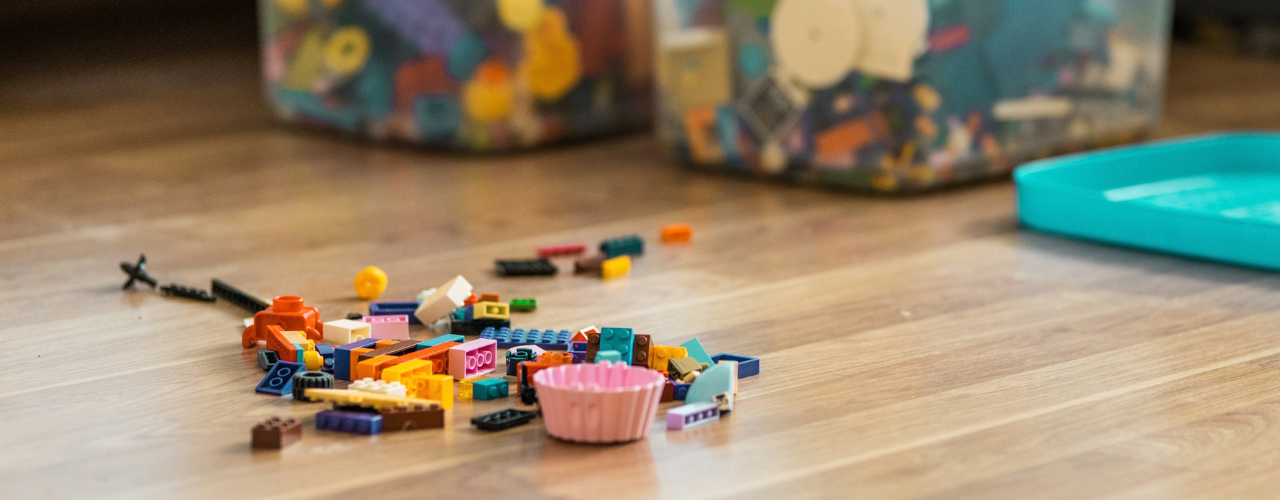
How to Store LEGOs: All the Fun, None of the Clutter
How to store LEGOs largely comes down to how your household uses them. If the bricks are part of everyday play, you need a setup that keeps them within easy reach and makes cleanup quick (for your feet’s sake, at least). Toy storage(opens in new tab) such as simple bins, playmats or containers that children can put away themselves may be enough. Larger or more serious collections usually need more organization, such as labelled drawers for loose pieces, trays for unfinished builds, shelves for completed models and separate storage for retired sets.

Cardboard Costume Guide: Tips and Ideas for a DIY Halloween
Whether for kids or adults, cardboard costume ideas often make the biggest splash once materialized, and that’s for a simple reason: doing a lot with a little is a universally impressive feat (especially in this economy). If you don’t have enough boxes you could temporarily repurpose, don’t worry! There are many places where you can find free moving boxes(opens in new tab), from stores and supermarkets to online groups and recycling drop-off spots. On the run? Try your luck at a self storage(opens in new tab) facility that sells moving supplies, often for cheap. This way, you can choose moving boxes of different shapes and sizes(opens in new tab), so you can make your costumes as complex as you want.

How to Celebrate Halloween: 9 Non-Spooky Ways To Enjoy It
As soon as October starts, it’s the official Halloween month. And while for many people it means it’s open season to get the scare of a lifetime, others, especially families with small children, might prefer to celebrate in a tamer way that’s both kid- and adult-friendly. While you’re likely to find more events where the spook factor is high, here’s how to celebrate Halloween in a not-so-scary way:

Motorcycle Storage Guide: How to Store Your Bike Safely
Motorcycles may be born to be wild, but eventually even the wild ones need somewhere to park. Whether riding season is winding down or your current living situation comes with plenty of square footage for you and less for your bike, motorcycle storage is one of those parts of ownership that doesn’t get as much airtime as the open road.

Halloween Decorating on a Budget (And Cheap Ideas for Everything Elsee)
Halloween has crept a long way from its eerie origins. While All Hallows’ Eve has transformed through the centuries, it wasn’t until the 1930s that trick-or-treating became a tradition in the U.S. and businesses began conjuring up mass-produced Halloween costumes. Now, Halloween is a monster-sized, billion-dollar industry, with a cauldron full of costumes and decorations ranging from the mainstream to the macabre. But is it all really worth your wallet? Maybe, but we’ll let you in on a little secret: You can keep your Halloween decorating on a budget and save on everything else, too. Take this plan and see it through!

Moving From a House to an Apartment: What to Expect, How to Downsize & How Self Storage Helps
For some, moving from a house to an apartment is a financial decision. For others, it’s about simplifying life. Maybe the kids have moved out and half the house sits empty, or you’re approaching retirement and no longer want to spend weekends on repairs. Or perhaps you’ve been weighing the cost of buying a home and wondering whether renting simply makes more sense right now.

Family Heirlooms Overload: How to Handle Family Inheritance Without Regret
Handling family heirlooms after a loss requires managing legal authority, emotional pressure and practical logistics at the same time, and the order you take them on matters more than most people expect.

Blanket Storage: The Right Method for Every Space and Season
Blankets make our lives cozier, and storing them well is what keeps them soft and comfortable in the long run. Knowing how to store a blanket properly means your favorites come out of storage smelling fresh, feeling the same as when they went in, and lasting years longer than they otherwise would.

Board Game Storage Ideas That Keep Your Collection in Fighting Shape
Nobody warns you that getting into board games usually unlocks a second hobby, the much dreaded one that includes figuring out where on earth to put them. One game becomes a few, expansions start spawning beside their base boxes and before long, board game storage requires as much strategy as whatever is waiting on the other side of those lids.