

Going through a divorce can feel like carrying the weight of a thousand decisions that need to be made in a relatively short span of time. Among them, one of the heaviest tasks is figuring out what to do with shared belongings. That’s why creating a clear divorce moving out checklist can be a lifeline. It helps you navigate what stays, what goes, and what gets stored as you move into your next chapter.
This divorce moving out checklist is guided by therapists, lawyers, and moving specialists to walk you step by step, helping you decide what to keep, what to store and what to let go of, all while staying grounded throughout the journey.

Step 1: Set the ground rules
The foundation of a smoother divorce packing process lies in clarity. Before you even tape up the first box, take the time to establish rules and expectations. Reviewing your divorce agreement to understand what’s legally required in terms of dividing assets provides a clear starting point.
“It is very easy to pack or take things without a record or consensus. It may look innocent to begin emptying shelves, but in the absence of records, people usually find themselves in court fighting over who took what,” explained Emma Alves, lawyer at Alves Law.
She stressed the importance of documentation: “I have witnessed arguments taking months over things nobody even wanted, simply because they were moved without agreement. The simplest solution is to photograph everything, share an inventory, and have agreements in writing. Such structure has the capability of grounding people and preventing the division of property from becoming an impasse.”
If direct communication proves too difficult, involving a mediator or neutral third party can help keep the process fair and calm.
Step 2: Pack your essentials

Once the ground rules are in place, the next step in your divorce moving out checklist is to identify the items that you need in the first weeks after the move. These are the bare essentials that will keep you functioning, even if everything else takes longer to sort out. Focus on:
- Important documents (passports, IDs, legal paperwork)
- Medications
- Electronics
- Chargers
- Clothing
- Personal care item
Therapists also warn against tackling emotionally loaded spaces like the bedroom or family photo boxes too early. “A common mistake is trying to power through emotional spaces, thinking if you just get it over with, it’ll hurt less”, says Kelley Stevens, licensed marriage and family therapist at The Private Practice Pro. “But the opposite is often true. You end up re-traumatizing yourself by forcing emotional decisions in a fragile state.”
Step 3: Tackle large items and furniture
Big-ticket items such as furniture, appliances, and artwork are often the most difficult to divide. Not only do they take up physical space, but they often hold monetary and symbolic weight.
“The process of dividing belongings during a divorce is often an emotional minefield because these items are so much more than their physical form or monetary value,” explained Michael Aurit, founder of Aurit Mediation. “A piece of furniture isn’t just a sofa; it’s the place you spent countless evenings with your family. Sorting through these items can feel like you’re literally sifting through your past. For the partner who didn’t want the divorce, this process can feel like a final, painful surrender of the life they once had, an undeniable sign that their shared future is over.”
Beyond the emotional weight, large items also require practical decision-making. Furniture, appliances and artwork are expensive to move, take up space, and may not even fit in your new home. Focus on giving yourself room to create a space that reflects your next chapter, not your past. If you’re moving into an apartment after a larger house, for instance, keeping oversized sectionals or duplicate bedroom sets may not serve you. Selling or donating them can both reduce costs and make your new space feel intentional.
Aurit recommends practicing mindful self-reflection before deciding whether to keep or let go of an item. Asking yourself whether you’re holding on out of genuine need or a desire to “win” can prevent unnecessary conflict. Thinking in terms of the future: “Does this fit my new home? Does this item support the life I’m building?” helps transform the process from dismantling the old to shaping the new.
Step 4: Organize and categorize items
Once the large pieces are settled, the rest of the house can feel overwhelming unless you approach it with a system. Organization is what turns chaos into something manageable. Label boxes clearly, sort items into categories such as “keep”, “store” and “donate”. Also, resist the temptation to just throw things in boxes without having a clear purpose in mind for them.
“Having worked in the self storage industry for years and supporting people through some of their most difficult life transitions, I’ve seen just how emotionally draining it can be to divide belongings during a divorce,” said David Kolstedt, owner of Serenity Storage. “The best advice I can offer to someone feeling overwhelmed is to start small and stay focused on just one task at a time. You don’t have to pack the whole house in one day. Begin with one room or one category. Permit yourself to slow down. One of the most common mistakes people make during this process is rushing to get it over with. In the process, they throw items into boxes without labeling or tracking, and they sometimes give away things they later wish they’d kept. Another mistake is letting emotions guide every decision, which can lead to extra tension and disorganization.”
This is where self storage can make the process less overwhelming. Instead of forcing yourself to make permanent choices about every item under pressure, you can place undecided belongings in a unit and return to them when you’re in a calmer state of mind. It creates a neutral holding space so you can separate immediate needs from long-term decisions.
Self storage is also useful if your new home is smaller or temporary. Seasonal clothing, duplicate furniture, or keepsakes for your children can be stored until you know what fits into your new life.
Step 5: Letting go of the things that no longer serve you
Perhaps the most emotionally taxing part of divorce packing is deciding what to let go of. It’s not just about discarding objects, but also about acknowledging the end of a chapter and releasing the weight of what no longer serves you.
“The process of sorting belongings during a divorce is often emotionally charged because these items represent the physical dismantling of a shared life and the symbolic loss of a future that ‘can and should be saved,’ as I often emphasize”, notes Dan Jurek, a counselor at Pax Renewal Center.
Jurek encourages people to focus on renewal rather than preservation. “To decide what to keep without being driven by guilt or anger, I encourage individuals to change their expectations and set their priorities for their new path forward. This means understanding that not everything can be preserved and accepting the discomfort that comes with letting go. Focus on what genuinely supports your personal renewal and growth”.
On the practical side, letting go is often where conflict arises between spouses. Julia Rueschemeyer, mediator at Amherst Divorce Mediation, has guided more than 1,800 couples through this stage. “The most fights happen when couples try to value each item or try to argue who most deserves each item”, she observes. “The best way to divide these items is for each person to make a list of what they had before marriage or received from their side of the family during marriage. Each person should then make a list of other things they want to keep, and if both want a particular item, that item goes into a new list and the couple take turns picking from the list, one at a time. This gets 95% of the division of items done quickly and efficiently.”
Step 6: Focus on making things easier for children
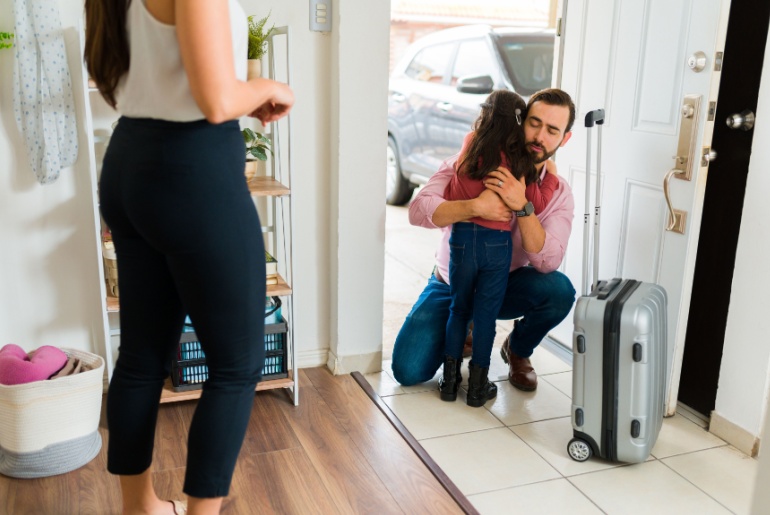
When it comes to children’s items, the goal is not to split them evenly but to create consistency and comfort in both homes. Kids thrive on familiarity, and even small belongings can carry a sense of safety.
“I always encourage parents to focus on what will make their kids feel secure and cared for in both homes”, said Kayla Crane, a licensed marriage and family therapist at South Denver Therapy. “For example, if your child has a favorite bedtime routine, maybe you both agree to have the same blanket or book in each space. Try to keep the decisions kid-centered rather than keeping scores between the adults”, she emphasized.
Also, in today’s digital world, shared assets like photos, school files, and accounts should be backed up by both parents, so children continue to have access to the memories and resources that matter to them.
This approach ensures that children feel truly at home in both households. This may mean duplicating favorite items, creating parallel routines, or writing clear agreements so no parent feels shortchanged. Ultimately, children’s stability should outweigh adult disputes.
Step 7: The final touches of the packing and moving process
After weeks of sorting, downsizing, and making tough decisions, the final move is about execution. Hiring professional movers or enlisting friends can make the process smoother, but clear instructions are essential.
“Use clear labeling that focuses on the destination, not the past”, explained Octavio Lopez, president of Pronto Moving. “Instead of writing ‘our bedroom’ or ‘family room,’ label boxes with ‘John’s new apartment – clothes’ or ‘Sarah’s place – kitchen basics.’ This small shift in language helps clients mentally move forward rather than dwelling on what they’re losing. The psychology of packing toward something new rather than away from something broken makes the whole process feel less like dismantling and more like building”, he added.
With this mindset, moving day becomes less about closing a door on the past and more about stepping into the future with clarity and control.
Step 8: Take care of yourself
The final step in the packing process is often overlooked, but it may be the most important: taking care of yourself. Divorce packing isn’t just about boxing up belongings. It’s an emotional marathon that requires you to balance grief, decision-making fatigue, and the physical work of moving.
That’s why it’s essential to approach this stage with compassion and patience. Give yourself permission to move slowly, to pause, and to ask for help when needed. Recognize that what you’re experiencing is not just a logistical challenge, but part of the grieving and healing process.
“It’s okay to cry over a coffee mug or sit in silence with a sweater”, emphasized Kayla Crane. “This isn’t just moving, this is grieving, processing, and reclaiming. You don’t need to be efficient. You need to be kind; to yourself, to your process, and to the story you’re letting go of”, she added
Self-care in this context doesn’t mean perfection or productivity. It means allowing space for emotion, acknowledging progress in small steps, and treating yourself with the same compassion you’d extend to a close friend.
With organization, patience, and self-compassion, the task becomes more than sorting belongings. It becomes an act of reclaiming your space, your independence, and your future.


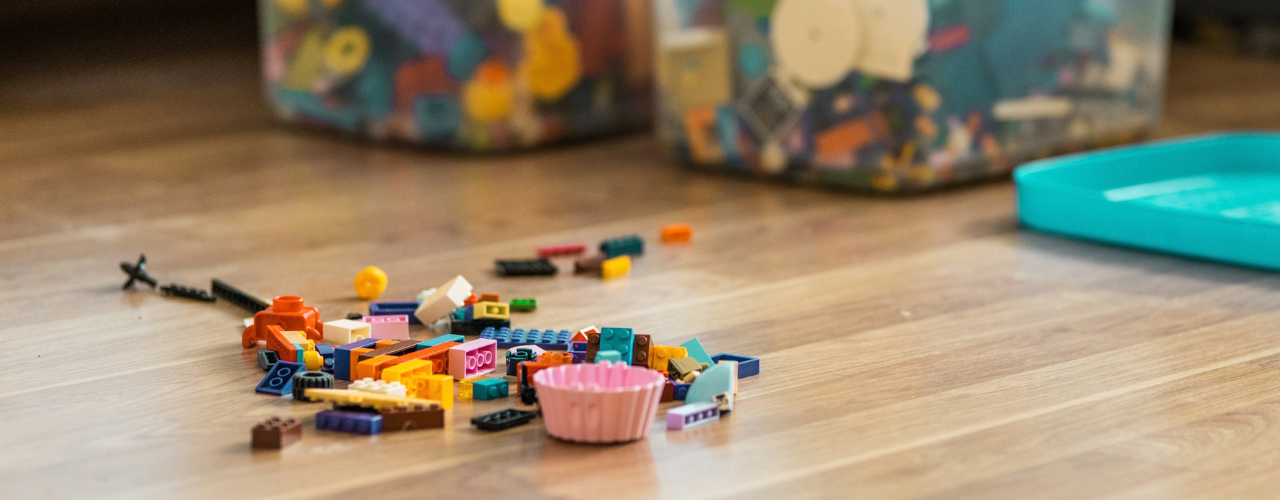
How to Store LEGOs: All the Fun, None of the Clutter
How to store LEGOs largely comes down to how your household uses them. If the bricks are part of everyday play, you need a setup that keeps them within easy reach and makes cleanup quick (for your feet’s sake, at least). Toy storage(opens in new tab) such as simple bins, playmats or containers that children can put away themselves may be enough. Larger or more serious collections usually need more organization, such as labelled drawers for loose pieces, trays for unfinished builds, shelves for completed models and separate storage for retired sets.

Cardboard Costume Guide: Tips and Ideas for a DIY Halloween
Whether for kids or adults, cardboard costume ideas often make the biggest splash once materialized, and that’s for a simple reason: doing a lot with a little is a universally impressive feat (especially in this economy). If you don’t have enough boxes you could temporarily repurpose, don’t worry! There are many places where you can find free moving boxes(opens in new tab), from stores and supermarkets to online groups and recycling drop-off spots. On the run? Try your luck at a self storage(opens in new tab) facility that sells moving supplies, often for cheap. This way, you can choose moving boxes of different shapes and sizes(opens in new tab), so you can make your costumes as complex as you want.

How to Celebrate Halloween: 9 Non-Spooky Ways To Enjoy It
As soon as October starts, it’s the official Halloween month. And while for many people it means it’s open season to get the scare of a lifetime, others, especially families with small children, might prefer to celebrate in a tamer way that’s both kid- and adult-friendly. While you’re likely to find more events where the spook factor is high, here’s how to celebrate Halloween in a not-so-scary way:

Motorcycle Storage Guide: How to Store Your Bike Safely
Motorcycles may be born to be wild, but eventually even the wild ones need somewhere to park. Whether riding season is winding down or your current living situation comes with plenty of square footage for you and less for your bike, motorcycle storage is one of those parts of ownership that doesn’t get as much airtime as the open road.

Halloween Decorating on a Budget (And Cheap Ideas for Everything Elsee)
Halloween has crept a long way from its eerie origins. While All Hallows’ Eve has transformed through the centuries, it wasn’t until the 1930s that trick-or-treating became a tradition in the U.S. and businesses began conjuring up mass-produced Halloween costumes. Now, Halloween is a monster-sized, billion-dollar industry, with a cauldron full of costumes and decorations ranging from the mainstream to the macabre. But is it all really worth your wallet? Maybe, but we’ll let you in on a little secret: You can keep your Halloween decorating on a budget and save on everything else, too. Take this plan and see it through!

Moving From a House to an Apartment: What to Expect, How to Downsize & How Self Storage Helps
For some, moving from a house to an apartment is a financial decision. For others, it’s about simplifying life. Maybe the kids have moved out and half the house sits empty, or you’re approaching retirement and no longer want to spend weekends on repairs. Or perhaps you’ve been weighing the cost of buying a home and wondering whether renting simply makes more sense right now.
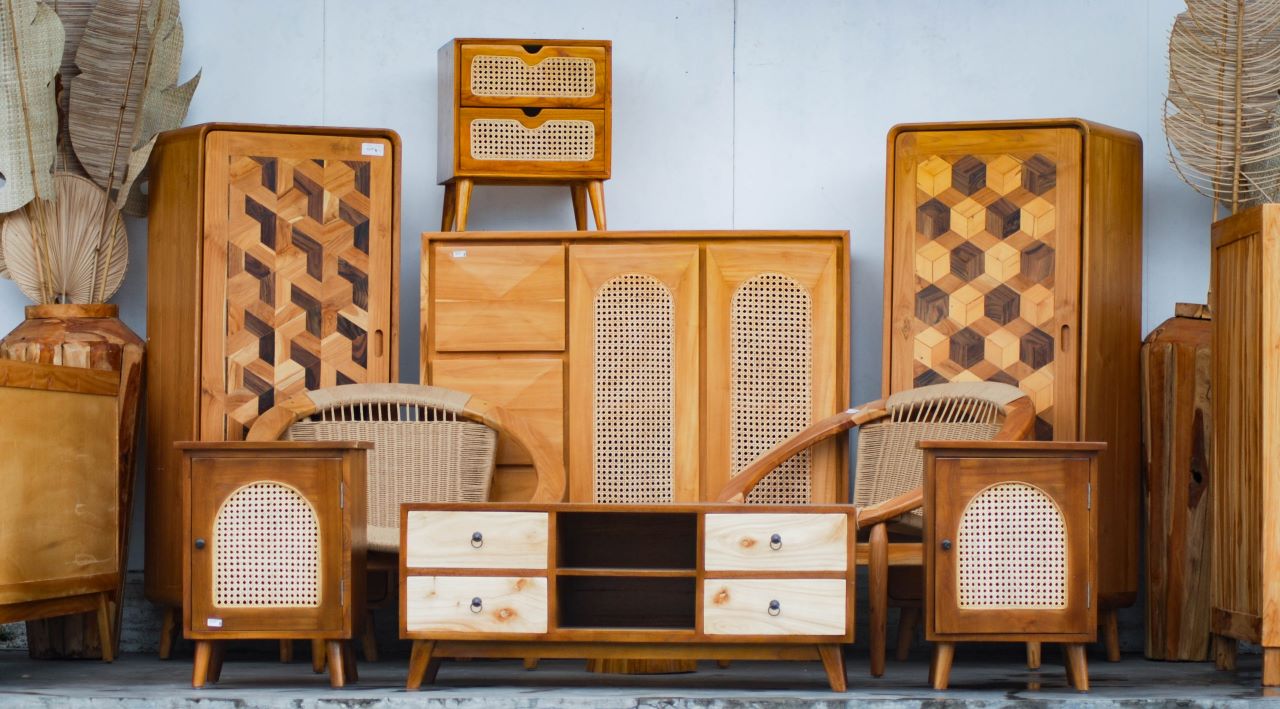
Family Heirlooms Overload: How to Handle Family Inheritance Without Regret
Handling family heirlooms after a loss requires managing legal authority, emotional pressure and practical logistics at the same time, and the order you take them on matters more than most people expect.
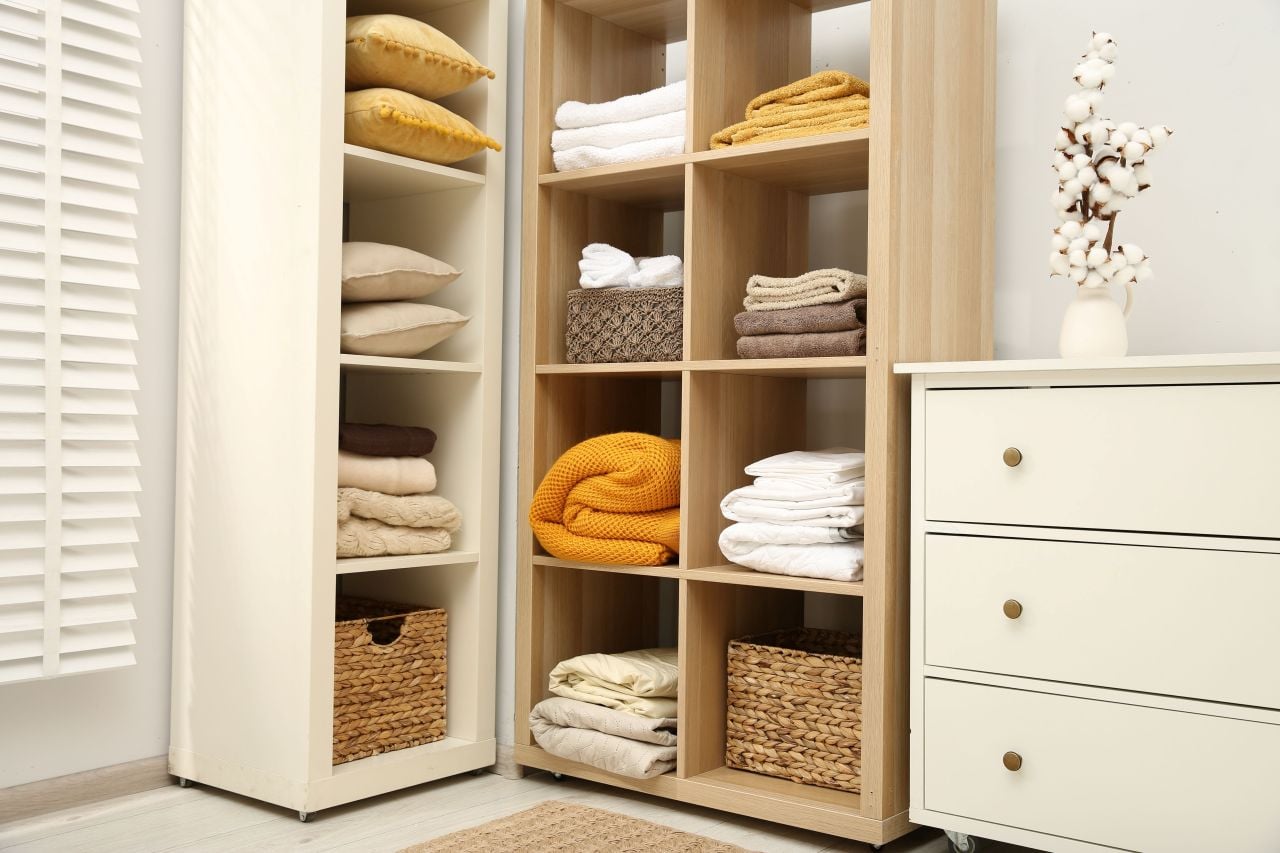
Blanket Storage: The Right Method for Every Space and Season
Blankets make our lives cozier, and storing them well is what keeps them soft and comfortable in the long run. Knowing how to store a blanket properly means your favorites come out of storage smelling fresh, feeling the same as when they went in, and lasting years longer than they otherwise would.

Board Game Storage Ideas That Keep Your Collection in Fighting Shape
Nobody warns you that getting into board games usually unlocks a second hobby, the much dreaded one that includes figuring out where on earth to put them. One game becomes a few, expansions start spawning beside their base boxes and before long, board game storage requires as much strategy as whatever is waiting on the other side of those lids.