


Key Takeaways:
- Houston emerges as a key player in the self storage sales market, with nearly 6.4 million square feet traded over the past five years.
- Alongside Houston, Fort Worth and San Antonio follow closely in terms of square footage traded from 2019 to 2023, solidifying Texas as a prime market for self storage investments. Phoenix, AZ, and Austin, TX, round out the top five, with 3.2 million and 2.5 million square feet transacted, respectively.
- In terms of dollar volume, storage facilities in Houston generated $138 million in sales. Although significant, these figures are lower compared to other top markets like Manhattan ($2.2 billion) and Queens ($838 million) in New York City.
The self storage sales market has been cooling down in recent years, and Houston has followed a similar trend. However, Space City continues to outperform other major U.S. markets in terms of square footage transacted, establishing itself as a dominant player in the sector.
Over the past five years, Houston has sold approximately 6.4 million square feet of self storage space, more than any other city in the country.
Houston sales market remains active despite slowdown from 2022 peak
In 2022, Houston’s self storage market experienced one of its best years, with a record 3.3 million square feet of rentable space changing hands and an average price of $172 per square foot, per reported sales. The total square footage sold across 41 properties surged by 159% compared to 2021, likely driven by post-pandemic demand hitting record highs.
Although the market saw a notable decline from this remarkable performance in 2022, it remained active in 2023, signaling that investor interest in Houston has not waned. Total square footage transacted reached 586,000 square feet, with an average price of $79 per square foot. Additionally, 200,325 square feet of rentable space were traded in the first half of 2024, reflecting sustained investor activity.
Houston shares podium for self storage sales with Fort Worth and San Antonio
Over the past five years, Houston has solidified its top position in the self storage market, with 6.4 million square feet transacted during this period. The city surpassed other Texas markets, including Fort Worth (4.6 million square feet) and San Antonio (4 million square feet), as well as rivaling cities like Phoenix (3.2 million square feet) and Austin (2.5 million square feet).
From an investment perspective, Houston offers affordability compared to other high-profile markets while still providing access to a strong consumer base. Transactional values totaled $138 million over the last five years, placing Houston 23rd nationally. In comparison, pricier markets like Manhattan saw $2.2 billion in deals, followed by Queens at $838 million and Phoenix at $535 million.
Best-supplied regions in Houston for self storage space
Houston remains a strong market for investment, with its diverse neighborhoods and limited living spaces creating ideal conditions for the self storage sector to thrive. The city boasts approximately 27 million square feet of self storage space, equating to 6.8 square feet per person—just below the national benchmark of 7.4 square feet per person.
Addicks-Park Ten and Energy Corridor, nestled within the boundaries of zip code 77084, lead the way as Houston’s best-supplied neighborhoods, offering nearly 1.4 million square feet of rentable space. This area’s large population of 108,000 and an active housing market, with 27,000 single family residences that amount to 71% of the total housing units, make it a prime location for self storage facilities. Multifamily units make up the remaining 29%.
Similarly, in the communities designated by zip code 77070, Willowbrook and Mill Ridge North feature 1.2 million square feet of self storage space despite serving a smaller population of 58,000. Unlike the previous neighborhoods, these showcase a more even distribution—single family residences account for 56% of the housing while multifamily units constitute 44%.
Other neighborhoods like Braeswood Place and Willow Meadows, which are positioned in the 77025 zip code, also perform well, with 950,000 square feet of rentable space. Here, the housing situation encompasses a balanced mix, with single family homes at 46% and multifamily ones slightly higher at 54%.
In contrast, areas such as Fifth Ward and Kashmere Gardens, which fall within the 77026 area code, are significantly underserved, with just 20,000 square feet of self storage space and nearly 21,000 people. The population in this area is predominantly housed in single family units, while multifamily dwellings account for the remaining 21%.
Top areas in Houston for low and high self storage rates
Houston remains a renter-friendly market, offering a range of options with relatively affordable storage rates that support self storage use among consumers. Currently, the average cost of a 10’x10’ storage unit in Houston is $93 per month—well below the national average of $120 in August 2024.
The least expensive storage units in Houston are located in zip code 77034, covering much of Edgebrook and the Hobby Area, where rents average $69 or $0.76 per square foot. A healthy balance between supply and demand helps keep prices in check. Similarly, zip code 77091, which encompasses Acres Homes, has lower prices for self storage, somewhere in the realm of $70.
Kleinbrook and Greenwood Forest, located in zip code 77066, come third for cheapest storage units in Houston. A storage unit here goes for $71 per month. The area is primarily made up of single family homes, which creates less demand compared to multifamily-dominated neighborhoods. Coupled with a healthy inventory of nearly 250,000 square feet of storage space, this keeps the market more rental-friendly.
On the other hand, some neighborhoods come with higher price tags, often because of limited storage options within a three-to-five-mile radius, higher population density and a larger number of apartment buildings in the area.
The most expensive neighborhoods in Houston, Neartown-Montrose and Midtown Houston, are primarily located in zip code 77006, where rental rates average $259 or $2.33 per square foot—nearly triple the rates in zip code 77034. Midtown, with 152,169 rentable square feet and a population of 24,006, experiences high demand, likely influenced by its density and the fact that 61% of its housing is multifamily. This demand, combined with limited availability and proximity to Downtown Houston, is likely among the factors driving up prices.
In zip code 77019, home to Afton Oaks-River Oaks and Fourth Ward, nearly 300,000 square feet of rentable storage space serves a population of around 23,000. Like Midtown, the limited inventory drives up prices, with average rents at $197 and rates reaching $1.64 per square foot.
Self storage also tends to be more expensive in areas dominated by multifamily housing. For example, in zip code 77056, which roughly covers the Great Uptown neighborhood, 77% of the housing stock consists of multifamily units. Street rates here average $170 per month.
Despite a national decline in self storage sales activity, Houston continues to show resilience. The city’s steady sales volume indicates sustained investor interest and strong local demand. Ongoing migration trends and population growth further bolster the need for self storage, ensuring that Houston remains a key market for both investors and consumers as the market stabilizes following the post-pandemic boom.

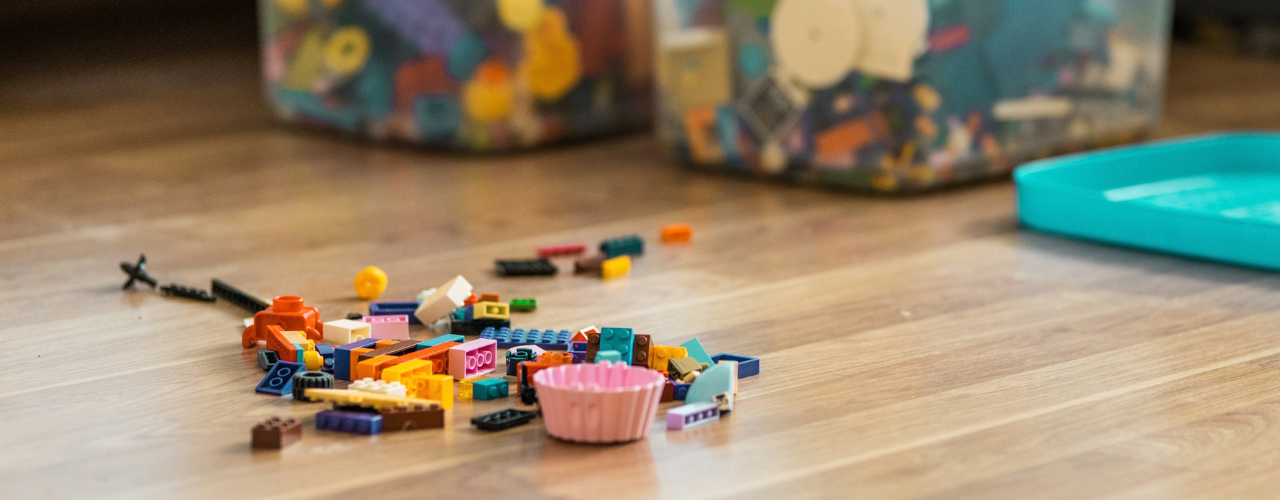
How to Store LEGOs: All the Fun, None of the Clutter
How to store LEGOs largely comes down to how your household uses them. If the bricks are part of everyday play, you need a setup that keeps them within easy reach and makes cleanup quick (for your feet’s sake, at least). Toy storage(opens in new tab) such as simple bins, playmats or containers that children can put away themselves may be enough. Larger or more serious collections usually need more organization, such as labelled drawers for loose pieces, trays for unfinished builds, shelves for completed models and separate storage for retired sets.
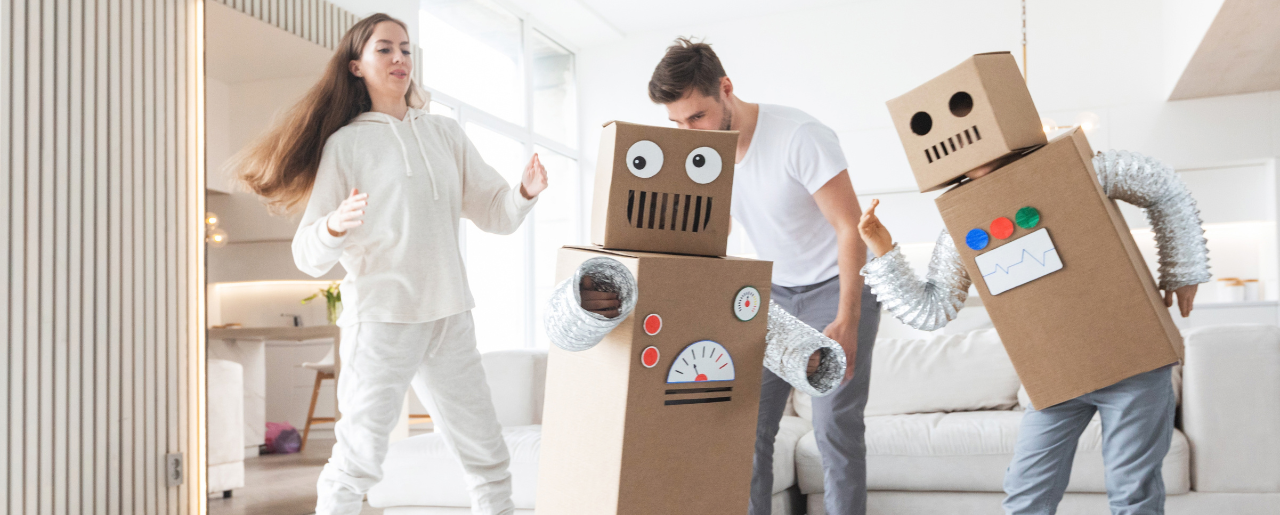
Cardboard Costume Guide: Tips and Ideas for a DIY Halloween
Whether for kids or adults, cardboard costume ideas often make the biggest splash once materialized, and that’s for a simple reason: doing a lot with a little is a universally impressive feat (especially in this economy). If you don’t have enough boxes you could temporarily repurpose, don’t worry! There are many places where you can find free moving boxes(opens in new tab), from stores and supermarkets to online groups and recycling drop-off spots. On the run? Try your luck at a self storage(opens in new tab) facility that sells moving supplies, often for cheap. This way, you can choose moving boxes of different shapes and sizes(opens in new tab), so you can make your costumes as complex as you want.

How to Celebrate Halloween: 9 Non-Spooky Ways To Enjoy It
As soon as October starts, it’s the official Halloween month. And while for many people it means it’s open season to get the scare of a lifetime, others, especially families with small children, might prefer to celebrate in a tamer way that’s both kid- and adult-friendly. While you’re likely to find more events where the spook factor is high, here’s how to celebrate Halloween in a not-so-scary way:

Motorcycle Storage Guide: How to Store Your Bike Safely
Motorcycles may be born to be wild, but eventually even the wild ones need somewhere to park. Whether riding season is winding down or your current living situation comes with plenty of square footage for you and less for your bike, motorcycle storage is one of those parts of ownership that doesn’t get as much airtime as the open road.

Halloween Decorating on a Budget (And Cheap Ideas for Everything Elsee)
Halloween has crept a long way from its eerie origins. While All Hallows’ Eve has transformed through the centuries, it wasn’t until the 1930s that trick-or-treating became a tradition in the U.S. and businesses began conjuring up mass-produced Halloween costumes. Now, Halloween is a monster-sized, billion-dollar industry, with a cauldron full of costumes and decorations ranging from the mainstream to the macabre. But is it all really worth your wallet? Maybe, but we’ll let you in on a little secret: You can keep your Halloween decorating on a budget and save on everything else, too. Take this plan and see it through!

Moving From a House to an Apartment: What to Expect, How to Downsize & How Self Storage Helps
For some, moving from a house to an apartment is a financial decision. For others, it’s about simplifying life. Maybe the kids have moved out and half the house sits empty, or you’re approaching retirement and no longer want to spend weekends on repairs. Or perhaps you’ve been weighing the cost of buying a home and wondering whether renting simply makes more sense right now.
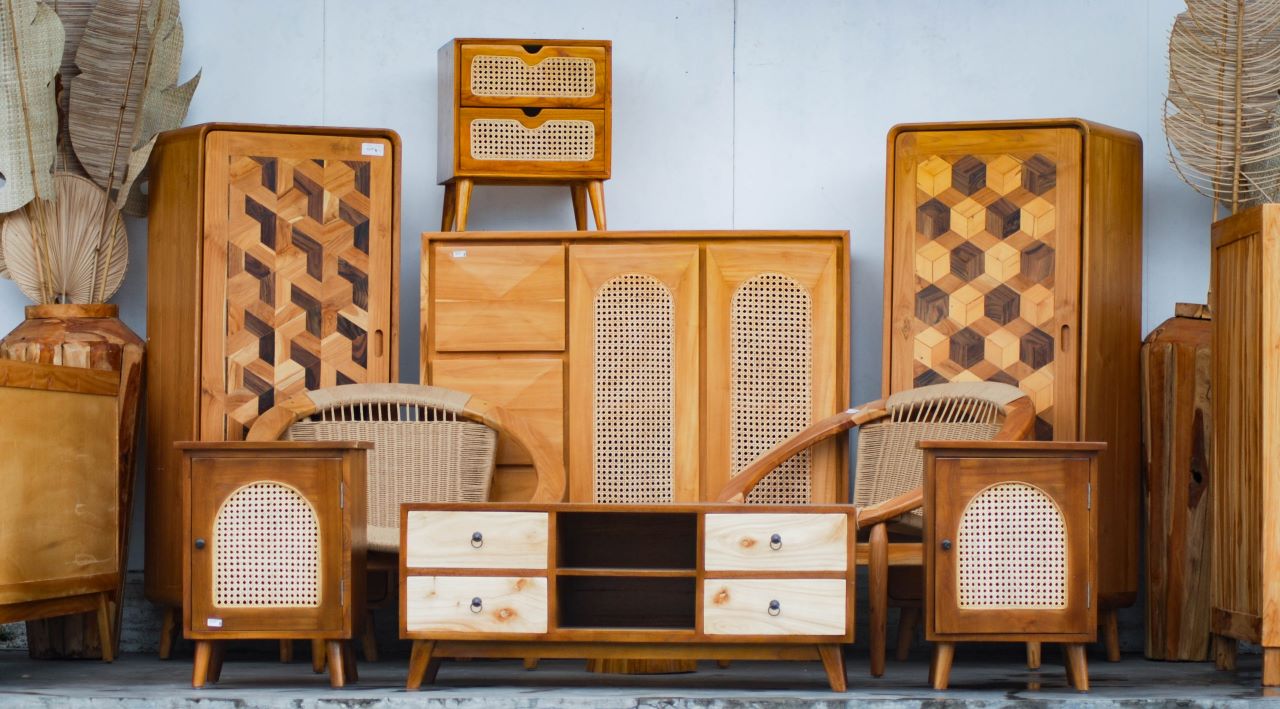
Family Heirlooms Overload: How to Handle Family Inheritance Without Regret
Handling family heirlooms after a loss requires managing legal authority, emotional pressure and practical logistics at the same time, and the order you take them on matters more than most people expect.
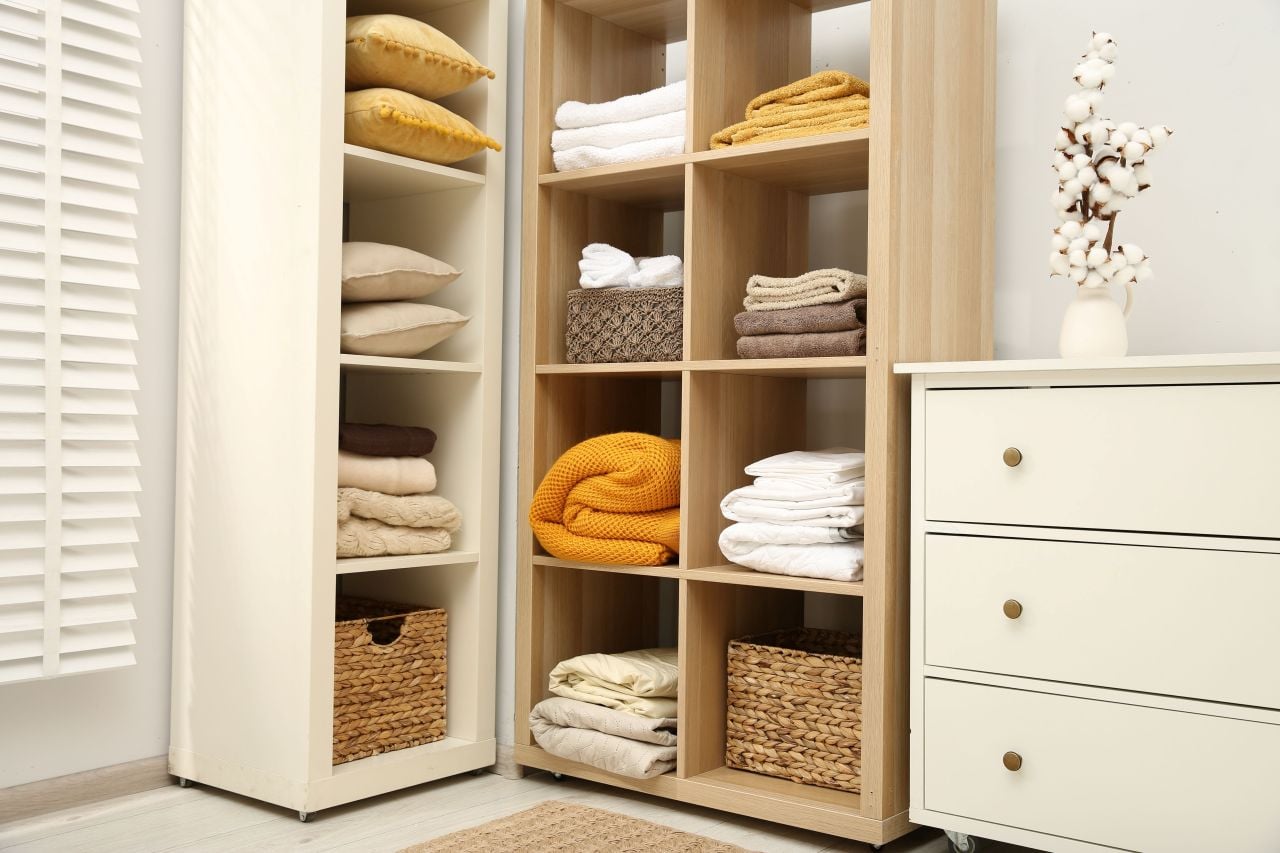
Blanket Storage: The Right Method for Every Space and Season
Blankets make our lives cozier, and storing them well is what keeps them soft and comfortable in the long run. Knowing how to store a blanket properly means your favorites come out of storage smelling fresh, feeling the same as when they went in, and lasting years longer than they otherwise would.

Board Game Storage Ideas That Keep Your Collection in Fighting Shape
Nobody warns you that getting into board games usually unlocks a second hobby, the much dreaded one that includes figuring out where on earth to put them. One game becomes a few, expansions start spawning beside their base boxes and before long, board game storage requires as much strategy as whatever is waiting on the other side of those lids.