

The challenge of keeping and moving every memory, moment, and belonging — all depending on where duty calls — is a daily reality for military personnel, their spouses, and their families. Moving is already tough on its own, but when you add the weight of finding space for everything you own, it can feel like one more burden on already busy shoulders.
That’s where military self storage steps in and bridges the gap between cherishing what matters and staying flexible enough to move at a moment’s notice. It allows you to take a step back and reboot, giving your family room to breathe and feel at home no matter where life takes you.
According to recent surveys, 74% of military spouses have experienced their partner being deployed for more than 30 days, underscoring just how often families need to adapt quickly. During those times, self storage offers a simple, affordable way to keep household items safe, protect sentimental belongings, and free up space while focusing on what truly matters: supporting one another through transitions.
Because there’s nothing more comforting than knowing your things are cared for while you take care of everything else — a small constant in life’s chaos.
When self storage becomes a lifeline for military families
Life moves fast, especially for military families, and sometimes all you need is one place that helps you slow down. Self storage offers just that — a little space to breathe before the next chapter begins. It can be especially useful for these situations:
During deployments
When one partner is deployed and the other stays behind, every inch of space starts to matter more than ever. Between caring for little ones, managing the home, and keeping daily life in order, clutter can quickly pile up. Say goodbye to it and instead, say hello to renting a storage unit and see just how much more manageable your home will feel.
During a PCS (Permanent Change of Station)
Frequent relocations are simply part of the military rhythm, with 23% of spouses relocating in just the past year and more than 80% experiencing a PCS at some point during their partner’s career.
They don’t have to feel too overwhelming, though. Having a storage unit near your current or future base can make a world of difference, especially when housing isn’t ready yet or you need to wait before shipping all your belongings.
Frequent moves are simply part of the military rhythm. Storage practically turns anything scattered into everything smooth and organized.
While waiting for housing assignments
Sometimes, you arrive before your next home is ready, and there’s only so much a temporary space can hold. In this case, a storage unit gives you a secure place to keep both large and small items until move-in day. It keeps your essentials close without crowding your living space, making the in-between period feel far less clustered.
During extended training or temporary duty (TDY)
For shorter assignments that take you away for weeks or months, it’s worth adding storage to your checklist. It keeps your household items, vehicle, or outdoor gear safe from weather damage and excess wear while you’re gone.
Climate-controlled units are especially helpful for protecting sensitive items, from electronics to wood furniture.
When downsizing between moves
Not every new posting comes with the same amount of space, but that doesn’t mean you have to part with everything you love. Even when the space gets smaller, storage helps your life stay full.
It will function like your personal rotation space: what you don’t need right now waits safely for when you do.
For safekeeping important documents and memorabilia
Service awards, uniforms, photos, and letters often carry deep meaning — they tell your story. When the house starts feeling crowded or full of little reminders of daily life (like toys scattered everywhere), self storage gives those items the space they deserve.
Climate-controlled units are again a priority in this case, as they protect them from heat and humidity, ensuring that the symbols of your service stay just as strong as the memories behind them.
Essential steps to take before you leave
Before the moving trucks pull up, a little preparation can go a long way. From keeping paperwork in order to setting aside a few comfort items for arrival day, small steps now can make the whole experience easier.

Things to ease you and your family into this transition include:
- Get the logistics rolling early: Touch base with your moving or transportation office to confirm dates, paperwork, and travel arrangements well before the rush begins.
- Plan your finances: Set aside a small safety fund for moving extras, be it packing supplies or short-term storage, and note which costs could be tax-deductible later.
- Streamline what you own: Sort through your belongings with fresh eyes. Donate what you no longer need, sell what you can, and tuck the rest safely into a storage unit until you’re settled. Now would be the ideal time to have a fun yard sale with your little ones and turn it into a family activity.
- Keep documents close: Medical records, insurance papers, pet files, and warranties all deserve one clearly labeled folder. It can be paper or digital, as long as it travels with you.
- Pack with care: Label boxes clearly, keep fragile items padded, and mark essentials that should be opened first. A quick photo of each box can also help track everything at a glance.
- Prep for a quick landing: Set aside an accessible kit with everyday must-haves — pajamas, snacks, a toothbrush, a few dishes, and a simple cleaning set. Rummaging through boxes might not be how you want to recover after a long journey.
- Handle home updates: Transfer or cancel utilities, forward your mail, and pause local deliveries before you go.
Top storage features worth having
With relocations and sudden changes of plans that can appear overnight, finding a self storage unit that fits your lifestyle can be quite a challenge if you’re not keeping your eyes open. Add to that the often tiring, fast-paced lifestyle that comes with being in the military — or being a military spouse — and one small mistake can quickly turn into a chain reaction that’s hard to fix once it starts.
Here are some features you should look for when renting a storage unit for military use or military family life:
Month-to-month leasing — because you never know how long you’ll stay
Some friendships last a lifetime, others for a season — and the same goes for where you’re stationed. Military life runs on its own timeline, and that means flexibility is key.
Month-to-month leasing takes away the headache of long-term contracts or early termination fees. If you get new orders, you can simply close your unit and move on, paying only for the time you actually used. Make sure the facility you choose offers this kind of lease so you can plan freely, without worrying about penalties or wasted rent.
Automatic payment options — one less thing to worry about
In a life where routines can change overnight, the fewer things you have to keep track of, the better. Setting up automatic payments helps keep everything running smoothly. Just set it once, and your rent will be paid on time every month — no reminders, no late fees, no extra stress.
All you need is a phone and internet access, and in today’s world, that’s always within reach. It’s one small step that makes a big difference when your time and focus are already stretched thin.
Online account management & contactless move-in
Military life can move fast, and that often means you’re juggling plans from miles away. That’s where online account management and contactless move-in come in handy.
Most storage facilities now let you book your unit, sign your lease, and make payments right from your phone. You can even manage your account or update your info while on the go, whether you’re across the country or just too busy to stop by in person.
Contactless move-in makes the process even smoother — you can head straight to your unit, unlock it digitally, and get settled whenever it fits your schedule.
Extended or 24-hour access — because your schedule doesn’t stop at 5 p.m.
Not all professions follow a nine-to-five, and military life is proof of that. Whether you’re deployed on short notice, working night shifts, or managing unexpected moves, you need access when you need it — not when the gate happens to be open.
Facilities that offer extended hours or 24/7 access make sure you can reach your belongings anytime, without waiting for office hours or managers to unlock the doors. Your time varies wildly, and your storage access should too.
Climate-controlled storage — keep what matters in top condition
Climate-controlled storage is essential for anything sensitive to temperature or humidity — electronics, wood furniture, delicate fabrics, important documents, or sentimental items like your wedding dress. These units maintain a steady environment year-round, usually between 50°F and 85°F, with humidity around 50%, preventing mold and other damage.
If you’re stationed or living in a humid or hot area such as Florida, Texas, or coastal Virginia, climate control should be high on your priority list. The last thing you want is for the summer heat to warp your furniture or ruin irreplaceable keepsakes while you’re deployed.
For military spouses and veterans, climate control is also a smart way to safeguard items that hold emotional or practical value. Think of all the service medals and uniforms, as well as the photo albums, children’s artwork, or antique heirlooms that travel with you through every move.
Safety above all
When you’re storing personal belongings, especially valuables or items tied to your family’s history, security is most likely going to be a top contender for the most valuable amenities you can secure. Look for facilities that make safety a cornerstone of their service.
Here are a few key security features to look for:
- Cameras: A good facility should have 24/7 video surveillance. It helps monitor activity, provides evidence if something happens, and deters potential intruders from the start.
- On-site manager: Whether you have a question or just want the reassurance of knowing someone is there, having an on-site manager means help is available if emergencies arise.
- Gated access: A secure gate ensures that only verified renters can enter and exit the property. This extra layer of protection limits outside traffic and keeps your belongings safer.
- Individual unit alarms: For extra-valuable possessions such as service awards, fine jewelry, or collectible firearms, ask if your facility offers individual unit alarms or keycode access. Some facilities can accommodate special security setups upon request.
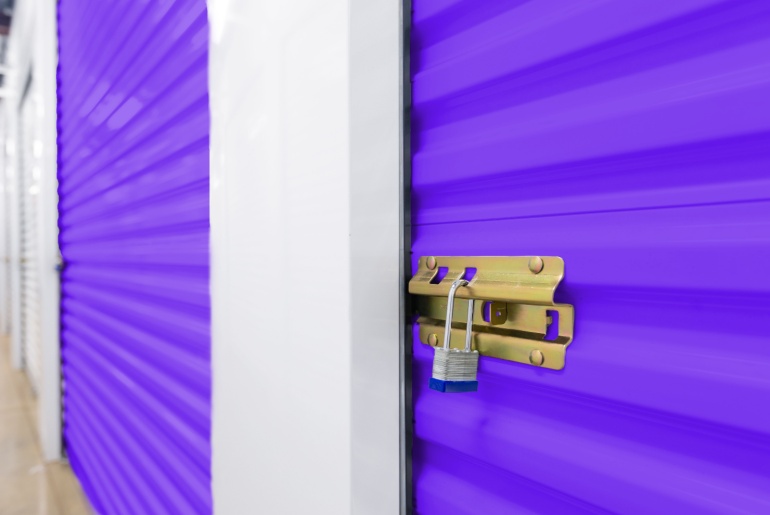
- Locks: Many facilities sell high-quality locks on-site, while others allow you to bring your own. Always opt for a durable, tamper-resistant lock and double-check that your door is fully latched before locking up.
Drive-up access
At this point, moving around is probably second nature to you and your family — and that comes with plenty of baggage (both literal and emotional). Drive-up access makes that process so much easier. You can pull your vehicle right up to your unit and load or unload everything directly, without navigating hallways or elevators.
It’s especially useful for frequent moves or short-term deployments when you might need to swap gear quickly, like uniforms and duffels or bins full of household items.
Elevator access
This feature pairs perfectly with drive-up units, especially if your storage space is on an upper floor. After a long trip or a tiring move, the last thing you want is to carry bulky boxes or furniture up flights of stairs.
An on-site elevator lets you move mattresses, furniture, or heavy décor safely and easily, saving your back and your energy for more important things.
Vehicle and car storage
If you’re being deployed or relocated for an extended period, vehicle storage can be a real lifesaver. Many facilities offer covered, uncovered, or fully enclosed spaces to keep your car, motorcycle, or even a small boat protected while you’re away.
Look for places that offer 24-hour surveillance and gated access to make sure your vehicle stays secure until you return. If you’ll be gone for months, consider a climate-controlled vehicle unit to protect the battery, tires, and paint from extreme temperatures.
Don’t miss out on military-only storage deals
Many storage facilities go the extra mile to support service members and their families by offering dedicated military discounts, which can sometimes shave off up to 10–20% from monthly rates. Always ask your facility if they provide one, and remember to bring your military ID when signing the lease.
It’s also worth checking around Veterans Day (November 11), when many companies extend additional promotions or perks to honor those who serve. A quick conversation with the facility manager could save you a little extra each month. If you’re comparing facilities for your next “home away from home,” keep an eye out for storage operators that extend these special offers.
A few notable examples include:
Prime Storage
Prime Storage shows appreciation for military personnel by offering 10% off monthly rent. Simply present valid military identification at a local facility to claim the discount. Their wide range of unit sizes and convenient locations — often near major bases — make it easy to find a storage solution that fits the military lifestyle.
Otter Self Storage
Otter Self Storage also provides a 10% military discount, combining affordability with its signature Safe & Secure Otter Experience. This includes features such as Auto-Pay, a 24/7 Customer Management Center, and AI-powered monitoring for added peace of mind.
EZ Storage
Similarly, EZ Storage offers 10% off to all active and retired service members — a gesture of appreciation that underscores its long-standing commitment to those who serve. Some of their locations even provide free truck access to help make your move smoother and more convenient.
How to deal with frequent moves
For military families, motion is a constant. Just when a new house starts to feel like home, orders arrive, and the cycle begins again — sorting, labeling, packing, goodbyes, and fresh hellos. It’s a rhythm that demands equal parts flexibility and resilience. Over time, you learn that the key isn’t to fight the chaos but to build systems that make it manageable.
Mike Townsend, a veteran who moved 11 times in eight years and now leads Veteran Heating, Cooling, Plumbing & Electric, says he learned quickly that “fighting the chaos doesn’t work — you have to build systems around it.”
His approach was practical and deeply human. Every move began with what he called the “first night box”: a small collection of essentials and comforts packed in his personal vehicle — a coffee maker, phone chargers, tools, and a few familiar items from home. “That box saved me every single time,” he says. “When you roll in at 10 p.m. exhausted, and nothing’s unpacked, it’s the difference between frustration and relief.”
Townsend also developed what he calls the “72-hour rule.” Within three days of arriving, he and his family would hang photos, set up the kids’ rooms, and find their new grocery store and gas station. It was a simple strategy that created “immediate normalcy when everything else felt foreign.” Those first touches — a family photo on the wall, a child’s favorite blanket — made every new place feel familiar.
Military real estate expert Taylor Szostak shares a similar philosophy. She begins every move by confirming dates, entitlements, and housing options as early as possible — and then makes two plans: one for how things should go, and another for when they don’t. “I make two plans — one for what I think will happen and another for what I will do if it doesn’t, because I’ve learned from experience that instructions and timeframes change. For the families I assist, I follow the same procedure,” she explained.
Organization is her secret weapon: a master binder with orders, medical records, pet paperwork, and school transcripts, plus color-coded boxes labeled by room and priority. Her “open first” box includes sheets, a shower curtain, a coffee maker, and snacks — small things that make move-in days feel under control. “Until you make a location your own, it always feels alien,” Szostak says. “I always set up the bedrooms first. For kids especially, sleep equals stability.”
As Townsend puts it, “Perfect is the enemy of done. Get your basics squared away, keep your essentials close, and build the rest over time.” It’s a lesson learned through experience — one that reflects the heart of military life itself. In a world defined by change, stability isn’t found in one place. It’s built, piece by piece, wherever you land next.
What to keep safe while you’re on the move
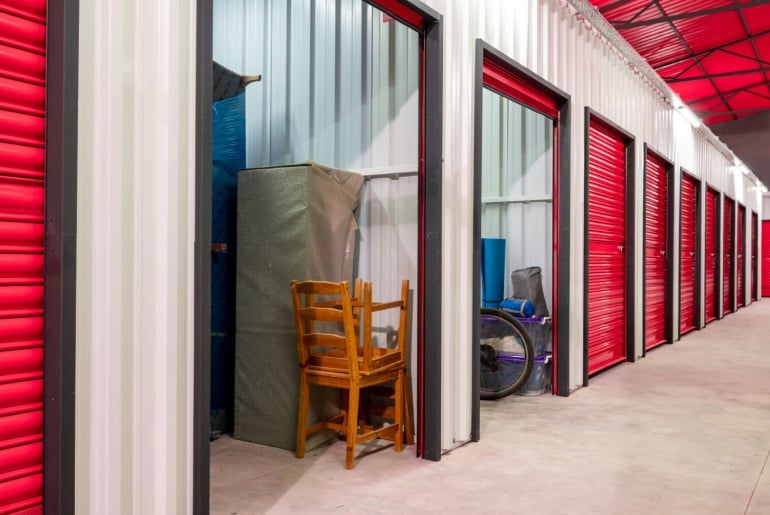
Once you’ve figured out the how and when of your next move, it’s time to think about the what. What stays with you, and what could use a little break in storage? For many military families, a storage unit becomes that in-between space that keeps life running smoothly between assignments. You can use it for:
- Personal keepsakes: Letters, photo albums, and small treasures tell the story of every chapter you’ve lived through. Storing them safely means you can keep those memories close without worrying about them getting lost or damaged along the way.
- Electronics: Some gadgets just don’t need to make every trip. TVs, gaming consoles, printers, or kitchen helpers like blenders and mixers can take a short “deployment” of their own in a climate-controlled unit until you’re ready to plug them back in.
- Baby gear: Kids grow faster than we can blink, and the gear piles up just as fast. Cribs, strollers, and boxes of outgrown clothes can easily wait in storage for their next purpose — whether that’s for a new little one or to pass on to another family.
- Mattresses and bedding: Between homes or waiting on housing? Keeping mattresses in a clean unit helps them stay fresh and protected from humidity.
- School supplies: With military families homeschooling at about twice the national rate, there’s often an extra load of notebooks, art supplies, and books just waiting to pile up. Make sure you move it to an area of its own before it becomes overwhelming.
- Furniture: Every posting comes with different room sizes, and sometimes that beautiful dining table just won’t fit. Instead of selling and rebuying, keep furniture safely stored until it can come back into the picture.
- Vehicles: From motorcycles and extra cars to boats and ATVs, many facilities offer safe, covered storage for the things that can’t come along for the ride.
- Deployment gear and uniforms: Your gear and service memorabilia deserve a place of their own. They’ll be ready to revisit or proudly display when the time feels right.
- Curtains as keepsakes: Many military spouses hold on to small pieces from every home — like a favorite curtain set — as a tangible memory of the time spent in each new home.
Additional things to keep in mind
It helps to know that, as a military family, you have a few special benefits on your side that can make every move feel a little less overwhelming. Some of the most valuable safeguards like these to keep in mind are:
Non-Temporary Storage (NTS)
Sometimes, life just won’t fit neatly into the storage unit you’ve been eyeing, but NTS can help fix that. It’s a long-term storage option provided by the U.S. military for when you can’t take everything with you — like during an overseas assignment, temporary duty, or while waiting on permanent housing.
Servicemembers Civil Relief Act (SCRA)
This law offers peace of mind while you’re away. It helps protect deployed service members from financial or legal issues back home — including storage units being auctioned or seized without proper cause. Simply put, your things stay safe while you focus on your mission.
Military-focused moving help
There are also moving companies that specialize in military relocations, and they really understand the ins and outs of this lifestyle. From packing and coordination to delivering directly to your next duty station, they make sure your move happens with as little stress (and as few surprises) as possible.
From new bases to new beginnings, every move is a chapter — and self storage helps you turn the page with ease. With features like month-to-month leasing, climate control, and round-the-clock access, it bridges the gap between stability and change.



Sweatshirt Storage Ideas Worth Keeping Up Your Sleeve
Sweatshirts are great until you realize how much room they take up. A few thick hoodies can fill a drawer fast, with lighter crewnecks getting squashed underneath or pushed somewhere you forget about. Good sweatshirt storage can make that pile much easier to manage without requiring a bigger closet.

Living Room Storage Ideas: 28 Ways to Reclaim Your Hosting Space
If a living room is where most of a household’s living happens, good storage should be the top priority for setting up or revamping the place. After all, think of how easier it would be to have people over when tidying up the place is just a matter of putting things in their right place (in a time when fewer and fewer people are entertaining friends at home(opens in new tab)). The trick is making room for all those wayward clothes, blankets, chargers and other small things that end up on (or, inexplicably, in) the sofa. Here are 28 living room storage ideas to get you started and make tidying up a quick affair.
25 Mudroom Storage Ideas (And Mistakes to Avoid)
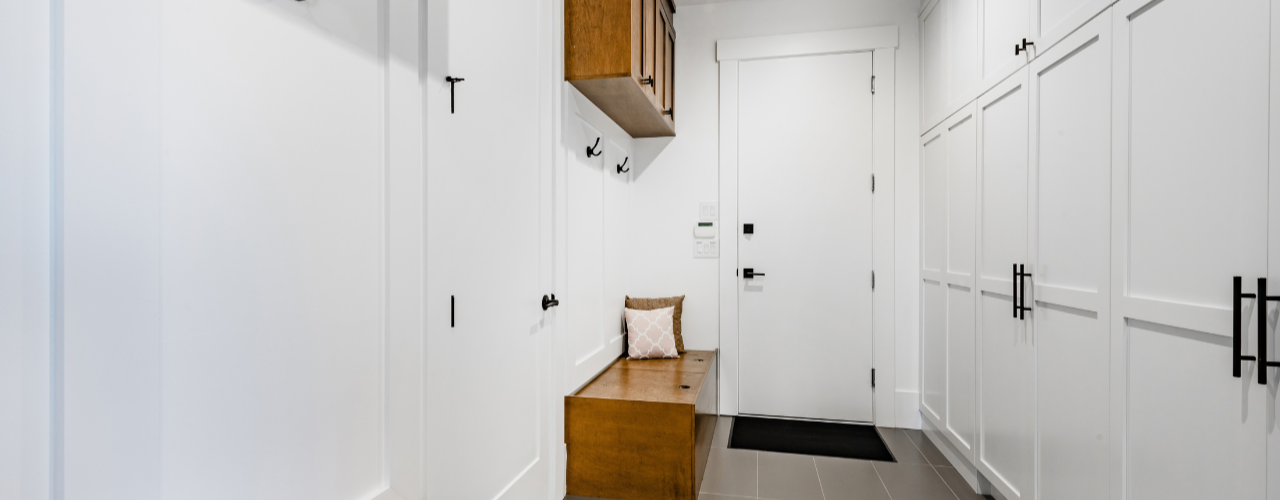
When you come home with muddy boots, an armful of bags and a coat you can’t wait to take off, it’s nice to have somewhere to put it all. With a mudroom, you can leave the outdoor mess at the door instead of carrying it through the house. Traditionally, you’d set aside a separate room, but you can just as easily use a hallway, an entryway closet, a laundry-room corner or a stretch of wall near the entrance.
Is Your Home Office Worth the Rent? What Coworking and Self Storage Could Save You
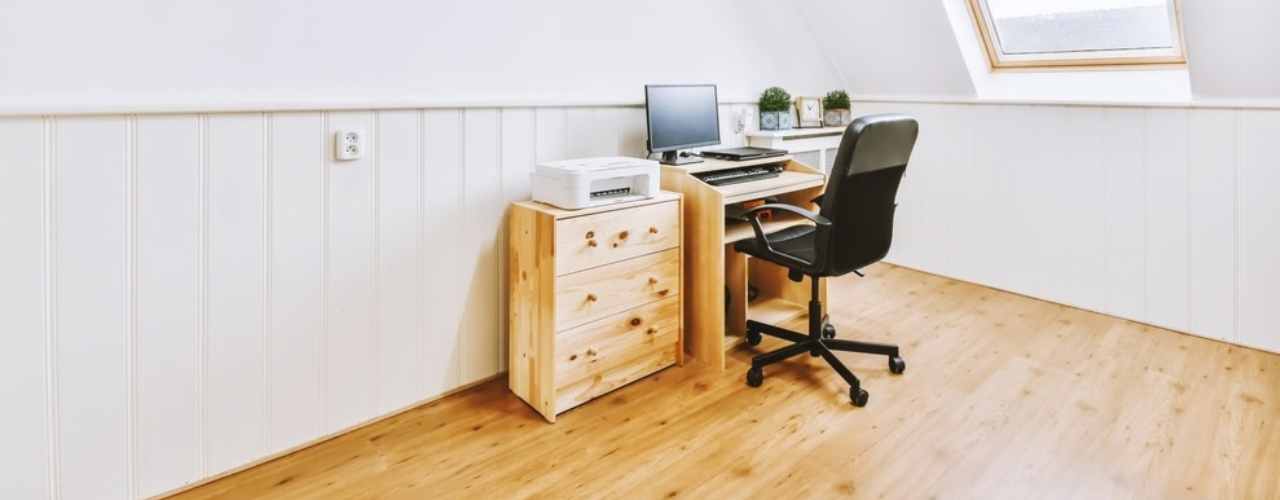
Every square foot of your apartment comes with a price tag, and a home office claims more of them than most renters expect. It starts with a desk. Then come the second monitor, the printer, the filing cabinet and the overflow boxes. Before long, the corner you set aside for work has turned into a small room you are paying for every month.

Best U.S. Cities to Live Uncluttered: Plano, TX, Offers the Most Room to Breathe
Clutter is in our homes as much as in our heads. Both are shaped by where we live.

America’s Top Snowbird Destinations for 2026–2027: Florida Leads in Numbers, Texas Wins on Value
For Americans living in colder states, the approach of winter is reason enough to start looking south. Cold weather carries costs that go beyond the heating bill and shoveling snow. Seasonal affective disorder(opens in new tab) is far more prevalent in northern states, so a temporary move south isn’t simply an escape from the cold, but a chance to spend the hardest stretch of winter outdoors and in the sun.

How Much Does Halloween Really Cost in 2026? Plan Wisely to Avoid the Scare of Hidden Costs
Americans’ love for Halloween is almost frightening — this year alone, we are on our way to spending $13.5 billion, according to data from the National Retail Federation(opens in new tab). That breaks down to about $115 Halloween costs per person, a whopping 49% more than 10 years ago.
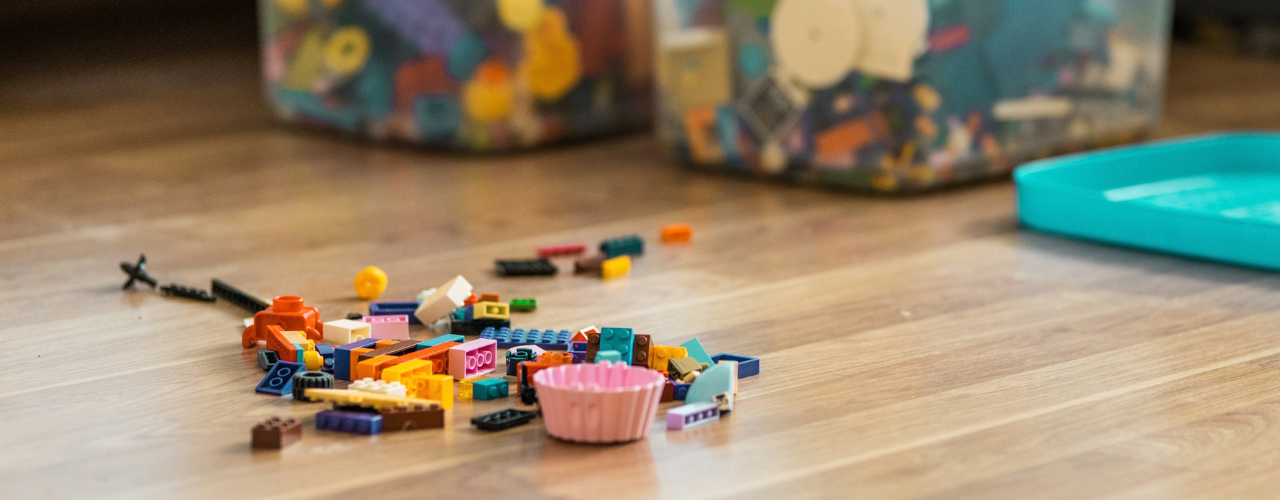
How to Store LEGOs: All the Fun, None of the Clutter
How to store LEGOs largely comes down to how your household uses them. If the bricks are part of everyday play, you need a setup that keeps them within easy reach and makes cleanup quick (for your feet’s sake, at least). Toy storage(opens in new tab) such as simple bins, playmats or containers that children can put away themselves may be enough. Larger or more serious collections usually need more organization, such as labelled drawers for loose pieces, trays for unfinished builds, shelves for completed models and separate storage for retired sets.

Cardboard Costume Guide: Tips and Ideas for a DIY Halloween
Whether for kids or adults, cardboard costume ideas often make the biggest splash once materialized, and that’s for a simple reason: doing a lot with a little is a universally impressive feat (especially in this economy). If you don’t have enough boxes you could temporarily repurpose, don’t worry! There are many places where you can find free moving boxes(opens in new tab), from stores and supermarkets to online groups and recycling drop-off spots. On the run? Try your luck at a self storage(opens in new tab) facility that sells moving supplies, often for cheap. This way, you can choose moving boxes of different shapes and sizes(opens in new tab), so you can make your costumes as complex as you want.