

The self storage industry is in a better spot than other sectors such as brick and mortar retail or tourism, which have been severely hit by the coronavirus pandemic.
As college students were forced to pack up their stuff and leave campuses at short notice, and many young people decided to return to their parents’ homes for the quarantine, a self storage unit became the best place to deposit their belongings. Moreover, millions of employees needed to create space for a home office, which also resulted in an increased demand for self storage.
Under such circumstances, it’s essential for self storage businesses to ensure safe, high-quality services and to demonstrate that they are dedicated to the community they serve. Here are some of the things self storage operators can do to help their customers during the coronavirus pandemic.
1. Ensuring that the facilities are safe and healthy for customers and staff
Self storage is an important service for millions of customers throughout the United States, but in order for operators to be able to keep facilities open under pandemic conditions, they need to ensure a safe and healthy environment for everyone. Measures such as disinfecting all the surfaces and the equipment, plus training employees on how to reduce the risks of transmitting the virus, are mandatory.
Colin Treat, a representative of Doorage.com, an operator providing self storage units in the Chicago, Milwaukee and Madison areas, details how they are managing the current situation: “Given the evolving situation around the Coronavirus (COVID-19), we are taking active measures to ensure client and team safety. All facilities have been given specific instructions on reducing the transfer of the virus from surfaces.”
“All trucks and equipment are being sanitized multiple times every day. All warehouse and field team members have been given proper supplies such as sanitizing sprays, hand sanitizer, and gloves. All field employees have been given specific instructions to avoid transmission of COVID-19 including distancing, avoiding all physical contact, and self-reporting any health concerns,” added Doorage.com representative Colin Treat.
2. Supporting customers through discounts, waivers, and more
For many Americans, this situation is sensitive not only in terms of health, but also from a financial perspective. Tens of millions of people lost their jobs, and many others are worried about the future. Under these circumstances, gestures such as leniency about payments or postponing auctions go a long way to helping people out, and you might gain your customers’ loyalty in the long term.
Extra Space Storage, a nationwide operator providing self storage units in Washington, DC, Puerto Rico and 40 US states, announced on their website that they will be delaying any auctions and are encouraging stores to be lenient about late fees during this time.
College students needed self storage this spring more than ever. Due to safety measures being taken by most universities, many families have found themselves in difficult situations. Many students have been instructed to leave campus within a week, leaving them with a short and unexpected window in which to deal with all their stuff.
Making sure they had enough time to store their belongings but also offering discounts was how many self storage operators decided to help this category of customers. “We have expanded hours to 7:30 am until 8:30 pm CST. We have added an additional delivery and pickup window of 7 pm to 10 pm on top of our standard service windows. All student orders are going to be 10% off,” added Colin Treat from Doorage.

3. Promoting social distancing measures
Social distancing measures recommended by authorities are our main weapon against the coronavirus pandemic, and the public and all businesses, self storage included, need to follow them as closely as possible. Self storage operators must instruct their employees to report any health-related concerns and to stay home if they show any symptoms of respiratory disease. It’s equally important to let customers know they have to postpone any visits to a self storage facility if they have been exposed to COVID-19 or if they have any symptoms typical of it.
Other measures that can be taken during this period include installing kiosks that limit the need for customers and employees to interact, and providing face masks, gloves and disinfectants for both staff and visitors. In case direct communication with a customer at the facility is necessary, it should be done from a distance of at least 6 feet and from behind some type of acrylic sneeze guard.
4. Going online as much as possible
Facilitating online operations is another way that self storage operators can help their customers during the coronavirus pandemic. The vast majority of facilities already allow renting a self storage unit online and paying the monthly rate the same way. Self storage operators that don’t yet have a strong online presence could also dedicate some time and resources to improving this side of their business.
Being connected to customers’ and communities’ needs and taking steps to provide safe and uninterrupted services will help the self storage sector navigate the uncertain waters we’re dealing with successfully and emerge stronger from this crisis.


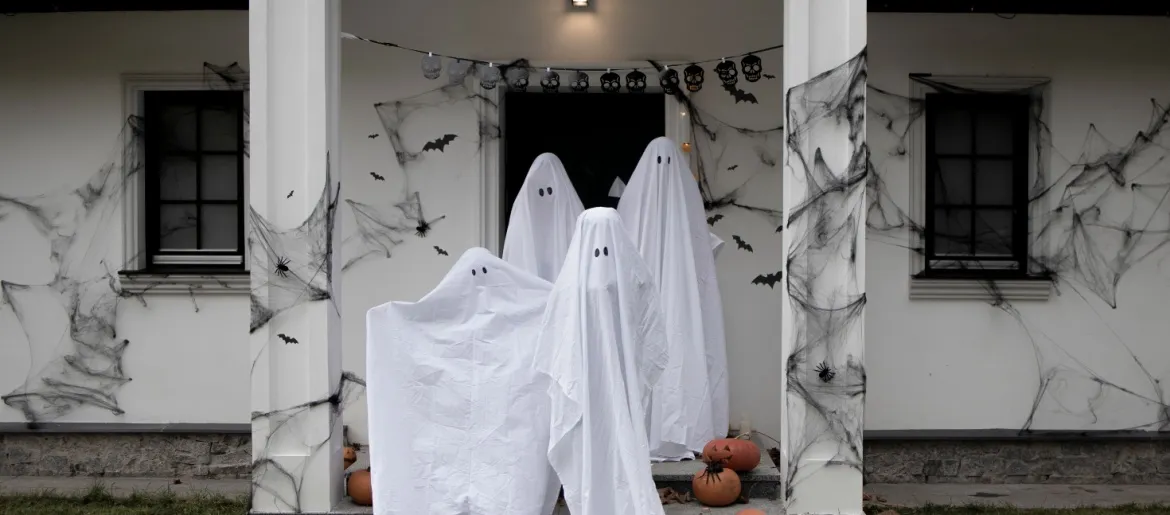
How much does Halloween really cost in 2026? Plan wisely to avoid the scare of hidden costs
Americans’ love for Halloween is almost frightening — this year alone, we are on our way to spending $13.5 billion, according to data from the National Retail Federation(opens in new tab). That breaks down to about $115 Halloween costs per person, a whopping 49% more than 10 years ago.
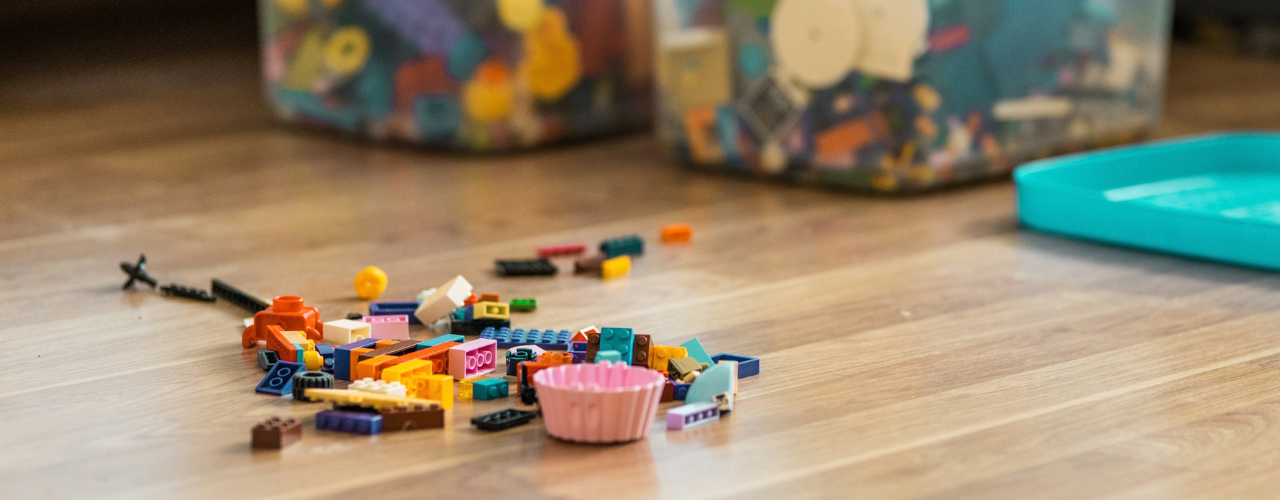
How to Store LEGOs: All the Fun, None of the Clutter
How to store LEGOs largely comes down to how your household uses them. If the bricks are part of everyday play, you need a setup that keeps them within easy reach and makes cleanup quick (for your feet’s sake, at least). Toy storage(opens in new tab) such as simple bins, playmats or containers that children can put away themselves may be enough. Larger or more serious collections usually need more organization, such as labelled drawers for loose pieces, trays for unfinished builds, shelves for completed models and separate storage for retired sets.

Cardboard Costume Guide: Tips and Ideas for a DIY Halloween
Whether for kids or adults, cardboard costume ideas often make the biggest splash once materialized, and that’s for a simple reason: doing a lot with a little is a universally impressive feat (especially in this economy). If you don’t have enough boxes you could temporarily repurpose, don’t worry! There are many places where you can find free moving boxes(opens in new tab), from stores and supermarkets to online groups and recycling drop-off spots. On the run? Try your luck at a self storage(opens in new tab) facility that sells moving supplies, often for cheap. This way, you can choose moving boxes of different shapes and sizes(opens in new tab), so you can make your costumes as complex as you want.

How to Celebrate Halloween: 9 Non-Spooky Ways To Enjoy It
As soon as October starts, it’s the official Halloween month. And while for many people it means it’s open season to get the scare of a lifetime, others, especially families with small children, might prefer to celebrate in a tamer way that’s both kid- and adult-friendly. While you’re likely to find more events where the spook factor is high, here’s how to celebrate Halloween in a not-so-scary way:

Motorcycle Storage Guide: How to Store Your Bike Safely
Motorcycles may be born to be wild, but eventually even the wild ones need somewhere to park. Whether riding season is winding down or your current living situation comes with plenty of square footage for you and less for your bike, motorcycle storage is one of those parts of ownership that doesn’t get as much airtime as the open road.

Halloween Decorating on a Budget (And Cheap Ideas for Everything Elsee)
Halloween has crept a long way from its eerie origins. While All Hallows’ Eve has transformed through the centuries, it wasn’t until the 1930s that trick-or-treating became a tradition in the U.S. and businesses began conjuring up mass-produced Halloween costumes. Now, Halloween is a monster-sized, billion-dollar industry, with a cauldron full of costumes and decorations ranging from the mainstream to the macabre. But is it all really worth your wallet? Maybe, but we’ll let you in on a little secret: You can keep your Halloween decorating on a budget and save on everything else, too. Take this plan and see it through!

Moving From a House to an Apartment: What to Expect, How to Downsize & How Self Storage Helps
For some, moving from a house to an apartment is a financial decision. For others, it’s about simplifying life. Maybe the kids have moved out and half the house sits empty, or you’re approaching retirement and no longer want to spend weekends on repairs. Or perhaps you’ve been weighing the cost of buying a home and wondering whether renting simply makes more sense right now.

Family Heirlooms Overload: How to Handle Family Inheritance Without Regret
Handling family heirlooms after a loss requires managing legal authority, emotional pressure and practical logistics at the same time, and the order you take them on matters more than most people expect.
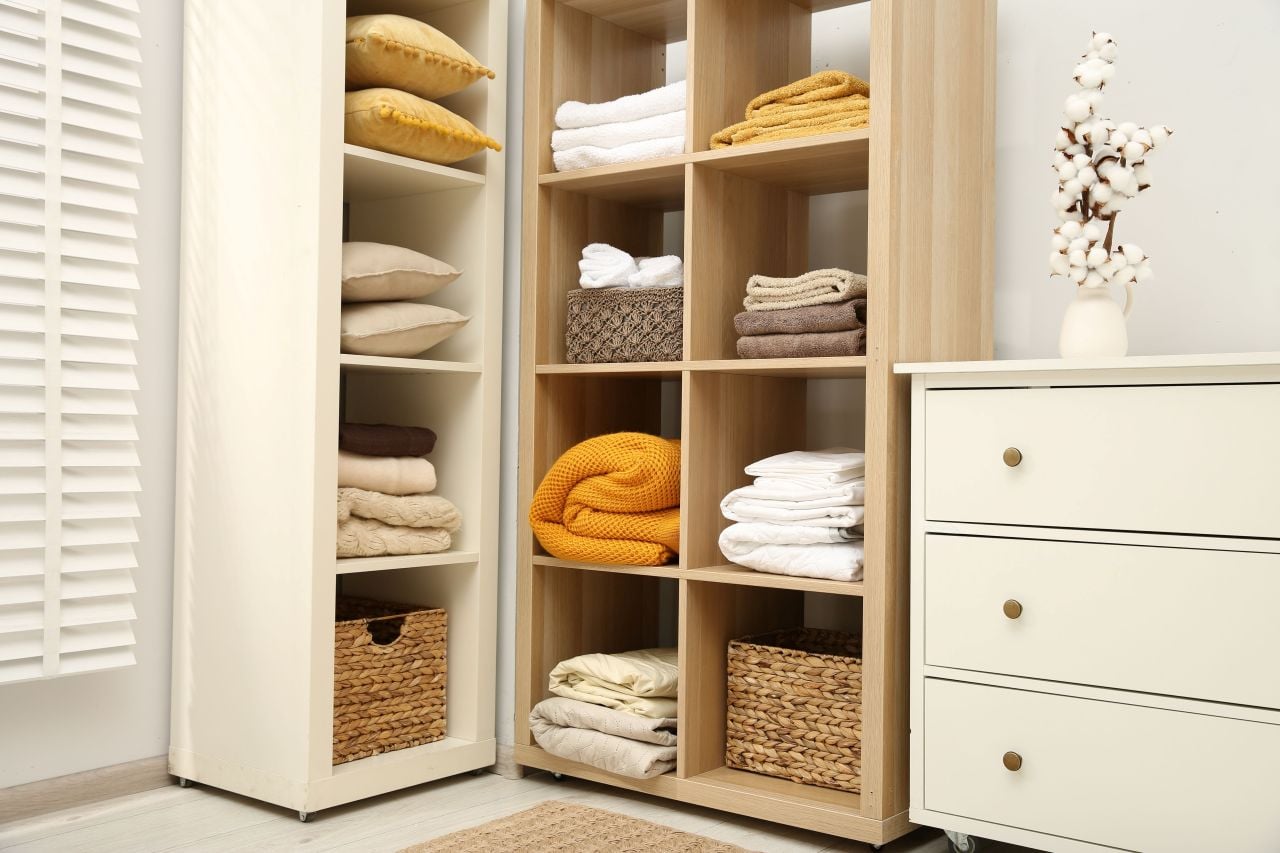
Blanket Storage: The Right Method for Every Space and Season
Blankets make our lives cozier, and storing them well is what keeps them soft and comfortable in the long run. Knowing how to store a blanket properly means your favorites come out of storage smelling fresh, feeling the same as when they went in, and lasting years longer than they otherwise would.