
A Guide to Handling And Storing Your Stamp Collection That’s Sure To Get Your Stamp Of Approval

Did you know that stamp collecting began back in 1840 when the Penny Black, the first pre-paid postage stamp, was issued? Ever since then, stamps have delighted the minds and hearts of collectors looking to preserve bits of history, culture and special moments frozen in time that have come to define our national identity. As it happens, stamps have come to feature superheroes, music stars, landscapes and more, catering to a wide pool of interests. If you’re new to the world of stamp collecting, you might wonder how to maintain the quality of your collectibles. To help you get started on this wonderful journey, we’ve put together a guide to caring for and storing your stamp collection below:
How to handle stamps to best preserve them
Did you know that touching your stamp bare-handed can damage them? That’s because fingertips secrete oils that can have this effect on your stamp collection. That’s why it’s important to handle your stamps correctly with the correct tools. Here are some stamp collection care essentials you might need:
- Handling gloves
Besides tongs, lint-free cotton gloves also help to protect your stamps from oil and moisture being transferred from your hands onto your collectible.
- Magnifying glass
This tool allows you to closely examine stamps and check their condition. You can use it when you take stamps from storage to check for any potential damage.
- Watermark detector fluid
This is an old-fashioned method to help reveal the watermark on your stamp. You’ll need a watermark tray and the watermark fluid to help make the watermark on your stamp visible again.
- Perforation gauge
If you’re a serious stamp collector, you can’t do without a perforation gauge. It’s a useful tool helping to differentiate between two stamps that otherwise, look identical. It measures the number of holes within a small-scale range on the edge of a stamp – also called a “gauge”. The United States Specialist Gauge is the best one available for US-issued stamps. If your philatelic passion extends to overseas stamps, you might want to turn to the Gibbons Instanta gauge, widely used in the UK and Australia.
- Color guide
What is it, and why would you need it? It’s a sort of catalog keeping track of the various colors your stamp can come in. It’s important to correctly identify the colors for your stamps to help you “ID” a stamp. You can consider the “G&K Wonder Color Guide,” which features 140 colors associated with US stamps.
- Storage “cases”
You will also need to decide on a storage case for your stamps, whether it’s albums or another type of storage method.
- Stamp tongs
Stamp tongs are an essential for any stamp collector as it prevents you from directly touching your precious collectibles. You’re better off with spade-end tongs as opposed to the pointed ones.

Having the right tools and supplies to handle and care for your stamps, you’re prolonging the life of your stamp collection so that you can enjoy it longer. But correctly handling your stamps is just one step to get there. It also helps you to know which conditions can deteriorate your stamps, such as:
- Humidity
Humidity is one of the main environmental conditions to look out for when it comes to your stamps. High humidity can cause stamps to warp and can foster mold and mildew growth. Consequently, the value of your collection can be impacted. You can use a dehumidifier if you have the room to keep humidity between 35% and 55%, which is ideal for stamp storage.
- Temperature
Extreme temperature – whether high or low – as well as temperature fluctuations can also negatively affect your stamps. Many materials, including paper, expand and contract under such conditions. To prevent any of these mishaps, ideal temperatures for stamp storage are between 65° F and 72° F.
- Sunlight
Exposing stamps to sunlight is no different than letting your furniture or artwork sit in the sun. Cracking, color changing, fading and yellowing can occur. To prevent any of these occurrences, keeping your collection in the dark is the best way to go about it.

Where to store stamps
If you have a sizeable stamp collection or you’re just starting out, it’s important for it to have a home. Here’s what you consider in this respect:
Storing your stamp collection at home
If you’re going for home storage, make sure that you choose a room that has AC to control humidity and temperature. Place your collection in a dedicated cabinet to keep it away from light exposure. You can also add a few silica gel packets in the box or cabinet hosting your stamps to absorb any unwanted moisture. Avoid keeping your collection in the attic or the garage, where it’s more difficult to control humidity and temperature.
Turn to a climate-controlled storage unit for ideal stamp preservation
Keeping your collection at home might be more challenging if you live in a smaller home or if you don’t have enough room to store them in the areas of your home that have AC. Therefore, you can put your stamp collection in storage, in a climate-controlled unit. Stamps are items that can benefit from climate control, as they provide ideal humidity and temperature that can ensure stored items remain in good condition while they’re stored. Keeping your collection in good condition is essential, especially if you own valuable stamps.
As far as pricing is concerned, a climate-controlled 10’x10’ unit costs $136/month, but costs vary based on location and other amenities. To see how other specific locations far, check out self storage rates in some of the largest cities below:
[vc_column width=”1/3″][vc_column_text]
[/vc_column_text][/vc_column]
[vc_column width=”1/3″][vc_column_text]
[/vc_column_text][/vc_column]
[vc_column width=”1/3″][vc_column_text]
[/vc_column_text][/vc_column]
When storing your stamp collection, make sure it’s not sitting directly on the floor, as this leaves it vulnerable to water and pest damage. Place it somewhere higher to avoid it getting crushed by heavier boxes or objects sitting on top.
How to store stamps
You might be wondering about the best method for storing stamps and that’s a sensible thing to do as it is crucial to preserving the quality of your collected stamps. Let’s take a look at the most common options to do so:
Stamp albums
Stamp albums are created especially for stamps from a specific country, time period or theme. They also allow the collector to fit their stamps in their dedicated slot which also comes with a description. This way, you can easily organize your collection by a clear criterion.

Stockbooks
If you prefer a blank canvas that you can organize to your liking, a stockbook is ideal for storing your stamps. You can place stamps of various sizes and time periods as you see fit, as well as add notes. This is a good choice if you enjoy customizing your stamp collection to your liking.
How to mount stamps
Mounting your stamps refers to the method of attaching each stamp to your album or stockbook. There are several methods to do that, as follows.
Stamp hinges
Hinges are small folded pieces of paper or plastic used to keep the stamps. It attaches to the back of the stamp before being affixed to your album or stockbook. Good quality hinges allow peeling without causing damage, but residue can still remain which affects the value of the stamp. For this reason, use hinges if you’re an experienced stamp collector and know how to handle them correctly.
Stamp mounts
They’re small plastic sleeves and offer a more foolproof way of mounting your stamps. To use them, place the stamp inside the mount, gently moisten the back of it and attach it to the album or stock pages. Mounts are recommended for mint condition stamps that retain their original gum. They’re more expensive, but they offer superior protection from moisture, air and dust. Also, they come in various sizes, so make sure to know which size stamp you’re trying to accommodate when shopping for them.
Knowing how to care for your stamp collection is key to ensuring the longevity, value and aesthetic of it, whether we’re talking using the right supplies, storing your stamp collection in the best way possible. Happy stamp collecting!


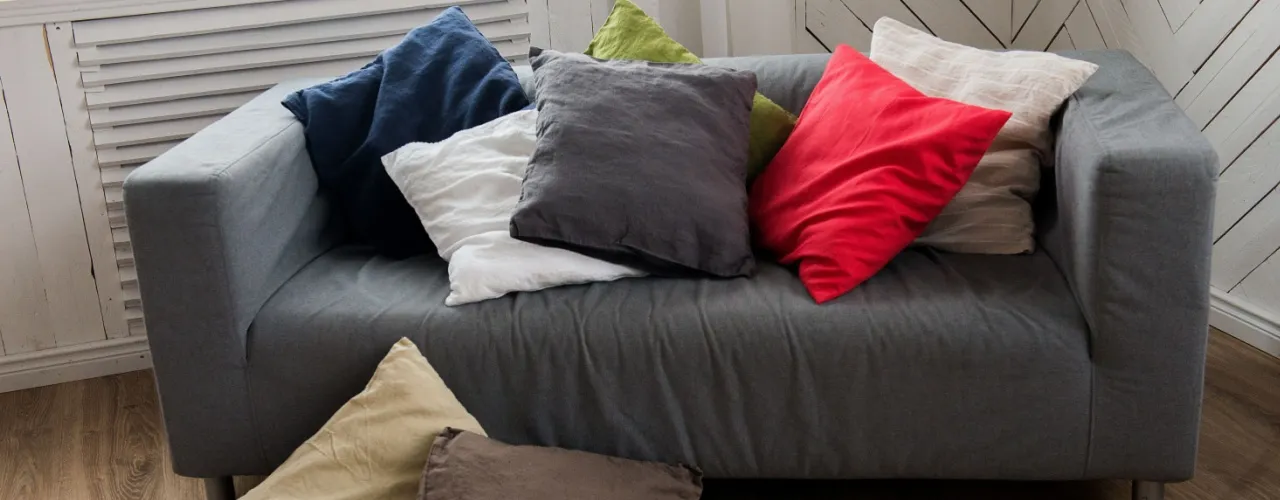
How to Store Pillows Long-Term Without Ruining Them
Pillows are one of those household items we don’t think much about until we pull one out of a closet and it smells stale, feels flat or looks oddly misshapen. Whether you’re rotating seasonal bedding, setting up a spare bedroom for guests, moving homes, or just trying to declutter, knowing how to store pillows properly makes a real difference.

Best States for EVs in 2026: The West Leads, But North Carolina Is Closing Fast
Rising oil prices are hitting American households hard — and nowhere more than among the long-distance commuters who fled big cities during the pandemic in search of cheaper housing, only to trade rent savings for higher fuel costs. For that group — and for a growing number of cost-conscious drivers — the case for going electric has rarely been stronger.

How to Store Wine the Right Way for Long-Term Enjoyment
How to store wine properly depends on what you’re storing and how long you plan to keep it. A few bottles you’ll open soon don’t require the same conditions as wine meant to age for a year or more. The good news is that proper wine storage isn’t complicated. With a few simple adjustments, you can protect flavor, balance and aging potential. Whether you’re keeping a modest collection at home or exploring specialized self storage options, understanding the basics ensures your bottles remain in good condition until you’re ready to open them.

How to Make Living with Roommates Work in Real Life
Living with roommates can save you thousands of dollars a year. In many cities, it is the only realistic way to afford a decent apartment in a good neighborhood. That is one reason shared housing continues to grow, especially among young professionals and renters in high-cost markets.
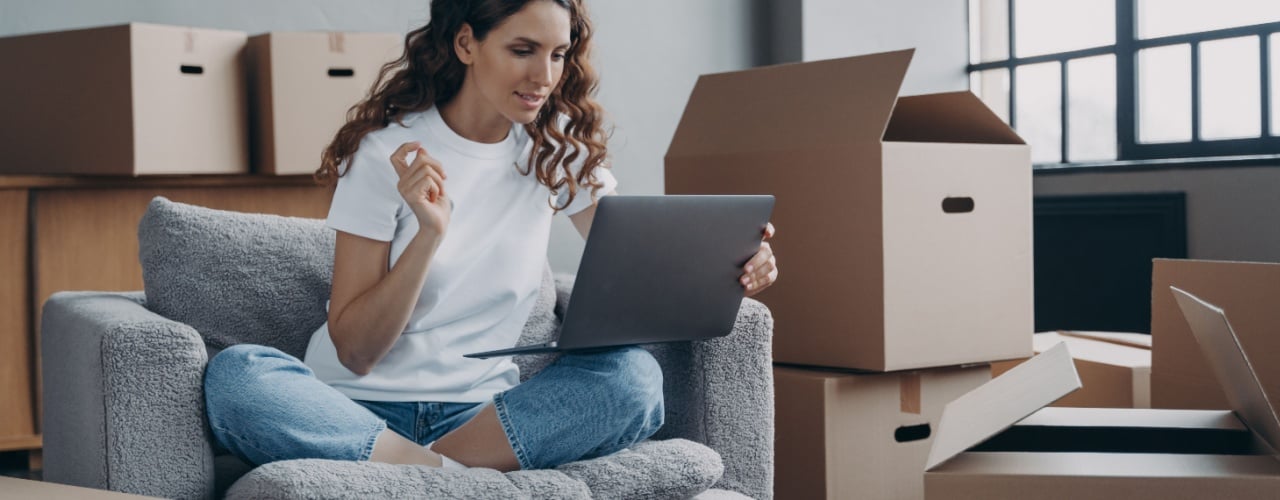
How To Find Cheap Storage: 8 Easy Steps
Cheap storage becomes much easier to secure when you focus on one clear goal: pay only for the space and features you truly need. Small units, non-climate-controlled space, move-in promotions and facilities outside the highest-priced neighborhoods often provide very attractive value, while careful comparison across providers helps you locate the lowest rates for both small loads and sizeable household contents.
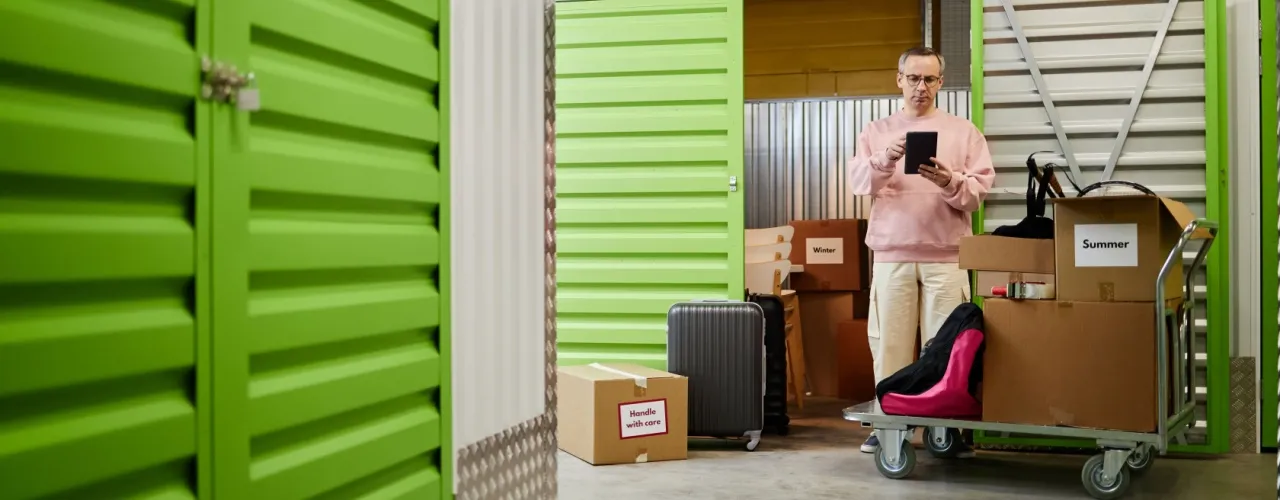
Best Websites For Finding Storage Units (Without Overpaying)
If you’re looking for a storage unit, you likely want two things: to see what’s available near you and to avoid overpaying.
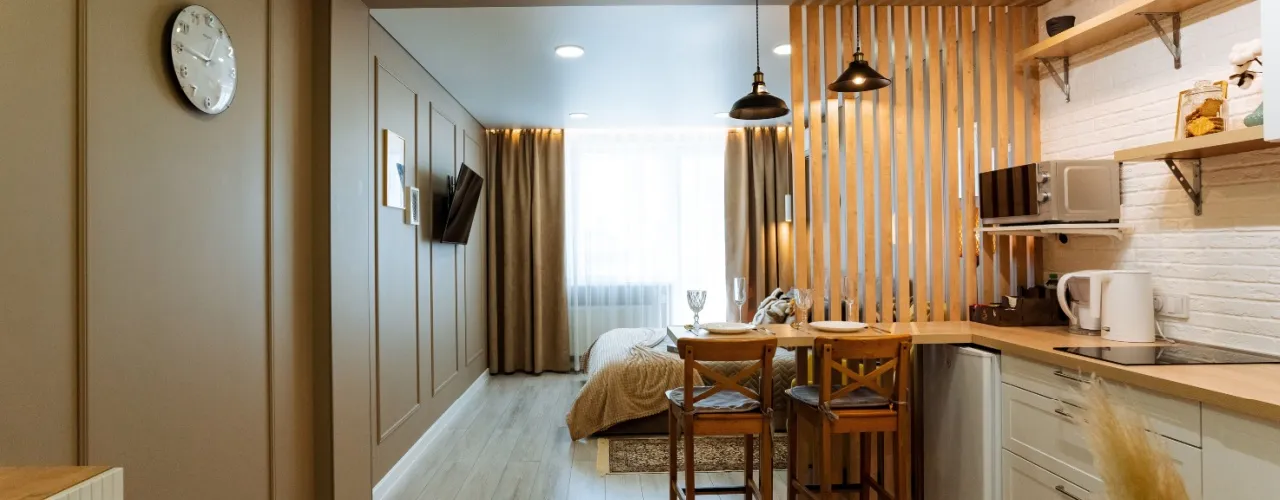
Small Apartment Storage Ideas: How to Maximize Space and Make It Feel Like Home
Living in a small apartment doesn’t mean settling for cramped or chaotic. With the right systems in place, even limited square footage can feel organized, functional and surprisingly comfortable.

10 Small Bathroom Storage Ideas to Maximize Your Space
Your bathroom is one of the most frequently used areas in your home, which makes it especially prone to clutter. Toiletries build up quickly, towels multiply, and laundry bins can easily overwhelm the room, particularly in a compact layout. If you’re working with limited square footage, the right small bathroom ideas can help you stay organized without sacrificing style.
StorageCafe Now Has a Dedicated Car Storage Directory – Here’s Why That Matters
If you’ve ever searched for car storage and ended up wading through listings for 5×5 climate-controlled units, you know the problem. Most storage search tools are built for boxes, not vehicles – and filtering your way to relevant results takes more effort than it should.