

Bikes are great for getting around the city — they’re an inexpensive, eco-friendly form of transportation, and they allow you to squeeze in some extra cardio. If you’re living in a small apartment — as is often the case in large urban areas — storing the bike can be a challenge. Some lucky people have safe, indoor areas in their buildings dedicated to bike storage.
However, most apartment dwellers must find creative ways to store their bikes. Here are some bike storage ideas for apartments and the most important aspects you should consider:

Long term storage?
You might want to put away your bike for the winter or keep using it on daily basis, depending on what the weather is like where you live and your personal preferences. If you’re done with biking for the season, then you need a long-term storage solution to keep your bike safe and out of your way during the cold months. Here are your main options:
- Disassemble your bike and put the parts in a bike bag. Bike bags are specially designed to hold the different components of a bike, such as the frame, wheels, handlebars and seat, and they’re quite compact, taking up very little space. Once you put the bike parts in the special bag, you can store it virtually anywhere — inside a closet, or on top of a tall piece of furniture.
- Get a self storage unit for your bike and other sporting equipment or seasonal items. Instead of cluttering your small apartment with items you don’t use daily, you can keep them safe and easily accessible at a storage facility located close to your home. Self storage is also quite affordable, so it won’t put a strain on your budget. You can rent a 5×5 unit in Atlanta, for example, for as low as $50 per month; A similar storage locker starts from $56 in Madison, WI and you can rent one in the Washington, DC area for $57.
- Hang it from the ceiling — there are different products that help you suspend your bike from the ceiling. It will definitely be out of your way, but, if you’re renting, you should also consider the fact you’ll have to fix the holes you made in the walls before moving out.
The best ways to store your bike in your apartment when you’re using it every day
If you want access to your bike every day, things are a bit more complicated. You have to store your bike inside the apartment so that it’s not in your way, but you also need easy access to it. Here are some ideas on how to achieve both your goals:

- A freestanding floor bike rack — this very basic and inexpensive bike rack can hold more than one bike if you have the floor space for it. If your building allows, you can also keep it in the hallway, next to your entry door.
- A vertical bike stand — it’s a great solution for apartments because it saves a lot of space. The downside is that it only holds one bike, so if your partner or roommate is also into biking, they’ll have to get another one.
- Hang the bike on a wall — there are several solutions for storing the bike on a wall. You could get a simple pair of hooks, which will do the job, but are not very aesthetically pleasing. Or you could get a somewhat more elaborate one that is padded, so it protects your bike from scratches. For apartments with more than one person using a bike, a freestanding vertical rack could also be a great investment.
- Get a bike dock — they look pretty good and, besides your bike, they also provide the space for storing your other biking equipment, like your helmet and shoes.
- Go back to basics — can you create a bit of space between a wall and a massive piece of furniture, like a sofa or wardrobe? You could then simply slide your bike in there and skip the need for buying other devices. However, make sure that there’s enough space to slide your bike in and out without scratching it or damaging the furniture and the walls.
How to protect your bike during winter
Whether you intend to store your bike during the cold season or keep using it every day, there are a few steps you need to take to protect it. Here’s what you should do:

- Before storing your bike for the winter, make sure you wash it thoroughly with a soft brush or cloth and some dish soap.
- After cleaning it, let it dry completely before putting it in any type of storage. It’s also recommended that you clean and lubricate the chain and inflate the tires.
- In case you’re planning to store it in a standing position, you must check the pressure in the tires every few weeks; if the tires are deflated, your bike’s rims will get damaged.
If you’re using your bike every day during the winter – and also bringing it inside – it’s important to follow a few basic rules to protect your safety, your bike, and your home.
- Make sure that your tires are suitable for cold weather and frozen, slippery roads. Also, check the pressure in your tires every few days or so and inflate them when needed.
- Clean the chain and the gears regularly, every week, and lubricate the components that need lubrication.
- Check your shifter cables and change them when needed, as rain and snow will reduce their performance over time.
- Use a water-displacing spray on the bike’s frame every few days to protect it from mud and melted snow. Both can be very damaging for bikes, as mud and snow in the cities contain pollutants from cars or the substance used to defrost the roads.
- Wipe your bike and the tires with an absorbent microfiber cloth before bringing it inside.



Best U.S. Cities for Uncluttered Living: Plano, TX, Offers the Most Room to Breathe
Clutter is in our homes as much as in our heads. Both are shaped by where we live.

How to Use Silica Gel Packets for Storage
Moisture can cause significant damage to items in storage, leading to rust on tools, mold on clothing and warping in documents. Silica gel uses science to fix that. Often found in small packets inside product packaging, silica gel is a desiccant that absorbs moisture from the air, keeping your stored items dry and protected. This guide explains what silica gel is, how it works and how you can use it to preserve your belongings in self storage.
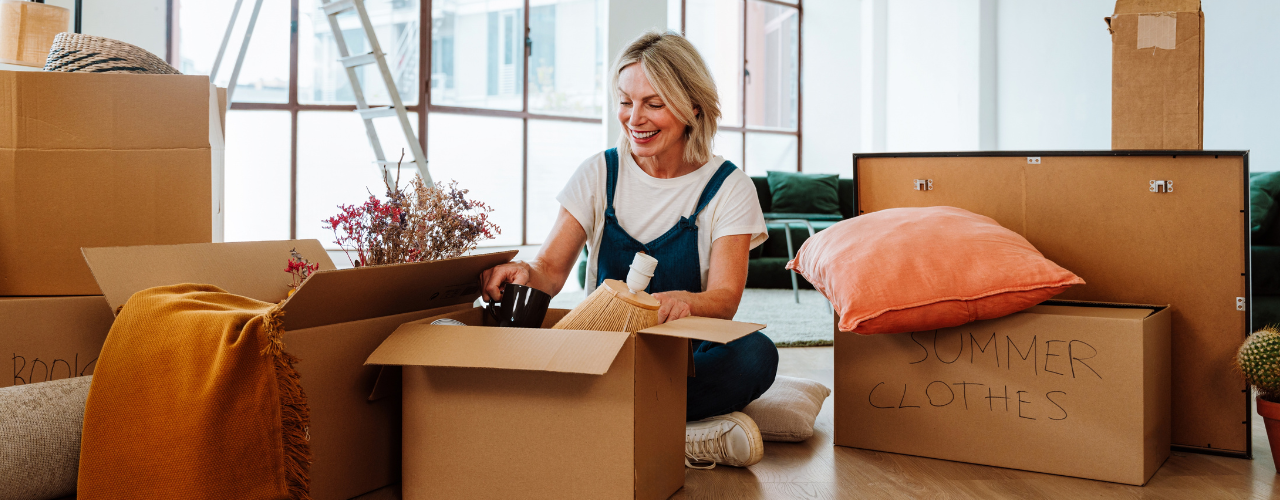
Where to Find Moving Boxes in Los Angeles
Moving in Los Angeles is its own thing, and figuring out where to get moving boxes sorted is just the start of everything you’ll need to organize before moving day.
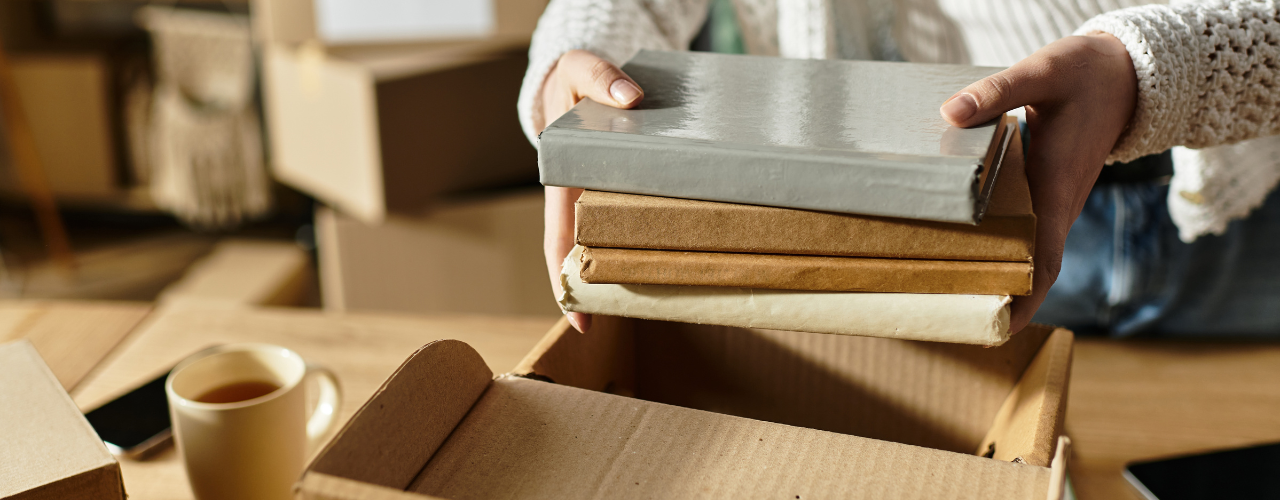
10 Best Places to Donate Books in Philadelphia
Did you know Philadelphia’s book-sharing roots go back to 1731? Benjamin Franklin and The Junto Club gathered their personal collections into a shared library, thus sparking a tradition of pooling knowledge for the common good. Today, you can carry on that spirit by donating books to local organizations and free libraries.
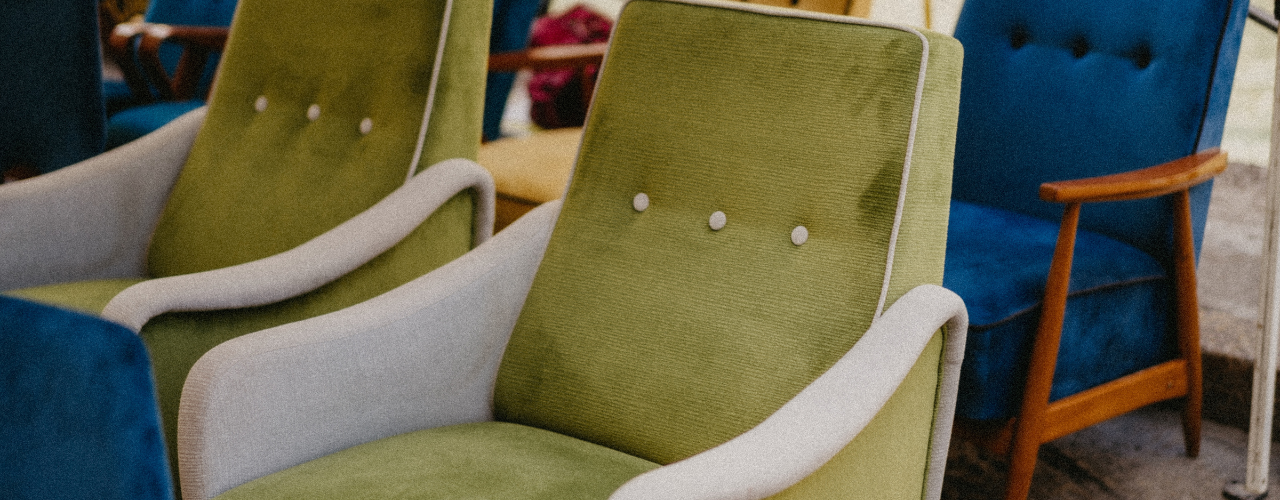
How to Sell Furniture (For Quick Deals and Side-Hustles)
Selling used furniture can be quick, profitable and even rewarding if you know where to list, how to present your pieces and what buyers are looking for. Just a tiny bit of patience and some good planning will take you a long way. This guide covers everything you need to sell your furniture efficiently and safely, for the best possible price.
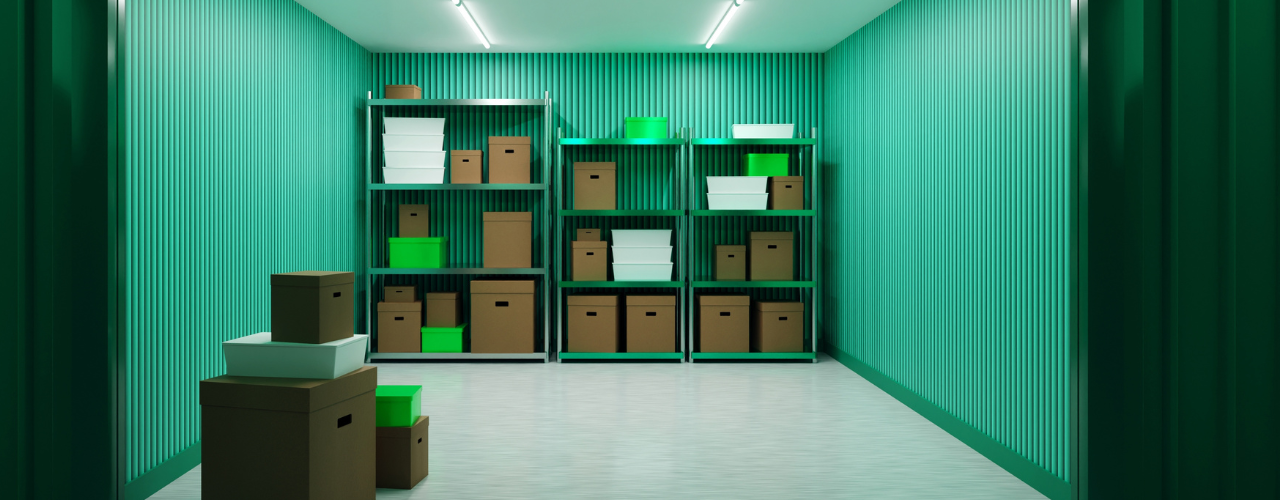
1 in 4 Americans Rent Self Storage — and the Next Wave Is Already Coming
About one in four Americans is already using self storage and just as many are actively searching for a unit online right now. Across the 150 largest U.S. cities, self storage searches rose 23% year-over-year in 2025 — nearly triple the growth recorded the previous year, up from around 8% in 2024.
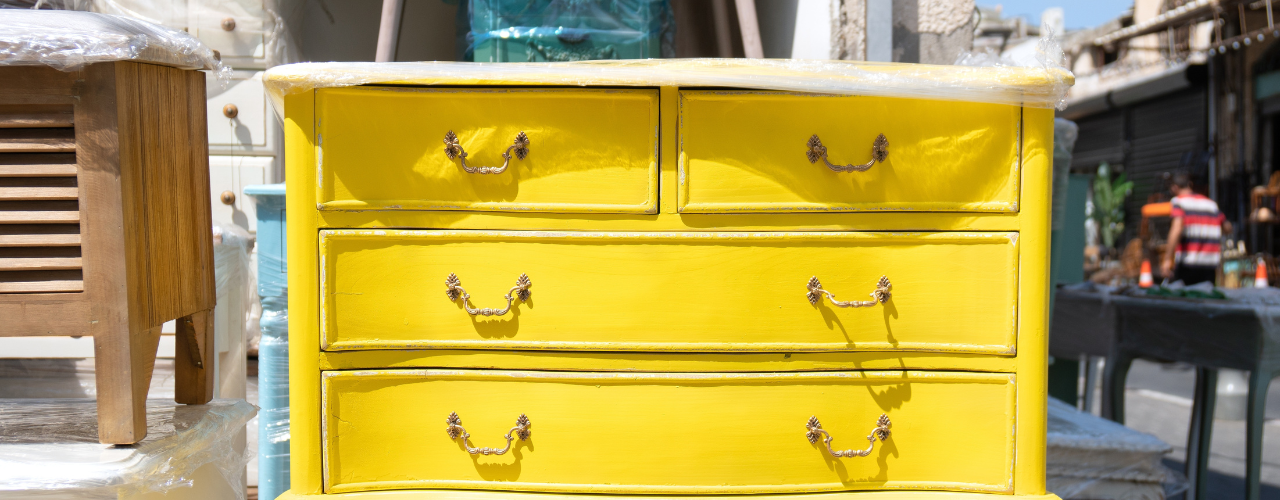
Where to Donate Furniture in Philadelphia
Philadelphia has a strong tradition of giving back, and donating furniture is a practical way to support local charities while freeing up space in your home. Whether you’re downsizing, moving, or just decluttering, there are plenty of organizations ready to take your gently used furniture. And if you’re not ready to part with certain pieces just yet, self-storage can buy you time to decide.

Jet Ski Storage: How to Winterize & Where to Keep Your Watercraft
If you want your jet ski to deliver the fun times for years on end, then proper storage is in order. Leaving it exposed to weather, UV rays, or theft can lead to costly damage, mold, or vandalism. Here’s everything you need to know to store your jet ski safely.
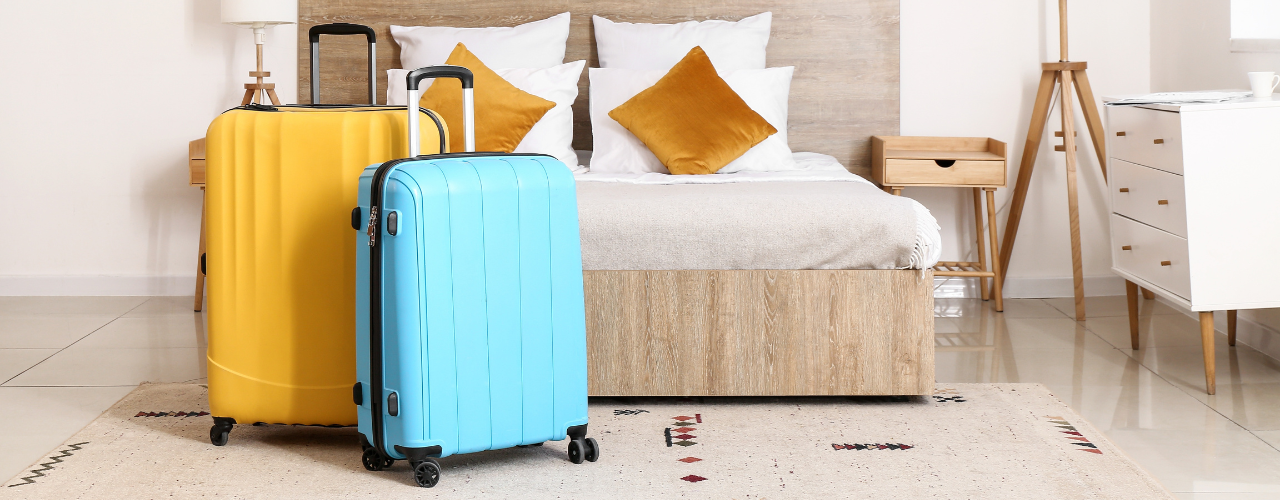
How to Organize a Guest Room: From Decluttering to Storage
A guest room often becomes a holding zone for spare furniture, seasonal bins and unfinished decisions. To reclaim it, start with three basics: a comfortable place to sleep, room for a guest to unpack and the everyday essentials that make the space easy to use.