

Key Takeaways
- Large storage units vary from 10’x20’ to 20’x30’ and can hold contents upwards of a three-bedroom home.
- When choosing a large storage unit, keep in mind height as well as floor space, since vertical room can make a big difference.
- To know what unit size to rent, take stock of your inventory, declutter, shop for options by calling facilities and leave walking room when choosing a unit.
Large storage units start at the 10’x20’ and climb from there. The 10’x20’ is the most common — the familiar lock-up garage you see at nearly every facility. Above it sit the 10’x30’, 20’x20’, and 20’x30’ plus specialist spaces for storing boats, RVs and commercial equipment.
One detail that’s easy to overlook: height. Most standard units are 8 feet tall, while larger and contractor-focused ones often run 10 feet or higher. It matters more than you’d think, because capacity is about volume, not just floor space. When you’re stacking boxes or storing tall items, that vertical room is where much of your value hides — so always ask about ceiling height before you sign anything.
Let’s go size by size so you can find what you need.
The 10’x20’ storage unit
The 10’x20’ is the entry point into large storage and one of the most versatile sizes available. At 200 square feet, it matches the footprint of a classic one-car garage and offers roughly 1,600 cubic feet of total volume.
What it holds: A 10’x20’ comfortably stores the contents of a three-bedroom home, making it a go-to choice for families in the middle of a move. You can fit bulky items like wardrobes, couches, double beds, and kitchen appliances, with room left over for boxes of clothing, books, and household goods. Packed smartly, it holds several rooms’ worth of furniture — three or four bedrooms plus a large living room set.
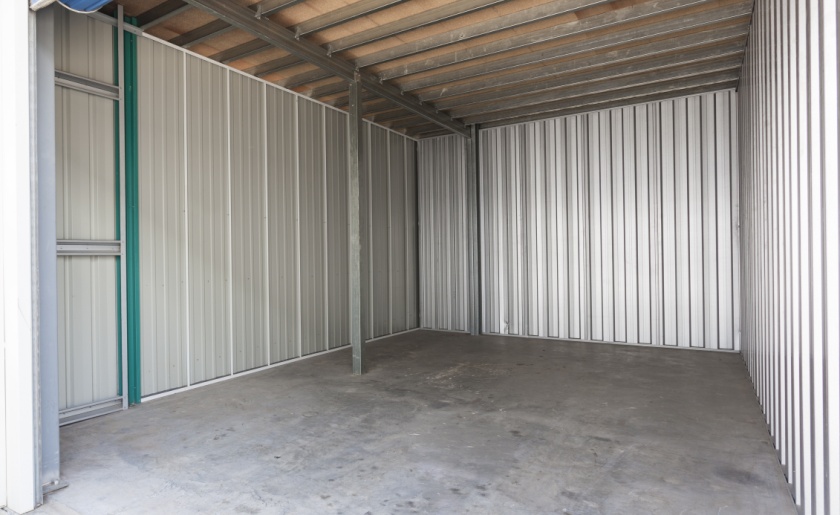
Vehicles: Almost any car fits in a 10’x20’, usually with space to spare for additional belongings. Most minivans work too, and so do small boats — though if you’re planning to bring a boat, you might find yourself needing a bigger unit. Two cars, however, won’t fit here under any circumstances. The average car in the US is about 6 feet wide and nearly 15 feet long, so two of them simply won’t park together. You can pair a car with a motorcycle or ATV, but for two full vehicles you’ll need to size up.
Business use: Contractors, landscapers, and construction companies often rent these units to keep tools and equipment safe and close to their worksites. The month-to-month flexibility and the sheer number of facilities in most cities make this an affordable alternative to leasing dedicated commercial space.
The 10’x30’ storage unit
The 10’x30’ is the largest standard size most facilities carry. It offers 300 square feet of floor space and 2,400 cubic feet of volume at standard height — roughly the footprint of a two-car garage, though deeper and narrower. Because these units are frequently used for specialist purposes, some come with taller ceilings, and a few even include electrical outlets or plumbing, turning them into more than just a place to park your things (with the facility’s permission, of course).
What it holds: This unit accommodates the contents of a loaded semi-truck — essentially all the furniture and belongings from a four-plus-bedroom house. It’s the right call for anyone moving out of a large family home or storing an entire household long-term, such as during a move abroad.
Vehicles: A 10’x30’ easily holds two cars with room left for couches, wardrobes, large beds, appliances, and boxes. Two pickup trucks fit as well, alongside tools and equipment. Boats and RVs are commonly stored in units this size, but RV owners need to watch the height. Smaller Class B motorhomes usually fit under a standard 8-foot ceiling with space to spare, while Class A motorhomes can stand 13 or 14 feet tall and need extra-tall units or open, high-roof parking spaces. Some RVs run longer than 30 feet, so oversized vehicle storage may be the only fit — yet another situation where a phone call beats a guess.
The 20’x20’ storage unit
When the standard 10-foot-wide units don’t cut it, the 20’x20’ steps in with 400 square feet — about the size of a double-wide garage. The extra width changes how you use the space, giving you genuine elbow room instead of a long, narrow corridor you have to dig through.
What it holds: A 20’x20’ comfortably absorbs the furniture and appliances from a four-to-five-bedroom house, including multiple couches, beds, dining sets, and entertainment centers. It’s equally at home with garage contents, workshop benches, home office or retail inventory, large filing cabinets, pallets, equipment racks, and dozens of boxes and bins.
Vehicles: This size handles motorcycles, ATVs, trailers, small boats, and compact cars. It’s a practical choice for protecting a vehicle year-round — though drive-up access and clearance vary by facility, so confirm the dimensions before you commit. Bringing a trailer? Double-check the turning space too; there’s nothing worse than discovering the unit fits but the approach doesn’t.
Business use: Contractors, realtors, and retailers all lean on 20’x20’ units for inventory, supplies, and job-site tools. The square layout makes organizing shelving and equipment far easier than wrestling with a deep, narrow unit.
The 20’x30’ storage unit
At 600 square feet, the 20’x30’ is among the largest units you’ll find — roughly the size of a four-car garage and twelve times the space of a 5’x10’. Some facilities build these specifically for contractors, adding loading ramps and oversized access doors. With ceilings often around 10 feet, total capacity can reach about 6,000 cubic feet.
What it holds: A 20’x30’ swallows the entire contents of a five-to-seven-bedroom house: multiple beds with frames and headboards, sectional sofas, recliners, full appliance sets, and dozens of boxes. It also takes on outdoor equipment like lawn mowers and snow blowers, recreational gear such as kayaks and bicycles, and substantial business inventory.
Vehicles: Cars, SUVs, trucks, small boats, trailers, and ATVs all fit, often with room to spare. Smaller pop-up campers and tent trailers usually work, while mid-sized RVs call for checking your vehicle’s dimensions against the unit’s clearance first.
One caveat on climate control: Larger contractor-style units frequently don’t offer climate control. If you’re storing temperature-sensitive items, you may need to choose a smaller climate-controlled unit or split your belongings across a couple of units. This is precisely the trade-off where calling ahead pays off — the facility can tell you on the spot what’s available and whether a different size solves the problem.
How to know what size to rent: Research, then call
Every storage rental starts with the same dilemma: risk overpaying for a large unit you can’t fill, or risk squeezing into one that’s too small and ending up with boxes stacked on the sidewalk. Get it wrong in one direction and you’re burning money every month on empty air. Get it wrong in the other and you’re playing a frustrating game of furniture Tetris that never quite works out.
Here’s where the overpay-versus-too-small question gets settled.
Take honest inventory of what you’re storing
Boxes of papers stack neatly and reward you with usable vertical space, while fragile and bulky furniture can’t be piled high. A bed can stand on end to save floor space; a refrigerator can’t.
Declutter before you decide
Getting rid of things you’ll never use again can drop you into a smaller, cheaper unit — and that’s money saved every single month. Disassembling furniture, like taking apart bed frames and tables, frees up real room and might let you size down without sacrificing anything.
Match the unit to the job
For a three-bedroom move, the 10’x20’ is usually enough. For a large family home or two vehicles, step up to the 10’x30’. When you need width for furniture sets or commercial inventory, the 20’x20’ makes organizing easier. For the biggest household or contractor needs, the 20’x30’ is the ceiling of standard storage.
Call the storage facilities
But you don’t have to commit blind. After you’ve done the research with a size guide, call the facility (or facilities) directly. Ask whether they’ll let you switch to a bigger or smaller unit on-site if your first pick turns out wrong. Many will, and a five-minute conversation about ceiling height, drive-up access, clearance, climate control, and current specials can save you from both traps — the empty unit you overpaid for and the cramped one that can’t hold everything.
Leave walking room.
In larger units especially, pack so you can reach items at the back without unloading everything in front. A little planning at move-in saves hours later.
Bottom line
Large storage units range from the garage-sized 10’x20’ up to the warehouse-like 20’x30’, and the right choice hinges on your inventory, your vehicles, and how much vertical space you can use.
The dilemma is always the same: overpay for room you don’t need, or undershoot and run out of space.
Luckily, that dilemma is an easy one to solve. Take measurements, declutter, factor in ceiling height, and then call around to ask about sizing flexibility, access, and pricing. Get it right and you’ll have exactly the room you need. And remember: if you bring a boat, you’re going to need a bigger unit.


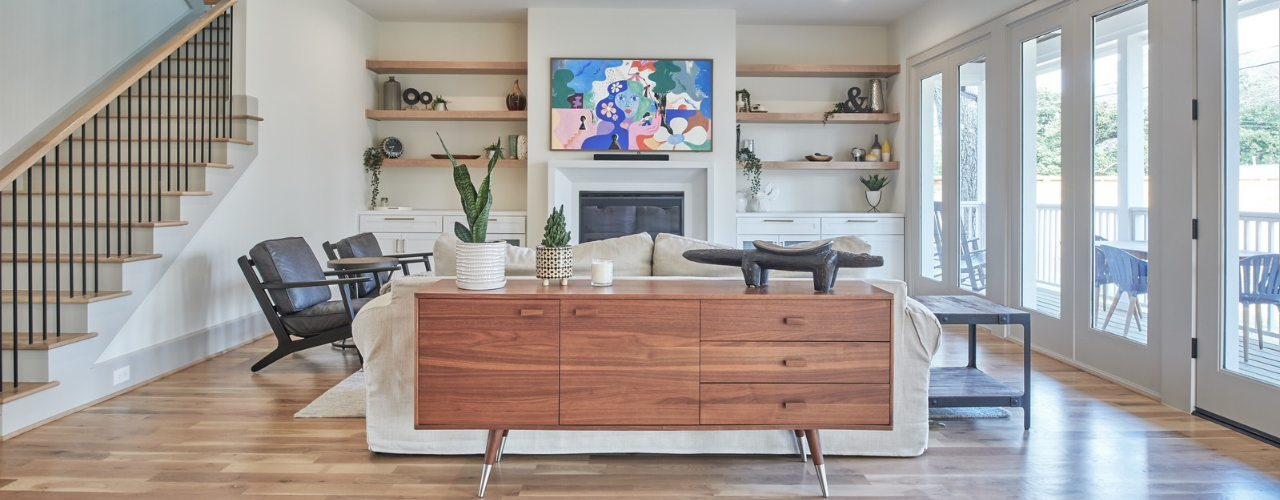
Living Room Storage Ideas: 28 Ways to Reclaim Your Hosting Space
If a living room is where most of a household’s living happens, good storage should be the top priority for setting up or revamping the place. After all, think of how easier it would be to have people over when tidying up the place is just a matter of putting things in their right place (in a time when fewer and fewer people are entertaining friends at home(opens in new tab)). The trick is making room for all those wayward clothes, blankets, chargers and other small things that end up on (or, inexplicably, in) the sofa. Here are 28 living room storage ideas to get you started and make tidying up a quick affair.
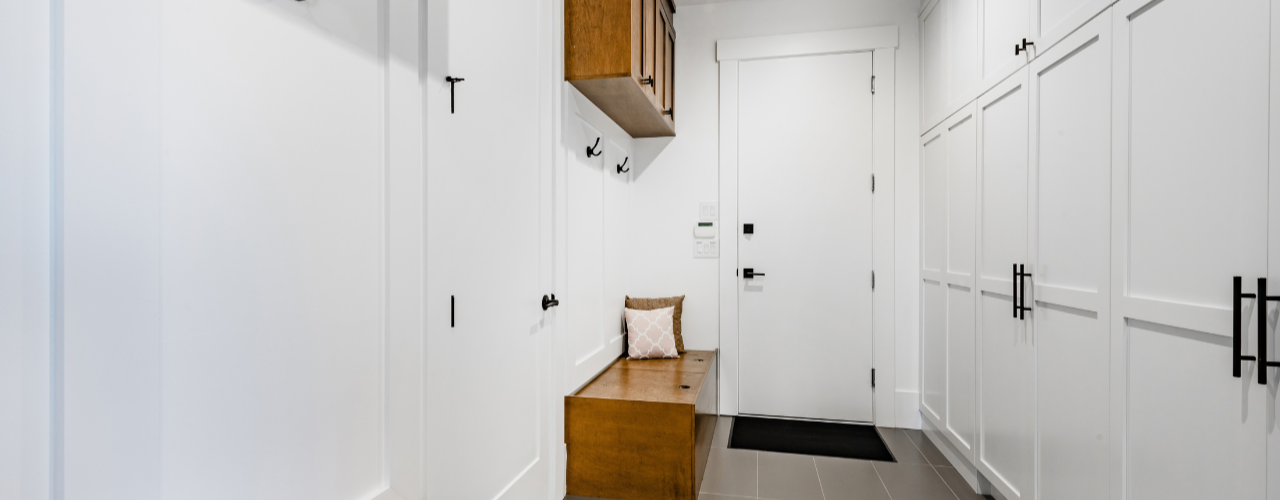
25 Mudroom Storage Ideas (And Mistakes to Avoid)
When you come home with muddy boots, an armful of bags and a coat you can’t wait to take off, it’s nice to have somewhere to put it all. With a mudroom, you can leave the outdoor mess at the door instead of carrying it through the house. Traditionally, you’d set aside a separate room, but you can just as easily use a hallway, an entryway closet, a laundry-room corner or a stretch of wall near the entrance.
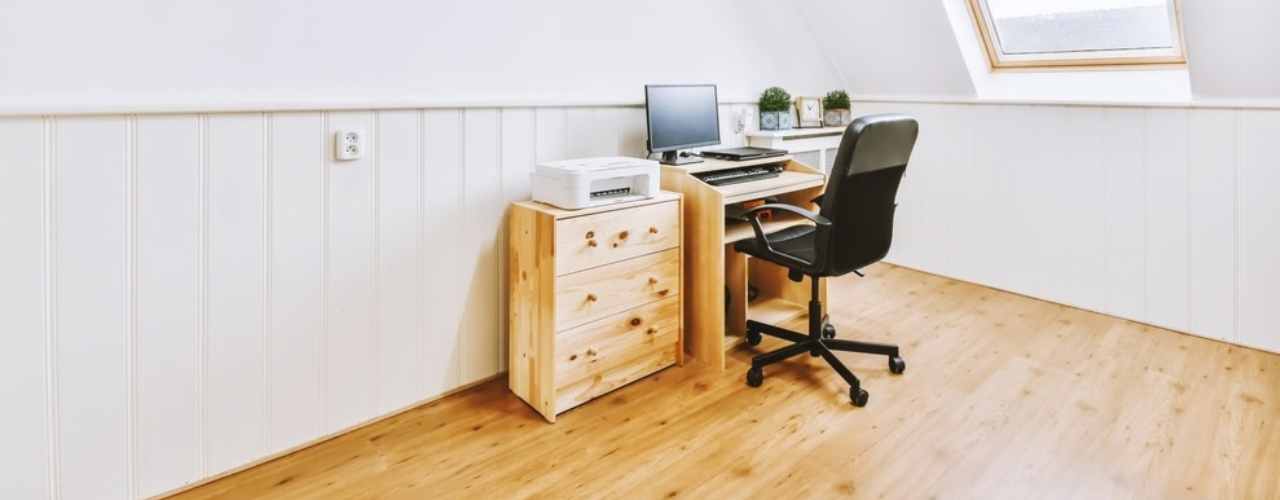
Is Your Home Office Worth the Rent? What Coworking and Self Storage Could Save You
Every square foot of your apartment comes with a price tag, and a home office claims more of them than most renters expect. It starts with a desk. Then come the second monitor, the printer, the filing cabinet and the overflow boxes. Before long, the corner you set aside for work has turned into a small room you are paying for every month.

Best U.S. Cities to Live Uncluttered: Plano, TX, Offers the Most Room to Breathe
Clutter is in our homes as much as in our heads. Both are shaped by where we live.

America’s Top Snowbird Destinations for 2026–2027: Florida Leads in Numbers, Texas Wins on Value
For Americans living in colder states, the approach of winter is reason enough to start looking south. Cold weather carries costs that go beyond the heating bill and shoveling snow. Seasonal affective disorder(opens in new tab) is far more prevalent in northern states, so a temporary move south isn’t simply an escape from the cold, but a chance to spend the hardest stretch of winter outdoors and in the sun.

How Much Does Halloween Really Cost in 2026? Plan Wisely to Avoid the Scare of Hidden Costs
Americans’ love for Halloween is almost frightening — this year alone, we are on our way to spending $13.5 billion, according to data from the National Retail Federation(opens in new tab). That breaks down to about $115 Halloween costs per person, a whopping 49% more than 10 years ago.

How to Store LEGOs: All the Fun, None of the Clutter
How to store LEGOs largely comes down to how your household uses them. If the bricks are part of everyday play, you need a setup that keeps them within easy reach and makes cleanup quick (for your feet’s sake, at least). Toy storage(opens in new tab) such as simple bins, playmats or containers that children can put away themselves may be enough. Larger or more serious collections usually need more organization, such as labelled drawers for loose pieces, trays for unfinished builds, shelves for completed models and separate storage for retired sets.

Cardboard Costume Guide: Tips and Ideas for a DIY Halloween
Whether for kids or adults, cardboard costume ideas often make the biggest splash once materialized, and that’s for a simple reason: doing a lot with a little is a universally impressive feat (especially in this economy). If you don’t have enough boxes you could temporarily repurpose, don’t worry! There are many places where you can find free moving boxes(opens in new tab), from stores and supermarkets to online groups and recycling drop-off spots. On the run? Try your luck at a self storage(opens in new tab) facility that sells moving supplies, often for cheap. This way, you can choose moving boxes of different shapes and sizes(opens in new tab), so you can make your costumes as complex as you want.

How to Celebrate Halloween: 9 Non-Spooky Ways To Enjoy It
As soon as October starts, it’s the official Halloween month. And while for many people it means it’s open season to get the scare of a lifetime, others, especially families with small children, might prefer to celebrate in a tamer way that’s both kid- and adult-friendly. While you’re likely to find more events where the spook factor is high, here’s how to celebrate Halloween in a not-so-scary way: