

Knowing how to store sweaters correctly — folded flat, kept in breathable containers and away from moisture — is what separates a knit that lasts a decade from one that pills or gets eaten alive by moths after a single season.
But the details matter more than most people realize. The sweater sitting in the back of your closet, squeezed between outfits and last season’s purchases, gets worn an average of 46 times a year — close to once a week. That still leaves roughly six days out of every seven when it sits untouched, folded away or pushed to the back of a drawer. Over a five-year lifespan, that means your sweater’s fate is shaped less by how often you wear it and more by what happens during all those quiet, unworn days in between
The difference usually comes down to a few simple habits. Or, to put it another way, if you want your favorite knits to stay in the loop, don’t leave them hanging by a thread.
How to prepare sweaters before storage
Before a sweater goes into storage, it should be clean, fully dry, repaired where needed, and emptied of anything in its pockets. A sweater that goes in good condition is much more likely to come out that way. Work through this checklist before anything goes into a bin or onto a shelf.
- Wash or dry-clean sweaters before storing them. Even garments that look clean can carry traces of body oils, perspiration or food residue. Over time, those substances can settle deeper into the fibers and may even attract pests.
- Make sure everything is completely dry. Dampness and long-term storage rarely mix well. Allow sweaters to air dry fully before folding them away, paying extra attention to thicker knits that can hold moisture longer than expected.
- Take care of pilling before packing sweaters away. Fabric shavers can help tidy up many cotton, synthetic and wool-blend sweaters. Cashmere requires a gentler touch. Because its fibers are exceptionally delicate, a cashmere comb or sweater stone is generally a safer option.
- Inspect sweaters for loose threads, small snags and missing buttons. Minor repairs are much easier to tackle now than later.
- Check every pocket. Sweaters should go into storage empty-handed.
- Remove dry-cleaning bags. If a sweater has just returned from the cleaners, take it out of the plastic before storing it. Dry-cleaning bags are designed for transportation, not long-term storage, and can trap moisture around the fabric.
- Consider turning delicate sweaters inside out. This can help protect the outer surface from friction and reduce the chance of visible pilling while garments are packed away.
- Leave buttons unbuttoned and zippers relaxed. Storing sweaters in their natural shape puts less stress on closures and helps avoid unnecessary strain on the fabric around them.
- Store each sweater according to its weight. Chunky cable knits, oversized pullovers and heavy wool sweaters are usually best folded or rolled. Lightweight merino and fine-gauge knits can generally be hung on padded or velvet hangers.
- Let collars and cuffs dry flat after washing. If these areas tend to curl, smoothing them into place while the sweater dries can help them hold their shape before going into storage.
- Skip the iron when sweaters come back out. If a folded sweater has picked up a few creases, hanging it in a steamy bathroom for a short time can often help the fibers relax naturally.
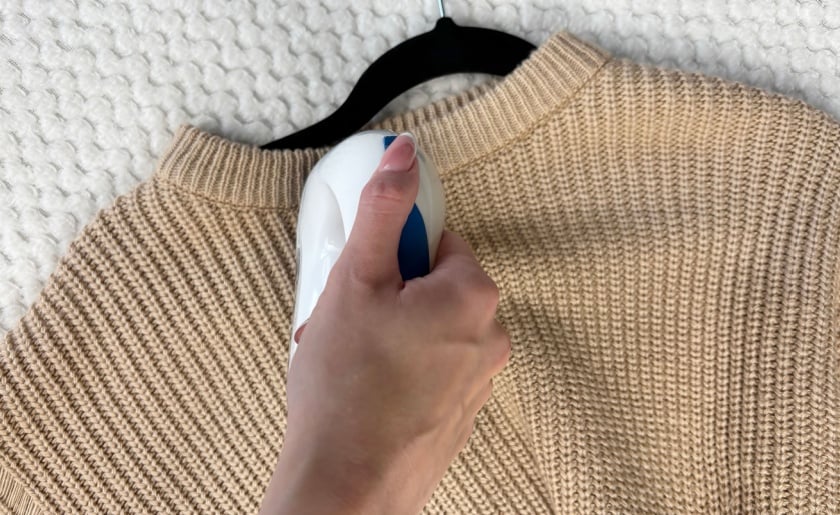
With your sweaters ready, here’s how to store them properly.
1. Fold smarter, not higher
Take a cue from Marie Kondo’s KonMari method and fold sweaters into compact rectangles that can stand upright in a drawer or storage bin rather than stacking them on top of one another. Storing sweaters upright means you’re less likely to forget what’s in your wardrobe — and less likely to flatten the knits at the bottom of the pile.
Fold chunky knits into thirds and store them side by side rather than stacking them. Their bulk makes deep creases more likely to form under pressure. For heavier sweaters, rolling after folding is another option worth trying — it minimizes fold lines while making the most of shelf or bin space.
If hanging is your only option, skip placing the hanger through the neck opening. Over time, the weight of the sweater can stretch the shoulders and leave behind bumps that never fully disappear.
Instead, fold the sweater in half vertically so the sleeves are stacked on top of one another. Place the hook of the hanger in the armpit area, then fold the sleeves over one side of the hanger and the body of the sweater over the other. The weight is distributed across the folded garment rather than pulling on the shoulders, helping the sweater keep its original shape while still allowing you to hang it in the closet.
Whatever folding method you choose, the goal is the same. Avoid overstuffing drawers, reduce pressure on the knit fabric and make it easy to find the sweater you’re looking for.
2. Use shelf stackers to make the most of vertical space
Shelf stackers turn a single closet shelf into two, eliminating the precarious fabric towers that form when sweaters have nowhere else to go. Place them directly on a closet shelf to create separate compartments, letting you build upward without everything merging into one unstable pile. Dedicate each section to a different category — chunky winter knits, lightweight cardigans, work sweaters, everyday pullovers — so you can grab what you need without an avalanche.
They also solve a problem most people overlook: most closet shelves have several inches of dead air between the top of a clothing stack and the shelf above. A shelf stacker turns that wasted height into usable space without requiring a single new shelf.
To make the most of shelf stackers, keep these three tips in mind:
- Group sweaters by fabric, keeping wool, cashmere and cotton knits in separate sections.
- Use the full height of deep closet shelves by creating multiple levels instead of one oversized stack.
- Reserve the easiest-to-reach compartments for the sweaters you wear most often, saving higher or deeper sections for off-season pieces.
3. Bring in cedar
Cedar repels clothes moths naturally through its aromatic oils, making it one of the most reliable tools for protecting natural fiber sweaters during long-term storage. Long before closet organizers and vacuum storage bags became commonplace, people were storing seasonal clothing in cedar chests — and there’s a reason the tradition stuck around.
Today, you don’t need a full cedar chest to get the benefits. Cedar blocks, rings and planks can be tucked into drawers, placed on closet shelves or added to storage bins alongside your knitwear. As cedar ages, its scent gradually fades. When that happens, a quick sanding can expose fresh oils from beneath the surface and bring it back to life.
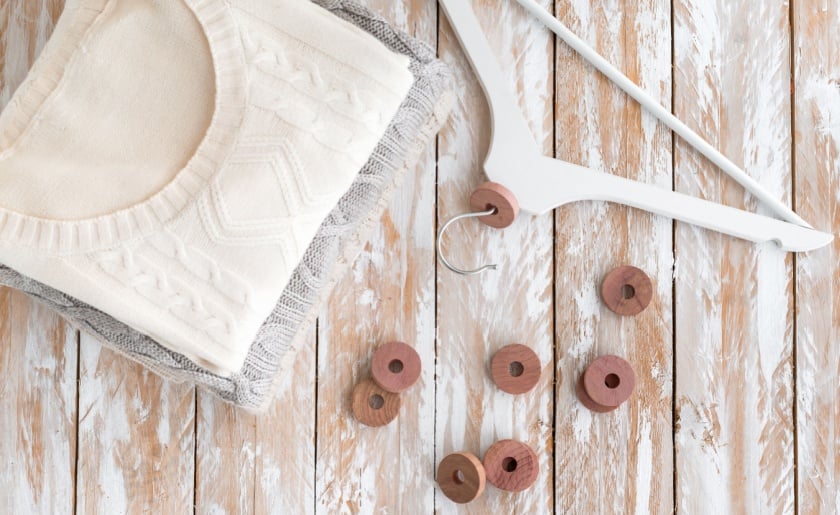
If you’re storing sweaters in a cedar chest, avoid cramming every inch of space with clothing. Sweaters packed too tightly can become flattened over time, particularly chunky knits that rely on trapped air for their shape and loft. It’s also worth keeping delicate sweaters in cotton garment bags or pillowcases rather than placing them directly against unfinished wood for months at a stretch.
Storing tip: Cedar works best as part of a larger storage routine, not as a substitute for one. A clean sweater stored in a dry place alongside cedar stands a much better chance of emerging next season looking exactly as it did when you packed it away.
4. Save those silica gel packets
Silica gel packets absorb excess moisture from the air, making them a simple and often overlooked way to keep stored sweaters smelling fresh. Most people throw them away without a second thought, but they can earn a place in your sweater drawer — especially if you’ve ever pulled out a clean sweater that somehow smelled stale after months in storage. Humidity is usually the culprit.
Drop a few packets into sweater drawers, storage bins or fabric storage boxes, particularly if you’re putting knitwear away for the season. They won’t replace proper storage conditions, but they can help keep moisture levels in check and reduce that musty smell that sometimes develops after months in storage.
A few lesser-known tricks:
- Tape a packet to the underside of a drawer or storage-bin lid instead of tossing it among your clothes. It stays in place and continues working without getting lost between sweaters.
- If the packets are labeled as rechargeable, dry them out according to the manufacturer’s instructions and reuse them. Many can go through multiple cycles before needing replacement.
- Place a few packets inside bins holding wool, cashmere or alpaca sweaters. Natural fibers can absorb moisture from the air even when they feel perfectly dry to the touch.
While you’re at it, resist the temptation to pack sweaters tightly into airtight containers. Wool and other natural fibers appreciate a little breathing room. A packed-to-the-brim bin can trap odors, flatten knits and make it harder to spot any temporary issues that might become permanent.
5. Use plastic bins with caution
Plastic bins work well for sweater storage only when sweaters go in completely dry and clean — otherwise, trapped moisture turns them into the perfect environment for stale odors and fiber damage. They’re inexpensive, easy to stack and good at keeping dust off seasonal clothing, but they’re not quite the set-it-and-forget-it solution they’re often made out to be.
The issue isn’t the bin itself so much as what happens inside it. A few silica gel packets help absorb any residual moisture, and opening the containers from time to time allows trapped air to escape — a small habit that makes a noticeable difference over a long storage season.
Plastic bins also tend to perform better in spaces with stable temperatures. Prolonged exposure to heat and humidity can create conditions that aren’t particularly friendly to natural fibers, especially during long-term storage.
6. Skip the airtight seal for wool and cashmere
Store wool, cashmere, mohair and alpaca in breathable containers rather than airtight ones. Sealed without airflow, natural fibers are prone to musty odors, and repeated compression can gradually affect the loft and softness of the fiber itself. A chunky acrylic sweater can usually shrug off conditions that would make a cashmere cardigan nervous, but natural fibers need room to breathe.
Canvas and cotton bags
A canvas or cotton storage bag keeps dust and pests out without cutting off airflow entirely — which is exactly what you want for pieces that spend most of the year folded away. An old cotton pillowcase does the job just as well if you’re looking for a low-cost alternative.
The pillowcase-in-a-bin trick
For under-bed storage or deep closet shelves, layer the two together. Sweaters go into individual pillowcases, cotton bags or fabric pouches first, then into a larger storage tote. This keeps dust off the clothing while avoiding direct contact between the knitwear and the plastic, and makes it easier to separate categories while you’re at it.
7. Move sweaters into self storage during the off-season
Renting a small self storage unit frees up closet space at home while keeping your entire cold-weather wardrobe together and ready for next season. A closet can only do so much — once thick cable knits, wool pullovers, holiday sweaters, cardigans, scarves and winter accessories start competing for shelf space, even a well-organized wardrobe can begin to feel cramped.
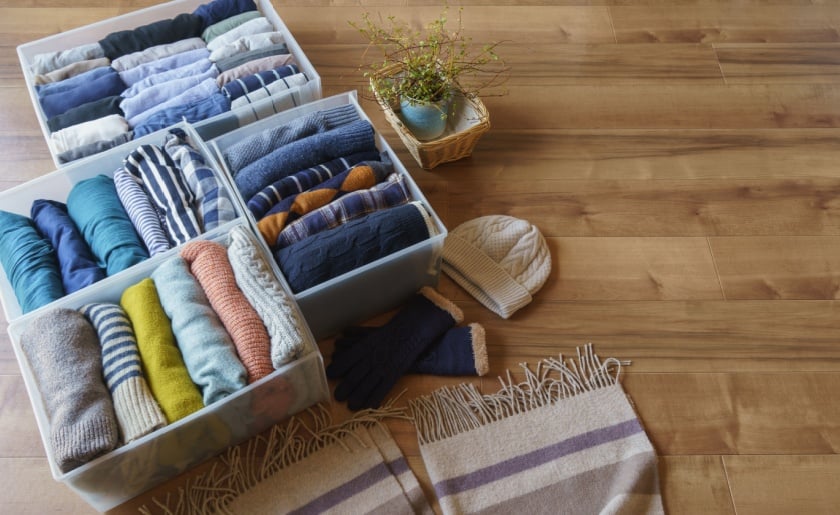
A 5’x5′ storage unit is often enough for several clothing bins, vacuum-sealed bags, storage totes and other seasonal items. A storage unit size calculator can help you find the right fit before moving anything.
If you’re storing sweaters for months at a time, climate-controlled storage provides a more stable environment than spaces that regularly heat up, cool down or fluctuate with the weather. That’s particularly relevant for wool, cashmere and other natural fibers that can be sensitive to prolonged exposure to humidity and temperature swings.
Even if you’ve folded every sweater carefully, added cedar, used breathable materials and chosen the right containers, the storage unit isn’t a sealed environment. The contents of neighboring units are a mystery, and pests don’t stop at property lines. Stop by periodically to check on stored clothing, refresh cedar blocks or sachets, and make sure everything looks the way it did when you packed it. A quick visit once in a while beats discovering a problem the day sweater weather rolls around.
FAQ
How do you store wool sweaters long-term?
Wool should be washed or dry-cleaned before going into storage, then folded (never hung) and kept in a breathable container like a cotton bag or a loosely covered bin. Cedar blocks or lavender sachets nearby will help deter moths. Avoid airtight plastic for extended storage — wool needs some airflow to stay fresh and hold its shape.
How do you store cashmere sweaters?
Wash with a cashmere-safe detergent or have it dry-cleaned, then allow it to dry flat before folding. Store in a cotton pillowcase or fabric garment bag — never hang cashmere, as its fibers are heavy enough to stretch over time. For added protection, a cedar block or lavender sachet in the same drawer can help keep moths away without direct contact with the fiber.
Should you use mothballs to store sweaters?
Mothballs do repel moths, but they contain chemicals (naphthalene or paradichlorobenzene) that can leave a strong odor that’s difficult to remove and can irritate skin and airways. Most people find that cedar, lavender sachets, or dried rosemary are effective enough for normal storage conditions without the downsides. If you’re storing high-value natural-fiber sweaters for an extended period, cedar is the more practical and safer choice.
How do you get musty smells out of stored sweaters?
Air the sweater outside or in a well-ventilated room for several hours. If the odor persists, a gentle wash with a fabric-appropriate detergent — or a dry-clean for delicate fibers — will usually resolve it. Going forward, silica gel packets in the storage container and making sure sweaters are fully dry before packing them away will help prevent the problem from recurring.
The bottom line on keeping your knits in line
Storing sweaters well comes down to a few things that are easy to get right and surprisingly easy to get wrong. Clean them before they go in. Fold, don’t hang. Give natural fibers room to breathe. Keep moisture out, cedar in, and resist the urge to stuff every inch of the bin. Follow those rules and you’ll spend a lot less time dealing with stretched shoulders, mystery smells, and moth damage that could have been avoided from the start.
If your closet is already staging a fabric rebellion, a climate-controlled storage unit is a smart seasonal solution — stable temperatures, manageable humidity and enough space to keep this year’s sweaters from waging war on next year’s. StorageCafe lets you search by ZIP and filter for climate control, so finding a spot nearby takes minutes.
The knit-picks matter. Store your sweaters right and they’ll be there for you, season after season — no unraveling required.


Scary Good DIY Halloween Decorations That Won’t Haunt Your Wallet
A few floating candles in the hallway, a family of ghosts by the front door and a suspicious number of bats climbing up the bedroom wall can make October feel a whole lot spookier. While Halloween stores are full of tempting finds, some of the best DIY Halloween decorations can come from things you already have tucked away in drawers, closets or the recycling bin.

Suburban Giants and Urban Risers: Where America’s 100 Largest Metros Fall on the Self Storage Map
Self storage has long been a suburban story. Across America largest 100 metros, 59% of the inventory built over the past decade sits outside city cores, largely preserving the ratio of the total existing inventory.
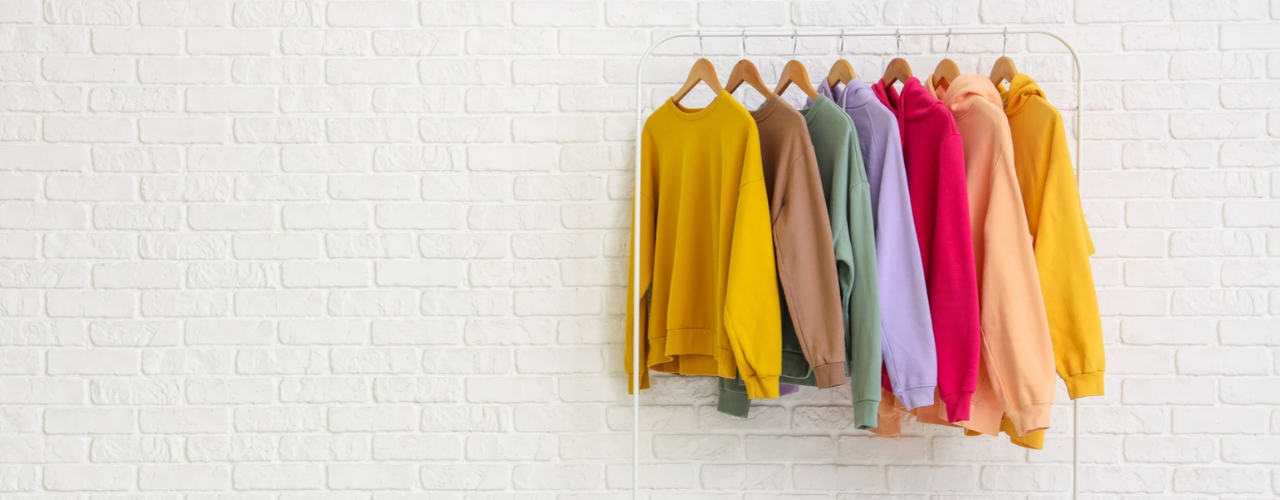
Sweatshirt Storage Ideas Worth Keeping Up Your Sleeve
Sweatshirts are great until you realize how much room they take up. A few thick hoodies can fill a drawer fast, with lighter crewnecks getting squashed underneath or pushed somewhere you forget about. Good sweatshirt storage can make that pile much easier to manage without requiring a bigger closet.

Living Room Storage Ideas: 28 Ways to Reclaim Your Hosting Space
If a living room is where most of a household’s living happens, good storage should be the top priority for setting up or revamping the place. After all, think of how easier it would be to have people over when tidying up the place is just a matter of putting things in their right place (in a time when fewer and fewer people are entertaining friends at home(opens in new tab)). The trick is making room for all those wayward clothes, blankets, chargers and other small things that end up on (or, inexplicably, in) the sofa. Here are 28 living room storage ideas to get you started and make tidying up a quick affair.

25 Mudroom Storage Ideas (And Mistakes to Avoid)
When you come home with muddy boots, an armful of bags and a coat you can’t wait to take off, it’s nice to have somewhere to put it all. With a mudroom, you can leave the outdoor mess at the door instead of carrying it through the house. Traditionally, you’d set aside a separate room, but you can just as easily use a hallway, an entryway closet, a laundry-room corner or a stretch of wall near the entrance.

Is Your Home Office Worth the Rent? What Coworking and Self Storage Could Save You
Every square foot of your apartment comes with a price tag, and a home office claims more of them than most renters expect. It starts with a desk. Then come the second monitor, the printer, the filing cabinet and the overflow boxes. Before long, the corner you set aside for work has turned into a small room you are paying for every month.

Best U.S. Cities to Live Uncluttered: Plano, TX, Offers the Most Room to Breathe
Clutter is in our homes as much as in our heads. Both are shaped by where we live.

America’s Top Snowbird Destinations for 2026–2027: Florida Leads in Numbers, Texas Wins on Value
For Americans living in colder states, the approach of winter is reason enough to start looking south. Cold weather carries costs that go beyond the heating bill and shoveling snow. Seasonal affective disorder(opens in new tab) is far more prevalent in northern states, so a temporary move south isn’t simply an escape from the cold, but a chance to spend the hardest stretch of winter outdoors and in the sun.

How Much Does Halloween Really Cost in 2026? Plan Wisely to Avoid the Scare of Hidden Costs
Americans’ love for Halloween is almost frightening — this year alone, we are on our way to spending $13.5 billion, according to data from the National Retail Federation(opens in new tab). That breaks down to about $115 Halloween costs per person, a whopping 49% more than 10 years ago.