
The Least Stressful Big Cities In The US: Phoenix, Houston Top List Of Places With Fewest 311 Complaints

- Phoenix and Houston are the most laid-back cities among the country’s 10 biggest urban hubs, with only a small fraction of their populations calling non-emergency services to report an issue.
- Traffic-related issues are the no. 1 complaint among big city residents, with New York City home to the most traffic problems and Los Angeles seeing the fewest traffic complaints.
From noisy neighbors to abandoned cars, every big city in the US has to deal with various nuisances and discontented residents. And with 83% of the country’s population concentrated in urban areas, it’s no wonder. But aside from the generally accepted thinking that bustling city life also means more things to complain about, some cities do much better than others in offering a friendly place to live.
To see where big city residents enjoy the most welcoming environment, we looked into reports logged over 311 or other similar lines that provide residents access to non-emergency municipal services. For nearly 7 million complaints in 10 of the country’s biggest cities, we analyzed the data in relation to local population to get an idea about the general feel of each place.
Although there are differences in how cities allow residents to log complaints, we built on the premise that the lower the incidence of complaints, the more relaxed the city. That puts Phoenix, Houston and San Jose ahead of other urban hotspots in terms of community character – essentially, clean streets and peaceful neighbors.
What big city residents dislike about their communities
Along with the many perks, big city life has its share of inconveniences. The bulk of complaints in large urban hubs relate to city cleanliness, traffic – including illegal parking and abandoned vehicles – as well as noise, which might be anything from loud music to plane noise. In some communities, graffiti makes people pick up the phone whereas in others pets are causing neighbors annoyance.

A deep dive into municipal complaints sees Phoenix stand out as the most relaxed big city in the US
Phoenix records the lowest numbers when looking at the overall incidence of residents complaints. Perhaps it’s the city’s sunnier disposition – with about 300 sunny days per year – that helps residents be more appreciative of the communities they live in and less inclined to notice the annoyances around them. Home to more than 1.63 million people, Phoenix registered less than 200K complaints per year to non-emergency services. In other words, just 0.12 complaints per resident were made, meaning that few of them were bothered enough to report on a community issue.
Over 36% of complaints in Phoenix are related to traffic issues, which are the subject of roughly 71,000 complaints. Registering considerably less concern, the 2nd biggest problem in Phoenix is noise, making up approx. 12% of the total complaints. A small number of the complaints – under 1,000 – bring up the city’s cleanliness issues, the smallest proportion of calls about this particular issue among all the cities we looked at. To compare, Austin, the city that saw the second-fewest sanitation-related complaints, still registered more than 20,000 such complaints last year – and that’s for a population of under one million people, less than Phoenix’s population.
Houston ranks second in the list of the cities triggering the fewest 311 requests, with just 0.16 complaints per resident being made to report various issues. Keeping the streets clean seems to be a goal that Houston residents strive for – about 37% of the more than 370K requests made last year complain about things such as neighbors’ trash dumping and missed garbage pickups.
San Jose has also succeeded in creating a peaceful living environment, with few complaints compared to other cities. A relatively small number of complaints were made last year, roughly 170K, equating to a little under 0.17 complaints per resident. This puts San Jose third for friendliness among the largest urban hubs. Traffic-related problems make up about 31% of the issues reported, followed by graffiti – a significant 23% of the complaints were made to report unwanted public wall drawings. Another 16% refer to sanitation issues in public spaces.

Downtown street in San Jose, California
Austin, San Diego and Philadelphia fall in the middle of the convivial cities pack
Austin, Texas, also boasts some of the quietest big city neighborhoods in the nation, with the equivalent of only 0.17 complaints per resident made to report community issues. Out of a total of 158K complaints, almost 30% refer to traffic matters, including illegal parking or excessive speed. A consistent percentage of the 311 requests, 24% – the biggest among the cities analyzed – addressed animal-related concerns (loose dogs, dogs in vehicles, improper pet care, and so on).
Austin residents are very keen on keeping their streets nice and clean, with about 13% of the 311 complaints addressing this issue. Austinites are also quite particular about their green space – 6% of the complaints were made in relation to parks and other recreational areas. On the other hand, it appears that noise is an almost nonexistent problem in Austin – barely 1.9% of the complaints related to excessive noise.
San Diego, California, counted almost 290K calls to 311 last year, which equates to 0.20 complaints per resident. Traffic and street cleanliness grievances each accounted for approx. one-third of the total calls, and about 40% of all traffic complaints referred to parking problems. Graffiti and other related issues made up another 11% of the complaints made by locals last year.
Philadelphia residents made over 400K calls to 311 last year, a number representing 0.26 complaints per resident. The main issue for those calling is sanitation concerns about the city’s streets – about 20% of all complaints relate to it – followed by traffic, which accounts for about 15%. Abandoned vehicles are the most frequently reported traffic problem.
Noise is NYC’s biggest 311 complaint
New York City residents made about 2.4 million 311 calls last year – which translates to 0.29 complaints per resident. Noise is a bigger issue than traffic for New Yorkers: about 32% of the complaints were made for noise of various descriptions.
Another 23% of the 311 calls made in NYC last year relate to traffic. Among traffic complains, illegal parking generates the most grievances – almost 190K in 2020. Issues related to the cleanliness of the city’s thoroughfares is of concern for only about 7% of those who made 311 complaints. With 2020 being an exceptional year in the sense that we were in the midst of the COVID-19 pandemic, it’s worth mentioning that New Yorkers also made about 60,000 complaints to report non-compliance with the quarantine rules.
The 10466 ZIP Code in the Bronx witnessed the largest number of complaints per resident in NYC, with noise and traffic issues generating the most frustration among residents.
Residents of Dallas, Texas, have a few more things on their mind than residents of other big Texan cities such as Houston or Austin. In fact, Dallas joins Chicago and Los Angeles in recording more than 0.30 complaints per resident. Dallas residents are mostly preoccupied with the streets in their city being sanitary, an issue that accounts for 22% of the calls, followed by traffic, with 15% of the 311 complaints made last year. Grievances related to pets (loose or confined animals, lack of care, and other) amounted to another 11% of the total.

Residential buildings in Farmers Market Square, Dallas, Texas
Living in an urban hotspot is full of surprises – the pleasant and the less pleasant kind. But some places do better than others in offering less hubbub and more of a welcoming atmosphere. Among the 10 largest cities in the US, Phoenix might just be the best bet for those seeking a big place to live without many of the challenges that come with big city life.
Methodology
This analysis was done by StorageCafe, an online platform that provides storage unit listings across the nation.
We considered the 10 largest US cities by population (except San Antonio which was excluded due to data availability reasons) for the year 2020, and analyzed municipal service requests, regrouping them in categories that approximate the different categories used by the states.
The rankings were made by comparing the numbers of complaints per resident. Population data was taken from the US Census.
Fair Use and Distribution
This study serves as a resource for the general public on issues of common interest and should not be regarded as investment advice. The data is true to the best of our knowledge but may change if amendments to it are made. We agree to the distribution of this content but we do require a mention in return for attribution purposes.


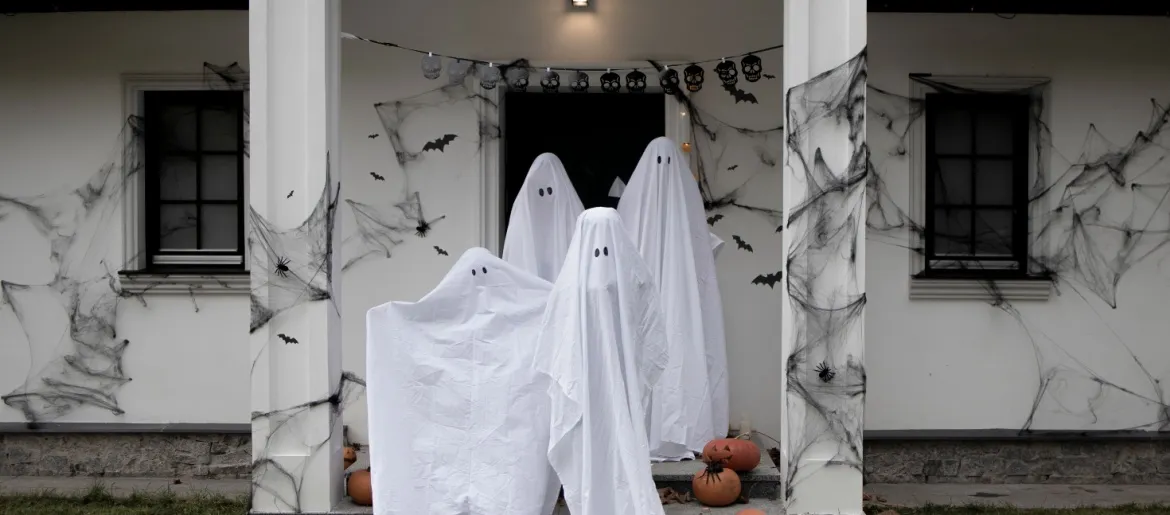
How much does Halloween really cost in 2026? Plan wisely to avoid the scare of hidden costs
Americans’ love for Halloween is almost frightening — this year alone, we are on our way to spending $13.5 billion, according to data from the National Retail Federation(opens in new tab). That breaks down to about $115 Halloween costs per person, a whopping 49% more than 10 years ago.
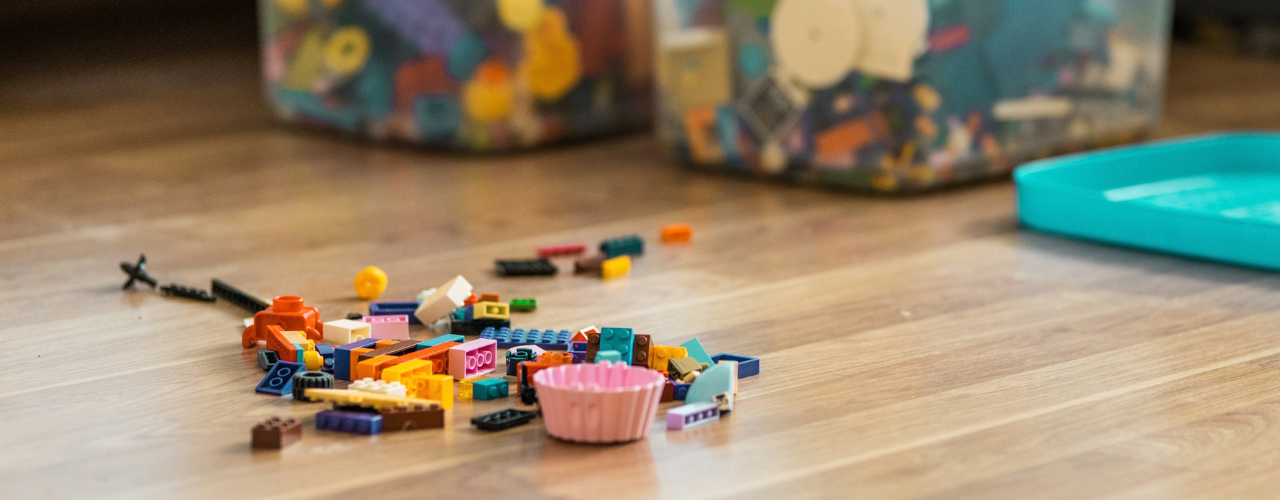
How to Store LEGOs: All the Fun, None of the Clutter
How to store LEGOs largely comes down to how your household uses them. If the bricks are part of everyday play, you need a setup that keeps them within easy reach and makes cleanup quick (for your feet’s sake, at least). Toy storage(opens in new tab) such as simple bins, playmats or containers that children can put away themselves may be enough. Larger or more serious collections usually need more organization, such as labelled drawers for loose pieces, trays for unfinished builds, shelves for completed models and separate storage for retired sets.
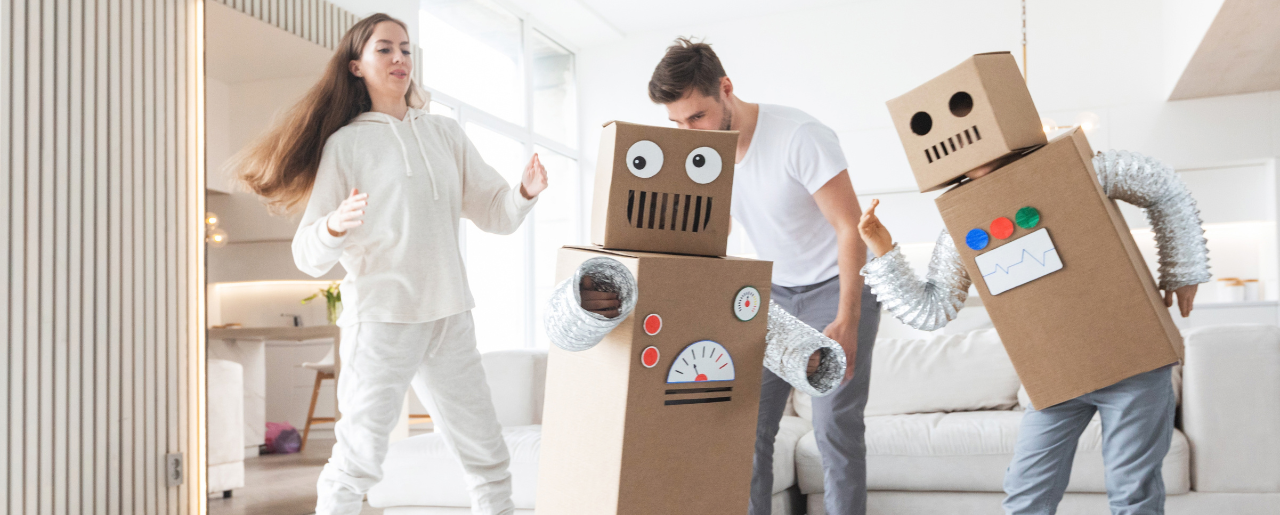
Cardboard Costume Guide: Tips and Ideas for a DIY Halloween
Whether for kids or adults, cardboard costume ideas often make the biggest splash once materialized, and that’s for a simple reason: doing a lot with a little is a universally impressive feat (especially in this economy). If you don’t have enough boxes you could temporarily repurpose, don’t worry! There are many places where you can find free moving boxes(opens in new tab), from stores and supermarkets to online groups and recycling drop-off spots. On the run? Try your luck at a self storage(opens in new tab) facility that sells moving supplies, often for cheap. This way, you can choose moving boxes of different shapes and sizes(opens in new tab), so you can make your costumes as complex as you want.

How to Celebrate Halloween: 9 Non-Spooky Ways To Enjoy It
As soon as October starts, it’s the official Halloween month. And while for many people it means it’s open season to get the scare of a lifetime, others, especially families with small children, might prefer to celebrate in a tamer way that’s both kid- and adult-friendly. While you’re likely to find more events where the spook factor is high, here’s how to celebrate Halloween in a not-so-scary way:

Motorcycle Storage Guide: How to Store Your Bike Safely
Motorcycles may be born to be wild, but eventually even the wild ones need somewhere to park. Whether riding season is winding down or your current living situation comes with plenty of square footage for you and less for your bike, motorcycle storage is one of those parts of ownership that doesn’t get as much airtime as the open road.

Halloween Decorating on a Budget (And Cheap Ideas for Everything Elsee)
Halloween has crept a long way from its eerie origins. While All Hallows’ Eve has transformed through the centuries, it wasn’t until the 1930s that trick-or-treating became a tradition in the U.S. and businesses began conjuring up mass-produced Halloween costumes. Now, Halloween is a monster-sized, billion-dollar industry, with a cauldron full of costumes and decorations ranging from the mainstream to the macabre. But is it all really worth your wallet? Maybe, but we’ll let you in on a little secret: You can keep your Halloween decorating on a budget and save on everything else, too. Take this plan and see it through!

Moving From a House to an Apartment: What to Expect, How to Downsize & How Self Storage Helps
For some, moving from a house to an apartment is a financial decision. For others, it’s about simplifying life. Maybe the kids have moved out and half the house sits empty, or you’re approaching retirement and no longer want to spend weekends on repairs. Or perhaps you’ve been weighing the cost of buying a home and wondering whether renting simply makes more sense right now.
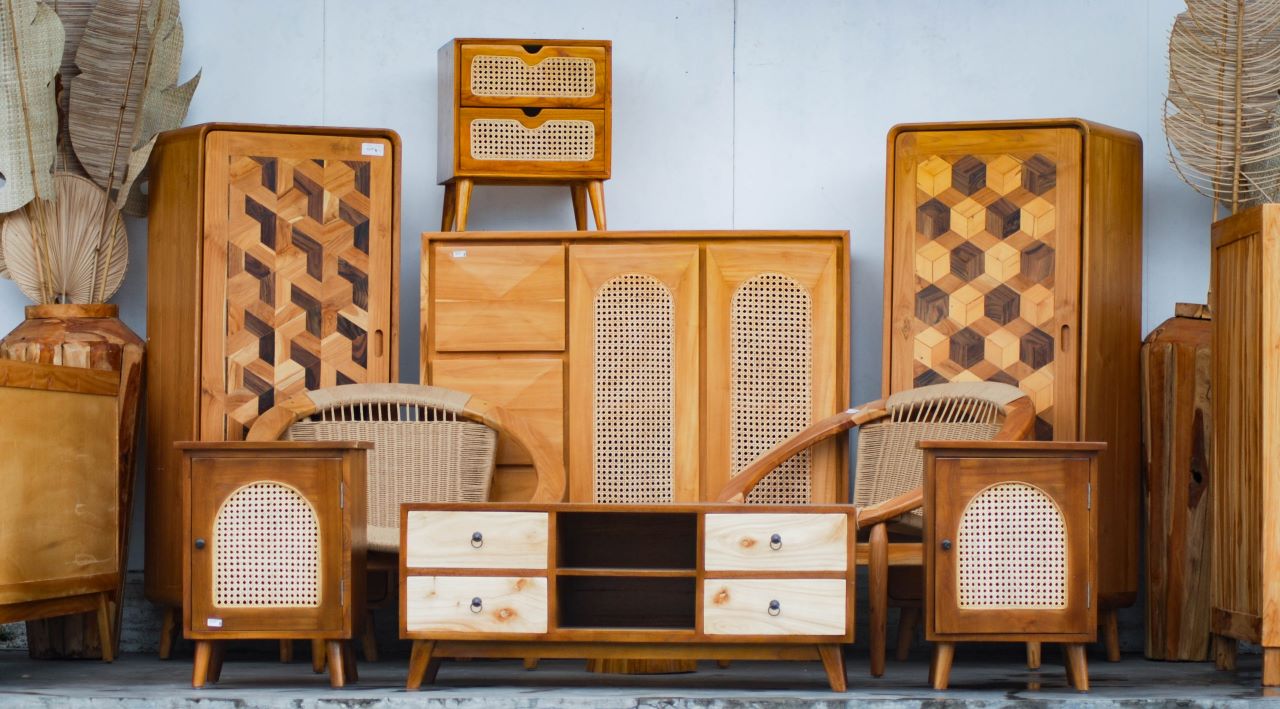
Family Heirlooms Overload: How to Handle Family Inheritance Without Regret
Handling family heirlooms after a loss requires managing legal authority, emotional pressure and practical logistics at the same time, and the order you take them on matters more than most people expect.
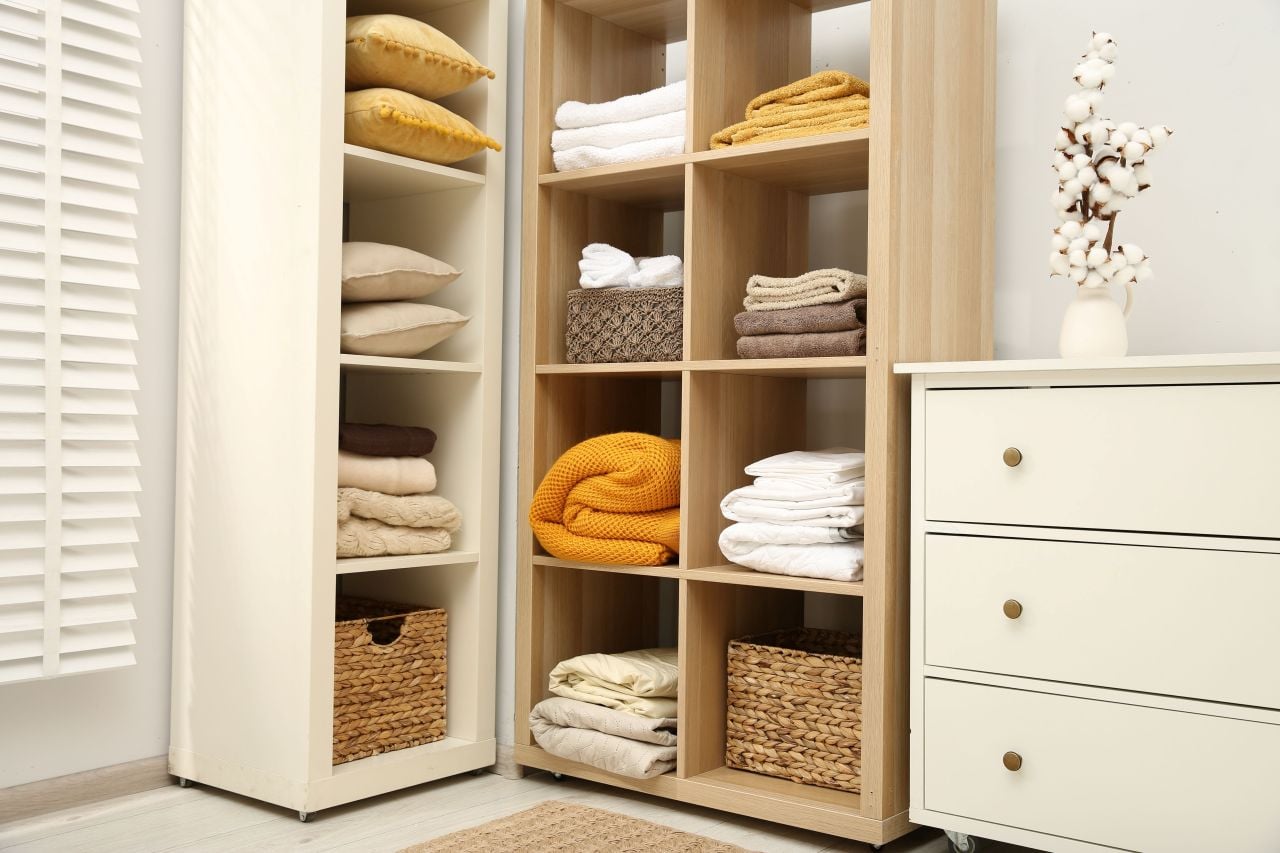
Blanket Storage: The Right Method for Every Space and Season
Blankets make our lives cozier, and storing them well is what keeps them soft and comfortable in the long run. Knowing how to store a blanket properly means your favorites come out of storage smelling fresh, feeling the same as when they went in, and lasting years longer than they otherwise would.