

Children are often at the center of attention when organizing space at home, and many parents think about setting up a playroom. Kids generally need a fun and versatile space where they can play, keep their toys, be active, develop their skills and imagination, and also have a cozy spot to relax. Naturally, school-aged children also need a dedicated space for reading and doing homework. Fitting all this into a home or apartment is challenging, but with careful planning, effective storage solutions, and a bit of inspiration, you can create the perfect playroom to nurture your child’s creativity and well-being.
Pros and cons of setting up a kids playroom at home
- It’s a great setup for families with multiple children, as it encourages them to play together, and the parents can supervise them more easily.
- However, it might not be the best idea for families where’s a big age gap between children. While your preteen might want to read, or watch a TV show in peace, a toddler has a completely different agenda that involves plenty of noisy toys. Forcing them together in the same space is probably not the best way to promote good sibling relationships or a harmonious household.
- Having a playroom makes it less likely that your entire living room is invaded by various toys, games and books. You can fit some toy storage accessories in the playroom, keeping the rest of your home free from clutter.
- Setting up a playroom usually means you are sacrificing a guest bedroom, a dining room or a space that you might be using as a home office. Analyze your family’s lifestyle and habits to determine whether a playroom is a good idea for all of you. If, for example, grandparents are visiting regularly to help with the little ones, maybe having a nice, comfortable guest room is a better fit for your family.

- Another good thing about having a playroom is the separation between playtime and sleeping time – children fall asleep easier if there aren’t a lot of toys and other distractions in their bedrooms.
- As your children grow, the playroom can be easily turned into a study or a game and media room for the entire family, as needed.
Here’s how to set up your kids’ playroom – ideas that will help you make the most of the space.
Setting up a kids’ playroom at home can be a fun and imaginative project, one that will benefit the entire family. Involve the entire family in this project – children included. This way, they’ll be even more delighted about their new playroom, and more willing to spend time in there, and, hopefully, more motivated to help you clean it. Here are some ideas to set up an engaging and functional play space:
- Pick the right space
Choose a dedicated room or section of a room that allows for ample space for play, ideally with good lighting and ventilation. Many parents love to be able to supervise their children in the playroom while they are cooking in the kitchen or watching TV in the living room, so they pick the area for the playroom based on that as well.
- Flooring is important
One of the most important decisions regarding the playroom is about flooring. Young kids spend a lot of time on the floor, so it needs to be soft and comfortable for them to play on. Also, children will spill various stuff on the floor, so it must be easy to clean. Stain-resistant carpets or foam mats on top of existing flooring are a good solution. They’re soft, safe for the kids, and relatively easy to clean. And, as the kids grow and you want to repurpose the room, you can easily take them out.
- Design a creative zone
A playroom is simply not complete without an area dedicated to creative play. Dedicate a corner for arts and crafts with a sturdy table, chairs, and supplies. Stock up on essentials like crayons, papers, paints, and clay, providing a diverse palette for imaginative exploration. Having these materials readily available makes it easy for kids to engage in spontaneous and uninhibited artistic expression.
- Set up a reading nook
Creating a cozy area with a bookshelf, cushions, bean bags, or a small couch where kids can relax and enjoy books will stimulate your children’s interest in reading. Incorporating the habit of reading every day into your child’s routine holds enormous advantages in the long run.
- Imaginative play area
Add an imaginative play area to the room, fitted with a play kitchen, dollhouse, tent, and some costumes. These items are gold for imaginative play. A play kitchen lets kids cook up imaginary feasts, while a dollhouse becomes a stage for storytelling adventures. Tents are cozy spots for pretend play, and costumes open the door to endless role-playing fun. These additions not only keep things interesting but also promote creativity and social skills.

- Activity station
An activity station that includes puzzles, building blocks, LEGO sets, board games, and educational toys to stimulate different interests is also a must. As your child gets older, you can adjust it to its changing interests, and you can also turn it easily into a study station.
Of course, safety is paramount when setting up a kids’ playroom. Ensure furniture and fixtures are child-friendly, rounded, and anchored to prevent accidents. Consider childproofing measures like outlet covers and safety gates if needed.
Toy storage ideas that will help you keep things under control in your playroom – and beyond
Whether you set up a playroom for your children – or your entire home is a playroom – toy storage is a common issue among parents. On the one hand, the little ones must have easy access to their favorite toys. On the other hand, adults would prefer a home that’s tidy and uncluttered. Fortunately, there are some simple solutions that can reconcile these two requirements:
- Mesh hanging towers and mesh hammocks are inexpensive, fun ideas for organizing your children’s plush toys. They will certainly love the idea of picking up their soft toys from the floor and throwing them in a mesh hammock hanging from the ceiling.
- Put a pegboard on one of the walls and fit it with S hooks. Add small baskets to the hooks and use the baskets to organize small toys and craft supplies such as crayons, pencils, stickers and so on. Mount the pegboard next to their desk or craft area for maximum efficiency.
- Add a pocketed shoe organizer on the playroom’s or the child’s bedroom door – it’s a good system for storing small figurines, dolls, animals, and so on. If your child is obsessed with O.M.G. dolls or plastic dinosaurs, these shoe organizers are the perfect solution. Just make sure they’re transparent, so your child can see what’s inside each pocket.
- Under the bed storage is a great solution, especially when it comes to toys that children usually use on the floor, such as building blocks or cars. Buy a few plastic, transparent, lidded boxes that fit under their beds and organize their toys into categories. This will help avoid huge messes – if your child wants to play with just his or her cars, they won’t scatter other toys around the room.

- Children grow out of their toys every few months or so, which means you have to declutter their toy collection on a regular basis. However, good quality toys (as well as other baby items) are expensive, and you naturally want to keep them for your future children. One way to hold on to those items without turning your home into a literal toy store is by renting self storage. A small, 5×5 unit is just the right size to safely keep toys and other baby items until you’ll need them again.
- Bedside caddies are ideal for keeping your child’s favorite books and sleep toys on hand, making bedtime more tranquil and drama free!
- Add storage options in all the areas where children play. If, for example, your children prefer bringing toys into the living room or the kitchen, keep a couple collapsible baskets and bins in there. You can use them to pick up and store all the toys at the end of the day. If you prefer to bring the toys back to their bedrooms each night, these baskets will also be very handy.
Care to share any other ideas that helped you create your kids’ happy place? We’d love to hear about them in the comments!


Storage Ideas for Small Spaces: 9 Ways to Max Out Your Home
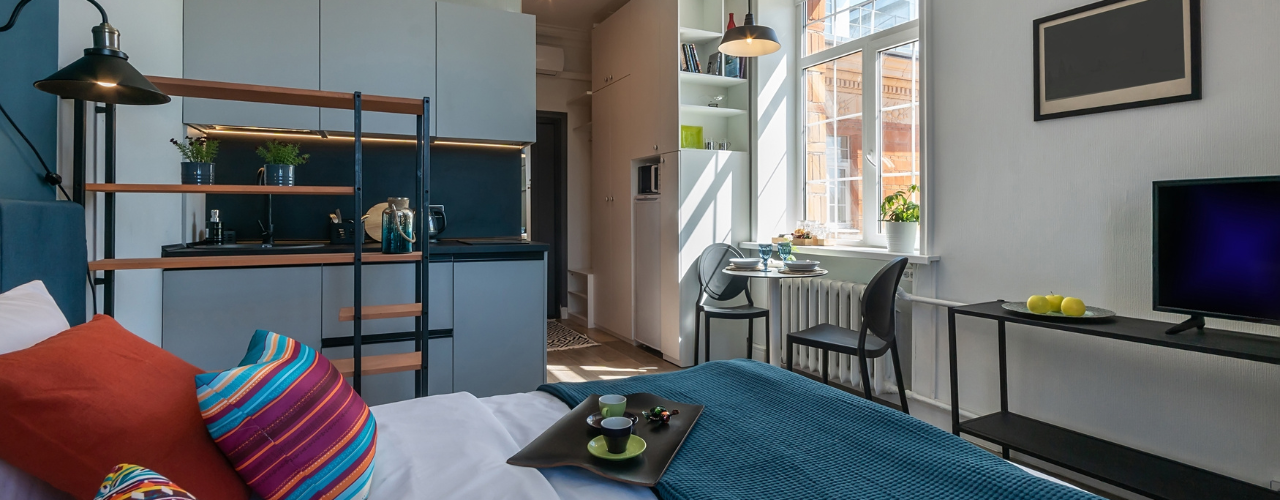
With micro-housing on the rise(opens in new tab) and apartment sizes trending downward(opens in new tab), it came as no shock to us that more than a third of Americans felt overwhelmed by clutter in our recent survey(opens in new tab). Plus, science shows that we’re bound to feel bad in places that are too small(opens in new tab) for our needs. Fortunately, a messy home contains the seeds of its organization. Those seeds everywhere: the space above doors, under beds, behind sofas and inside furniture can all become storage. Here are the best storage ideas for small spaces, so you can make the most of your cozy home.
How to Organize Your Bathroom: 8 Ways to Stay Tidy
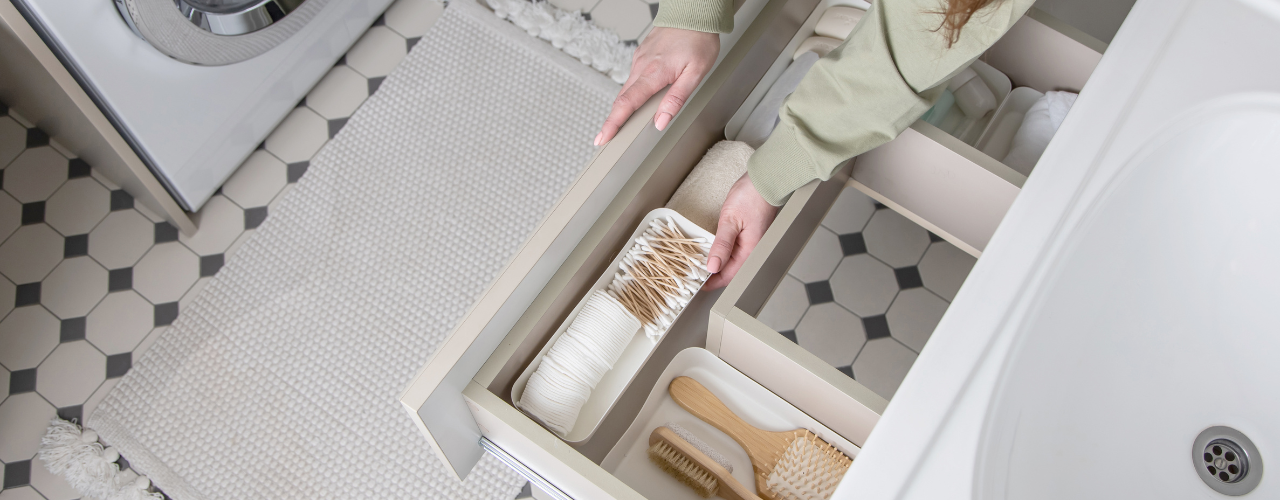
You already know why an organized bathroom is worth the effort, but let us remind you: it makes rushed mornings easier, keeps counters cleaner and just helps get you in the mood to go through your skincare routine like you should. Plus, in bigger households, it helps everyone find what they need. And you know how much a tidy bathroom counts for your self-esteem when a guest or a partner shows up. Luckily, you don’t need a degree to know how to organize your bathroom. The secret is keeping less, giving every item a home and making that home simple to use. Let’s go through some practical steps can help you create a bathroom that stays functional and nice to look at.
Best U.S. Cities to Live Uncluttered: Plano, TX, Offers the Most Room to Breathe
Clutter is in our homes as much as in our heads. Both are shaped by where we live.

How to Use Silica Gel Packets for Storage
Moisture can cause significant damage to items in storage, leading to rust on tools, mold on clothing and warping in documents. Silica gel uses science to fix that. Often found in small packets inside product packaging, silica gel is a desiccant that absorbs moisture from the air, keeping your stored items dry and protected. This guide explains what silica gel is, how it works and how you can use it to preserve your belongings in self storage.
Where to Find Moving Boxes in Los Angeles
Moving in Los Angeles is its own thing, and figuring out where to get moving boxes sorted is just the start of everything you’ll need to organize before moving day.
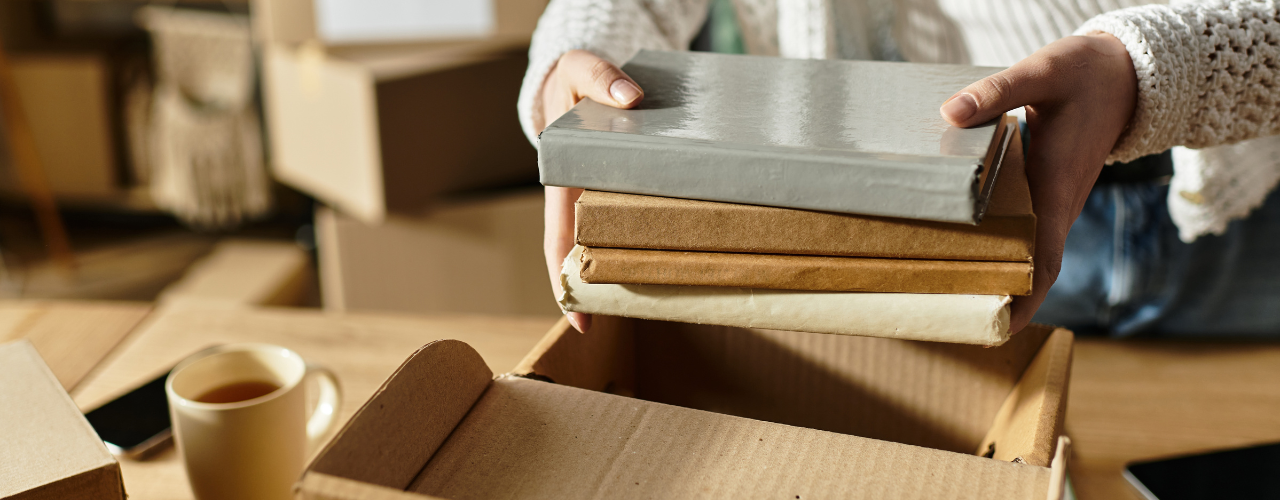
10 Best Places to Donate Books in Philadelphia
Did you know Philadelphia’s book-sharing roots go back to 1731? Benjamin Franklin and The Junto Club gathered their personal collections into a shared library, thus sparking a tradition of pooling knowledge for the common good. Today, you can carry on that spirit by donating books to local organizations and free libraries.
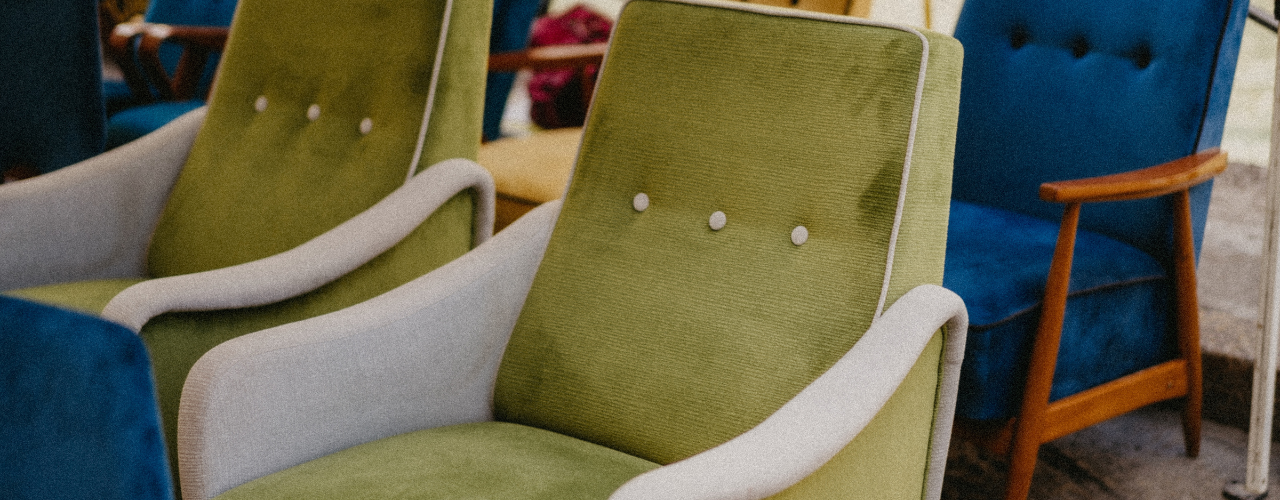
How to Sell Furniture (For Quick Deals and Side-Hustles)
Selling used furniture can be quick, profitable and even rewarding if you know where to list, how to present your pieces and what buyers are looking for. Just a tiny bit of patience and some good planning will take you a long way. This guide covers everything you need to sell your furniture efficiently and safely, for the best possible price.
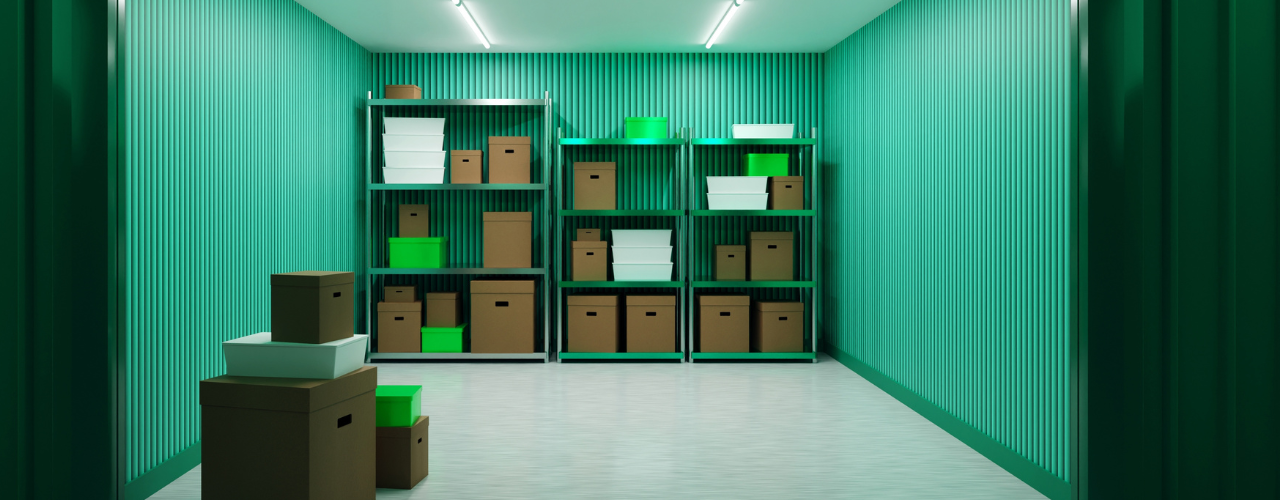
1 in 4 Americans Rent Self Storage — and the Next Wave Is Already Coming
About one in four Americans is already using self storage and just as many are actively searching for a unit online right now. Across the 150 largest U.S. cities, self storage searches rose 23% year-over-year in 2025 — nearly triple the growth recorded the previous year, up from around 8% in 2024.
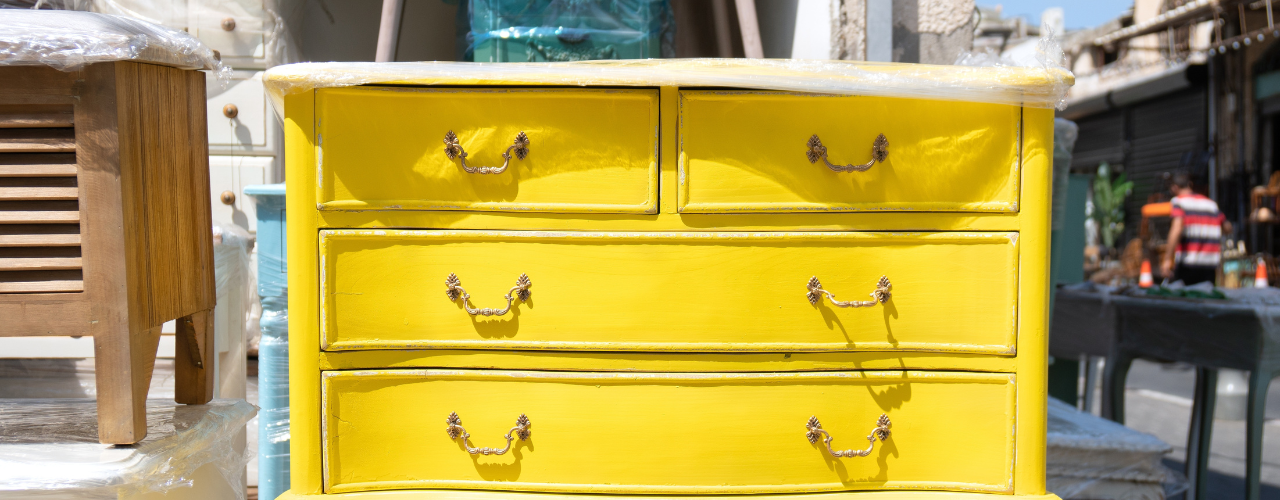
Where to Donate Furniture in Philadelphia
Philadelphia has a strong tradition of giving back, and donating furniture is a practical way to support local charities while freeing up space in your home. Whether you’re downsizing, moving, or just decluttering, there are plenty of organizations ready to take your gently used furniture. And if you’re not ready to part with certain pieces just yet, self-storage can buy you time to decide.