

The basement can very easily become a dumping ground for every piece of clutter you don’t get around to organizing. However, when properly utilized, a clean and tidy basement can add much-needed storage space for your home, instead of being that black hole where things are tossed and disappear. Take a look at these five helpful tips and make the most of your space:
1. Get rid of unnecessary clutter
A basement is generally more accessible than an attic, so it tends to contain a mix of random items that range from family memorabilia to unused furniture, artwork, gardening tools or sports gear. So, before your much-needed storage space becomes a “catch-all,” you must go through all of your stuff, consciously choose which items you need and discard the rest. This is certainly not the quickest job, and you might catch yourself spending hours sifting through all your seasonal decoration collections and half-finished DIY projects that you’ll probably never get back to. However, the feeling of relief when you see only items that you actually use and love, instead of a mess of things you might (but probably won’t) find a use for “someday,” is worth every minute.
One thing that can be especially difficult to get rid of is sentimental items because decluttering these items requires you to deal with your own emotions when deciding what is worth keeping. The best way to handle this is to limit yourself to a certain amount of space and only keep what fits. For example, decide on a container and only keep what fills it up. This strategy helps you prioritize what is most important and let go of the rest.

2. Divide your basement into zones
After your space is cleared out, the next step is to plan how you want to use your basement. Will its purpose be solely for storage, or do you also want to set up a mini-gym down there? The three most common types of basement zones are storage, utility and living area. Depending on what you’ve got in mind when it comes to your basement, you can make the most out of your space by dividing it correctly.
Firstly, separate your utility zone from the other areas. Here all your household equipment should be located, properly organized and easy to access in case of an emergency. You surely don’t want piles of boxes in front of your furnace or close to your hot water heater, so in case you’re absolutely running out of storage space, make sure you use metal shelves on wheels that you can move out in case you need to.
Secondly, pick a storage zone, which you may want to break down into sub-areas, specifically for certain types of things. For example, stored furniture, sports and camping equipment, gardening tools, holiday decorations, toys and whatever else you want to store. If you’re still left with too much stuff even after a thorough decluttering session, you can always count on a nearby self storage unit where you can keep seasonal items until you’re ready to put them back to use.
Last, but not least, if you still have some room available, you can designate an area as a playroom, a gym, a recreational space or even a workshop. You and your family members will be happy to use any leftover space for different activities.
3. Pick the right storage containers
Once the whole space is clearly divided, you have to start working on the main area of your basement, which is, most likely, the storage zone. The main thing that you have to keep in mind when it comes to organizing your stored items is accessibility, and in order to achieve that, you should think twice before choosing just any kind of box to put your things in. Plastic containers are known to be much more resistant than cardboard boxes, and therefore easier to pile on top of each other. For lighter objects, it’s fine to use regular boxes, but heavier items require more solid support. Once you make your decision, you want to put big labels on each and every container so that you won’t have a hard time finding something after a while.
In addition, think about how frequently you’ll be using each category of items and pile them up in a logical order. Obviously, the more often you use an item, the more accessible you want it to be, and vice versa.
4. Put safety first
One of the biggest temptations when it comes to storing boxes or containers is to pile them on top of each other and disregard the fact that it’s not exactly the safest storage method. Therefore, sturdy shelving is an absolute necessity for a nicely organized basement. You can either build your own heavy framed shelves or measure the length and width of your previously-purchased storage bins and have them custom made to fit your space. A golden rule in this situation is never storing the heaviest items on the top shelves, or you risk getting injured when trying to take them down. Besides that, this is the easiest and most comfortable method to organize any storage space, but you’ll also avoid any kind of accident caused by falling or sliding boxes.

5. Give yourself a deadline to tackle it
The final and most crucial advice for anyone who is planning to reorganize a cluttered space is to get started as soon as possible and stop putting it off just because you don’t seem to have enough time. The truth is, it’s quite impossible to have it all done in one day, or even in one week. Life is busy for everyone and huge chunks of free time rarely come up. But if you start to dedicate 10 minutes here, 20 minutes there and maybe a couple of hours during the weekend, you’ll notice that all those little bits of time add up and make all the difference!


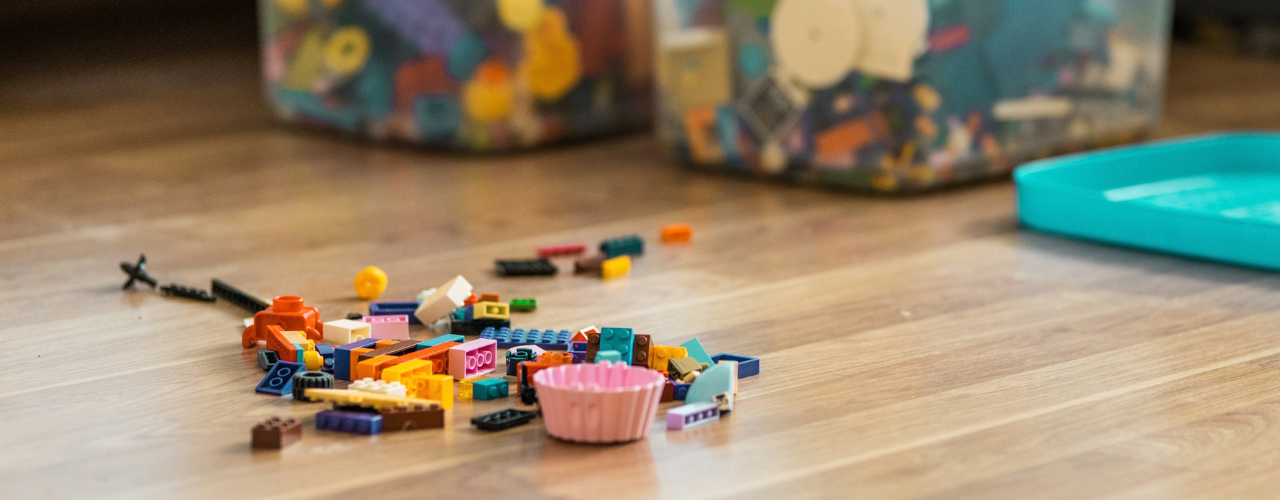
How to Store LEGOs: All the Fun, None of the Clutter
How to store LEGOs largely comes down to how your household uses them. If the bricks are part of everyday play, you need a setup that keeps them within easy reach and makes cleanup quick (for your feet’s sake, at least). Toy storage(opens in new tab) such as simple bins, playmats or containers that children can put away themselves may be enough. Larger or more serious collections usually need more organization, such as labelled drawers for loose pieces, trays for unfinished builds, shelves for completed models and separate storage for retired sets.

Cardboard Costume Guide: Tips and Ideas for a DIY Halloween
Whether for kids or adults, cardboard costume ideas often make the biggest splash once materialized, and that’s for a simple reason: doing a lot with a little is a universally impressive feat (especially in this economy). If you don’t have enough boxes you could temporarily repurpose, don’t worry! There are many places where you can find free moving boxes(opens in new tab), from stores and supermarkets to online groups and recycling drop-off spots. On the run? Try your luck at a self storage(opens in new tab) facility that sells moving supplies, often for cheap. This way, you can choose moving boxes of different shapes and sizes(opens in new tab), so you can make your costumes as complex as you want.

How to Celebrate Halloween: 9 Non-Spooky Ways To Enjoy It
As soon as October starts, it’s the official Halloween month. And while for many people it means it’s open season to get the scare of a lifetime, others, especially families with small children, might prefer to celebrate in a tamer way that’s both kid- and adult-friendly. While you’re likely to find more events where the spook factor is high, here’s how to celebrate Halloween in a not-so-scary way:

Motorcycle Storage Guide: How to Store Your Bike Safely
Motorcycles may be born to be wild, but eventually even the wild ones need somewhere to park. Whether riding season is winding down or your current living situation comes with plenty of square footage for you and less for your bike, motorcycle storage is one of those parts of ownership that doesn’t get as much airtime as the open road.

Halloween Decorating on a Budget (And Cheap Ideas for Everything Elsee)
Halloween has crept a long way from its eerie origins. While All Hallows’ Eve has transformed through the centuries, it wasn’t until the 1930s that trick-or-treating became a tradition in the U.S. and businesses began conjuring up mass-produced Halloween costumes. Now, Halloween is a monster-sized, billion-dollar industry, with a cauldron full of costumes and decorations ranging from the mainstream to the macabre. But is it all really worth your wallet? Maybe, but we’ll let you in on a little secret: You can keep your Halloween decorating on a budget and save on everything else, too. Take this plan and see it through!

Moving From a House to an Apartment: What to Expect, How to Downsize & How Self Storage Helps
For some, moving from a house to an apartment is a financial decision. For others, it’s about simplifying life. Maybe the kids have moved out and half the house sits empty, or you’re approaching retirement and no longer want to spend weekends on repairs. Or perhaps you’ve been weighing the cost of buying a home and wondering whether renting simply makes more sense right now.
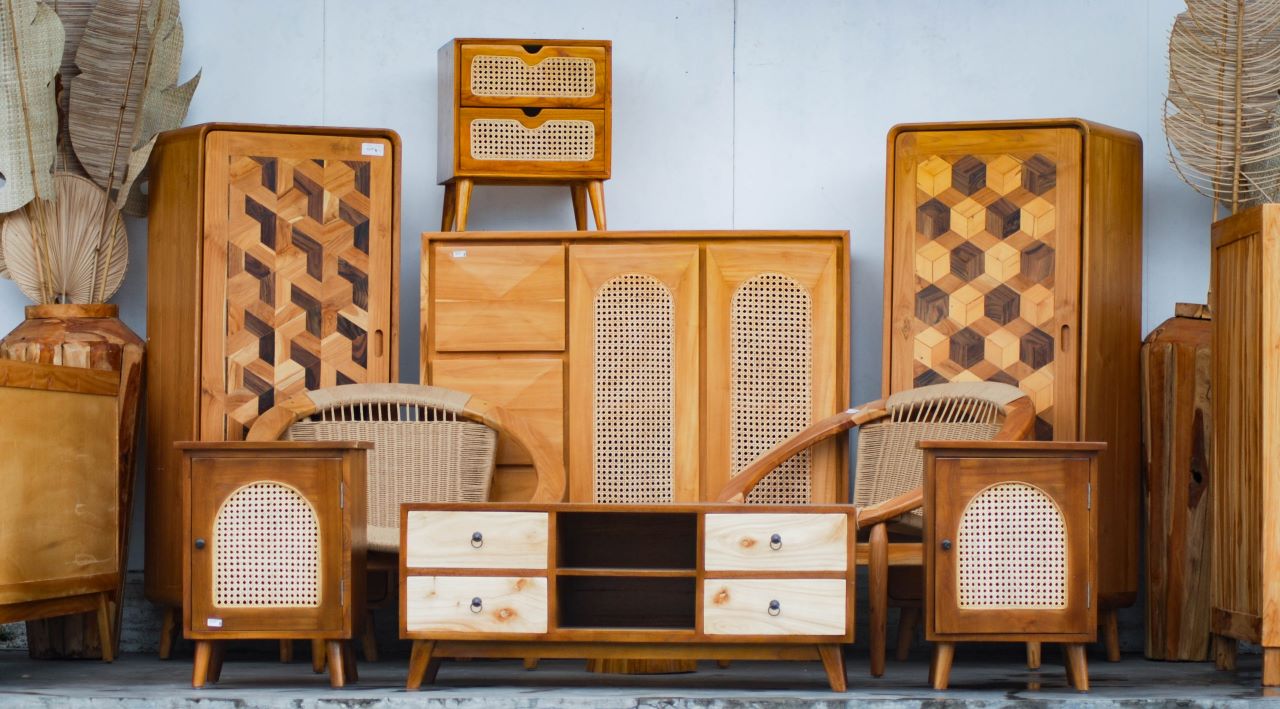
Family Heirlooms Overload: How to Handle Family Inheritance Without Regret
Handling family heirlooms after a loss requires managing legal authority, emotional pressure and practical logistics at the same time, and the order you take them on matters more than most people expect.
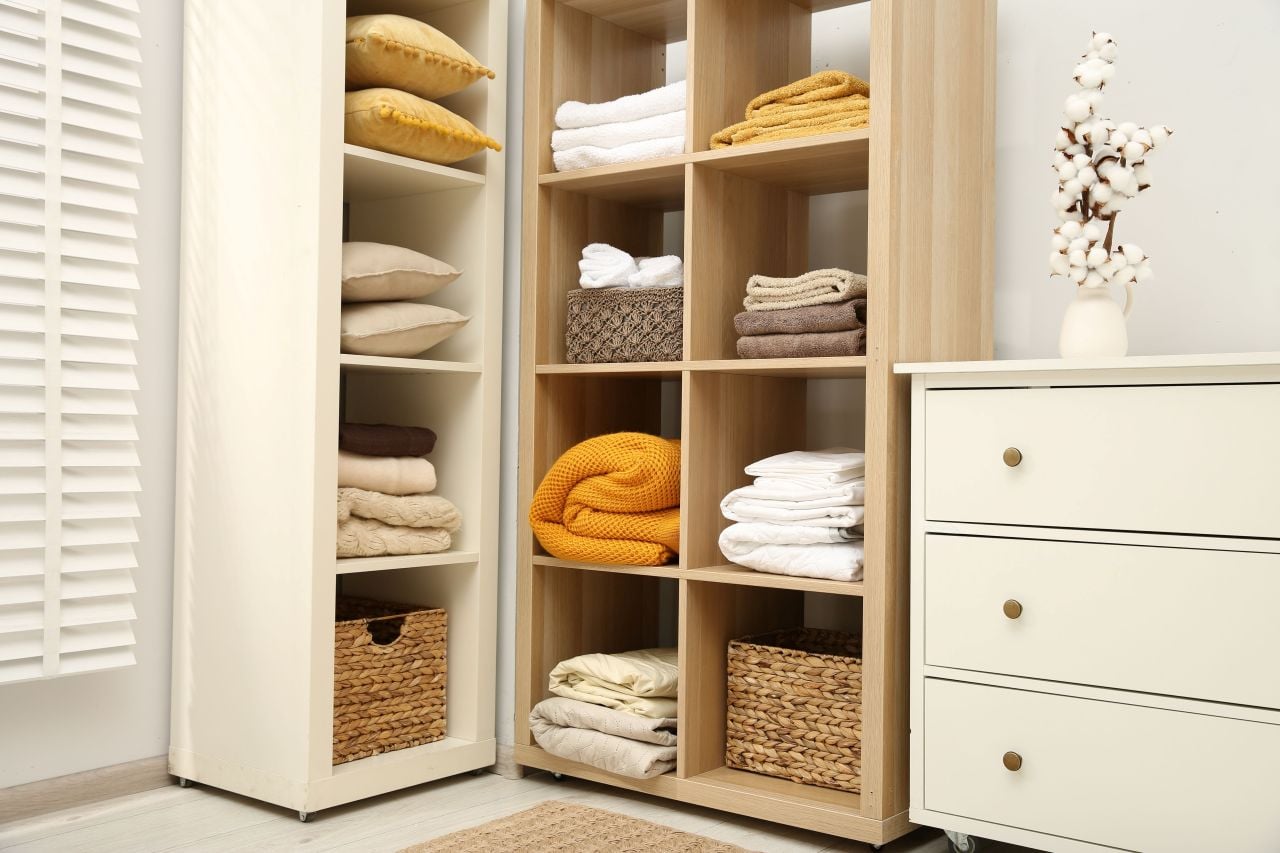
Blanket Storage: The Right Method for Every Space and Season
Blankets make our lives cozier, and storing them well is what keeps them soft and comfortable in the long run. Knowing how to store a blanket properly means your favorites come out of storage smelling fresh, feeling the same as when they went in, and lasting years longer than they otherwise would.

Board Game Storage Ideas That Keep Your Collection in Fighting Shape
Nobody warns you that getting into board games usually unlocks a second hobby, the much dreaded one that includes figuring out where on earth to put them. One game becomes a few, expansions start spawning beside their base boxes and before long, board game storage requires as much strategy as whatever is waiting on the other side of those lids.