

The self-storage industry has grown a lot in recent years, benefiting people with stuff they don’t have space for. Whatever the value of the items being stored, insuring them is a good idea, as unexpected things can happen. Using an existing insurance policy may be possible, but specialized self-storage insurance can offer added benefits.
People put things into self-storage lockers for a variety of reasons, perhaps because they’re in the process of moving home or because they have stuff they can’t find a place for at present—maybe items that are only used seasonally, like ATVs or garden equipment. Then there are businesses which have excess inventory, equipment or products which need a temporary home, and self-storage with its ease of access and short-term leases provides the ideal solution.
The increased competition in the industry means that there has never been a better time to store things away. You can search on StorageCafe to find a storage unit that best suits your needs, and in a location that’s convenient for you. When you’ve done this, you’ll want to consider insuring your items there—the insurance industry covers the backs of the increasing numbers of people putting all manner of items in today’s storage facilities. Alternatively, anybody thinking about self-storage as an investment will be pleased to know that this is indeed a strong trend.
What Does the Self-Storage Industry Look Like These Days?
Gone are the days when self-storage was just a row of lock-up garages where folk put fishing gear, an old car and bags of unfashionable clothes. The industry has advanced enormously in recent years and now offers many types of storage units of all sizes, for example 5×10 and 10×10, some with climate-control. Customers can choose between internal or exterior units and locations in or out of town. In addition, there are specialist storage services which include collection and delivery of your items.
The levels of security at the average modern storage facility have also become more sophisticated over the years. Unless it is simply a building only with internal units, the first things you will see are the fence, which should be sturdy, and the gates, which may feature an electronic entry system. Locks may also be electronic, and surveillance cameras will probably be in evidence. This will give you peace of mind, but insuring the items you store is still worth considering.
Do You Need Insurance?
There are two types of people in the world: those who want to be insured and those who feel lucky. Investors in particular tend to be of the former type, wanting to know that their assets are covered. Of course, the value of one’s possessions has a bearing on how worthwhile insuring them would be, but by putting them into storage the decision has been made that they will be useful again in the future. A self-storage facility may offer good quality services, but there are still real dangers that make insuring any items stored there a good idea.
Self-storage operators do not generally need to have insurance for their customers’ possessions, but they can require that customers have an insurance policy, and many of the reputable ones do this to avoid legal problems. You might find, therefore, that insuring your things at the facility of your choice, regardless of their value, is not merely optional. You might be able to use an existing policy to cover items in self-storage, but this is not always possible, and a specialist insurance policy can be preferable in any case.
Can You Use an Existing Insurance Policy?
It’s often possible to use an existing homeowner’s or renter’s insurance policy to cover stored items, and this can seem the simplest solution. But it shouldn’t be assumed that such a policy actually covers things stored away from base, as this may not be the case. In addition, not all the types of items and all types of damage are accounted for by such policies, so the fine print should be checked carefully. For example, flooding is a potentially disastrous hazard which is not always covered.
Also, it is possible that an existing policy offers very limited liability for items stored in a temporary location, perhaps an amount that is only 10-50% of the normal coverage, so you might not be able to claim the full value of goods back if the worst comes to the worst. In addition, many policies charge surcharges if you claim, and the period this is applied for can be as long as 3 years, thereby discouraging people from claiming.
Why Choose Specialist Self-Storage Insurance?
Self-storage facilities themselves may offer storage insurance policies to customers. In some US states they don’t need to be licensed insurance agents for this purpose, and sometimes they are required to call this service ‘protection.’ This is a convenient option and you may find that it covers everything you need.
Alternatively, you can take out a policy with a third-party company who offers specialized self-storage insurance. In this way you can be sure that a policy fits your own individual requirements, with all stored items covered so you can claim and receive the full value of them back if anything goes wrong. A number of companies currently offer such policies—for example Storage Insurance USA, Storage Protectors and Bluestone Brokerage—so you can look around and find the one that best addresses your needs.
Choosing to put things in self-storage is often a decision made in a hurry—perhaps you can’t move into your new house right away, or maybe your company takes delivery of a big bulk order of raw materials or unexpectedly has some product it can’t sell right away. But you will need those things in storage, and you want to know they are safe. An insurance policy generally doesn’t cost too much, and it will give you peace of mind that can be priceless.


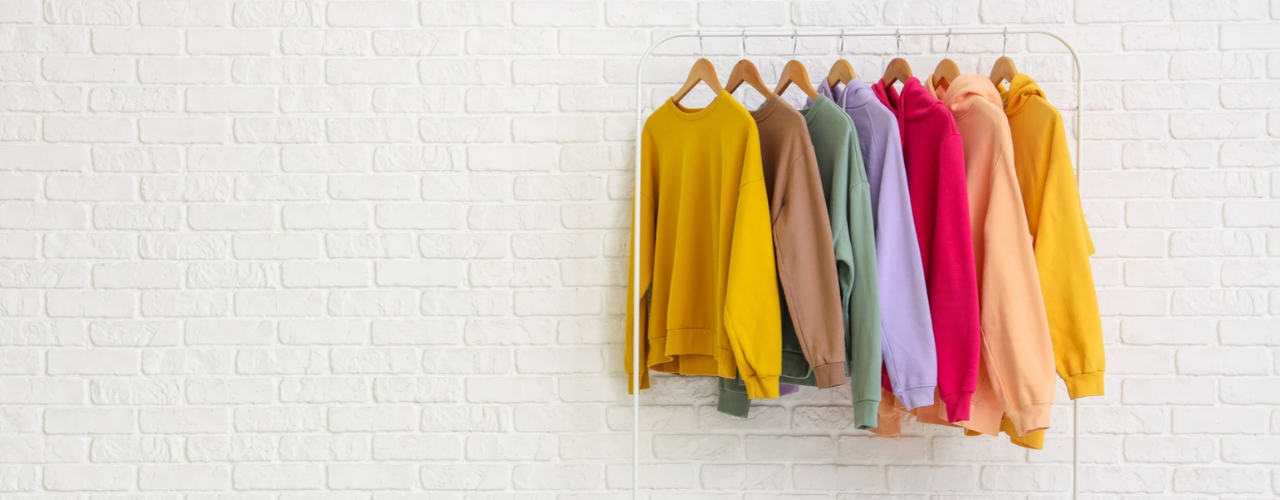
Sweatshirt Storage Ideas Worth Keeping Up Your Sleeve
Sweatshirts are great until you realize how much room they take up. A few thick hoodies can fill a drawer fast, with lighter crewnecks getting squashed underneath or pushed somewhere you forget about. Good sweatshirt storage can make that pile much easier to manage without requiring a bigger closet.

Living Room Storage Ideas: 28 Ways to Reclaim Your Hosting Space
If a living room is where most of a household’s living happens, good storage should be the top priority for setting up or revamping the place. After all, think of how easier it would be to have people over when tidying up the place is just a matter of putting things in their right place (in a time when fewer and fewer people are entertaining friends at home(opens in new tab)). The trick is making room for all those wayward clothes, blankets, chargers and other small things that end up on (or, inexplicably, in) the sofa. Here are 28 living room storage ideas to get you started and make tidying up a quick affair.
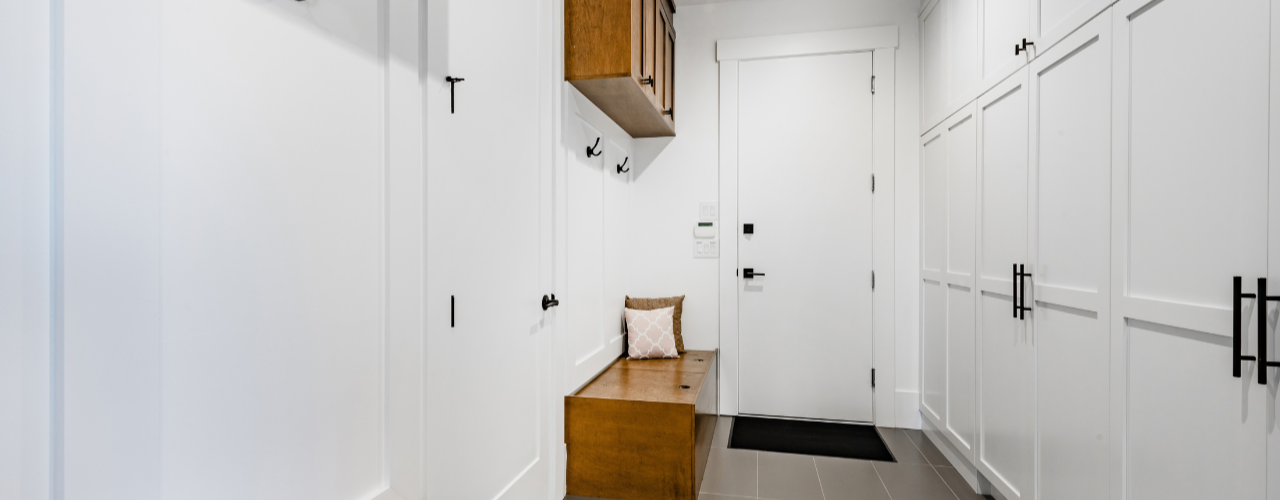
25 Mudroom Storage Ideas (And Mistakes to Avoid)
When you come home with muddy boots, an armful of bags and a coat you can’t wait to take off, it’s nice to have somewhere to put it all. With a mudroom, you can leave the outdoor mess at the door instead of carrying it through the house. Traditionally, you’d set aside a separate room, but you can just as easily use a hallway, an entryway closet, a laundry-room corner or a stretch of wall near the entrance.

Is Your Home Office Worth the Rent? What Coworking and Self Storage Could Save You
Every square foot of your apartment comes with a price tag, and a home office claims more of them than most renters expect. It starts with a desk. Then come the second monitor, the printer, the filing cabinet and the overflow boxes. Before long, the corner you set aside for work has turned into a small room you are paying for every month.

Best U.S. Cities to Live Uncluttered: Plano, TX, Offers the Most Room to Breathe
Clutter is in our homes as much as in our heads. Both are shaped by where we live.

America’s Top Snowbird Destinations for 2026–2027: Florida Leads in Numbers, Texas Wins on Value
For Americans living in colder states, the approach of winter is reason enough to start looking south. Cold weather carries costs that go beyond the heating bill and shoveling snow. Seasonal affective disorder(opens in new tab) is far more prevalent in northern states, so a temporary move south isn’t simply an escape from the cold, but a chance to spend the hardest stretch of winter outdoors and in the sun.
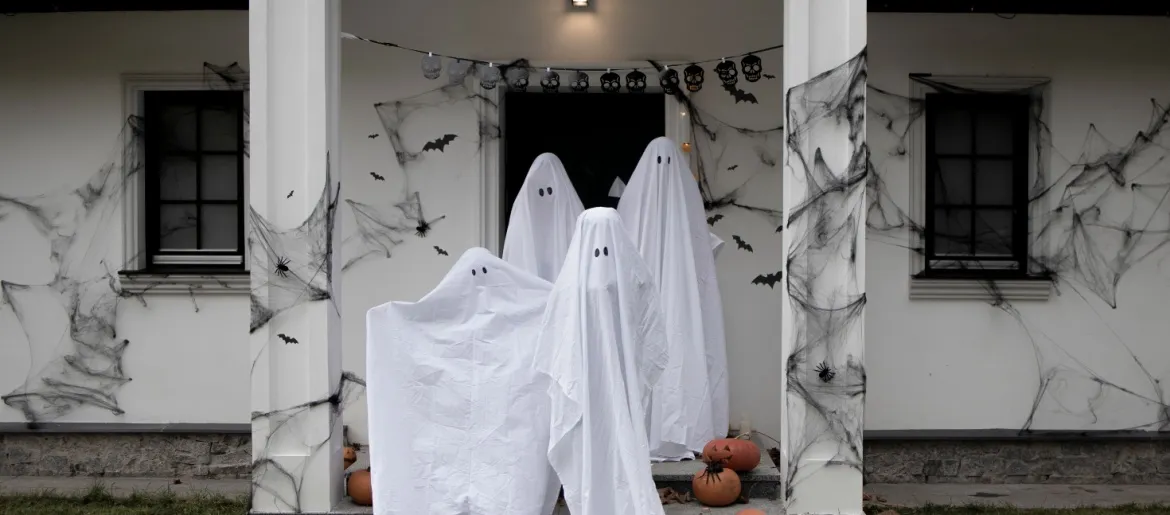
How Much Does Halloween Really Cost in 2026? Plan Wisely to Avoid the Scare of Hidden Costs
Americans’ love for Halloween is almost frightening — this year alone, we are on our way to spending $13.5 billion, according to data from the National Retail Federation(opens in new tab). That breaks down to about $115 Halloween costs per person, a whopping 49% more than 10 years ago.
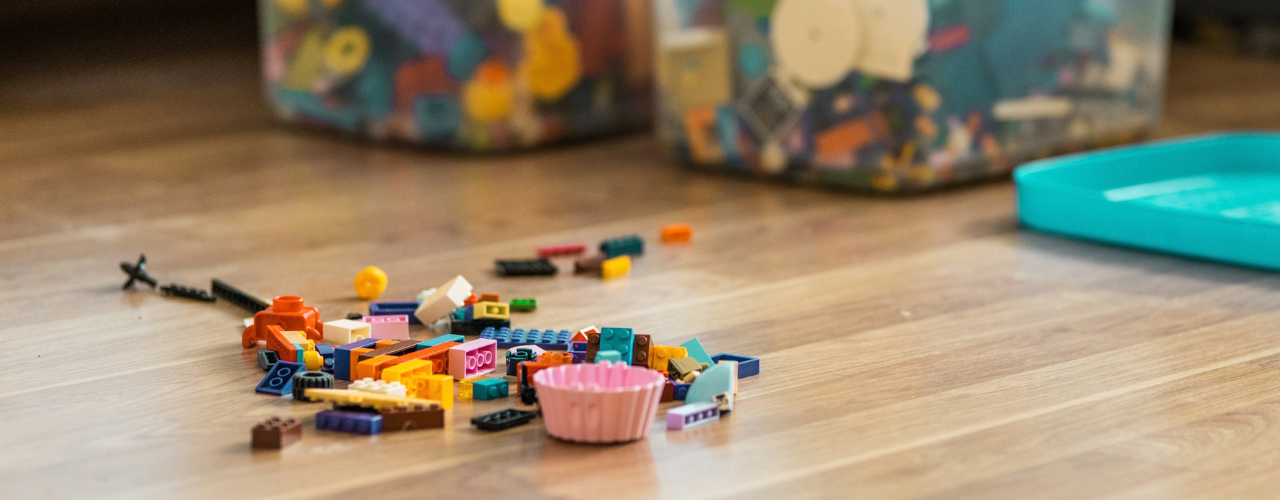
How to Store LEGOs: All the Fun, None of the Clutter
How to store LEGOs largely comes down to how your household uses them. If the bricks are part of everyday play, you need a setup that keeps them within easy reach and makes cleanup quick (for your feet’s sake, at least). Toy storage(opens in new tab) such as simple bins, playmats or containers that children can put away themselves may be enough. Larger or more serious collections usually need more organization, such as labelled drawers for loose pieces, trays for unfinished builds, shelves for completed models and separate storage for retired sets.

Cardboard Costume Guide: Tips and Ideas for a DIY Halloween
Whether for kids or adults, cardboard costume ideas often make the biggest splash once materialized, and that’s for a simple reason: doing a lot with a little is a universally impressive feat (especially in this economy). If you don’t have enough boxes you could temporarily repurpose, don’t worry! There are many places where you can find free moving boxes(opens in new tab), from stores and supermarkets to online groups and recycling drop-off spots. On the run? Try your luck at a self storage(opens in new tab) facility that sells moving supplies, often for cheap. This way, you can choose moving boxes of different shapes and sizes(opens in new tab), so you can make your costumes as complex as you want.