
Tiny Living Is Going Mainstream In San Antonio, TX — Here’s How To Make It Work For You

San Antonio’s housing market has its challenges, typical for an urban center its size: The lack of affordable starter homes makes it difficult for many residents to contemplate becoming homeowners. A brand-new initiative from construction company Lennar might change that, at least for some of the people living in San Antonio. The company is developing a new housing complex at Elm Trails, centered around low footprint, affordable homes. The detached homes, located in an area with plenty of open space and beautiful natural surroundings, come in (very) small sizes: 350 square feet or 660 square feet. The prices are, obviously, significantly lower compared to more traditional housing options, starting at around $130K.
Although such homes might seem small to many, there’s definitely a market for them and many benefits associated with living small. Tiny home living and minimalist lifestyles are becoming increasingly popular, with many people willing to trade some space at home for advantages such as lower housing costs, lower taxes and less stuff to deal with. One of the downsides of living in small abodes is that it can be challenging to find the space to store your possessions — even if you don’t own a lot. However, there are ways to overcome this issue — you just need a bit of creativity and flexibility.

Here’s how to live big in your small San Antonio home
Space constraints in a 350- or 660-square-foot home are significant — but that’s no reason to be discouraged if you already have decided to take the step. Check out these simple, yet effective, solutions that will help you transition toward your new lifestyle:
- Find furniture and appliances suitable for small spaces
Whether you’re downsizing to a veritable tiny home, or to a traditional home significantly smaller than your current place, it’s essential that you get furniture and appliances suitable for the new space. Large, bulky items will take up too much floor space and make you feel cramped and uncomfortable. Instead, opt for slender, double-duty furniture, such as bed frames with drawers, storage stools, folding or collapsible tables and chairs and so on. Furniture that fits every nook and cranny of your home is also a smart investment when it comes to tiny living — this way, you’ll be able to use every inch of space in your home.
When it comes to appliances, make sure you only get items that you actually use — for example, you don’t necessarily have to install an oven if you don’t bake often. Instead, you could get a microwave with grill function, or maybe an air fryer, either of which is a lot smaller than a classic oven. Also, if you live close to a laundromat, maybe the space that you would use for a washer and dryer could be dedicated to something more useful (such as storage space).
- Declutter mercilessly
Decluttering is a step that cannot be skipped if you decide to adopt the tiny living lifestyle, and it has to be ruthless. It’s important to be honest with yourself about what you really need and use. Don’t be afraid to get rid of items that no longer serve a purpose in your life. Start the process of decluttering by categories: Clothing could be the first category, as most of us tend to hold on to clothes that we haven’t worn in years. Ensure that every piece of clothing you keep fits you, is in good shape, and you’re actually wearing it. Sell, donate or recycle the rest.
Furniture, appliances and household items such as tools or kitchen accessories are another sore point. If the house you’re moving to is significantly smaller than the existing one, it’s probably better to sell your furniture and appliances and buy new ones that are better suited for small spaces. When it comes to tools and other household items, your main rule should be to own just one of each, whether it’s something large such as a vacuum cleaner, or something small, like a potato peeler. Giving up on sentimental items might be difficult as well, but there are ways to repurpose them so they take up less space: Frame them and display them on walls, or digitize them.
- Rent a self storage unit
A self storage unit located close to your home allows you to reconcile living in a small home with your natural desire, and need, to hold on to your belongings. A 10’x10’ storage unit in San Antonio rents for around $112 per month, and there are over 260 storage facilities in San Antonio to choose from. A 10’x10’ storage unit is large enough to allow you to store extra furniture, appliances, sports equipment, tools and so on — basically, all the things that you need but don’t use on daily basis. If such a unit is too big for your storage needs, you could rent a 5’X10’ unit or even a 5’x5’ one.
- Be mindful about your shopping habits
Decluttering is just one side of the coin — the other side is to adjust your shopping habits so that you don’t end up again with more possessions than space. Before heading out to shop, create a list of the items you need to buy. This will help you avoid impulse purchases and only buy what you need. Avoid shopping when you’re feeling emotional or stressed, as you may be more likely to make impulsive purchases. Also, avoid sales and discounts just for the sake of it. Sales and discounts can be tempting, but they can also encourage unnecessary spending. Only take advantage of sales and discounts if the item is something you need or have been planning to purchase.
- Make the most of San Antonio’s great outdoors
One great way of avoiding feeling cooped up in a small home is by making the most of San Antonio’s amazing options for outdoor fun. From exploring the city’s River Walk to spending time at SeaWorld, there’s a lot you can do. For those who enjoy hiking and nature, the Government Canyon State Natural Area offers miles of trails and scenic views, while the nearby Natural Bridge Caverns is a system of underground caves with tours available for all ages. Other activities, such as swimming in the crystal-clear waters of the Guadalupe River or kayaking in Canyon Lake, are also easily available — and local weather allows you to spend ample time outdoors throughout much of the year.
How do you feel about living in a tiny home? Let us know in the comments!


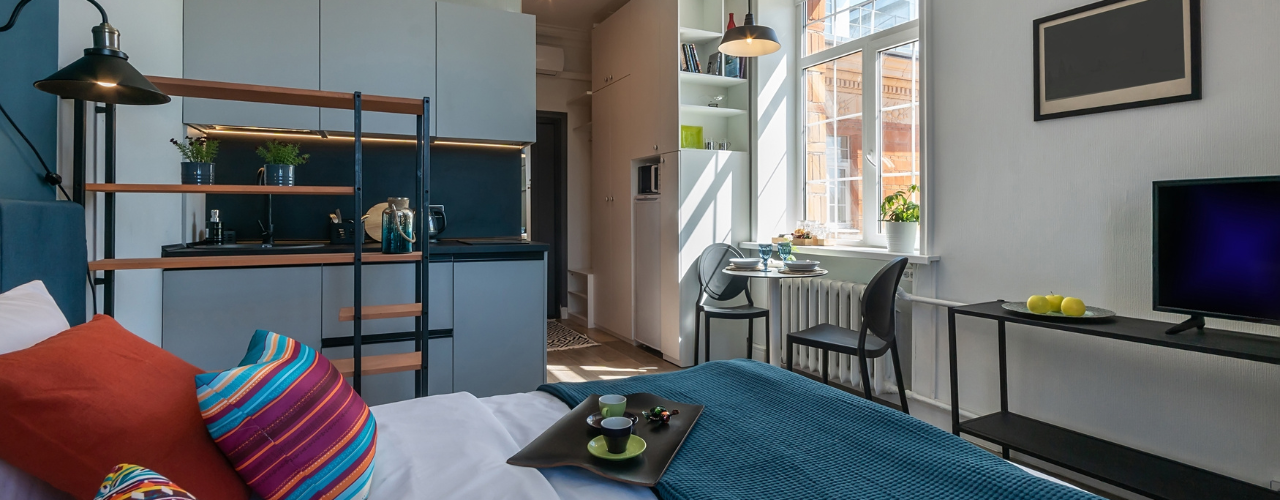
Storage Ideas for Small Spaces: 9 Ways to Max Out Your Home
A messy home contains the seeds of its organization. Those seeds everywhere: the space above doors, under beds, behind sofas and inside furniture can all become storage. Here are the best storage ideas for small spaces, so you can make the most of your cozy home.
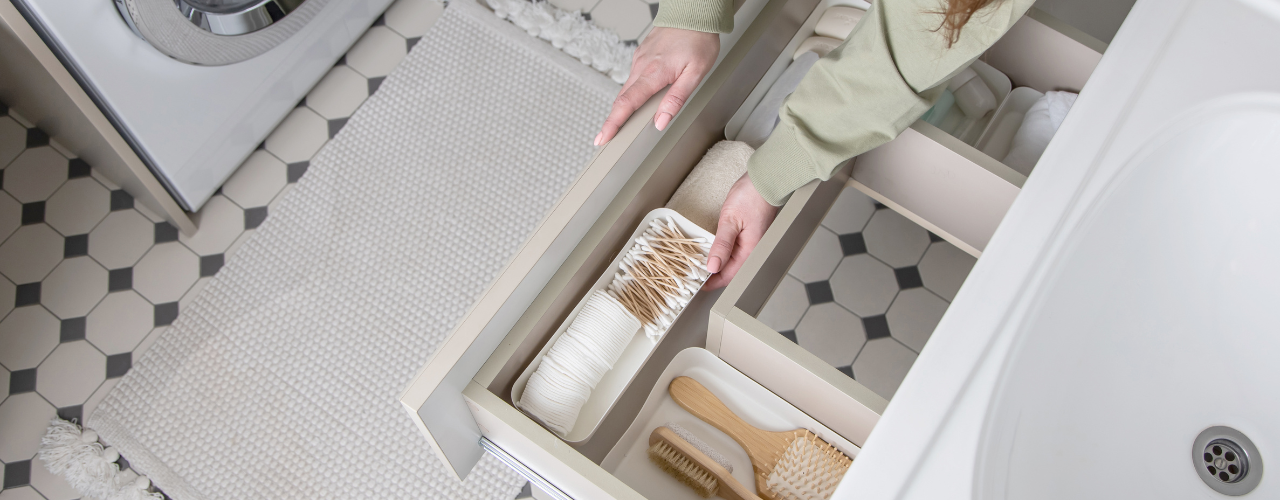
How to Organize Your Bathroom: 8 Ways to Stay Tidy
You already know why an organized bathroom is worth the effort, but let us remind you: it makes rushed mornings easier, keeps counters cleaner and just helps get you in the mood to go through your skincare routine like you should. Plus, in bigger households, it helps everyone find what they need. And you know how much a tidy bathroom counts for your self-esteem when a guest or a partner shows up. Luckily, you don’t need a degree to know how to organize your bathroom. The secret is keeping less, giving every item a home and making that home simple to use. Let’s go through some practical steps can help you create a bathroom that stays functional and nice to look at.
Best U.S. Cities to Live Uncluttered: Plano, TX, Offers the Most Room to Breathe
Clutter is in our homes as much as in our heads. Both are shaped by where we live.

How to Use Silica Gel Packets for Storage
Moisture can cause significant damage to items in storage, leading to rust on tools, mold on clothing and warping in documents. Silica gel uses science to fix that. Often found in small packets inside product packaging, silica gel is a desiccant that absorbs moisture from the air, keeping your stored items dry and protected. This guide explains what silica gel is, how it works and how you can use it to preserve your belongings in self storage.
Where to Find Moving Boxes in Los Angeles
Moving in Los Angeles is its own thing, and figuring out where to get moving boxes sorted is just the start of everything you’ll need to organize before moving day.

10 Best Places to Donate Books in Philadelphia
Did you know Philadelphia’s book-sharing roots go back to 1731? Benjamin Franklin and The Junto Club gathered their personal collections into a shared library, thus sparking a tradition of pooling knowledge for the common good. Today, you can carry on that spirit by donating books to local organizations and free libraries.
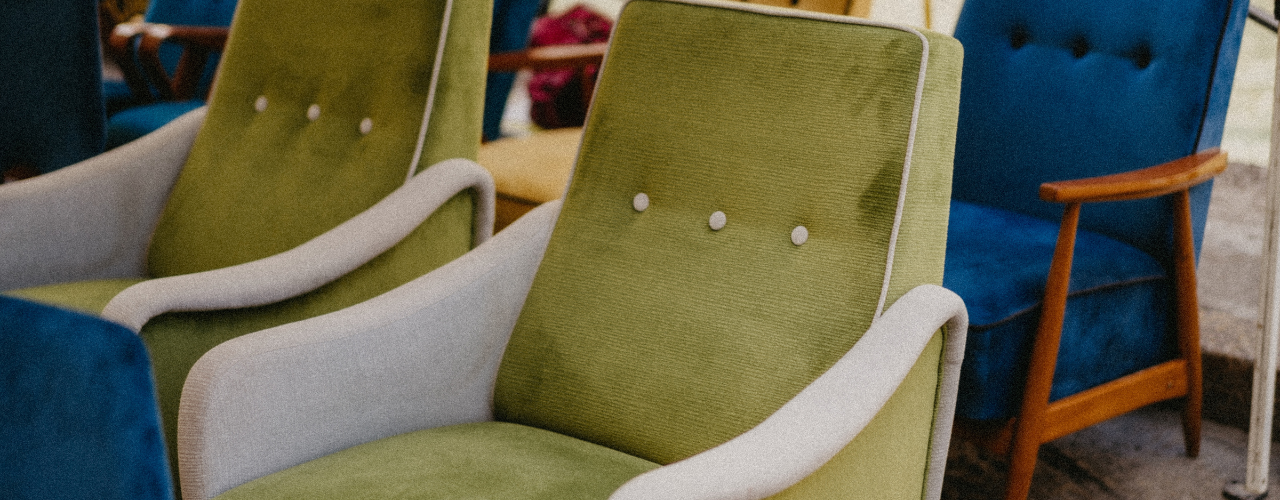
How to Sell Furniture (For Quick Deals and Side-Hustles)
Selling used furniture can be quick, profitable and even rewarding if you know where to list, how to present your pieces and what buyers are looking for. Just a tiny bit of patience and some good planning will take you a long way. This guide covers everything you need to sell your furniture efficiently and safely, for the best possible price.
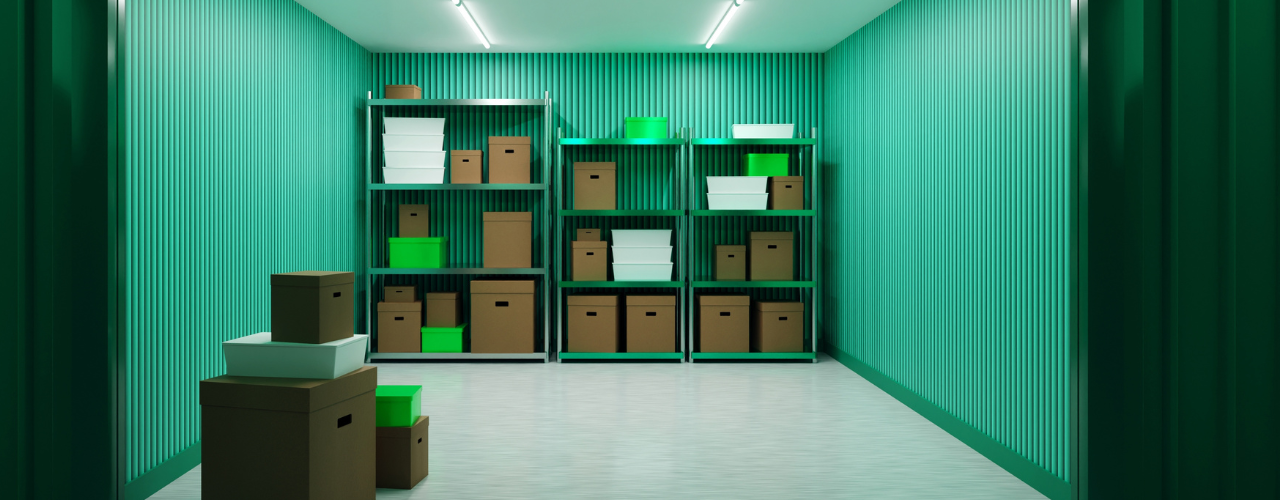
1 in 4 Americans Rent Self Storage — and the Next Wave Is Already Coming
About one in four Americans is already using self storage and just as many are actively searching for a unit online right now. Across the 150 largest U.S. cities, self storage searches rose 23% year-over-year in 2025 — nearly triple the growth recorded the previous year, up from around 8% in 2024.
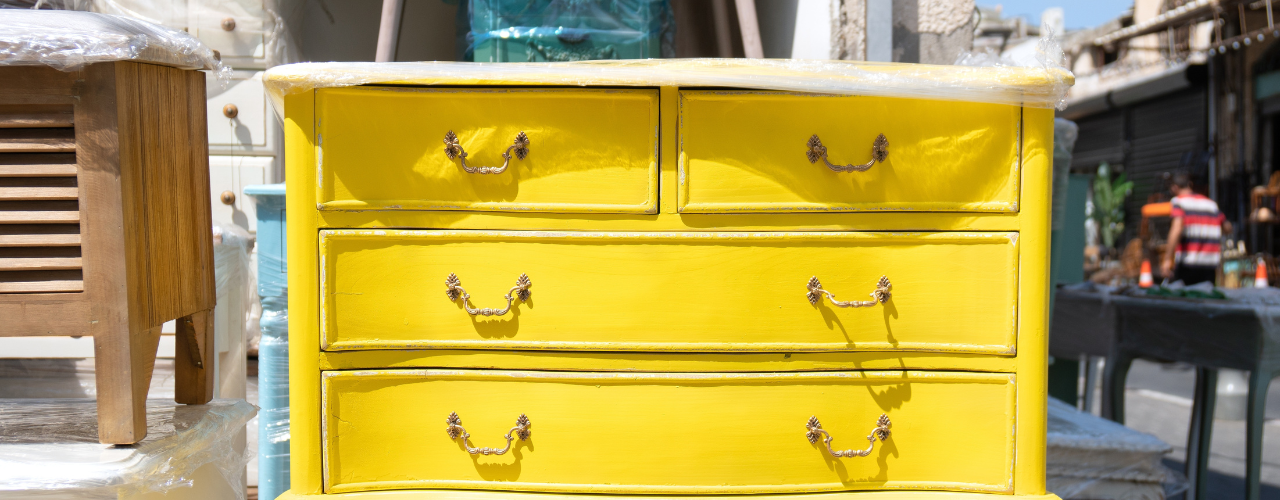
Where to Donate Furniture in Philadelphia
Philadelphia has a strong tradition of giving back, and donating furniture is a practical way to support local charities while freeing up space in your home. Whether you’re downsizing, moving, or just decluttering, there are plenty of organizations ready to take your gently used furniture. And if you’re not ready to part with certain pieces just yet, self-storage can buy you time to decide.