

A balcony garden comes with a whole set of perks: you create your own little nature corner that you can enjoy anytime, and you get to add delicious ingredients you grew yourself to your culinary dishes. More than that, you’re doing a favor to the environment, as bees and other pollinators that have a hard time surviving in cities will find a little bit of respite in your balcony garden.
Don’t let things like your perceived lack of green thumbs or time — or a small balcony — discourage you and prevent you from starting your garden. You can put a few planters even in the smallest of balconies and tending to them doesn’t take more than a few minutes each day. Also, the only way to get your thumbs greener is by jumping right into action and learning how to take care of your plants.

Tools and equipment you need to get your garden started
The basic items you need to grow plants on your balcony are:
- planter pots
- potting soil
- a gardening set containing scissors
- a mini-rake
- and a small plant trowel.
You have to purchase seeds or seedlings of the plants you plan to grow – or, if you know people who have been doing gardening for a while, you can ask them to give you some.
It’s important to get planters that are suitable for the space you have at hand. In the case of small balconies, hanging planters are the right choice. However, if you have some floor space, you could also get larger box planters, where you can grow a variety of veggies and flowers.
One thing to keep in mind is that planters don’t do well if left on the balcony during winter. The frost/defrost cycles will destroy the planters and render them unusable. A good idea would be to empty the planters in the autumn and put them and your other gardening tools in self storage for safe keeping.
Gardening stores and supermarkets carry many types of potting soil, specially mixed to suit different types of plants. If you decided on what you want to grow on the balcony, get the soil that’s suited for those plants. However, if you’re not completely sure yet, or you don’t want to purchase five different types, get a large bag of all-purpose potting soil. Make sure you also get a complex fertilizer – plants grown in pots, with limited soil, need a little bit of extra help.
Now that you have all you need to start your little balcony garden, let’s see which plants are the most rewarding and easiest to grow for beginner gardeners.
1. Aromatic plants
Aromatic herbs – and we’re talking here about mint, basil, oregano, rosemary, parsley, tarragon and so on – are very versatile plants, perfect to be grown on balconies. Most of them are unpretentious, easy to keep, and you can find seedlings in many large supermarkets. Simply move those into larger planters and you’ll be enjoying fresh leaves in your salads and other dishes for months. Aromatics also bloom, are very decorative, and they’ll make your balcony smell like a little piece of heaven.
2. Hot peppers
Hot peppers are highly productive and need little space to grow. The plants look pretty cool – like a small, beautiful tree. A couple of hot pepper plants will produce more than enough for your cooking needs. You can choose varieties that are extremely hot, like Ghost Pepper or Chocolate Habanero, or others that are not quite as spicy, like jalapeno or serrano peppers. The Bolivian Rainbow Pepper is also very popular, due to its spectacular, multi-colored, cone-like peppers. Another good attribute of hot pepper plants is that, under the right conditions, they can live for a couple of years, or even longer.

3. Cherry tomatoes
Sweet, delicious, freshly picked cherry tomatoes – who can say no to that? You do need a slightly larger planter for tomatoes and should consider one that’s at least 10 inches in diameter, but if you have the space on your balcony, go for it. Find a sunny spot for the tomato plant, and make sure you also have a stake to support it as it grows.
Cherry tomatoes keep making fruits well into the autumn and, if you move them indoors before frost sets in, you will get an extra couple of months of fresh tomatoes out of them.
4. Leafy greens
Leafy greens are a good option if you have a balcony large enough for a box planter. Leafy greens thrive in the shade, so you can place them closer to the floor, where there’s usually less sunlight. You can plant lettuce, spinach, arugula, watercress, and so on. They need to be kept damp, so make sure you water them regularly.
5. Strawberries
Strawberries can be grown in hanging baskets or in regular planters, and they are a truly rewarding plant to keep on your balcony. One of the best varieties for small containers are alpine strawberries, as the plant is vigorous and has a very long fruiting season, throughout the entire summer. The fruits are small, but extremely sweet and flavorful.

6. Geraniums
Geraniums are the ideal flowers for beginner gardeners – it’s almost impossible to kill one, and you’ll be rewarded by their colorful flowers the entire summer season and late into the autumn, until frost sets in.
7. Petunias
Petunias come in a huge variety of colors and sizes, have an exuberant, perpetual flowering season, and look amazing in hanging planters. Petunias are happy-go-lucky plants that also don’t need a lot of care, just regular watering and some fertilizer from time to time, to support blooming.

8. Marigolds
With their deep shades of yellow, orange and chestnut, marigolds are a great option for balconies. They are renowned for deterring plant fleas and other pests, so it’s a good idea to put them next to other, more delicate crops, such as tomatoes, for example.
9. Pansies
Pansies are sweet scented, very colorful, and don’t need large planters. They grow best in partial shade, so even if you have a balcony that’s north or west oriented, you can still enjoy gorgeous flowers.
10. Begonias
Begonias are very fast growers and are available in an assortment of colors, from white to shades of yellow, orange, and red, allowing you to create beautiful arrangements on your balcony railings or in a larger planter. They don’t need a lot of water and prefer locations that provide both sun and shade throughout the day. Begonias are sensitive to cold, though, so don’t plant them until you’re certain that spring frosts are gone.
Do you have any other favorite plants you love to grow on your balcony? Let us know in the comments!


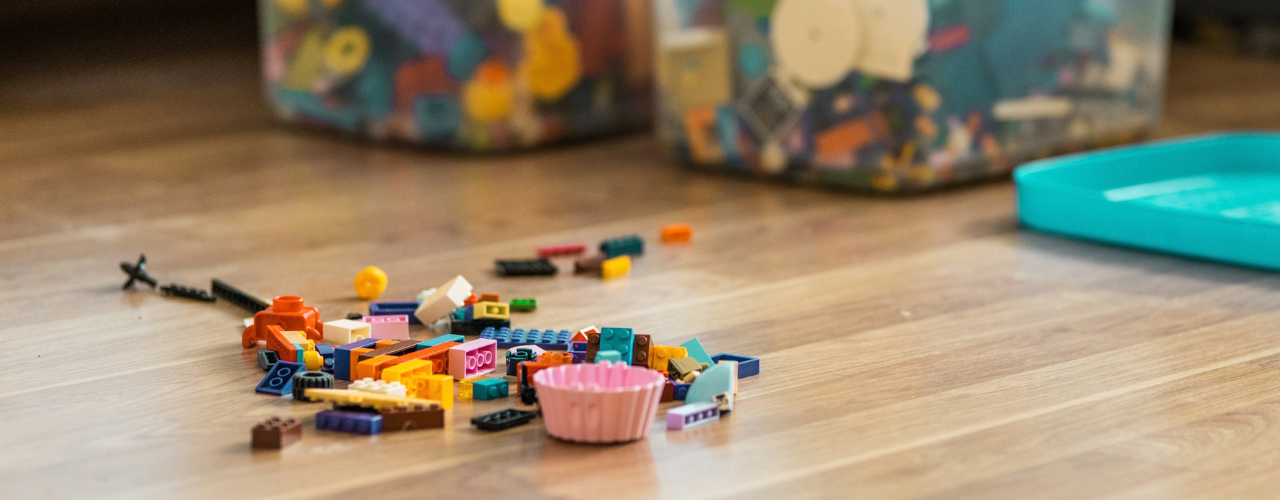
How to Store LEGOs: All the Fun, None of the Clutter
How to store LEGOs largely comes down to how your household uses them. If the bricks are part of everyday play, you need a setup that keeps them within easy reach and makes cleanup quick (for your feet’s sake, at least). Toy storage(opens in new tab) such as simple bins, playmats or containers that children can put away themselves may be enough. Larger or more serious collections usually need more organization, such as labelled drawers for loose pieces, trays for unfinished builds, shelves for completed models and separate storage for retired sets.

Cardboard Costume Guide: Tips and Ideas for a DIY Halloween
Whether for kids or adults, cardboard costume ideas often make the biggest splash once materialized, and that’s for a simple reason: doing a lot with a little is a universally impressive feat (especially in this economy). If you don’t have enough boxes you could temporarily repurpose, don’t worry! There are many places where you can find free moving boxes(opens in new tab), from stores and supermarkets to online groups and recycling drop-off spots. On the run? Try your luck at a self storage(opens in new tab) facility that sells moving supplies, often for cheap. This way, you can choose moving boxes of different shapes and sizes(opens in new tab), so you can make your costumes as complex as you want.
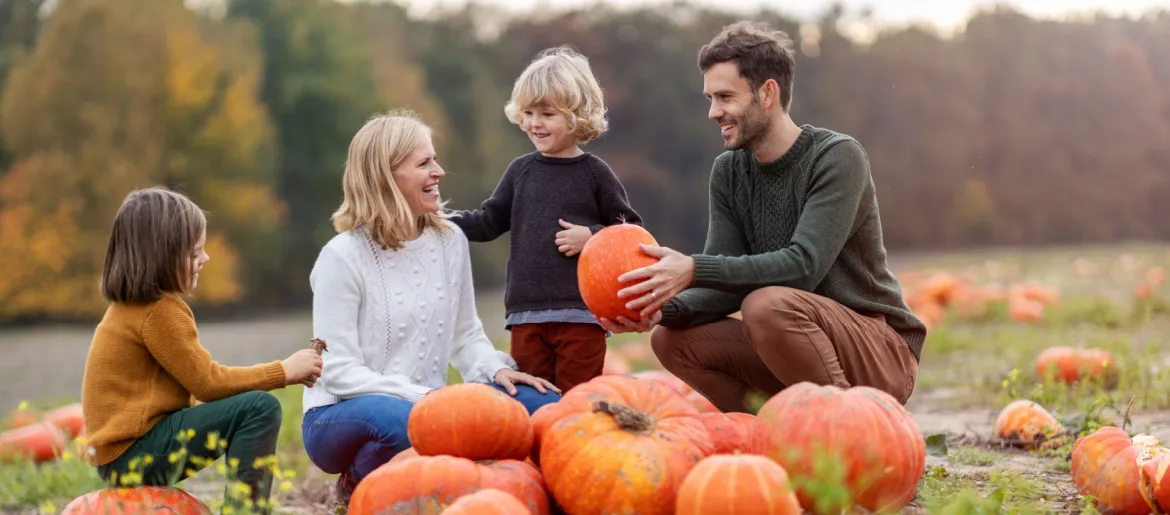
How to Celebrate Halloween: 9 Non-Spooky Ways To Enjoy It
As soon as October starts, it’s the official Halloween month. And while for many people it means it’s open season to get the scare of a lifetime, others, especially families with small children, might prefer to celebrate in a tamer way that’s both kid- and adult-friendly. While you’re likely to find more events where the spook factor is high, here’s how to celebrate Halloween in a not-so-scary way:

Motorcycle Storage Guide: How to Store Your Bike Safely
Motorcycles may be born to be wild, but eventually even the wild ones need somewhere to park. Whether riding season is winding down or your current living situation comes with plenty of square footage for you and less for your bike, motorcycle storage is one of those parts of ownership that doesn’t get as much airtime as the open road.

Halloween Decorating on a Budget (And Cheap Ideas for Everything Elsee)
Halloween has crept a long way from its eerie origins. While All Hallows’ Eve has transformed through the centuries, it wasn’t until the 1930s that trick-or-treating became a tradition in the U.S. and businesses began conjuring up mass-produced Halloween costumes. Now, Halloween is a monster-sized, billion-dollar industry, with a cauldron full of costumes and decorations ranging from the mainstream to the macabre. But is it all really worth your wallet? Maybe, but we’ll let you in on a little secret: You can keep your Halloween decorating on a budget and save on everything else, too. Take this plan and see it through!

Moving From a House to an Apartment: What to Expect, How to Downsize & How Self Storage Helps
For some, moving from a house to an apartment is a financial decision. For others, it’s about simplifying life. Maybe the kids have moved out and half the house sits empty, or you’re approaching retirement and no longer want to spend weekends on repairs. Or perhaps you’ve been weighing the cost of buying a home and wondering whether renting simply makes more sense right now.
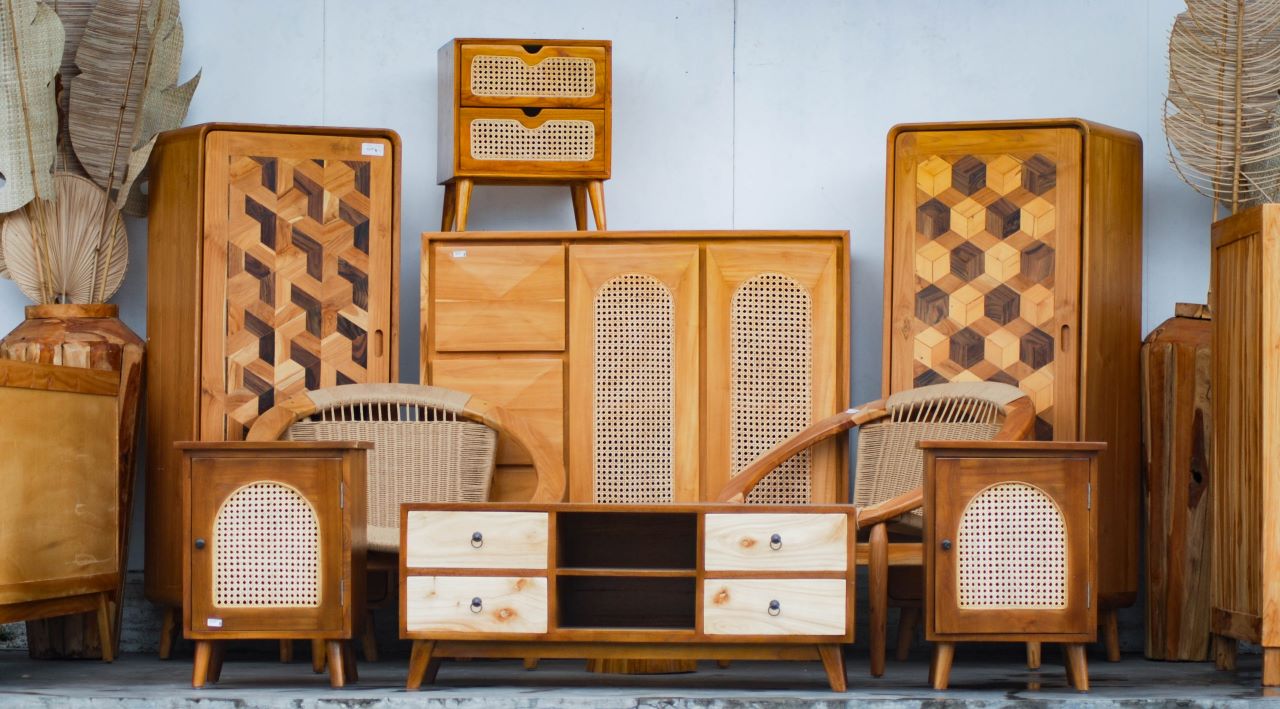
Family Heirlooms Overload: How to Handle Family Inheritance Without Regret
Handling family heirlooms after a loss requires managing legal authority, emotional pressure and practical logistics at the same time, and the order you take them on matters more than most people expect.
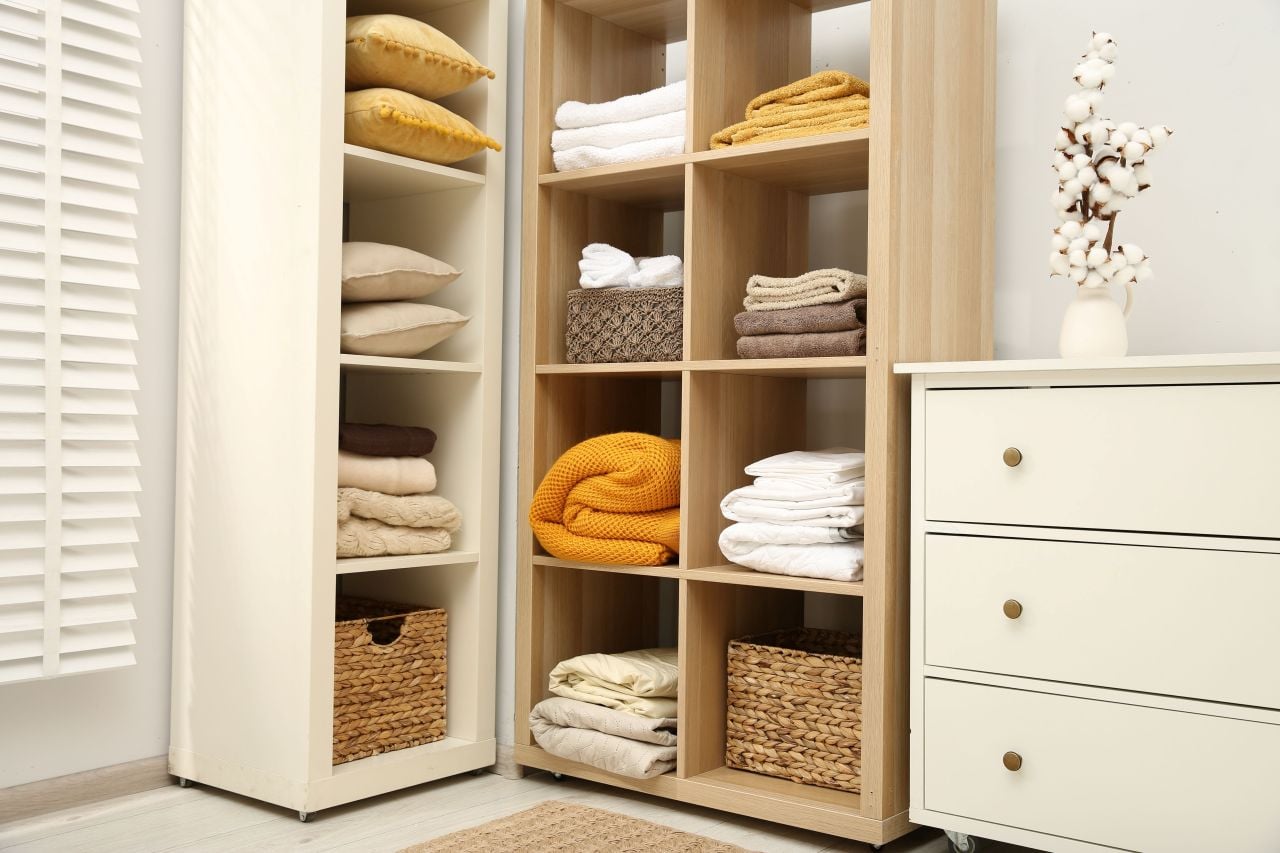
Blanket Storage: The Right Method for Every Space and Season
Blankets make our lives cozier, and storing them well is what keeps them soft and comfortable in the long run. Knowing how to store a blanket properly means your favorites come out of storage smelling fresh, feeling the same as when they went in, and lasting years longer than they otherwise would.

Board Game Storage Ideas That Keep Your Collection in Fighting Shape
Nobody warns you that getting into board games usually unlocks a second hobby, the much dreaded one that includes figuring out where on earth to put them. One game becomes a few, expansions start spawning beside their base boxes and before long, board game storage requires as much strategy as whatever is waiting on the other side of those lids.