

The best way to organize kitchen cabinets is to store items where you actually use them: mugs near the coffee maker, plates close to the dishwasher, spices next to the stove. Small placement decisions like these turn crowded cabinets into functional ones, and they cost nothing to implement.
After your first container mutiny, that logic starts sounding a lot more appealing. Many kitchens have plenty of storage. The challenge is deciding where things should go in the first place — and for items that don’t belong in the kitchen at all, a self storage unit can take the pressure off your cabinets from the start.
The ideas below focus on organizing cabinets around the way you realistically use your kitchen — from creating dedicated prep zones to making better use of deep shelves, awkward corners and overlooked drawer space.
Label shelves, bins and containers
Shared kitchens fall back into chaos when nobody can remember where things belong. Labels fix that by making the system legible to everyone, not just the person who set it up.
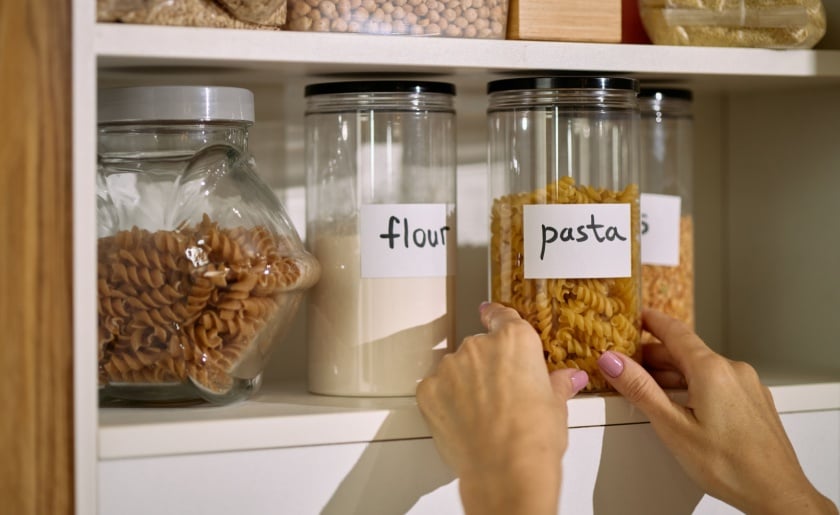
Removable labels work best because they’re easy to update as cabinets evolve. You can start by labeling:
- Shelf zones: Helps everyone remember which cabinets are meant for baking supplies, cookware, food storage containers or snacks
- Storage bins: Makes it easier to return items to the right place after unloading groceries or the dishwasher
- Lazy Susans: Prevents turntables from becoming catch-all spaces where unrelated items accumulate
- Dry goods containers: Avoids duplicate purchases and helps identify contents at a glance
- Seasonal storage bins: Makes holiday baking supplies and entertaining pieces easier to find when the time comes
When every container has a purpose, staying organized requires less effort — and a lot more time for binge-watching whatever everyone’s been talking about.
Use a Lazy Susan to solve corner cabinet storage
A Lazy Susan addresses one of the most avoided challenges in kitchen cabinet organization: the corner cabinet. The problem isn’t usually a lack of space, but the fact that the farther an item gets pushed toward the back, the less likely you are to use it. Before long, that serving platter might as well be in a different room.
A turntable changes that dynamic because instead of reaching over everything else, a spin brings items within reach. That’s particularly useful for spices, oils, vinegars and condiments, which form several rows deep on a shelf.
Larger items work well on corner-cabinet turntables. Heavier cookware and serving pieces are less likely to tip, slide or get caught during rotation than smaller objects, and they make better use of the cabinet’s depth, turning an awkward corner into usable storage.
Kitchen organization pro tip: Don’t limit Lazy Susans to cabinets. A small turntable in the refrigerator can keep sauces and condiments from disappearing behind one another, while a spice turntable makes it easier to see what you already have before bringing home another bottle of something that’s already sitting on the shelf.
Store items where you use them
A simple idea to implement is storing items as close as possible to where they’re used — a principle known as the kitchen work triangle (the path between your stove, sink and refrigerator). It sounds obvious, but many kitchens evolve over time rather than being organized intentionally.
One way to evaluate your setup is to pay attention to how often you’re crossing the kitchen for the same items. If making coffee requires opening three different cabinets, or unloading the dishwasher means carrying stacks of plates across the room, the layout is working against you.
Instead, think in zones based on how you use the space:
- Drinking glasses: Cabinet closest to the refrigerator
- Coffee mugs: Cabinet nearest to the coffee maker
- Plates and bowls: Cabinet near the dishwasher or sink
- Silverware: Drawer close to both the sink and dishwasher
- Spices and cooking oils: Cabinet next to the stove
- Baking tools: Near your primary baking or prep area
- Everyday pantry staples: Largest or most accessible pantry cabinet
The same logic can be applied to routine upkeep. Cabinets are much easier to maintain when they’re part of a regular cleaning schedule rather than a once-a-year overhaul.
Organize spices so you can find them
Spices stacked in rows or piled on a shelf mean the one you need is always at the back. A tiered riser puts every label in plain sight. Drawer inserts lay jars at an angle so the entire collection is visible the moment the drawer opens. Both approaches cut down on rummaging and make it easier to keep track of what needs replacing.
One thing worth doing before investing in any system is to pull everything out and edit. Most spice collections contain duplicates and things bought for a single recipe years ago. A smaller collection is easier to organize than a large one. Less “thyme” spent searching, more time actually cooking.
Kitchen organization pro tip: Short on shelf space? The inside of a cabinet door is ready to join your quest. A slim spice rack mounted there keeps frequently used seasonings within reach while leaving the main shelves available for larger kitchen essentials.
Mount magnetic strips inside cabinet doors
Magnetic strips are handy for metal spice tins, bottle openers, bag clips and other small items that get lost in drawers. It’s the same thinking behind many tiny home storage ideas: using surfaces that are often overlooked rather than searching for more square footage.
Bakers may want to reserve a strip for piping tips. Decorating kits often come with dozens of tiny metal tips, yet the containers they arrive in rarely make it easy to find the right one. Lining them up inside a cabinet door keeps every shape visible without sacrificing shelf or drawer space.
Decant dry goods into clear containers
A shelf lined with matching containers reveals what’s running low, what’s fully stocked and what’s been sitting untouched for months.
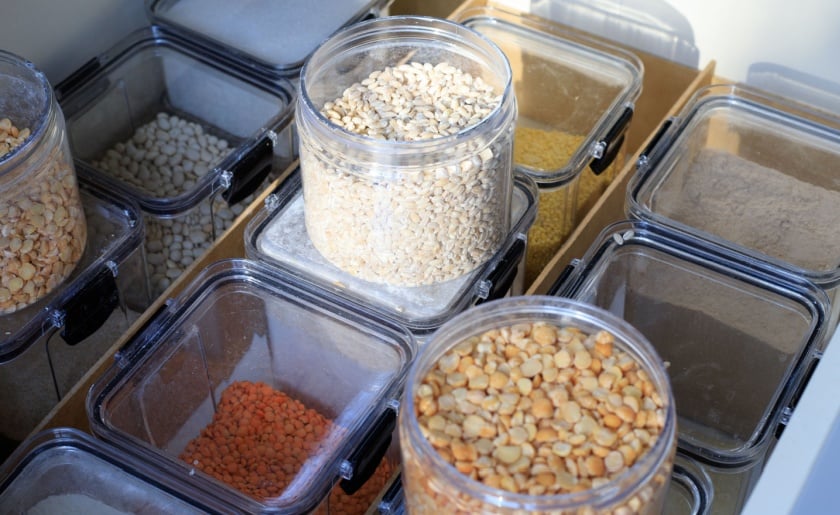
There’s another benefit: oddly shaped packaging wastes a good chunk of space. Square and rectangular containers sit flush against one another, making shelves easier to navigate and creating room for a few extra items in the process.
For anyone taking this route, a few habits make a difference:
- Write cooking instructions directly on the bottom of containers with a dry-erase marker. That way, tossing the original packaging doesn’t mean losing rice-to-water ratios or cooking times.
- Store a measuring scoop inside larger containers so flour, sugar or rice can be portioned without going through the drawers.
- Arrange containers by height, with the tallest in the back and shortest in the front, creating a stadium-style view of the shelf.
- Keep one container empty. It becomes a holding space when combining nearly finished bags of pantry staples that would otherwise continue taking up room.
Rotate stock so older items stay in front
Reserve the most accessible shelves for the items that are part of your regular routine and relocate seasonal pieces to the back of cabinets or into labeled bins. Think of your cabinets the way a grocery store thinks about shelves — newer stock goes to the back, what needs to be used first stays in front.
In practice, that means the everyday coffee mug lives at eye level. If something has been at the back long enough that you forgot it was there, it’s probably a candidate for donation rather than reorganization.
One rule to keep the system honest: When something new comes in, something that hasn’t been used recently goes out. Cabinets tend to fill back up quickly without it.
Use self storage as an overflow cabinet
Some items are worth keeping but don’t need to be anywhere near the kitchen. Seasonal entertaining pieces, specialty appliances used a few times a year, bulk purchases and inherited serving sets all have one thing in common: they take up space every day for access you rarely need.
A self storage unit can act as an overflow pantry for the things that belong in your life but don’t need to live in your cabinets. The bread maker goes back after the sourdough phase. Bulk paper goods move in when you find a good deal and out when you need them.
For anything temperature-sensitive — wooden serving pieces, fine china, specialty cookware or wine — a climate-controlled unit is worth considering. Fluctuating heat and humidity can damage items that are meant to last decades.
The practical benefit is that your kitchen cabinets end up holding only what you use. A labeled bin in storage is less frustrating than a cabinet that’s always slightly too full.
What to move out of your cabinets (into storage)
Cabinets tend to become victims of their own success. If an item doesn’t have an obvious home elsewhere, it ends up in the kitchen by default.
The result is seasonal bakeware sharing shelves with everyday cookware, and specialty appliances occupying space long after the novelty has worn off. Sometimes reclaiming cabinet space isn’t about buying more organizers, but about asking whether an item belongs there at all.
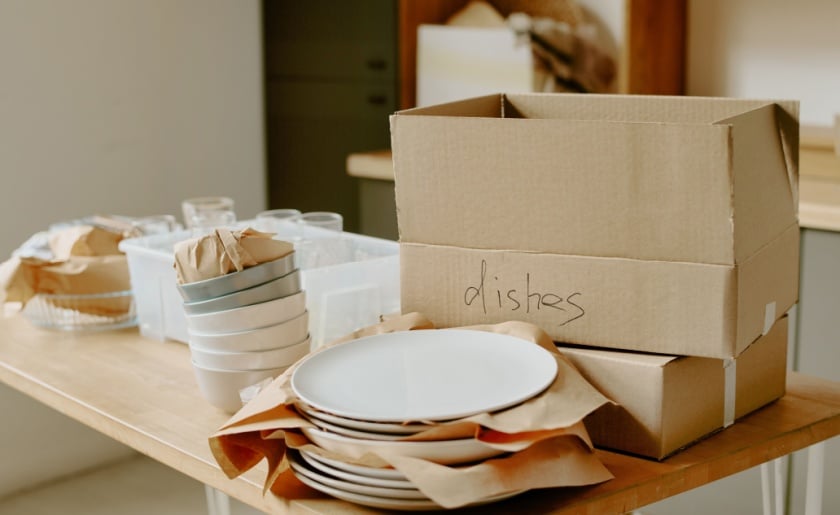
As a rule of thumb, anything used weekly deserves easy access. Everything else can tolerate a longer commute. Kitchen items that can live elsewhere include the following:
- Seasonal entertaining supplies: Thanksgiving platters, holiday serving trays, punch bowls and extra wine glasses don’t need year-round cabinet access. A labeled storage bin or nearby closet keeps them out of the way until hosting season arrives.
- Specialty appliances: Consider relocating bread makers, waffle makers, ice cream makers, panini presses and similar gadgets to a pantry overflow area, utility closet or self storage unit.
- Bulk purchases: Backup paper towels, disposable plates and extra pantry goods can take over valuable cabinet space. Store surplus supplies elsewhere and keep only the current package within reach.
- Duplicate items: Extra cookware, spare mixing bowls, second sets of dishes and the collection of tumblers that somehow keeps growing. If the broader clutter problem extends beyond the kitchen, starting small is the most reliable approach.
- Inherited pieces: Family china, crystal serving dishes and heirloom cookware deserve protection. A dining room display cabinet may be a better fit.
- Pet supplies: Large bags of pet food and backup pet accessories can consume an entire cabinet before you realize it. A mudroom, pantry overflow shelf or storage closet usually works better.
- Non-kitchen overflow: Tool kits, batteries and miscellaneous household supplies have a habit of crawling into kitchen drawers. Sending them back to their proper home creates room for things that belong in the kitchen.
FAQ
How do I organize kitchen cabinets on a budget?
Start with what you have — repurpose shoeboxes as drawer dividers, use rubber bands to keep lids grouped or cut cereal boxes into shelf risers. Removable labels from a dollar store go a long way. Spend money only on the one or two spots that cause the most daily friction, like a turntable for a corner cabinet or a tiered riser for spices.
How should I organize kitchen cabinets in a small kitchen?
Stack stackable items, use door-mounted organizers for spices and foil and pull double duty from every surface you have. Prioritize ruthlessly — a small kitchen can’t afford to store things used twice a year. Those items belong elsewhere, whether that’s a hall closet, a utility room or a self storage unit. For a deeper dive, our small kitchen organization guide covers eight practical steps worth working through.
Do I need to empty my cabinets completely before reorganizing?
Not necessarily, but doing a full empty-out at least once is worth it. Taking everything out forces you to see what you have, which almost always surfaces duplicates, expired food and items you forgot existed. After that first pass, section-by-section reorganizing works fine — you don’t need to do it all in one go.
Can organizing my kitchen cabinets help reduce food waste?
Yes, and it’s one of the more overlooked benefits. When everything is visible — dry goods in clear containers, canned goods on tiered risers, pantry staples rotated with newer items at the back — you can see what needs to be used before it expires.
Most households that switch to clear containers and zone-based pantry storage buy fewer duplicate items because they can see what they already have. It’s a visibility problem more than a storage one. According to the EPA, the average family of four wastes nearly $3,000 worth of food annually, and not being able to see what’s already in the pantry is a significant part of why.
Why proper kitchen organization ideas matter
Getting kitchen cabinets under control doesn’t require a full remodel or a weekend overhaul. The strategies in this guide — storing items where you use them, keeping labels consistent, rotating stock and moving rarely touched items out of the way — work because they match the way a kitchen functions day to day. Start with one section that bothers you most, get that working, then move to the next. The momentum builds faster than you’d expect.
The harder truth is that no organization system can compensate for too much stuff in too little space. When cabinets are genuinely at capacity, the fix is reducing what competes for the same shelves. Moving seasonal items, bulk purchases and once-a-year appliances to a self storage unit helps more.
Just remember, cabinet space is too valuable to be wasted on “shelf-ish” behavior.



Moving From a House to an Apartment: What to Expect, How to Downsize & How Self Storage Helps
For some, moving from a house to an apartment is a financial decision. For others, it’s about simplifying life. Maybe the kids have moved out and half the house sits empty, or you’re approaching retirement and no longer want to spend weekends on repairs. Or perhaps you’ve been weighing the cost of buying a home and wondering whether renting simply makes more sense right now.
Family Heirlooms Overload: How to Handle Family Inheritance Without Regret
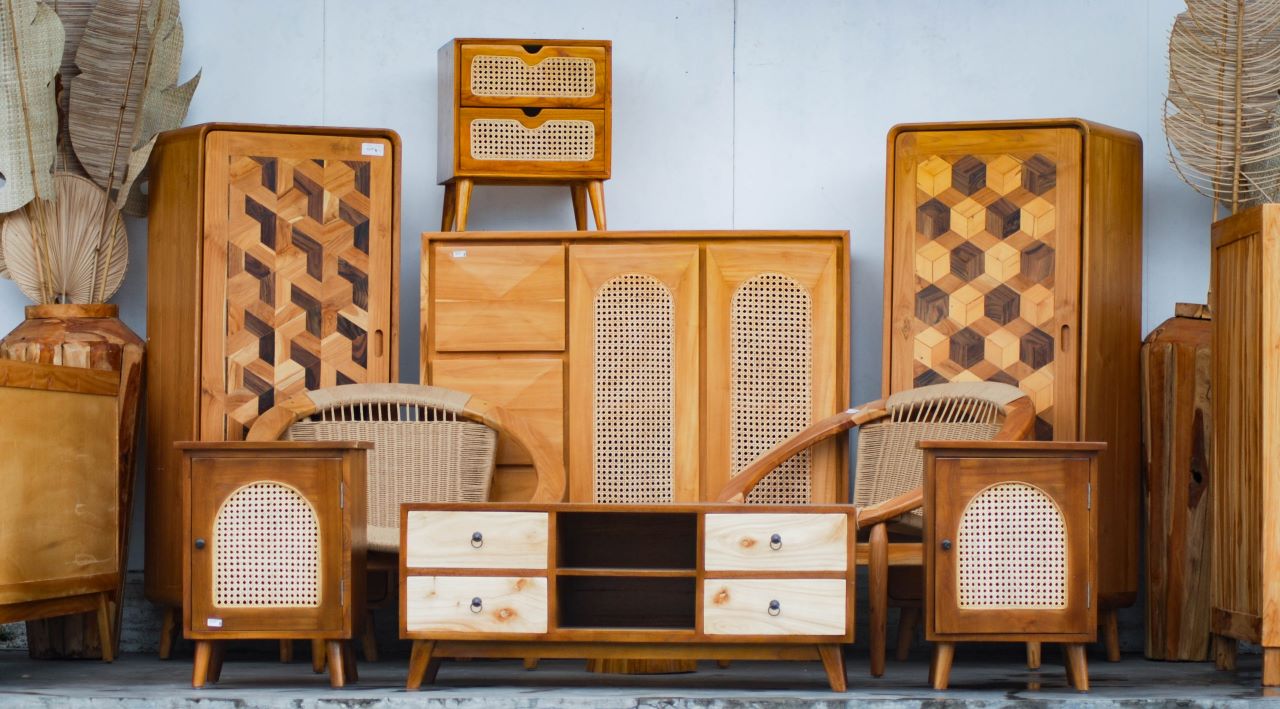
Handling family heirlooms after a loss requires managing legal authority, emotional pressure and practical logistics at the same time, and the order you take them on matters more than most people expect.
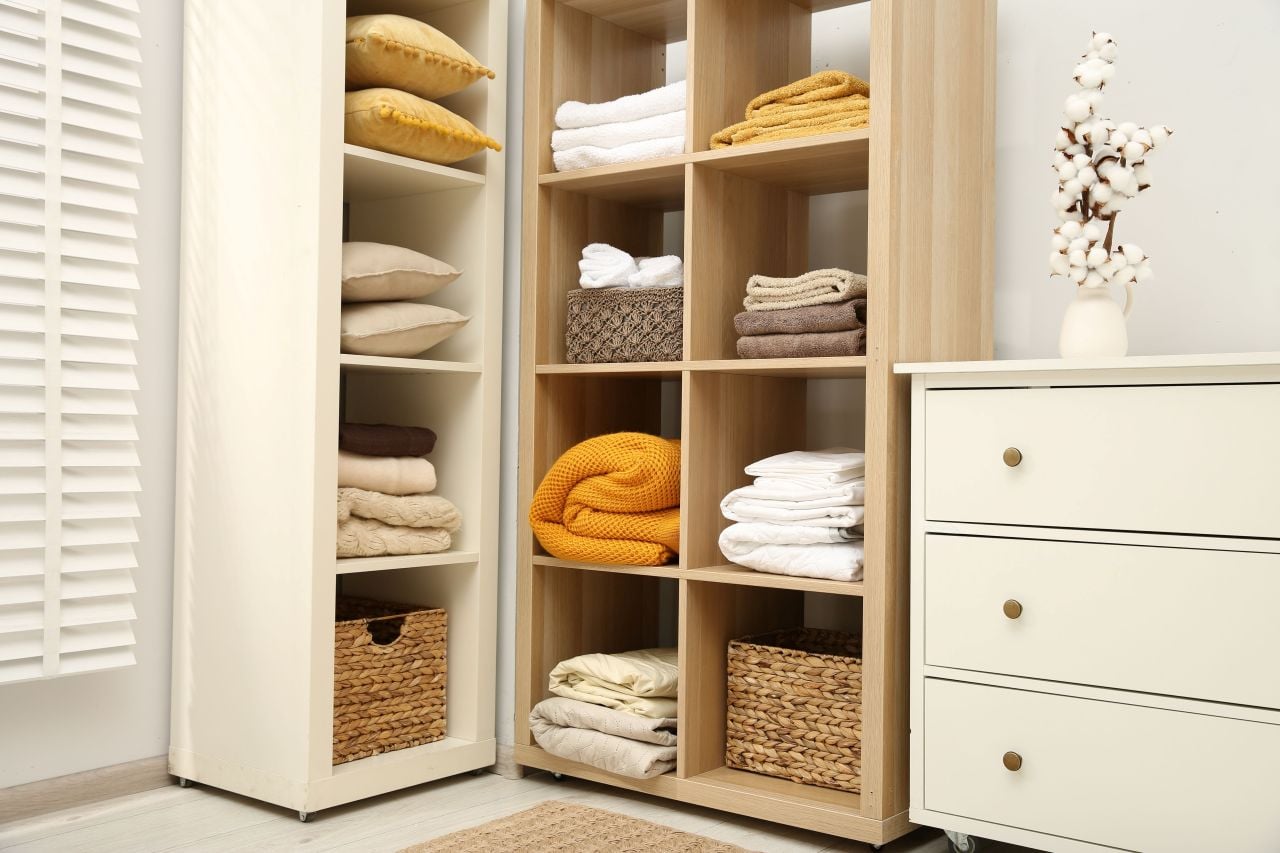
Blanket Storage: The Right Method for Every Space and Season
Blankets make our lives cozier, and storing them well is what keeps them soft and comfortable in the long run. Knowing how to store a blanket properly means your favorites come out of storage smelling fresh, feeling the same as when they went in, and lasting years longer than they otherwise would.

Board Game Storage Ideas That Keep Your Collection in Fighting Shape
Nobody warns you that getting into board games usually unlocks a second hobby, the much dreaded one that includes figuring out where on earth to put them. One game becomes a few, expansions start spawning beside their base boxes and before long, board game storage requires as much strategy as whatever is waiting on the other side of those lids.

Storage Locker vs. Storage Unit: What’s the Difference?
A locker and a unit may sound like two names for the same four walls and a lock, and depending on the storage facility, you may even see the terms used that way. However, once you start comparing available spaces, storage lockers tend to occupy the smaller end of the spectrum, while storage units(opens in new tab) give you considerably more room to work with.

Storage Ideas for Small Spaces: 9 Ways to Max Out Your Home
A messy home contains the seeds of its organization. Those seeds are everywhere: the space above doors, under beds, behind sofas and inside furniture can all become storage. Here are the best storage ideas for small spaces, so you can make the most of your cozy home.

Best U.S. Cities to Live Uncluttered: Plano, TX, Offers the Most Room to Breathe
Clutter is in our homes as much as in our heads. Both are shaped by where we live.
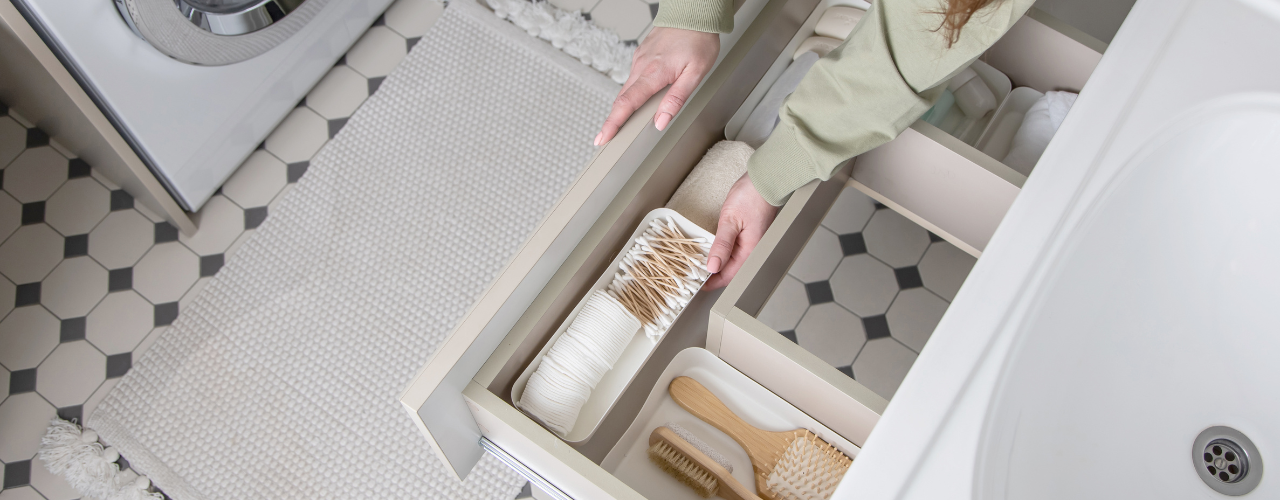
How to Organize Your Bathroom: 8 Ways to Stay Tidy
You already know why an organized bathroom is worth the effort, but let us remind you: it makes rushed mornings easier, keeps counters cleaner and just helps get you in the mood to go through your skincare routine like you should. Plus, in bigger households, it helps everyone find what they need. And you know how much a tidy bathroom counts for your self-esteem when a guest or a partner shows up. Luckily, you don’t need a degree to know how to organize your bathroom. The secret is keeping less, giving every item a home and making that home simple to use. Let’s go through some practical steps can help you create a bathroom that stays functional and nice to look at.

How to Use Silica Gel Packets for Storage
Moisture can cause significant damage to items in storage, leading to rust on tools, mold on clothing and warping in documents. Silica gel uses science to fix that. Often found in small packets inside product packaging, silica gel is a desiccant that absorbs moisture from the air, keeping your stored items dry and protected. This guide explains what silica gel is, how it works and how you can use it to preserve your belongings in self storage.