

Bankruptcy is a very complex and stressful process, but well worth it in certain situations and supposed to give people a second chance. If you rent a self storage unit, it can raise some extra questions. Will the things you’ve stored be taken away? Can the storage company still sell your belongings if you’ve fallen behind on rent? And from the operator’s side, what exactly are they allowed or not allowed to do once a tenant files for bankruptcy?
The answers aren’t simple, because bankruptcy law touches everything a person owns, including what’s locked away in a storage unit. To understand both sides, we spoke with Attorney Blake Robertson of Gravis Law and Attorney Ashley Oblinger of Weissmann Zucker Euster + Katz, P.C.
What happens to your stored belongings once you file for bankruptcy
A lot of people think of their storage unit as separate from the rest of their life. After all, it’s off-site, behind a gate, and protected by a monthly rental agreement. But the law doesn’t see it that way. “The moment someone files for bankruptcy, everything they own becomes part of their bankruptcy estate – their home equity, collection of DVDs – even the family dog, and that includes the contents of their storage unit”, explains Blake Robertson, Gravis Law attorney. “This fundamental principle catches many people off guard, particularly those who view their storage unit as somehow separate from their other assets.”
In other words, whatever you put in storage counts the same as if it were sitting in your living room. A bankruptcy trustee, which is the person appointed by the court to review your case, has the right to decide whether your belongings should be sold to help pay your debts. That doesn’t mean every unit gets emptied. If your storage unit is full of old furniture or keepsakes that don’t have much resale value, a trustee might decide it’s not worth the trouble.
On the other hand, if you’re storing something valuable, like collectible equipment or expensive tools, it could be at risk.
How people can protect their stuff

Bankruptcy law does give you ways to protect your belongings. Each state allows you to keep certain types of property, up to a limit. These are called exemptions, and they can cover things like household items or tools you need for your job. Robertson says this is where good planning comes in. “Smart bankruptcy planning involves leveraging available exemptions to protect all assets, including stored belongings. Most states allow debtors to exempt household goods, tools of the trade, and other personal property up to specific dollar limits. The key is working with a bankruptcy attorney to identify which items qualify for protection and ensuring they’re properly claimed.”
But the most important rule is that you have to be honest. Trying to hide a storage unit or downplay what’s inside is extremely risky. “Transparency is absolutely critical. Attempting to hide storage units or undervalue their contents constitutes bankruptcy fraud – a federal crime with serious consequences. Courts and trustees are skilled at uncovering concealed assets, and the penalties far outweigh any temporary benefit from dishonesty”, Robertson warned. If you try to keep your storage unit a secret, you could not only lose your right to have debts erased but also face criminal charges. Bankruptcy only works if you’re upfront about everything.
Bankruptcy might stop your self storage unit being auctioned – but only for a while
One of the biggest protections bankruptcy gives you is something called the “automatic stay.” This basically freezes collection efforts the moment your case is filed. If you’re behind on storage rent and worried about an upcoming auction, the automatic stay can stop it cold.
As Robertson puts it, “The facility cannot proceed with selling your belongings while the stay remains in effect – but this requires an honest debtor to actually list all their property in their schedules and to provide required notice of their case to the owner of the storage units.”
However, the main point here is that a self storage auction can indeed be stopped, but only for a while. Filing for bankruptcy might stop an auction, but it doesn’t mean you get free storage. You still have to keep paying rent going forward.
“If you want to continue using your storage unit during bankruptcy, you must stay current on monthly payments going forward. Miss future payments, and the facility can seek court permission to reject the contract, request relief from the stay, and proceed with state court remedies they would otherwise have at law. This requires filing a motion for relief from the automatic stay, but courts far more typically grant these requests when debtors aren’t meeting their ongoing obligations”, Robertson explains further.
Talking to the self storage facility matters
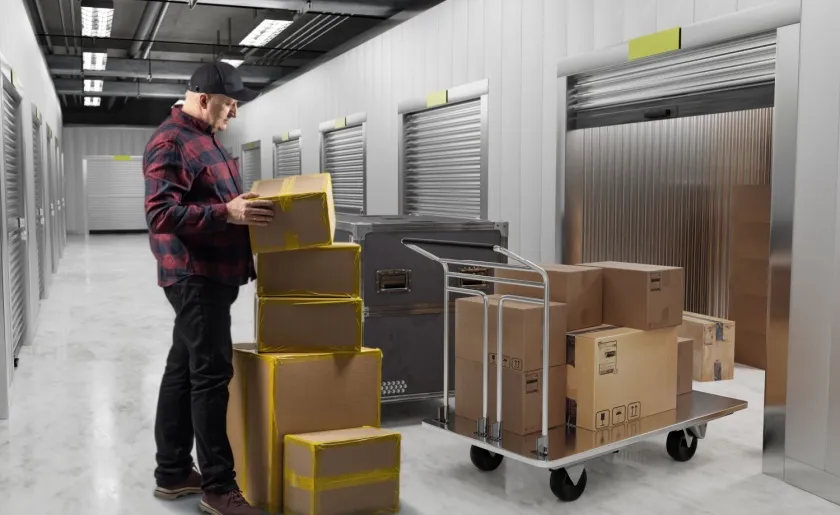
Even if your paperwork is in order, communication is still one of the most powerful tools you have, and it pays off to be proactive. “If you’ve filed for bankruptcy, ensure your forms are filled in accurately so the Court will notify your storage facility. If inadvertently missed, immediately do so and provide your case number, and then ask your attorney to amend your documents. Clear communication helps prevent misunderstandings and potential automatic stay violations.”, reinforced Robertson.
Letting the storage company know what’s happening and giving them your case information can prevent headaches on both sides.
How things look from the operator’s side
From the facility’s perspective, a tenant’s bankruptcy can turn a routine situation into a serious legal risk. The moment they learn about a filing, operators have to stop what they’re doing, and we’re talking here primarily about potentially auctioning off the unit, and make sure they don’t accidentally violate federal law.
“Operators should have a set procedure in place to follow once they receive notification that a tenant has filed a bankruptcy petition”, Ashley Oblinger, Weissmann Zucker Euster + Katz P.C. attorney, noted. “The operator should put an alert or notification on the tenant’s account so that the automatic stay in the bankruptcy is not violated. If a lien sale is scheduled, it should be stopped and the operator should cease all collection and sale efforts. The operator should also take necessary steps to keep an eye on the bankruptcy filings. It is probably best to hire an attorney to do this as the attorney will know what the filing mean and the deadlines to meet.”
Operators can’t just rely on tenants to keep them updated, though it is the tenant’s responsibility to inform them. If the tenant lists the facility as a creditor, the court will send pertinent notices to the operator. If not, the operator can contact the tenant’s attorney and/or the trustee and file the appropriate documentation with the court to be listed as a creditor, which will allow the operator to receive all notices related to the tenant’s bankruptcy.
Being listed with the court is the safest way to make sure nothing gets missed, but it’s also a good idea for self storage facilities to ask their attorney to keep an eye on the case.
What happens to the operator’s right to auction the storage unit
Assuming that a storage unit tenant is going through bankruptcy, there’s a good chance that they might have missed some payments already. Normally, self storage operators rely on lien laws that let them auction a tenant’s belongings if rent isn’t paid. However, bankruptcy changes that immediately.
The facility can’t just go ahead with an auction. They have to ask the court for permission, and that process takes time and legal work. Ignoring this rule can be extremely costly for the self storage operator. “If a lien sale is held during the automatic stay without court approval, the operator can be held liable for violating the automatic stay. The court can hold the operator in contempt, can order the operator to pay actual damages (including court costs and attorneys’ fees), and even sanction the operator with punitive damages.”, detailed Oblinger.
Building the right procedures protects everyone
Because the stakes are so high when it comes to tenant bankruptcy, facilities are better off building clear systems in advance for handling bankruptcy cases. As Oblinger puts it, “The best thing an operator can do is work with an attorney to establish internal systems and procedures for what to do when informed of a tenant’s bankruptcy and then make sure those procedures are followed every time.”
That means training staff, flagging accounts immediately when they get notice of a filing, and stopping any planned auction until they’ve checked with legal counsel.
Even though bankruptcy can feel like a fight, courts often encourage both sides to work out practical solutions. With proper legal guidance and mutual respect for the process, most situations can be resolved in ways that protect everyone’s legitimate interests while complying with federal bankruptcy law.



Moving From a House to an Apartment: What to Expect, How to Downsize & How Self Storage Helps
For some, moving from a house to an apartment is a financial decision. For others, it’s about simplifying life. Maybe the kids have moved out and half the house sits empty, or you’re approaching retirement and no longer want to spend weekends on repairs. Or perhaps you’ve been weighing the cost of buying a home and wondering whether renting simply makes more sense right now.

Family Heirlooms Overload: How to Handle Family Inheritance Without Regret
Handling family heirlooms after a loss requires managing legal authority, emotional pressure and practical logistics at the same time, and the order you take them on matters more than most people expect.

Blanket Storage: The Right Method for Every Space and Season
Blankets make our lives cozier, and storing them well is what keeps them soft and comfortable in the long run. Knowing how to store a blanket properly means your favorites come out of storage smelling fresh, feeling the same as when they went in, and lasting years longer than they otherwise would.

Board Game Storage Ideas That Keep Your Collection in Fighting Shape
Nobody warns you that getting into board games usually unlocks a second hobby, the much dreaded one that includes figuring out where on earth to put them. One game becomes a few, expansions start spawning beside their base boxes and before long, board game storage requires as much strategy as whatever is waiting on the other side of those lids.

Storage Locker vs. Storage Unit: What’s the Difference?
A locker and a unit may sound like two names for the same four walls and a lock, and depending on the storage facility, you may even see the terms used that way. However, once you start comparing available spaces, storage lockers tend to occupy the smaller end of the spectrum, while storage units(opens in new tab) give you considerably more room to work with.

Storage Ideas for Small Spaces: 9 Ways to Max Out Your Home
A messy home contains the seeds of its organization. Those seeds are everywhere: the space above doors, under beds, behind sofas and inside furniture can all become storage. Here are the best storage ideas for small spaces, so you can make the most of your cozy home.

Best U.S. Cities to Live Uncluttered: Plano, TX, Offers the Most Room to Breathe
Clutter is in our homes as much as in our heads. Both are shaped by where we live.

How to Organize Your Bathroom: 8 Ways to Stay Tidy
You already know why an organized bathroom is worth the effort, but let us remind you: it makes rushed mornings easier, keeps counters cleaner and just helps get you in the mood to go through your skincare routine like you should. Plus, in bigger households, it helps everyone find what they need. And you know how much a tidy bathroom counts for your self-esteem when a guest or a partner shows up. Luckily, you don’t need a degree to know how to organize your bathroom. The secret is keeping less, giving every item a home and making that home simple to use. Let’s go through some practical steps can help you create a bathroom that stays functional and nice to look at.

How to Use Silica Gel Packets for Storage
Moisture can cause significant damage to items in storage, leading to rust on tools, mold on clothing and warping in documents. Silica gel uses science to fix that. Often found in small packets inside product packaging, silica gel is a desiccant that absorbs moisture from the air, keeping your stored items dry and protected. This guide explains what silica gel is, how it works and how you can use it to preserve your belongings in self storage.